Satellite navigation
Europe orders four more Galileo Second Generation satellites
Thales Alenia Space and Airbus will build two each, taking the contracted total to sixteen. ESA schedules delivery of the new spacecraft for 2031.
Add us as a preferred source on Google Add us as a preferred source on Google
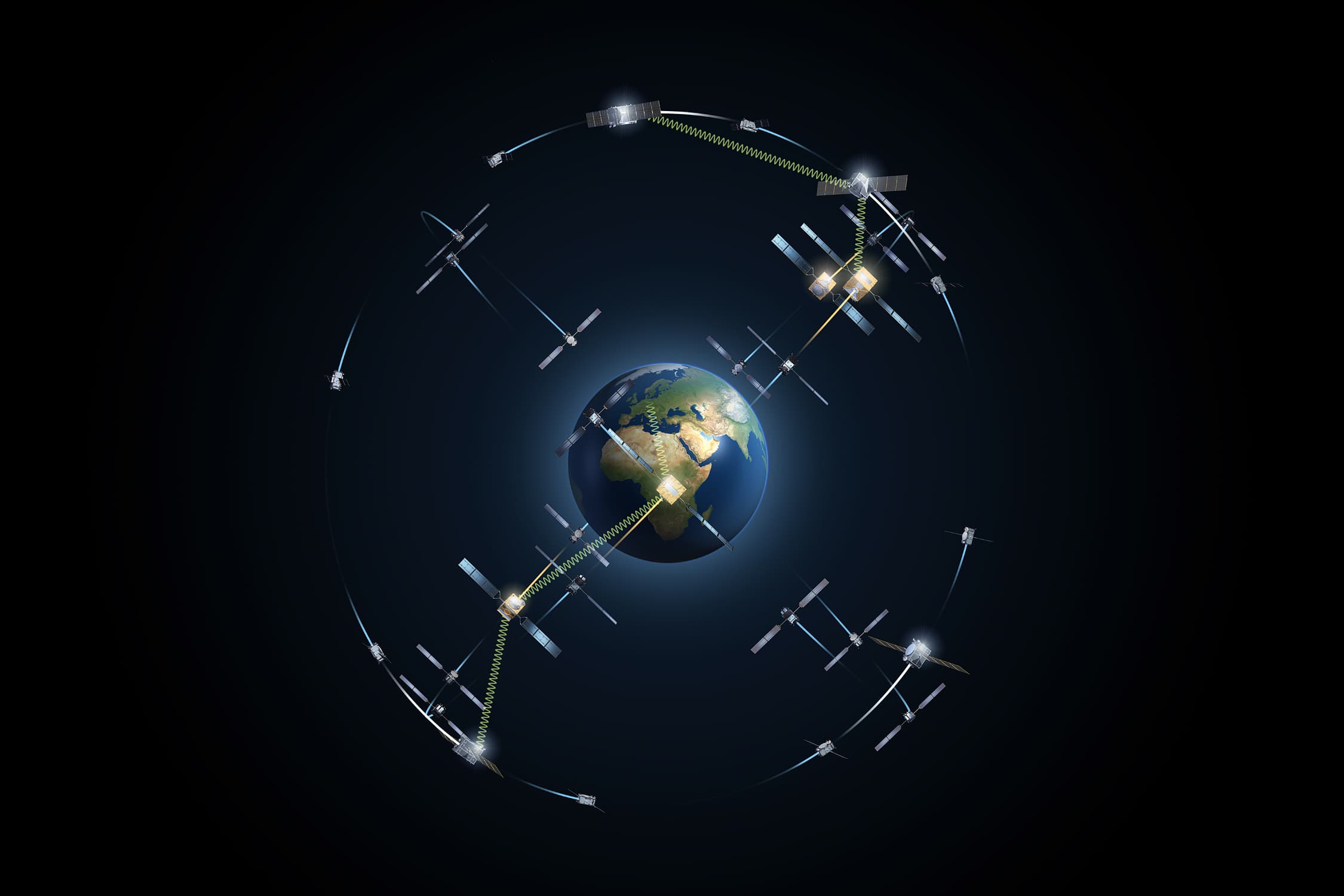
The European Space Agency has extended contracts with Thales Alenia Space and Airbus Defence and Space to build four additional Galileo Second Generation navigation satellites. The October 27 announcement brings the number of contracted spacecraft in the new generation to sixteen; it does not mark their launch or entry into service.
Each manufacturer will build two more satellites on top of six already ordered. ESA records the Thales Alenia Space contract signing in Rome on October 23 and the Airbus signing in Ottobrunn, Germany, on October 26. Neither the agency’s announcement nor the manufacturers’ releases disclose the value of the additional orders.
The spacecraft are intended for a navigation system with worldwide use. The European Commission’s Galileo overview counts more than 4.5 billion Galileo-enabled devices globally, including applications in smartphones, road transport, aviation, maritime navigation and precision agriculture. That figure describes compatible devices, rather than a count of people or a forecast of adoption of the new satellites.
Thales Alenia Space says its additional satellites will be integrated and tested at its Space Smart Factory in Rome. It describes digitally configurable antennas and links between satellites as features intended to improve signal resilience against interference and jamming, with an operational design life of fifteen years. These are planned capabilities, not improvements delivered by the contract signing.
Airbus says its spacecraft will carry digital payloads that can be reconfigured in orbit, improved atomic clocks and links for exchanging and cross-checking data between satellites. It also describes anti-jamming and anti-spoofing capabilities, intended to protect against signal interference and false navigation signals. Airbus lists manufacturing, integration and testing work across its European sites.
ESA schedules delivery of the four additional satellites for 2031, with launch to follow. The earlier spacecraft have a separate timetable: the agency plans integration and flight testing of the first satellites in 2027, ahead of the first Galileo Second Generation launch in 2028. Those dates remain programme schedules.
Reporting trail
Primary sources
European Space AgencyESA procures four new Galileo Second Generation satellitesesa.int
Thales Alenia SpaceTwo additional Galileo Second Generation satellites awarded to Thales Alenia Space (press release)thalesaleniaspace.com
AirbusAirbus awarded contract for two additional Galileo satellites (press release)airbus.com
European CommissionGalileoeu-space.europa.eu
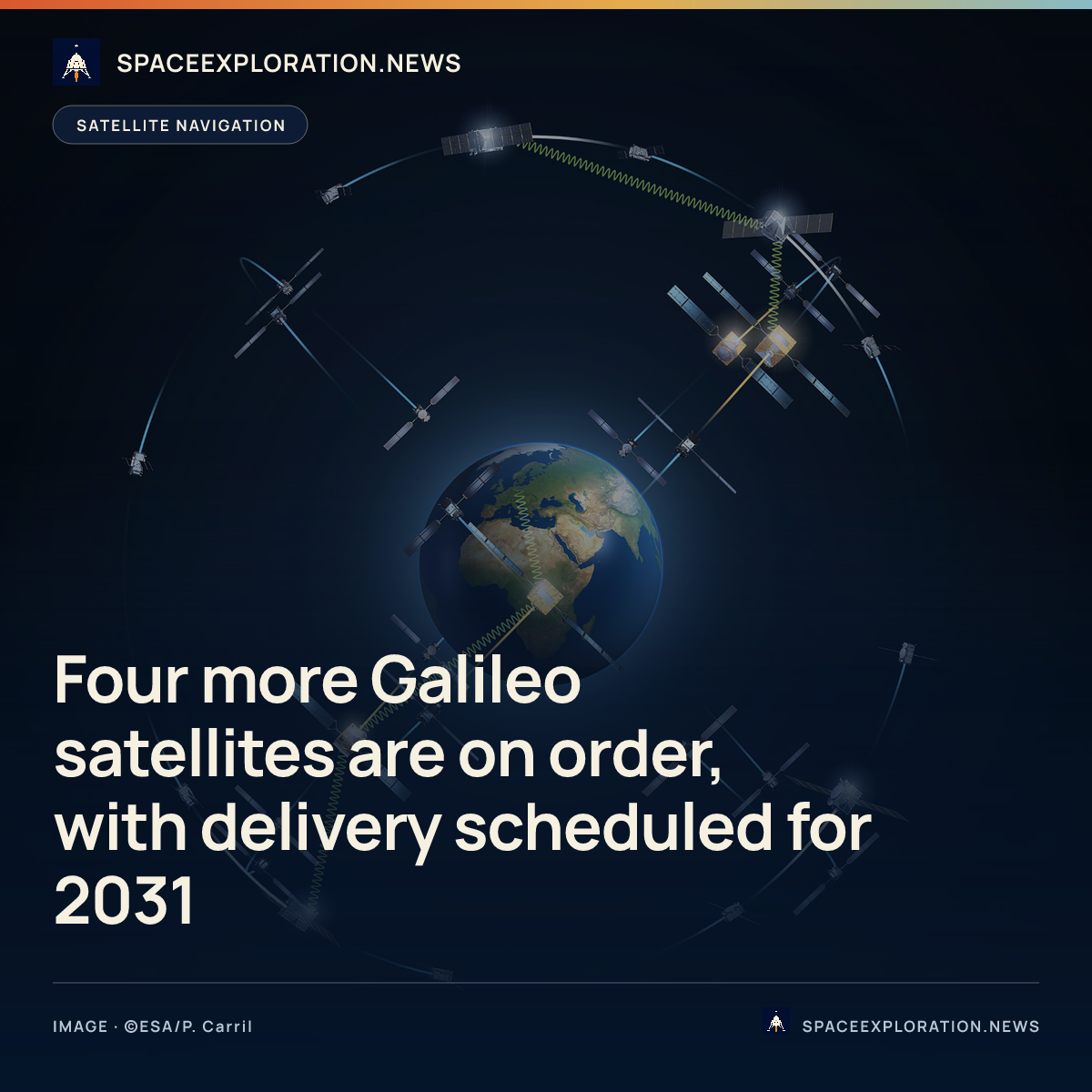
For an image post, download the card and copy this suggested caption.
Thales Alenia Space and Airbus will build two each, taking the contracted total to sixteen. ESA schedules delivery of the new spacecraft for 2031. Read the full report: https://www.spaceexploration.in/news/galileo-g2-four-additional-satellites #SpaceExplorationNews #SpaceNews #SpaceIndustry