
Space science
Copernicus publishes new satellite-data catalogue access details
The October notice lists expanded search fields and higher burst limits. Its printed date for replacing the old service predates publication.
Latest editionIndependent space reporting
SPACE EXPLORATION.INअंतरिक्ष · India’s space journalIndia-firstSource-led · English edition
Editorial desk
Solar physics, Earth observation, astronomy and the instruments extending India’s view of the universe.
Space science
The October notice lists expanded search fields and higher burst limits. Its printed date for replacing the old service predates publication.
Human spaceflight
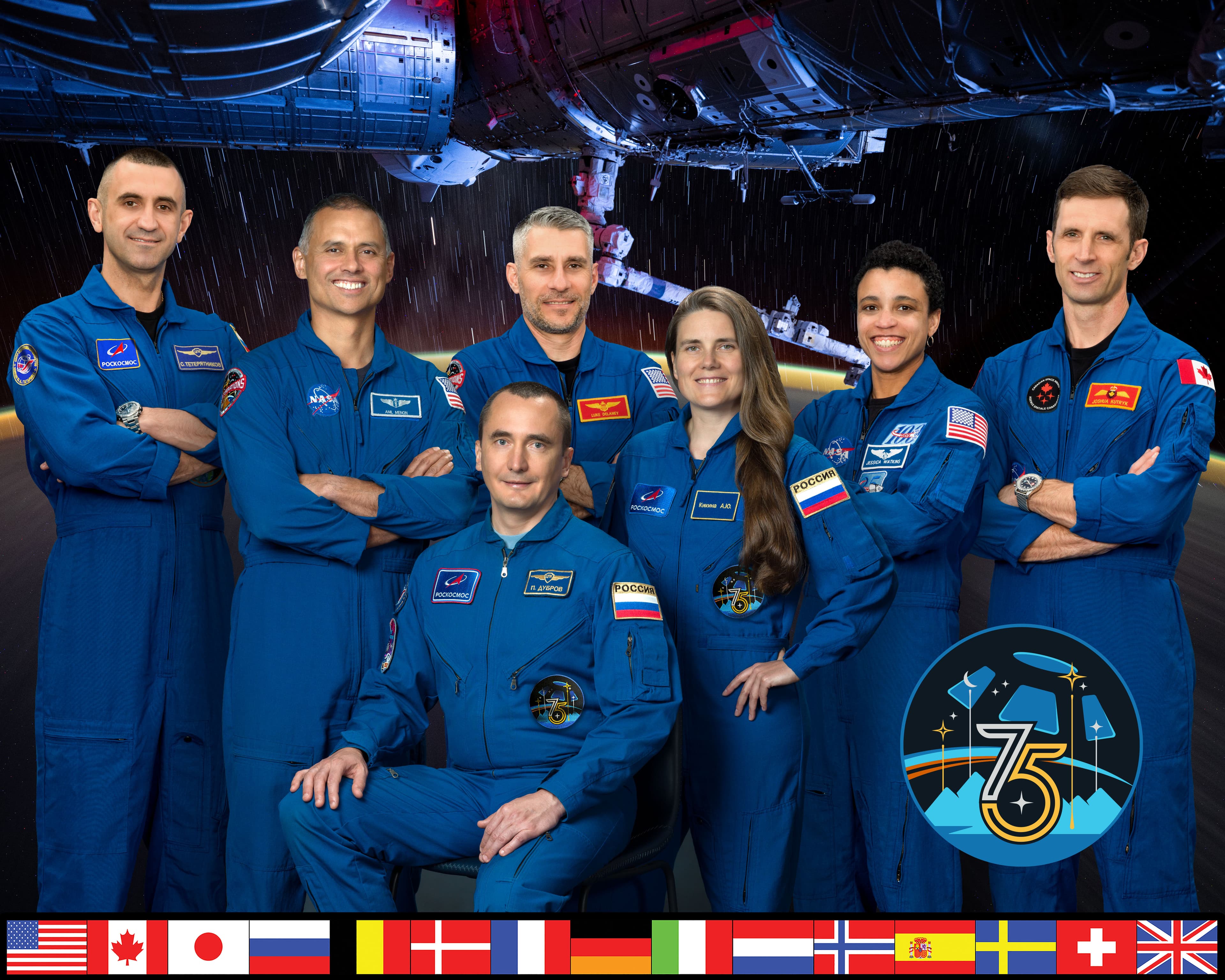
NASA’s October 14 account covers a move from Destiny to Columbus. It gives no observing result or explanation for the relocation.
Weather data
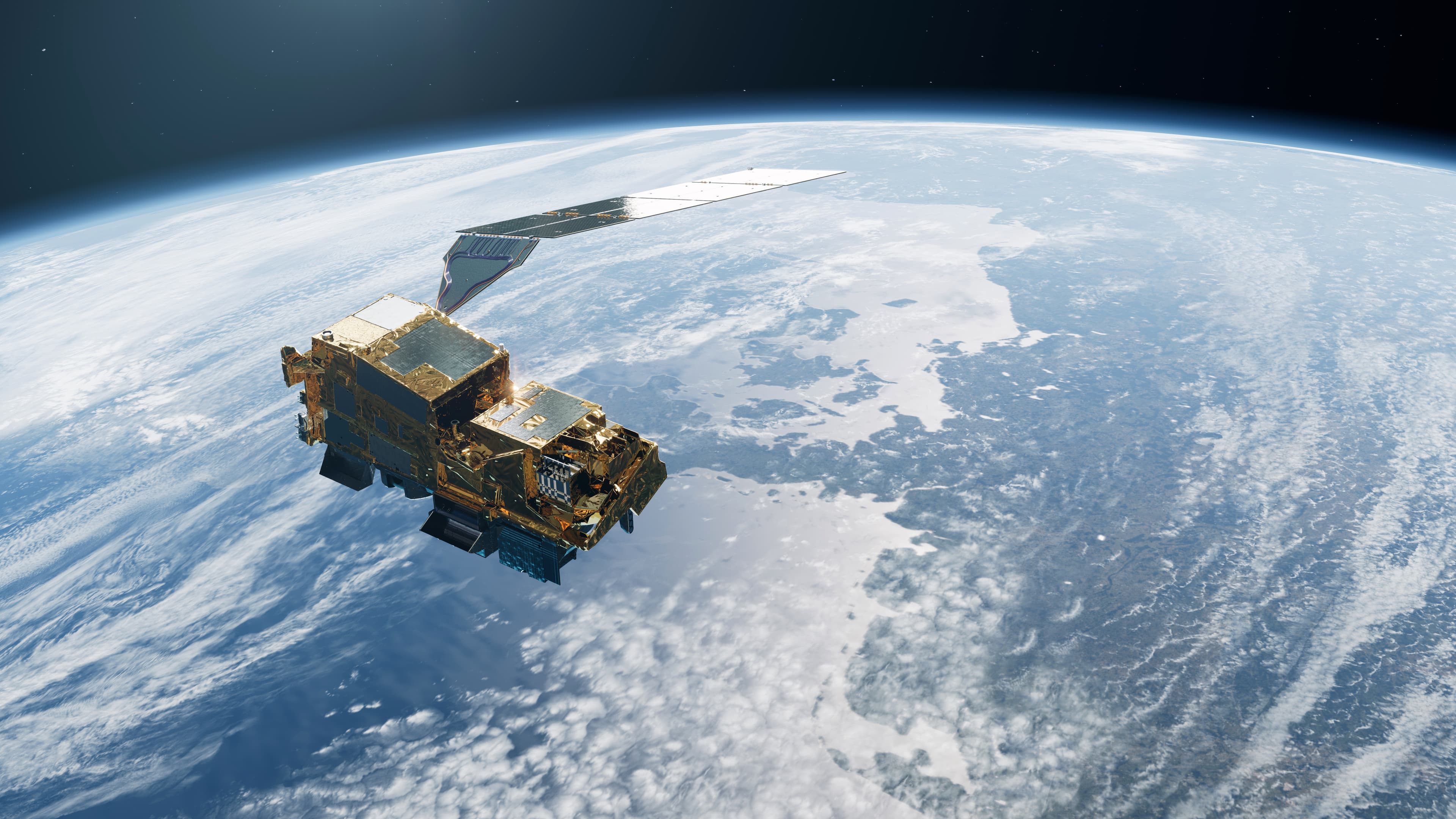
An October 15 notice schedules Metop-SGA1 radio-occultation and microwave observations for distribution through WIS2 from October 21, with separate subscription topics for the two products.
Earth observation
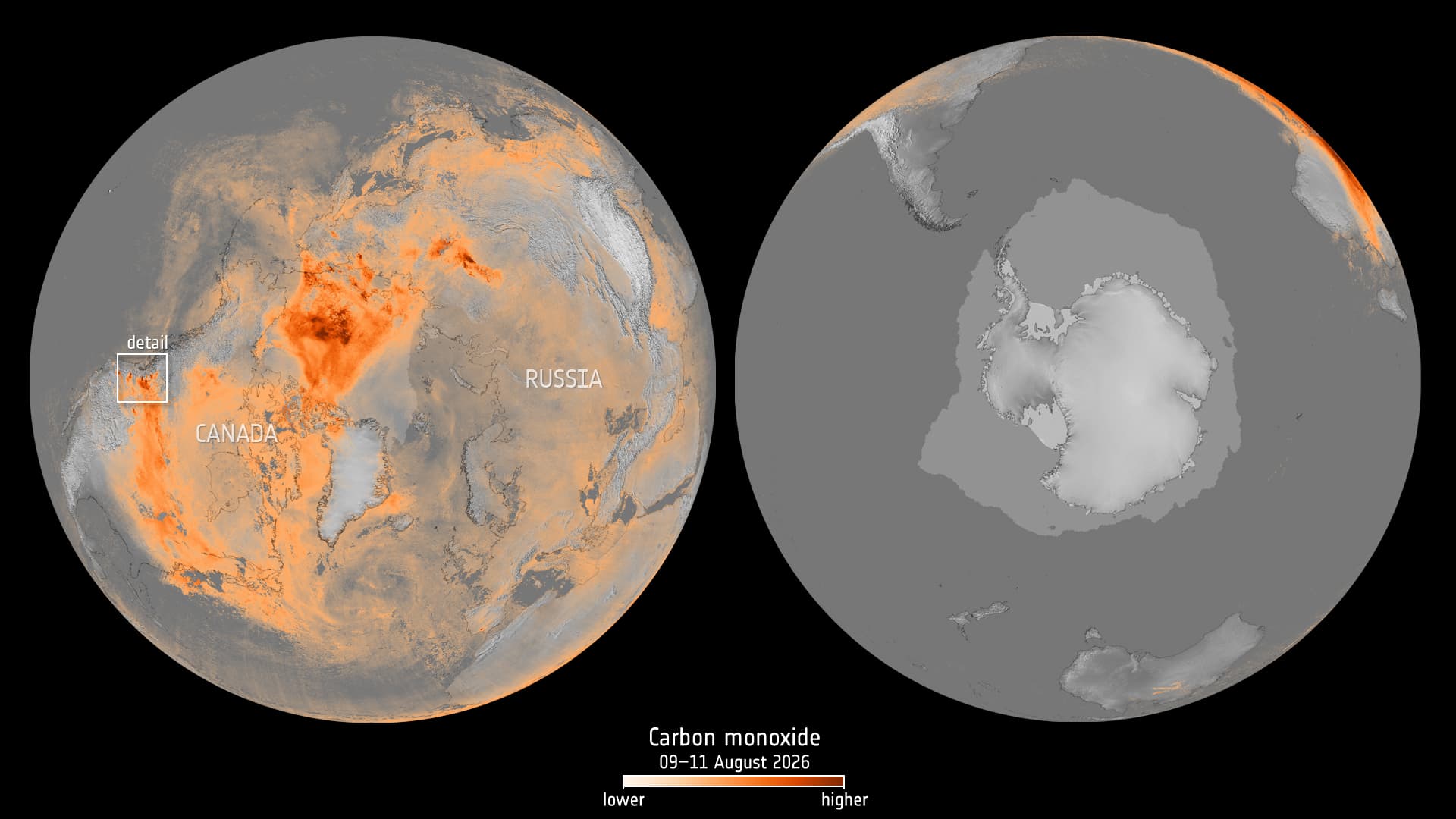
The October 13 notice warns of a near-real-time data gap during deployment and details cloud-screening and nitrogen-dioxide product changes.
Space medicine
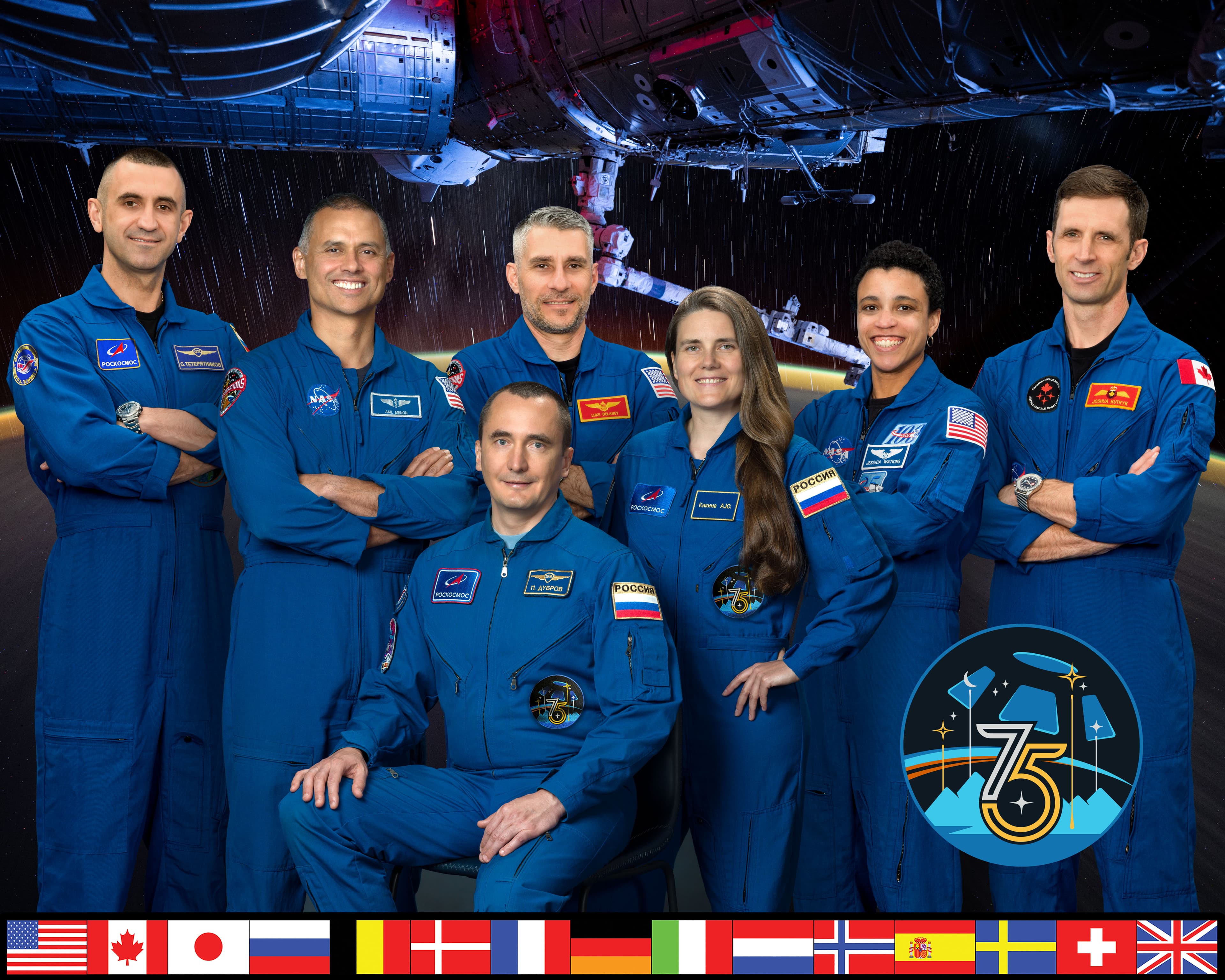
NASA’s October 13 entry describes medical imaging to study microgravity’s effects on the eye. It reports activity, with no clinical findings.
Weather satellites
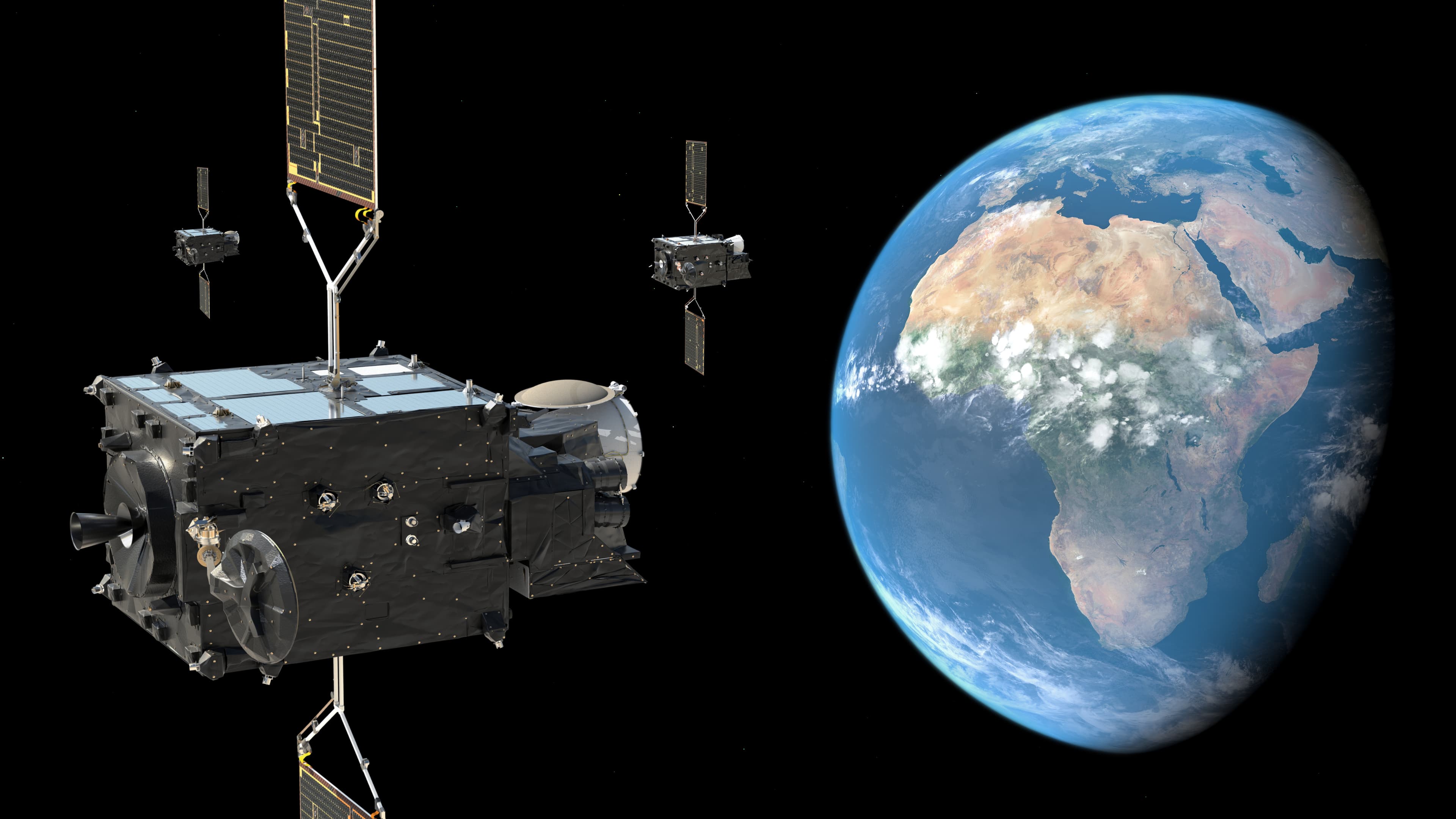
The operator’s October 13 notice records the transition from pre-operational observations and supplies filename examples bearing the operational marker.
Earth observation
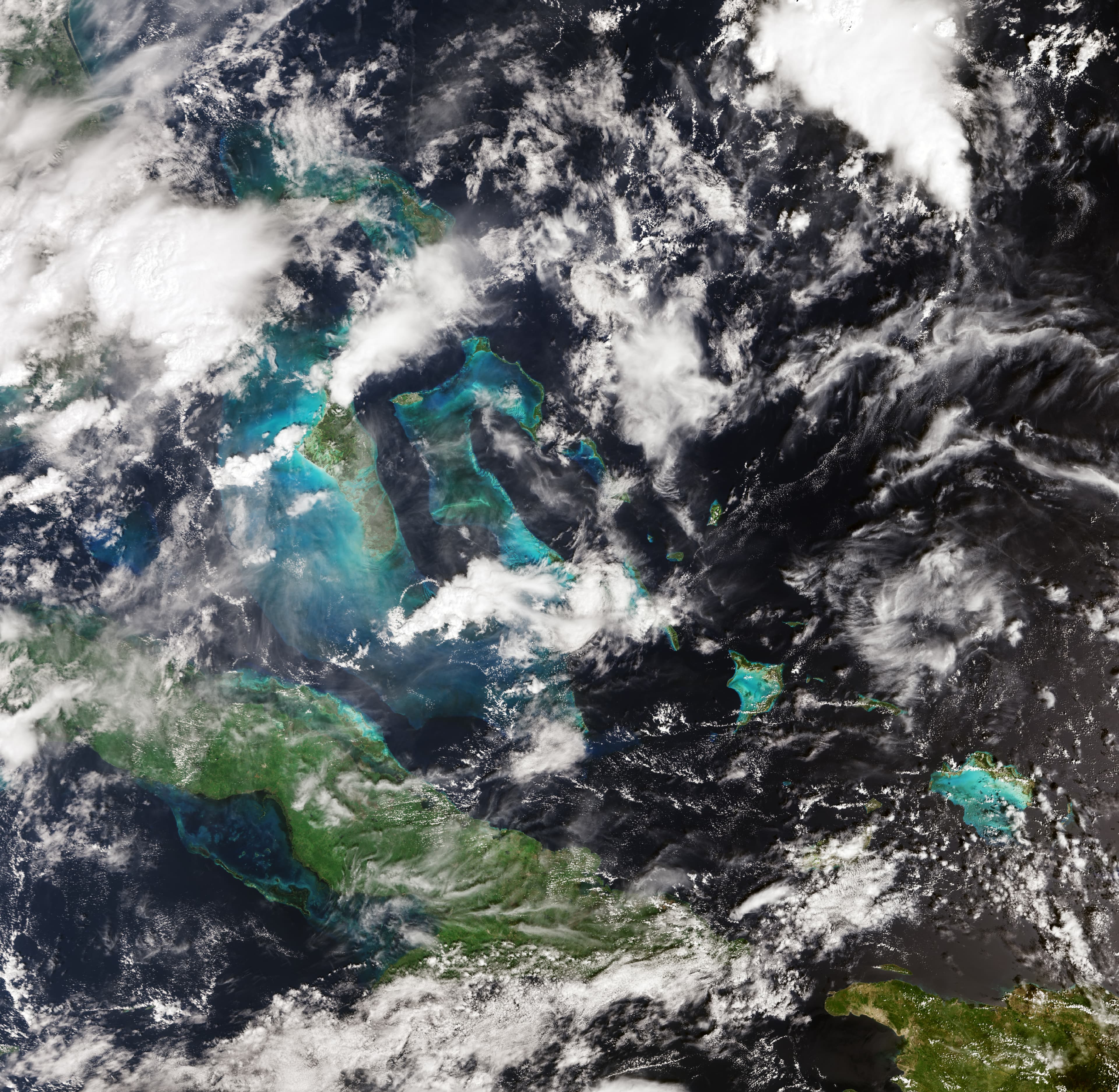
The 8 October release shows early observations from the Copernicus satellite; ESA expects another five months of commissioning before service.
Auroras
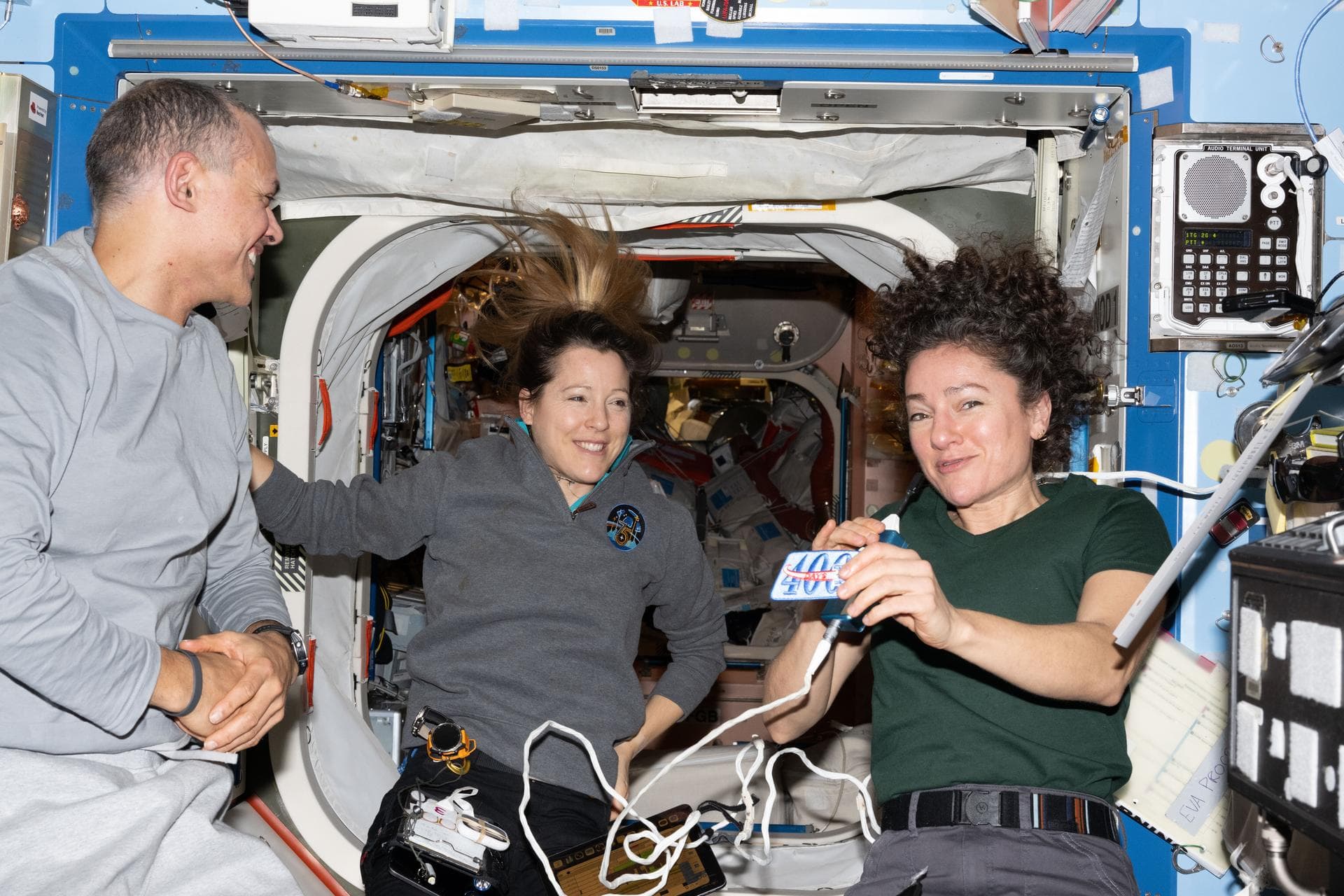
The astronaut’s dated X post shows the atmospheric display. His caption links it to solar activity, without a storm-strength measurement.
Atmospheric science
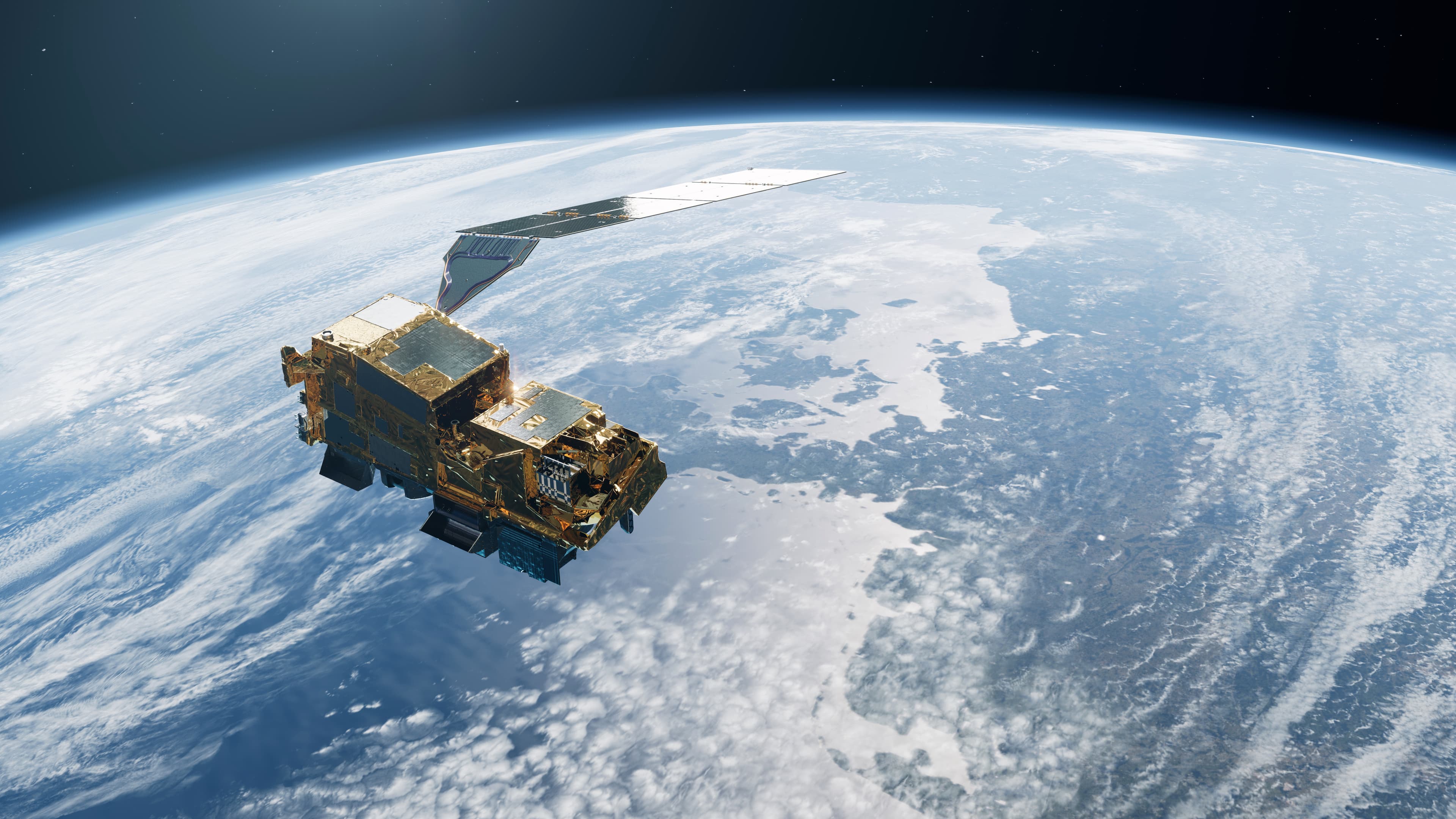
The October 7 release notice sets out access to global infrared measurements through EUMETCast and the Data Store, while warning that commissioning continues and delivery may stop without notice.
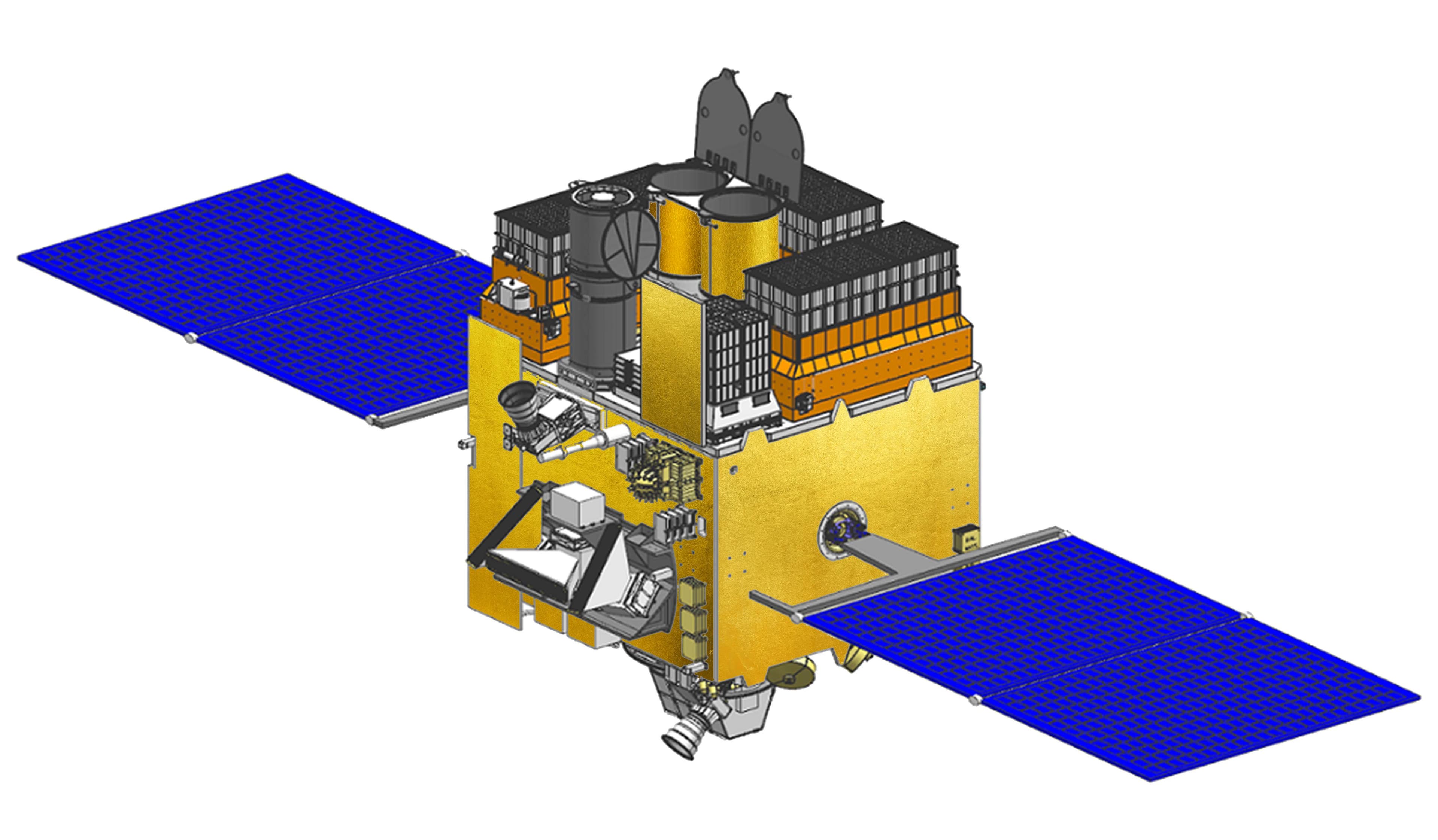
Space astronomy
The October 8 circular separates CZTI’s detector measurements for the October 7 burst; its Compton-event analysis remains preliminary.
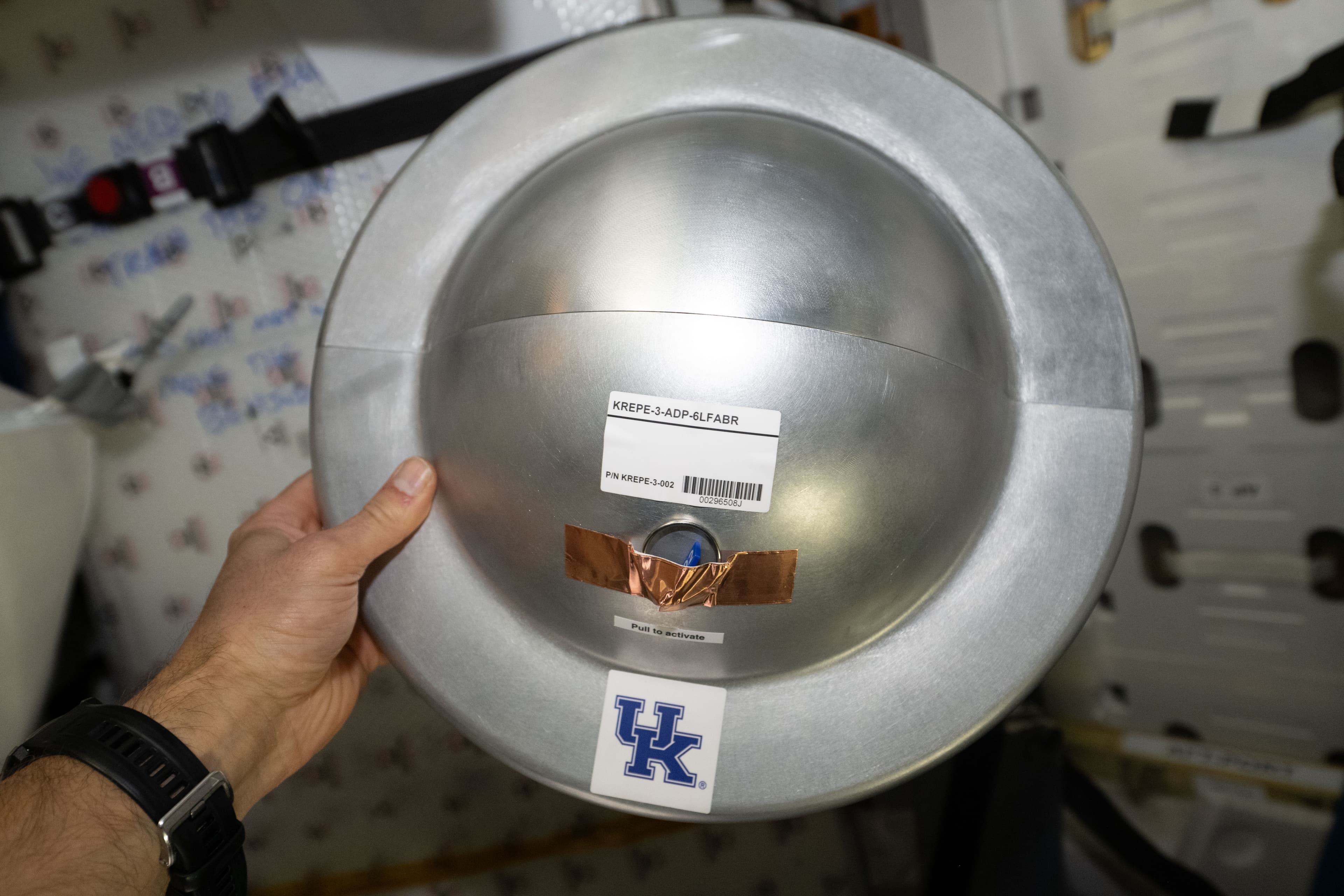
Re-entry research
An October 7 photograph records the Indian-origin astronaut holding a capsule aboard Cygnus. NASA’s subsequent report describes planned re-entry measurements, with no performance results established.
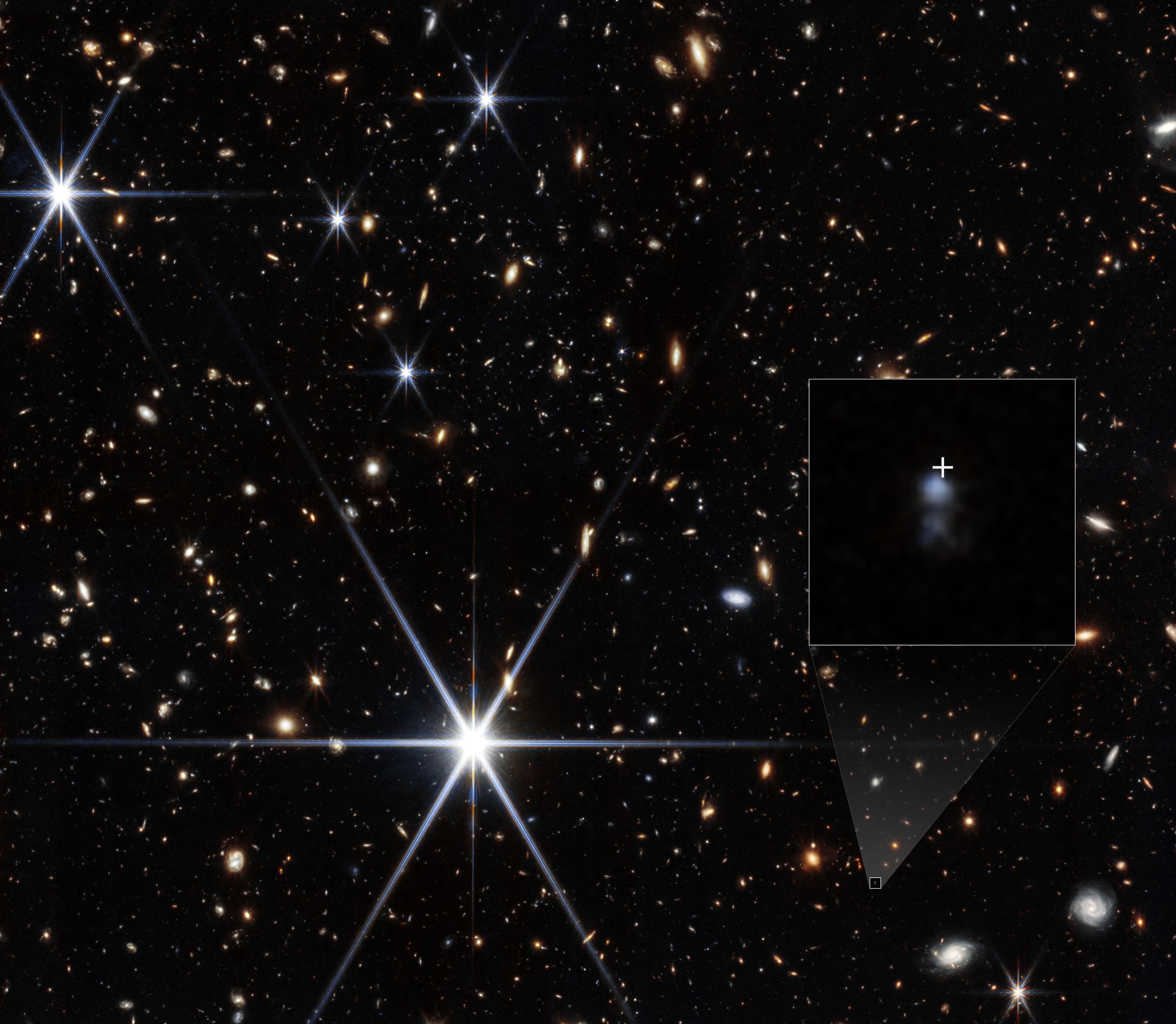
Fast radio bursts
Webb observations reveal a young, star-forming host galaxy, but the study does not establish what generated the signal detected in 2024.