Space security
Nuclear-satellite warning draws NATO response and Russian denial
A German investigation describes intelligence assessments of a possible launch before year-end. Public responses do not verify the weapon or establish a launch schedule.
Add us as a preferred source on Google Add us as a preferred source on Google
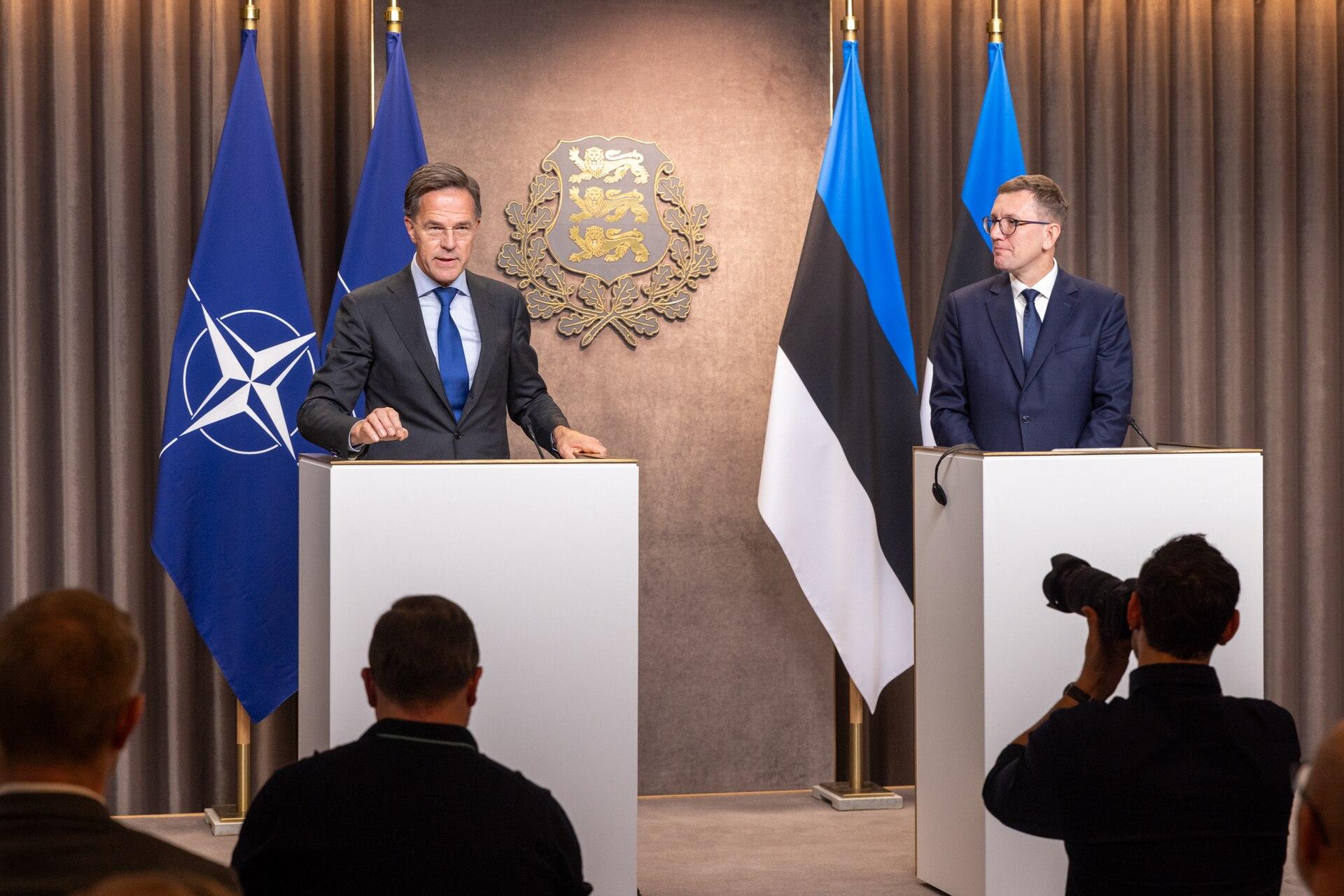
NATO’s secretary-general and the Kremlin responded on November 23 to a German investigation into a possible Russian nuclear-armed satellite. Mark Rutte described the alliance’s continuing defence assessments, while Kremlin spokesperson Dmitry Peskov dismissed the reports as speculative, according to separate Reuters reports.
The investigation by WDR, NDR and Süddeutsche Zeitung described intelligence assessments shared among several NATO countries. It reported that a satellite called Sputnik-S had been assembled near Moscow and could be launched before the end of 2026. These are the investigation’s reported assessments, rather than public verification of a weapon or deployment.
The German outlets placed the latest warning in early November, when intelligence services reportedly described a possible launch within 60 days. They reported that Germany’s Space Command considered December possible. Those dates concern an assessed capability, not an announced launch schedule.
At a press conference in Berlin, Rutte said NATO continually evaluates its deterrence and defence and can update them when necessary, Reuters reported. He did not publicly confirm the satellite’s existence or announce a specific new response to it.
Peskov told reporters that the allegations relied on uncertain claims and should not be taken seriously, Reuters reported. Russia’s embassy separately rejected the allegations in its response to the German investigation, whose authors said Germany’s defence ministry declined to address specific questions.
The investigation describes a risk extending beyond a single country: a nuclear detonation could damage civilian and military satellites and impair communications and navigation. It attributes the assessment of widespread losses in low Earth orbit to US Space Command chief Stephen Whiting. No detonation, launch or deployed nuclear weapon is established by the public records checked for this report.
Reporting trail
Primary sources
WDR/NDR and Süddeutsche Zeitung via tagesschauGeheimdienste warnen: Russland soll Atomwaffe im Weltraum vorbereitentagesschau.de
Reuters / InternazionaleAsked about Russian satellite reports, NATO says it constantly assesses situationinternazionale.it
Reuters / TimesLIVEKremlin dismisses German reports about alleged Russian nuclear-armed satellite launchtimeslive.co.za
 Wikimedia Commons / Stenbocki majaImage source: Prime Minister’s meeting with NATO Secretary General Mark Rutte, 14.10.2026commons.wikimedia.org

For an image post, download the card and copy this suggested caption.
A German investigation describes intelligence assessments of a possible launch before year-end. Public responses do not verify the weapon or establish a launch schedule. Read the full report: https://www.spaceexploration.in/news/nuclear-satellite-warning-responses #SpaceExplorationNews #SpaceNews #SpacePolicy