Earth observation
NASA plans to end Terra science collection on December 1
The spacecraft is due to power off in January 2027 after orbit lowering. NASA will keep its science archive public, while data users are being urged to move to alternatives.
Add us as a preferred source on Google Add us as a preferred source on Google
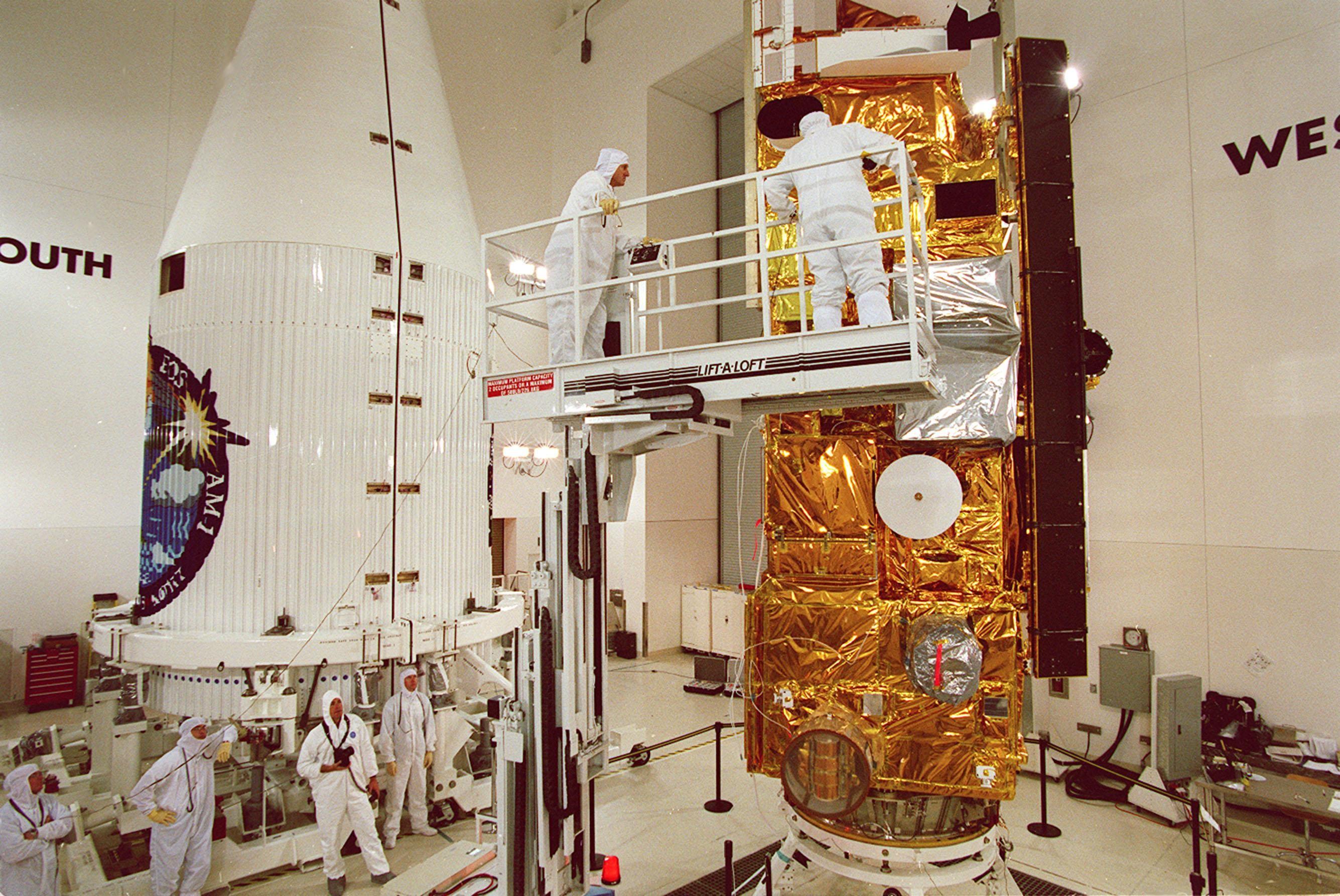
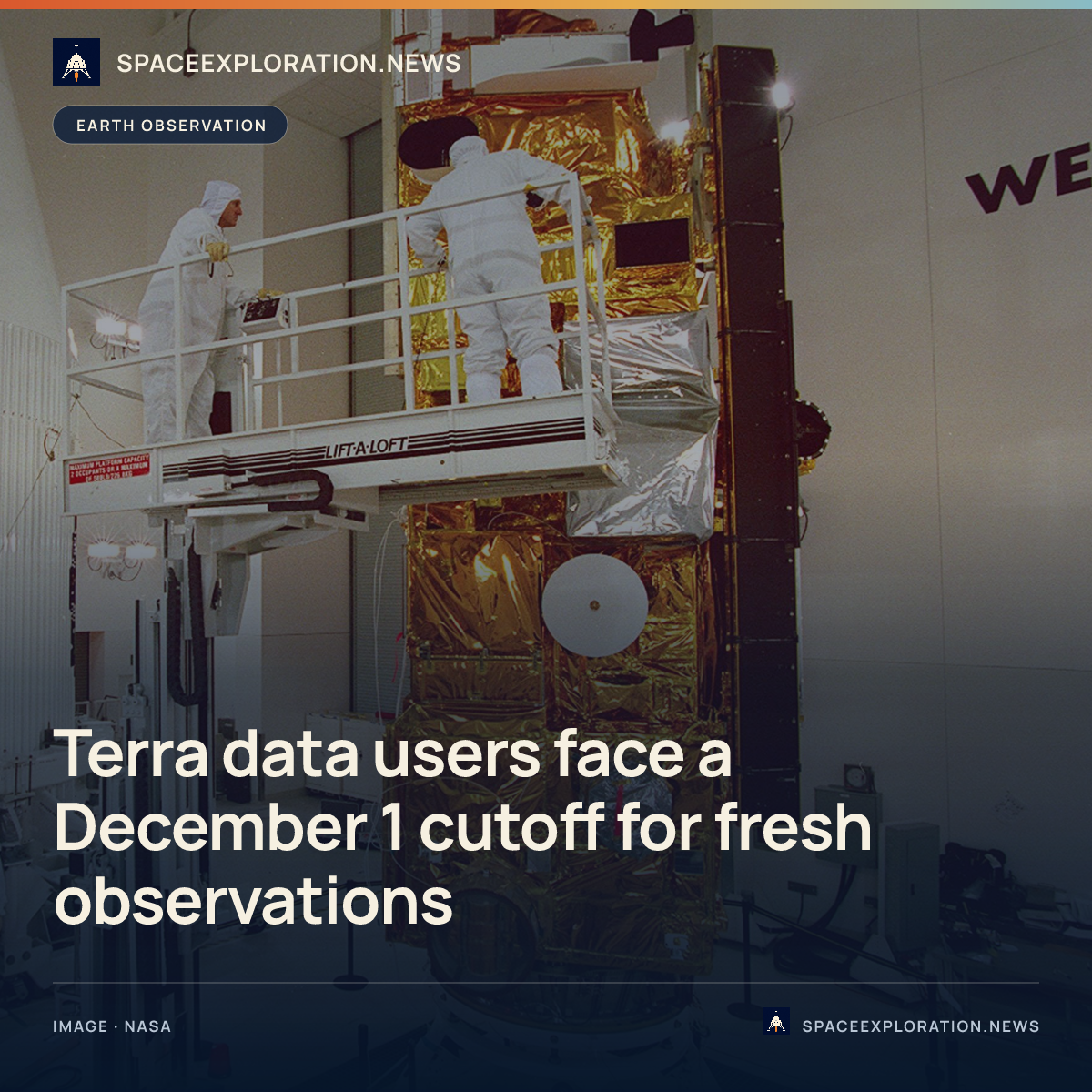
NASA plans to stop collecting science data from its Terra satellite on December 1, 2026, ending observations from a mission launched in December 1999. The agency announced the shutdown timetable on November 17 and said the mission’s existing data records would remain free and publicly available.
The National Snow and Ice Data Center followed with a November 18 notice setting December 1 as the cutoff for new Terra science-data deliveries to its NASA archive centre. It urged users who depend on updated observations to begin moving to alternative products. Terra’s instrument data are distributed through NASA Earthdata and several archive centres; the historical archive will remain accessible.
NASA attributed the retirement to ageing spacecraft systems and a drifting orbit. Terra was designed for six years of operations. During decommissioning, the team plans to use the remaining fuel to lower the satellite’s orbit before switching off all spacecraft systems in January 2027. Science collection therefore ends before the spacecraft is powered down.
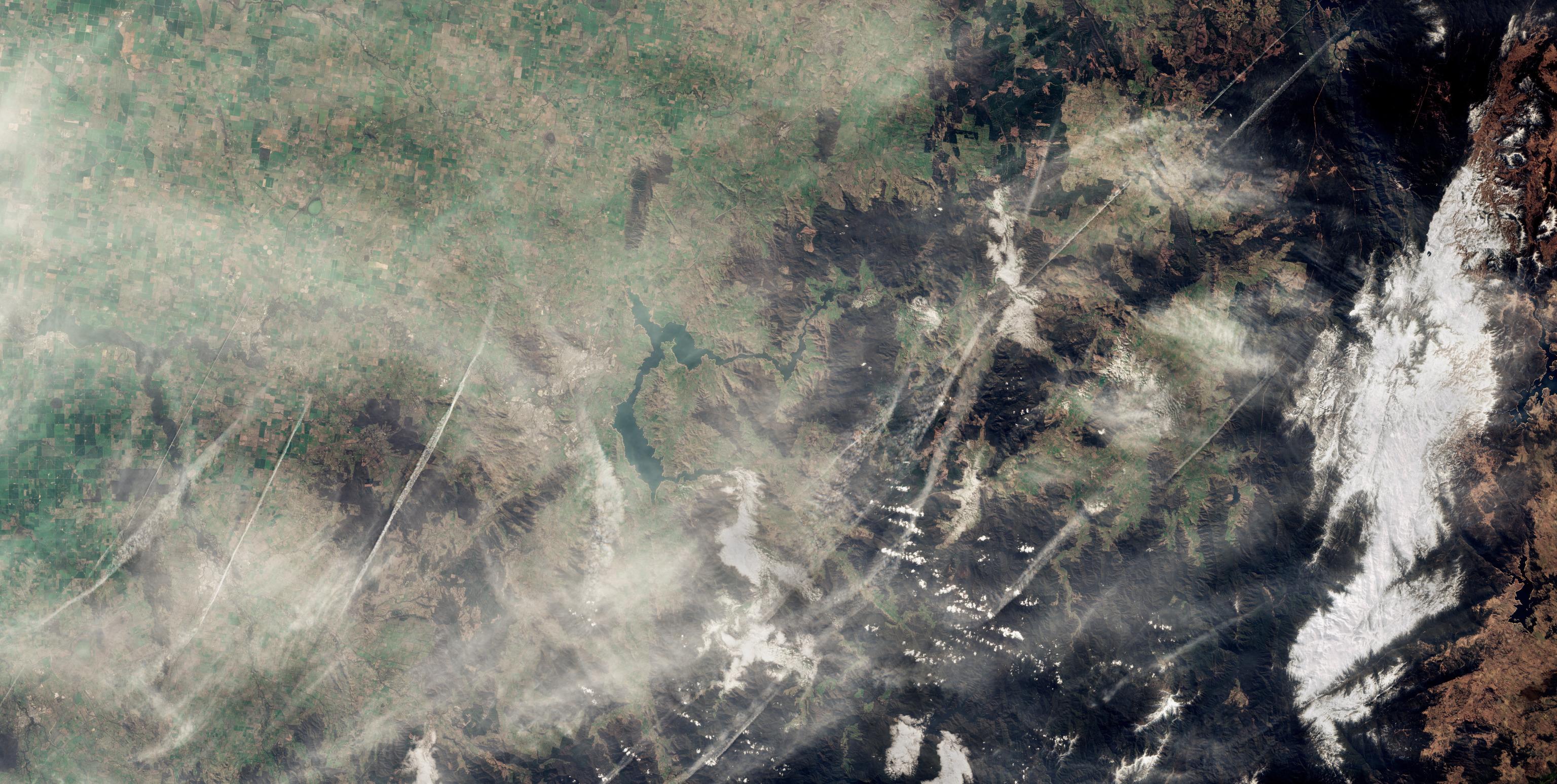
The mission’s reach extends across the globe. NASA’s instrument page describes Terra’s Moderate Resolution Imaging Spectroradiometer, or MODIS, as viewing every point on Earth every one to two days in 36 spectral bands. It monitors land-surface change almost daily around the world, and another MODIS instrument flies on the Aqua satellite.
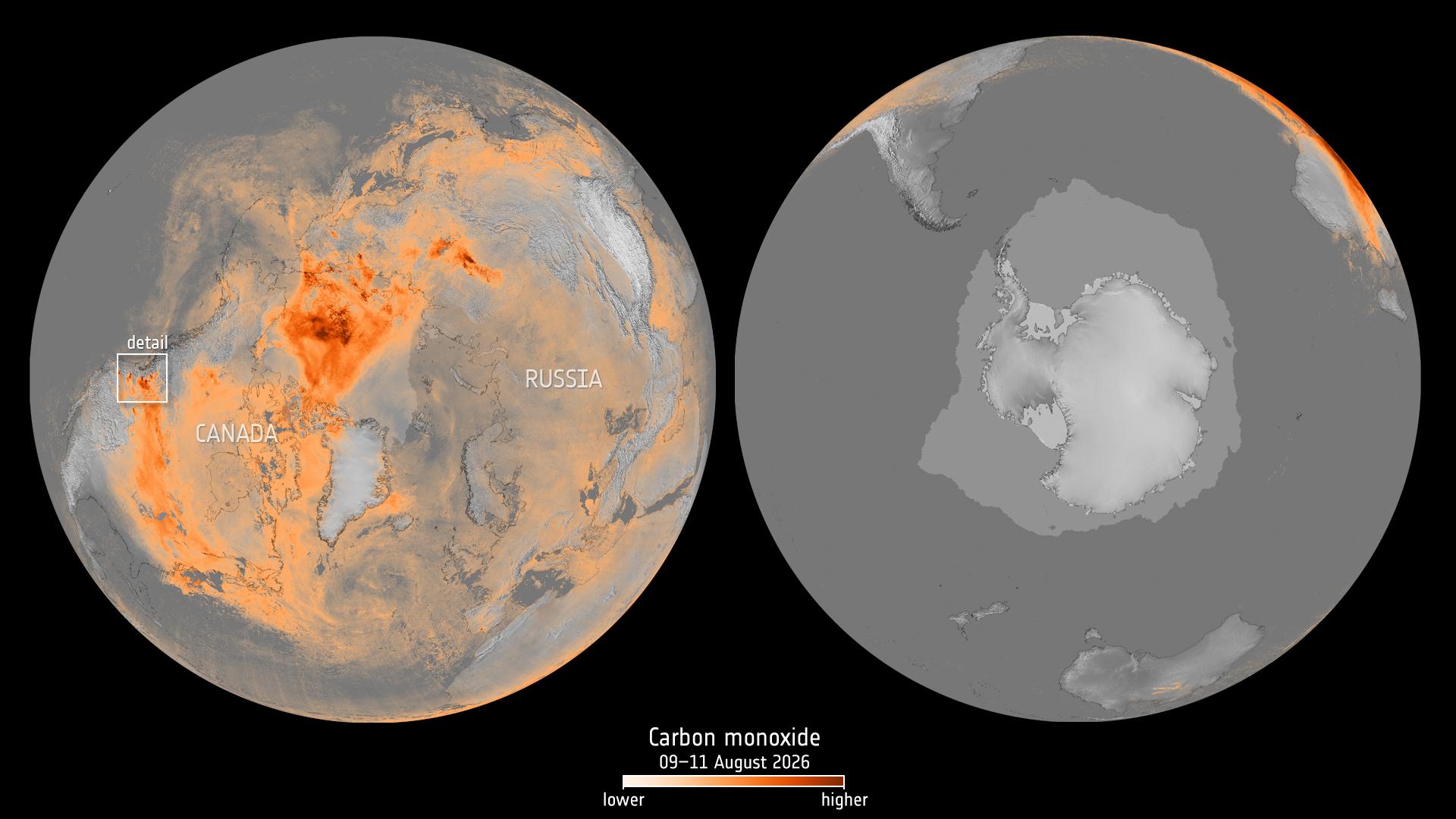
NASA’s retirement announcement describes Terra’s record of land-use change, wildfire behaviour, dust and smoke transport, atmospheric composition and ice cover. The agency said those observations have supported public-safety, agriculture and water-resource decisions. The end of fresh observations leaves that accumulated record available for further use.
In its November 18 notice, the snow and ice data centre said it was preparing transition-resource pages to help users identify alternatives, with links planned for the individual instrument pages on Earthdata. It recommended starting the transition before the December 1 cutoff so users have time to adapt their algorithms and workflows.
Reporting trail
Primary sources
For an image post, download the card and copy this suggested caption.
The spacecraft is due to power off in January 2027 after orbit lowering. NASA will keep its science archive public, while data users are being urged to move to alternatives. Read the full report: https://www.spaceexploration.in/news/terra-science-data-closure #SpaceExplorationNews #SpaceNews #SpaceScience