Satellite navigation
Assam releases report on GPS-tracked elephant movements
The Wildlife Week release documents a 2021–26 collar study; its satellite-navigation records are intended to guide habitat and conflict-management planning.
Add us as a preferred source on Google Add us as a preferred source on Google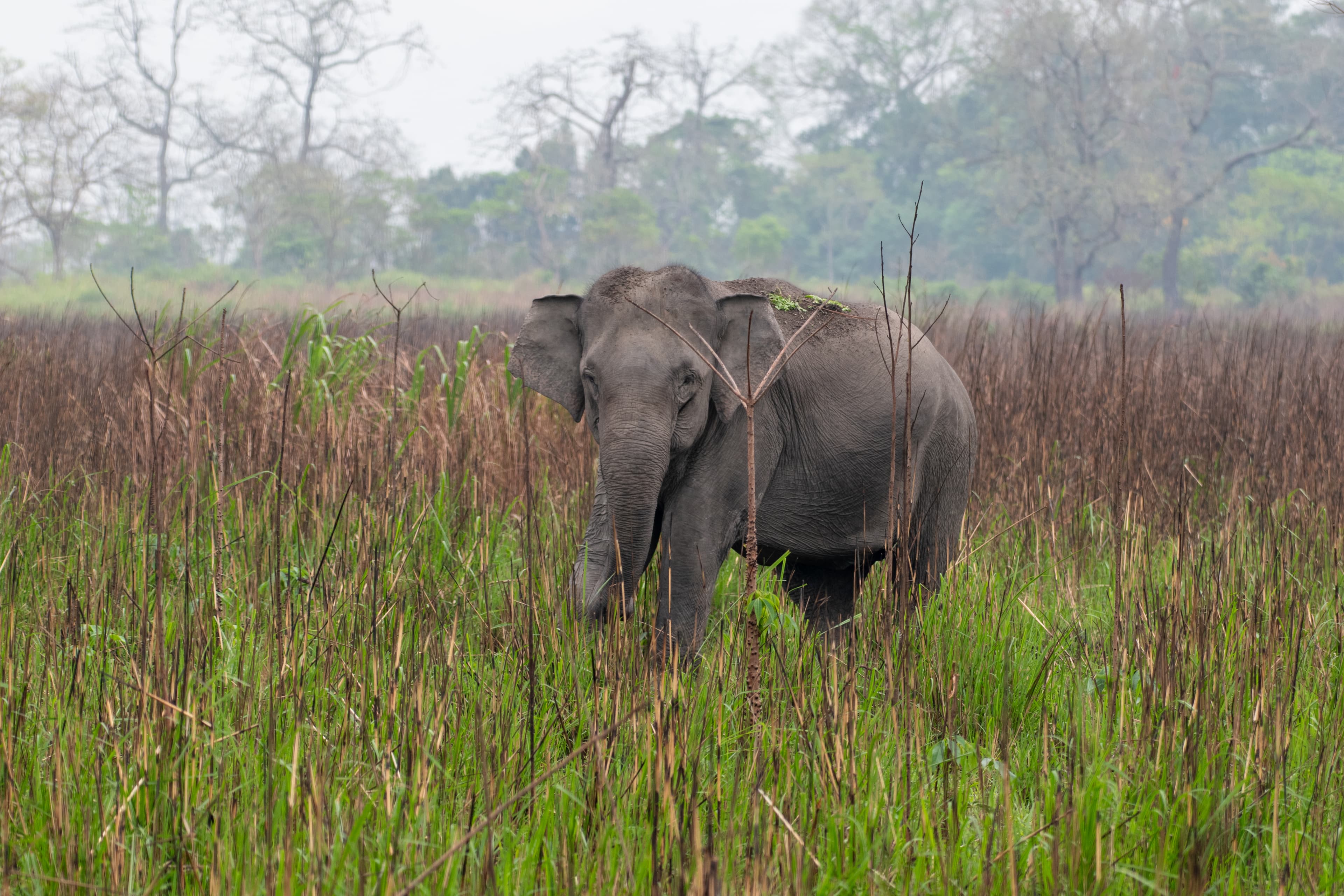
Assam has released Tracking the Giants, a report on elephant movements recorded with GPS collars, during Wildlife Week. The New Indian Express’s October 6 account identifies the Assam Forest Department and WWF-India as the study partners and forest minister Jayanta Mallabaruah as the official who released it.
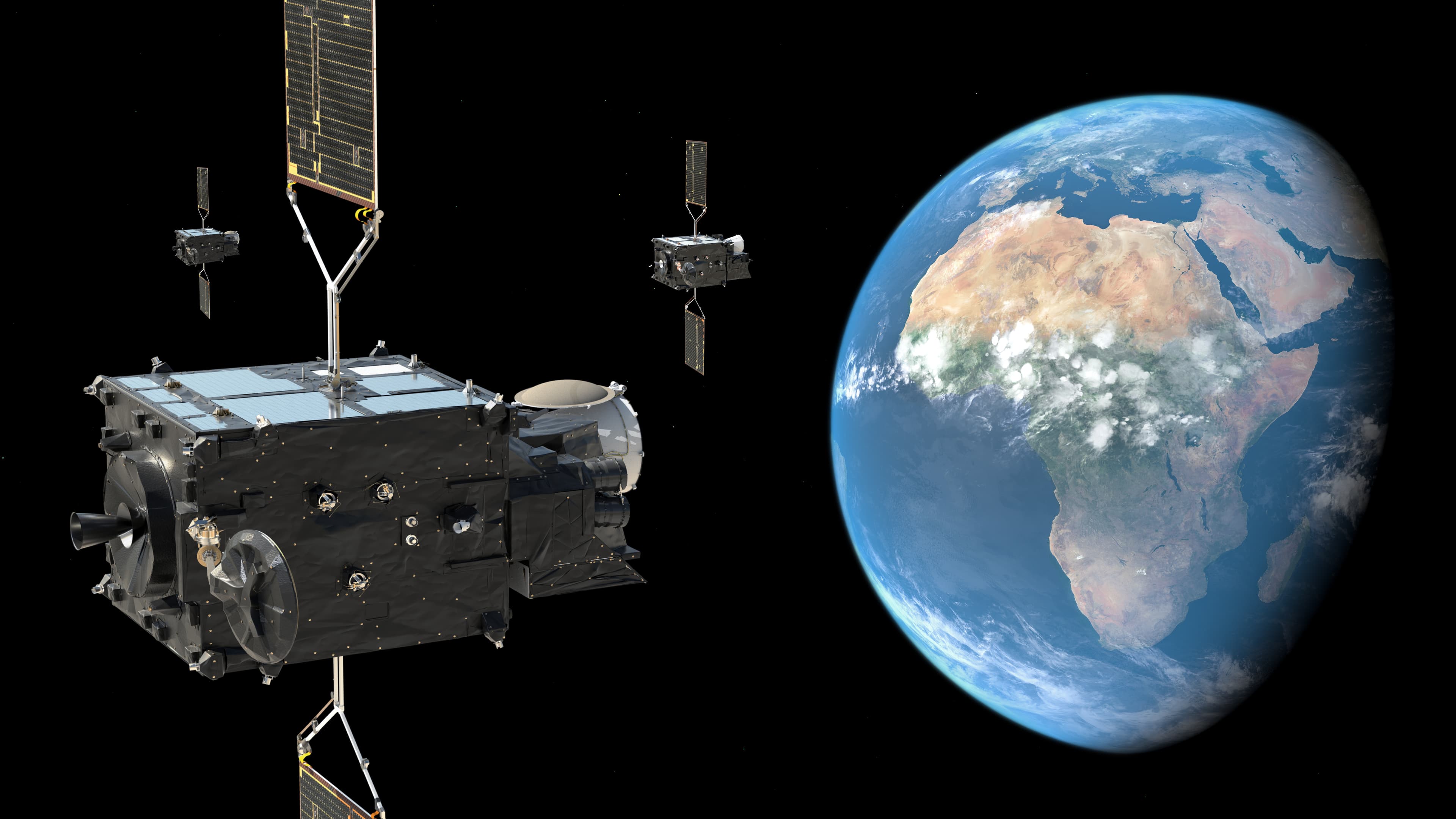
The study tracked four female-led herds and one solitary male in Udalguri, Sonitpur and Biswanath between 2021 and 2026, producing more than 38,000 GPS locations, according to that account. GPS receivers calculate their positions using radio signals from satellites, as described by NASA; here, those positions document animals’ movements on the ground.
Northeast Now’s October 6 report describes Sonai Rupai, Behali and Bornadi wildlife sanctuaries as important habitats for the collared animals. Tea plantations also served as routes and secondary habitats, while movement into crop fields changed with the seasons. These observations concern the tracked elephants and their herds, rather than a census of Assam’s entire elephant population.
The tracking programme predates this report release. WWF’s April 2, 2025 account recorded collaring beginning in 2021 and the fifth animal, a male, being collared in November 2024. It had already described seasonal movement through tea gardens, farmland and Brahmaputra grasslands. The current news is the formal report release, rather than the start of GPS tracking.
Mallabaruah described the report as a guide for conservation planning and wildlife-friendly infrastructure, according to The New Indian Express. Those are intended uses of the movement records; the release account does not establish that the study has already reduced human-elephant conflict.
Reporting trail
Primary sources
The New Indian ExpressFive-year GPS study tracks wild elephants’ movements across Assamnewindianexpress.com
Northeast NowGPS collars show Assam’s elephants are moving through tea gardens, farms and riverbedsm.nenow.in
WWFHow elephants navigate India’s changing landscapeworldwildlife.org
NASAGPSnasa.gov
For an image post, download the card and copy this suggested caption.
The Wildlife Week release documents a 2021–26 collar study; its satellite-navigation records are intended to guide habitat and conflict-management planning. Read the full report: https://www.spaceexploration.in/news/assam-gps-elephant-report-release #SpaceExplorationNews #SpaceNews #SpaceScience