Satellite navigation
ISRO releases NVS-03 first orbit-raising burn details
The agency records a 2,174.8-second engine firing and normal satellite health. Further manoeuvres are still planned before the spacecraft reaches its designated orbital slot.
Updated : New follow-up to the October31 launch report: adds ISRO’s newly documented first orbit-raising engine burn and its post-burn orbit estimate; final-slot arrival and navigation service remain unconfirmed.
Report a correction Add us as a preferred source on Google
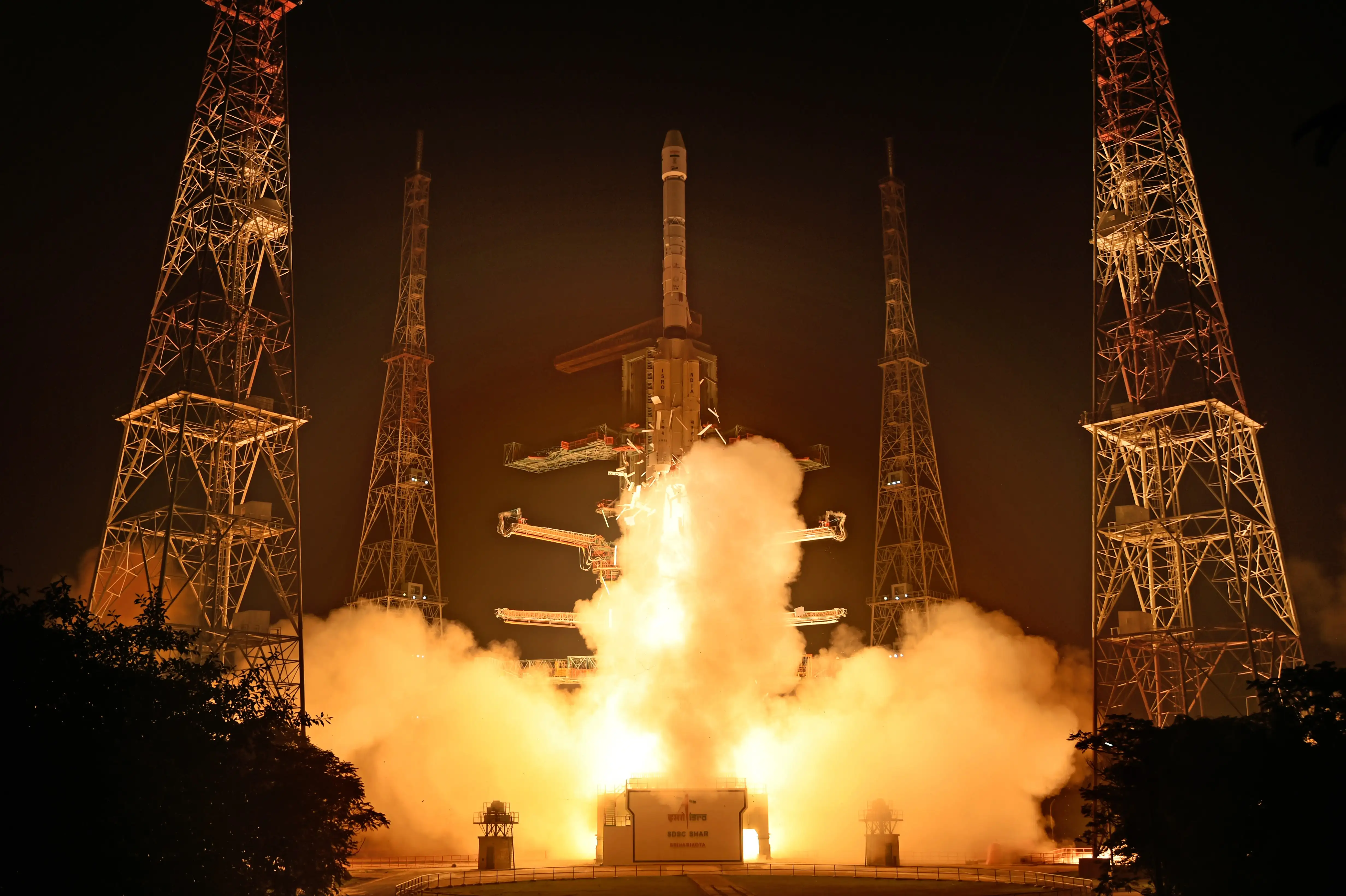
ISRO’s October 31, 2026 update records the completion of NVS-03’s first orbit-raising manoeuvre, with an estimated orbit of 5,477.6 by 37,833.4 kilometres. The agency described the Indian navigation satellite’s health as normal.
The spacecraft fired its liquid apogee motor for 2,174.8 seconds, according to ISRO. The Press Information Bureau’s November 1 mission factsheet also records the first manoeuvre, citing the space agency’s update.
ISRO gives the orbit immediately after the October 30 launch as 170.3 by 38,080 kilometres. Its post-burn estimate puts the closest approach to Earth at 5,477.6 kilometres, up from 170.3 kilometres at launch.
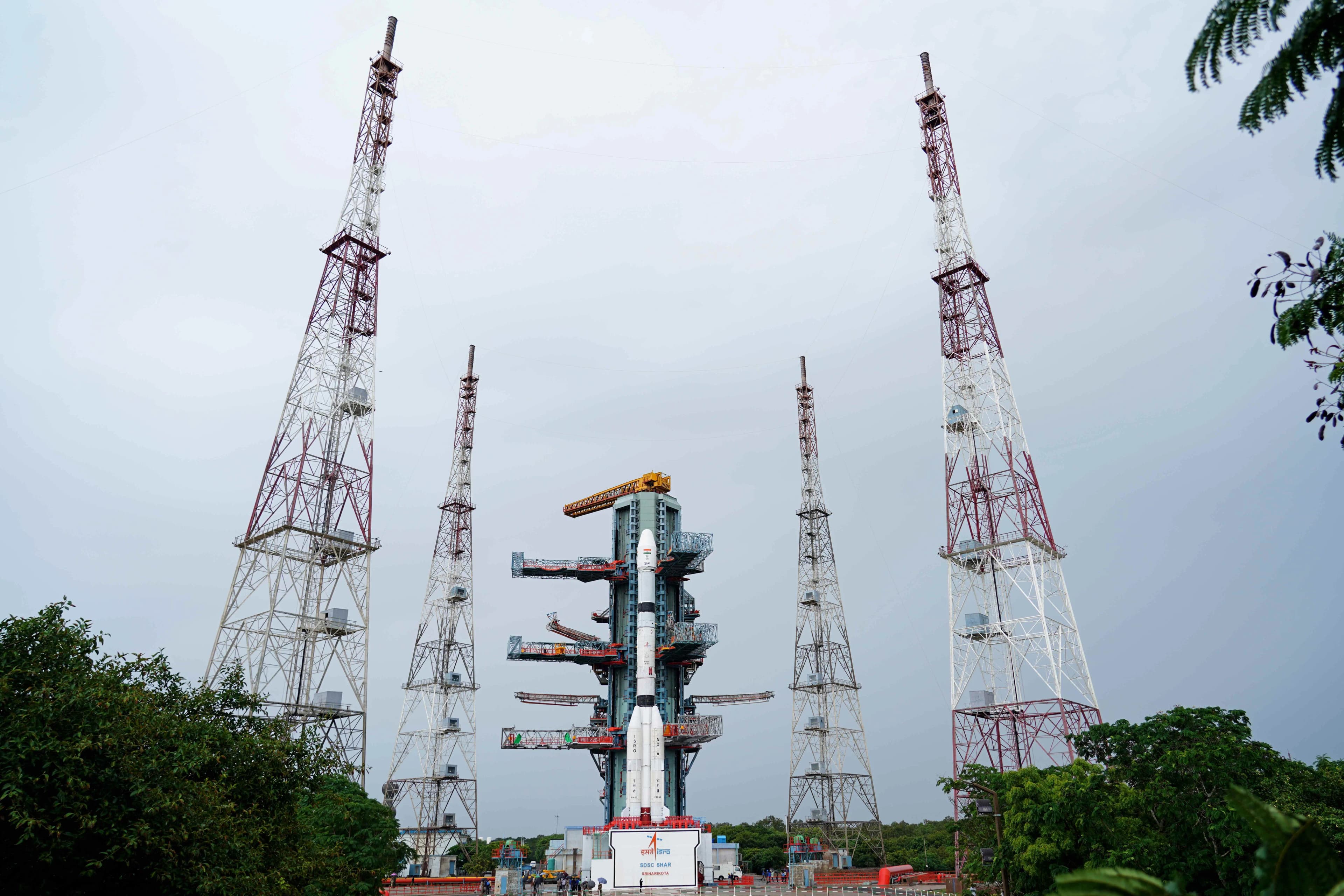
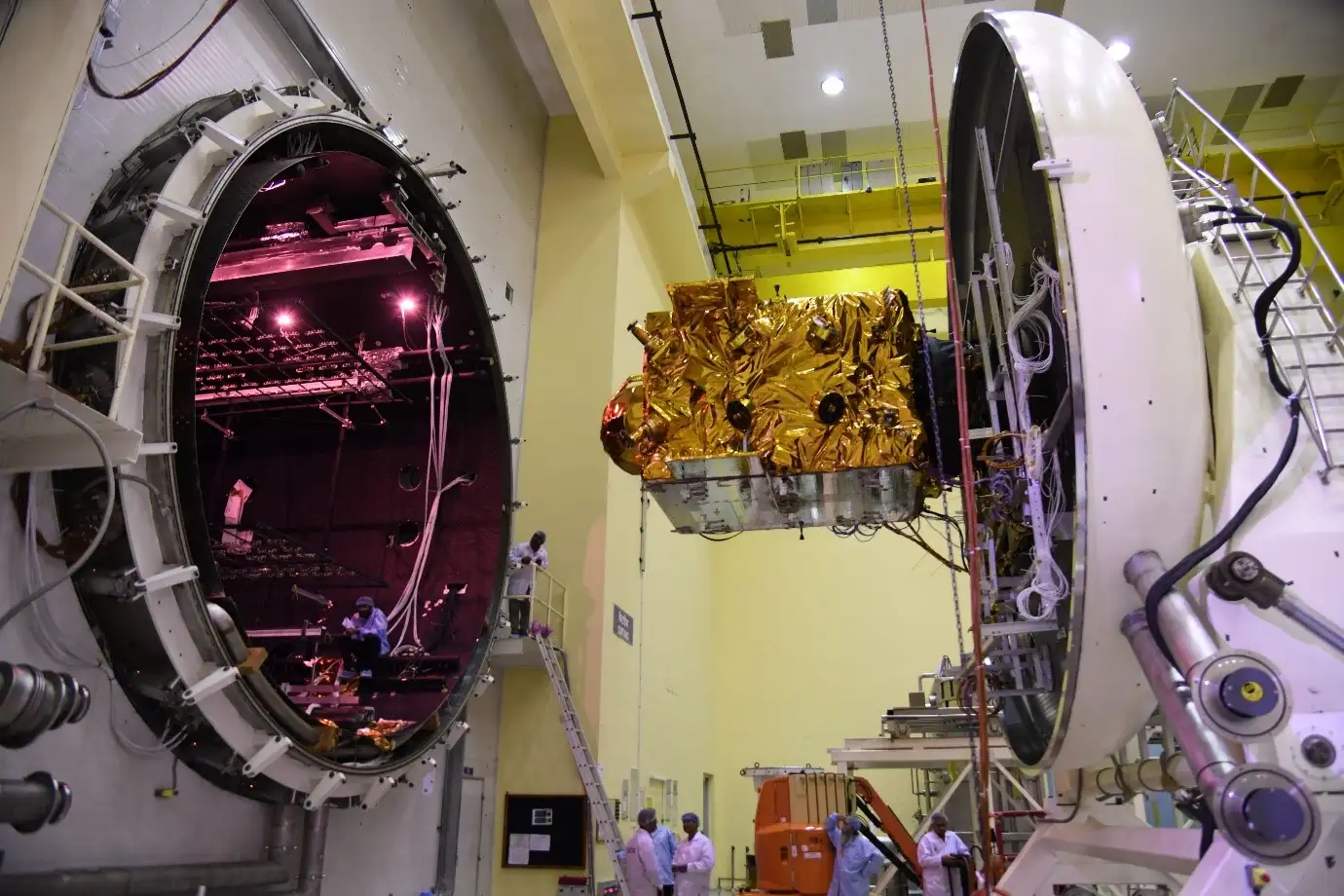
The burn adds a completed propulsion operation to our October 31 report, which covered launch and transfer-orbit placement. NVS-03 is the third satellite in India’s next-generation navigation series, intended to maintain navigation coverage over India and a region extending 1,500 kilometres beyond its boundary, ISRO states.
Further manoeuvres are planned to place NVS-03 in a geosynchronous orbital slot at 111.75° East, according to ISRO. Neither its October 31 update nor the November 1 government factsheet announces arrival at that slot or entry into navigation service.
Reporting trail
Primary sources
For an image post, download the card and copy this suggested caption.
The agency records a 2,174.8-second engine firing and normal satellite health. Further manoeuvres are still planned before the spacecraft reaches its designated orbital slot. Read the full report: https://www.spaceexploration.in/news/nvs03-first-orbit-manoeuvre #SpaceExplorationNews #SpaceNews #SpaceMissions