Life in orbit
Anil Menon compares orbital views at two playback speeds
His November 8 post pairs time-lapse aurora and night-orbit shots with unsped footage; the recording date and location are unspecified.
Add us as a preferred source on Google Add us as a preferred source on Google
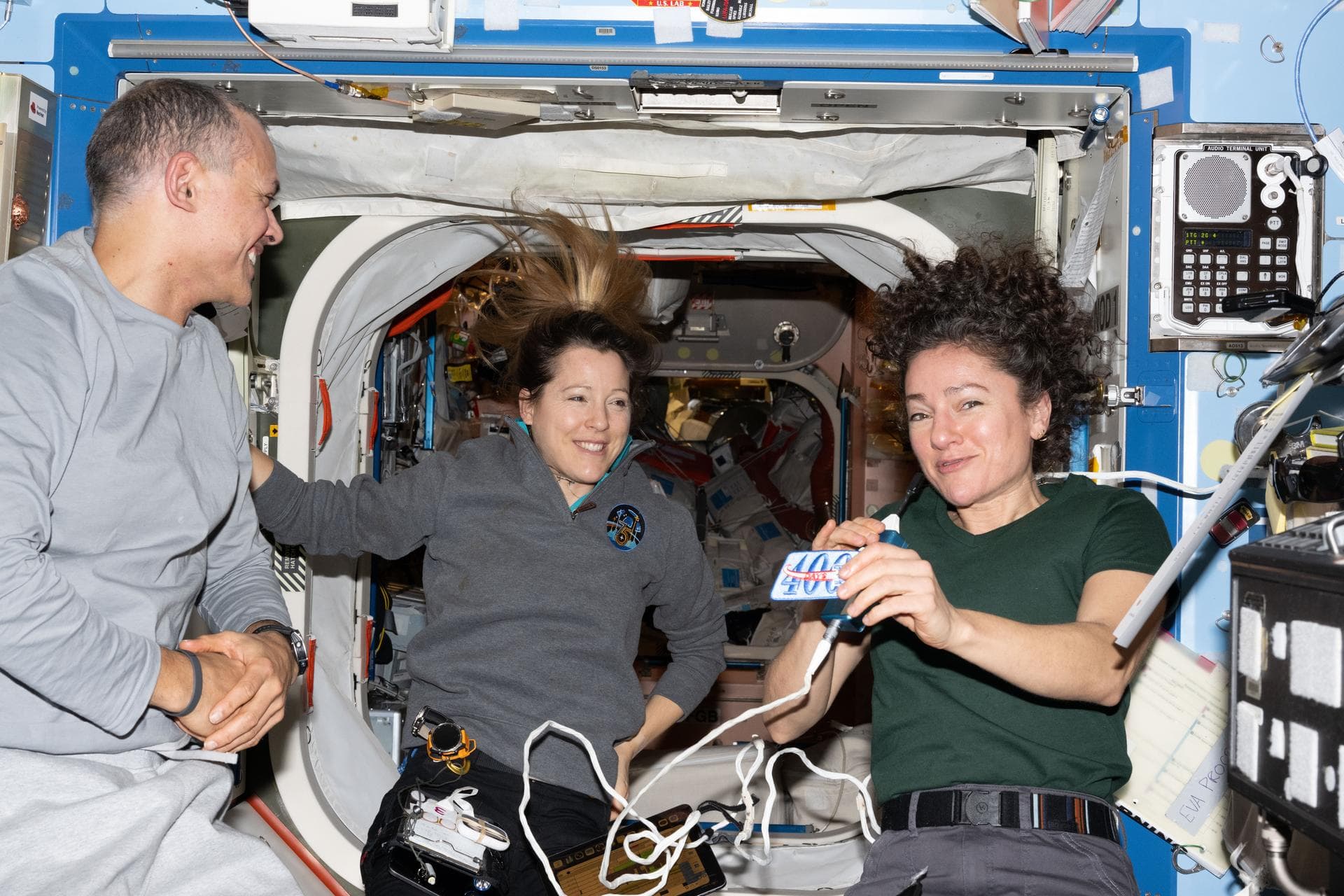
NASA astronaut Anil Menon released a video comparison of time-lapse aurora and night-orbit shots with real-time footage on November 8, 2026. His public X post describes the second view as footage that has not been sped up.
In the caption, Menon puts the spacecraft’s speed at 17,500 miles per hour even though the real-time view appears slower. That is his account of orbital speed, rather than a measurement of how quickly the aurora moves.
NASA’s biography identifies Menon as born and raised in Minneapolis to Indian and Ukrainian immigrants. The agency records his July 14, 2026 launch for an approximately eight-month mission aboard the International Space Station.
The original post does not give a separate recording date, geographic location or auroral-strength measurement. The November 8 timestamp dates the public release of the comparison.
Reporting trail
Primary sources

For an image post, download the card and copy this suggested caption.
His November 8 post pairs time-lapse aurora and night-orbit shots with unsped footage; the recording date and location are unspecified. Read the full report: https://www.spaceexploration.in/news/menon-aurora-orbit-video-comparison #SpaceExplorationNews #SpaceNews #SpaceScience