Space science
NASA details science pauses for two Mars missions
The November 19 update describes Perseverance radio faults and an Odyssey reaction-wheel problem. NASA’s end-November recovery targets remain conditional.
Add us as a preferred source on Google Add us as a preferred source on Google
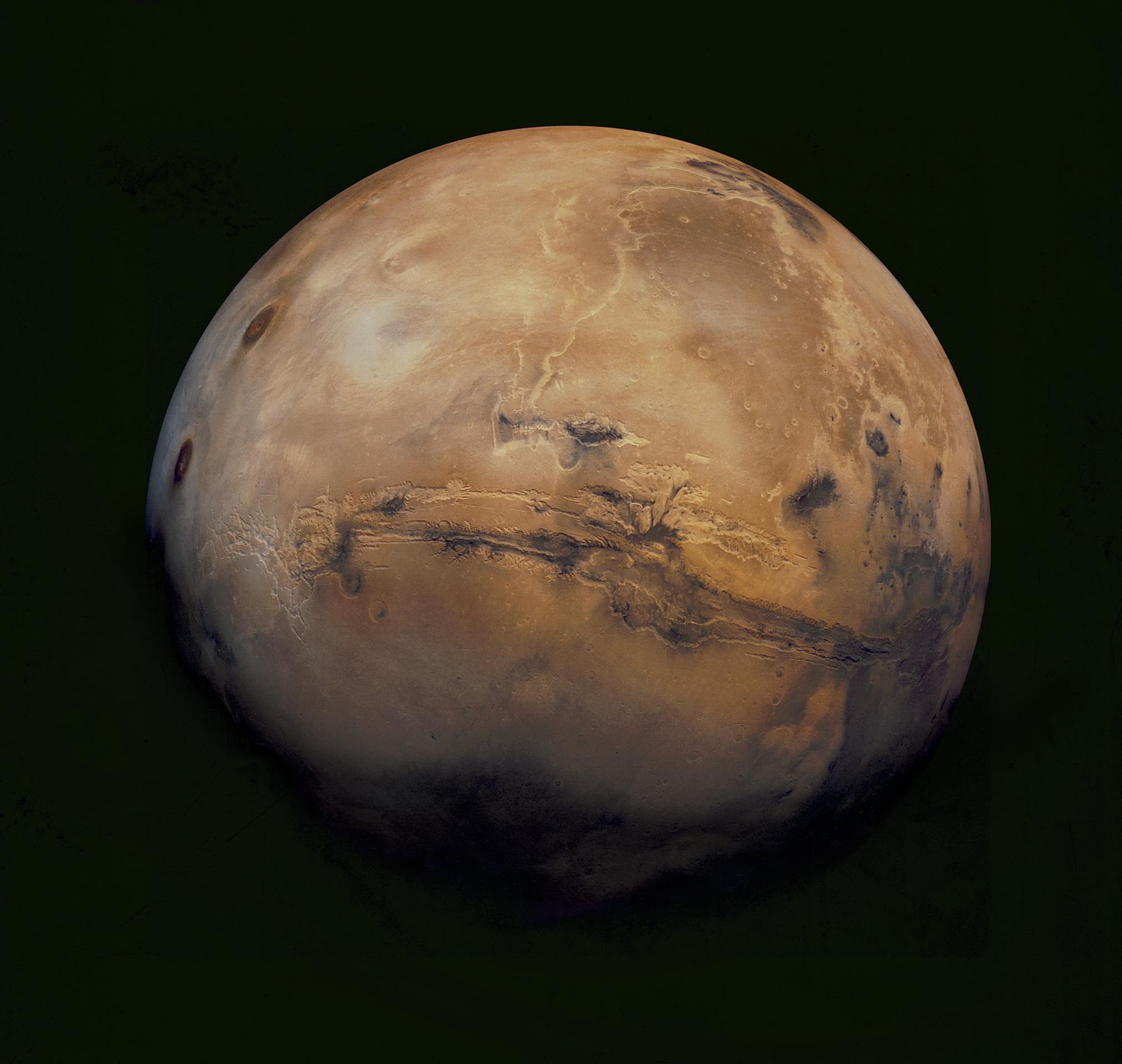
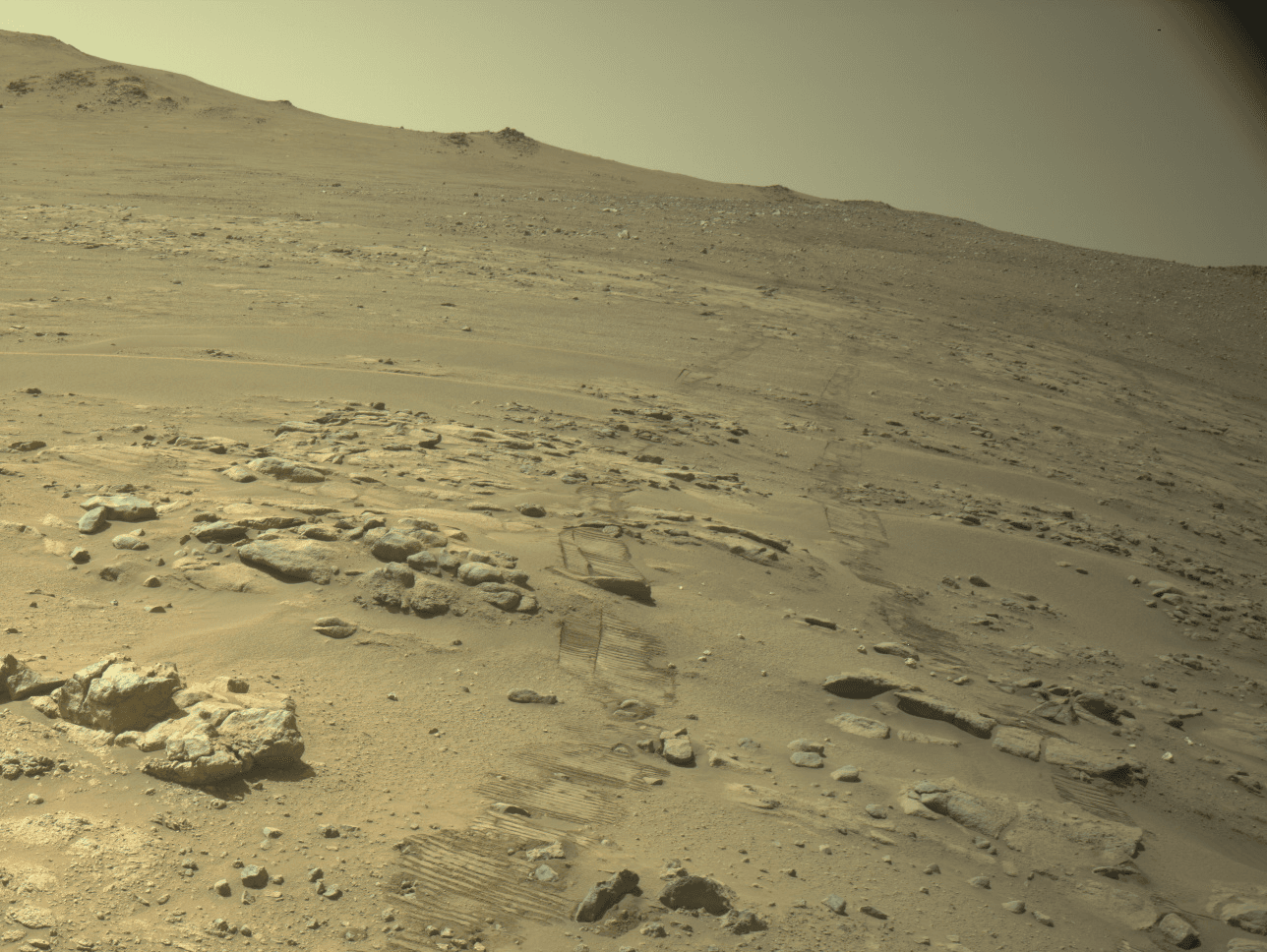
NASA published a status update on November 19, 2026, describing separate technical faults that have paused science on its Perseverance rover and Mars Odyssey orbiter. Both missions remain in contact with their teams.
Perseverance’s main ultra-high-frequency radio stopped sending routine signals to its computer on October 30, triggering a switch to its backup and protective safe mode. Engineers then found the backup transmitting at about half its expected power, NASA said. Both radios are now unused while the team investigates.
The rover is communicating directly with Earth through its high-gain antenna. That connection carries less data than the normal relay through Mars orbiters, so the team is reserving bandwidth for diagnostics and suspending new science images, according to NASA.
Odyssey entered safe mode between November 4 and 6 after a reaction wheel stopped spinning. The wheels control the spacecraft’s orientation. NASA’s Jet Propulsion Laboratory and spacecraft builder and operator Lockheed Martin are testing whether the wheel can recover; it moved during one commanded test.
Without recovery, Odyssey would need thrusters to maintain its orientation. NASA estimates enough hydrazine for one to two months in that mode. The agency’s goals are to resume Odyssey science and relay work in November’s final week and Perseverance science by month-end; neither recovery is confirmed.
Reporting trail
Primary sources
For an image post, download the card and copy this suggested caption.
The November 19 update describes Perseverance radio faults and an Odyssey reaction-wheel problem. NASA’s end-November recovery targets remain conditional. Read the full report: https://www.spaceexploration.in/news/nasa-mars-science-pauses #SpaceExplorationNews #SpaceNews #SpaceScience