Earth observation
FLEX and Sentinel-3C launch together on Vega-C
The two Earth-observation satellites established ground contact after their September 15 launch; Sentinel-3C must complete commissioning before adding to Copernicus's worldwide data service.
Add us as a preferred source on Google Add us as a preferred source on Google
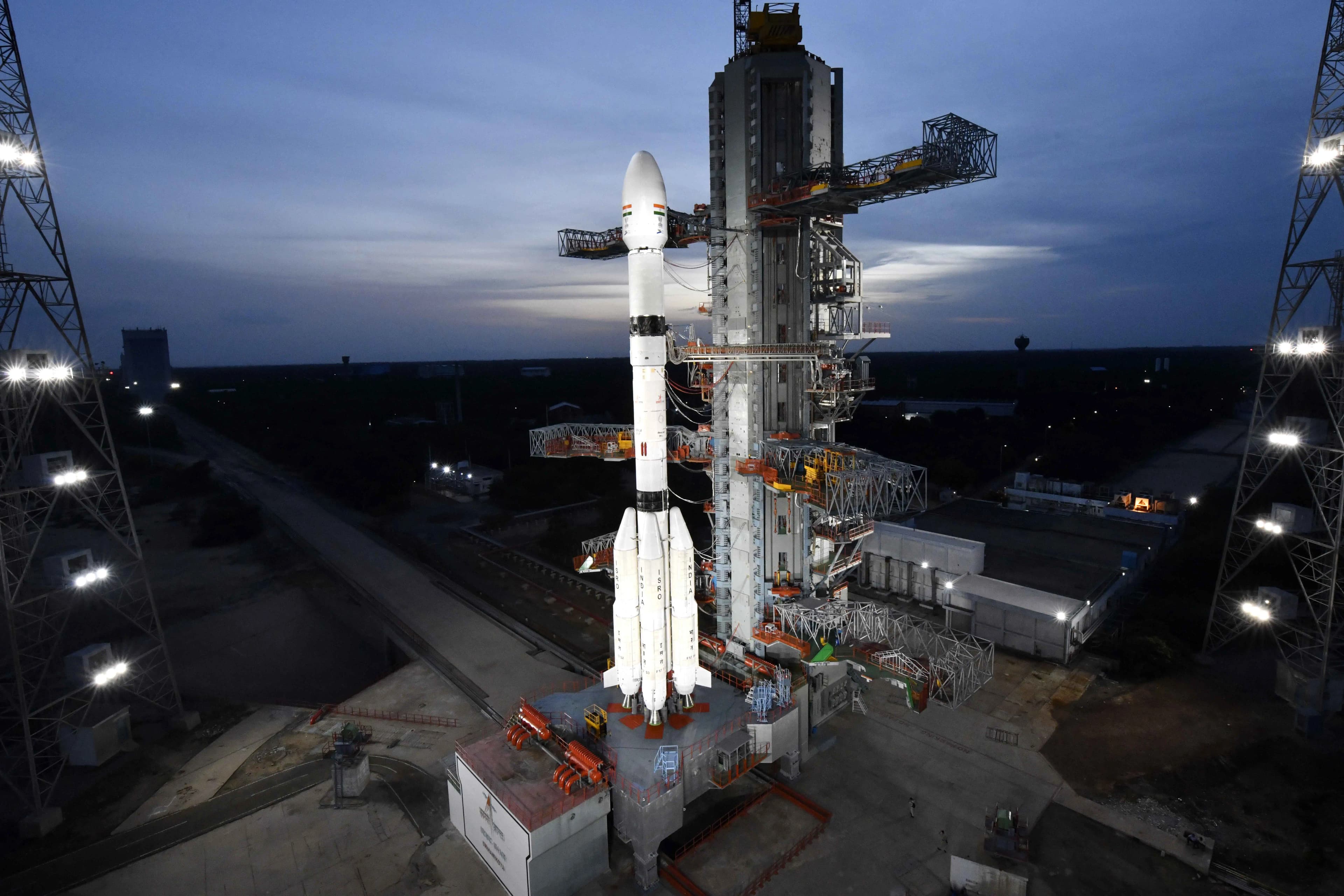
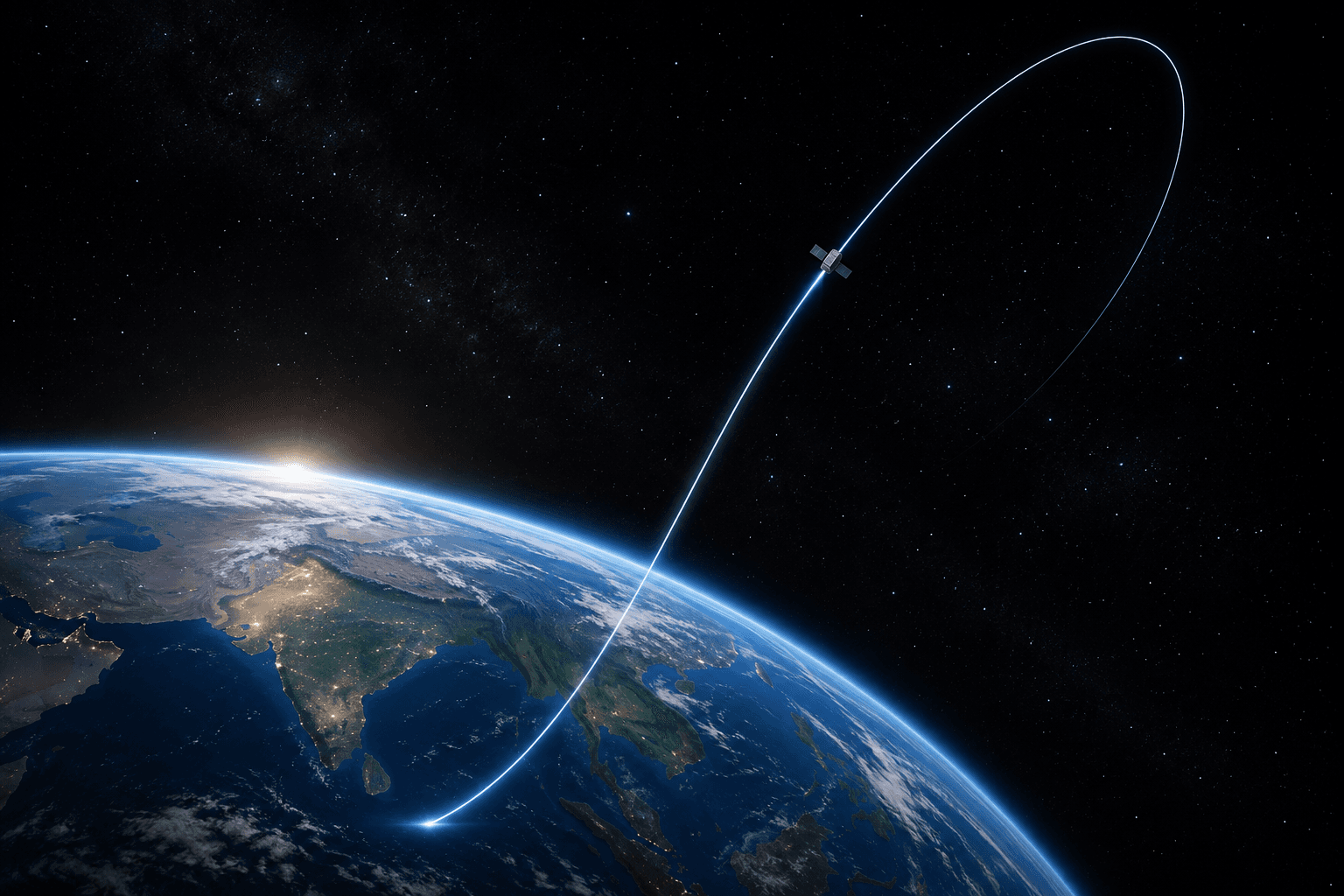
ESA and the European Commission said FLEX and Copernicus Sentinel-3C launched together on a Vega-C rocket from Kourou, French Guiana, at 03:21 CEST on September 15. ESA said Sentinel-3C was released first from the new Vespa launch adapter, with FLEX following about an hour later; ground stations then received first signals from both satellites. The paired launch starts their launch-and-early-orbit phase, rather than regular science operations.
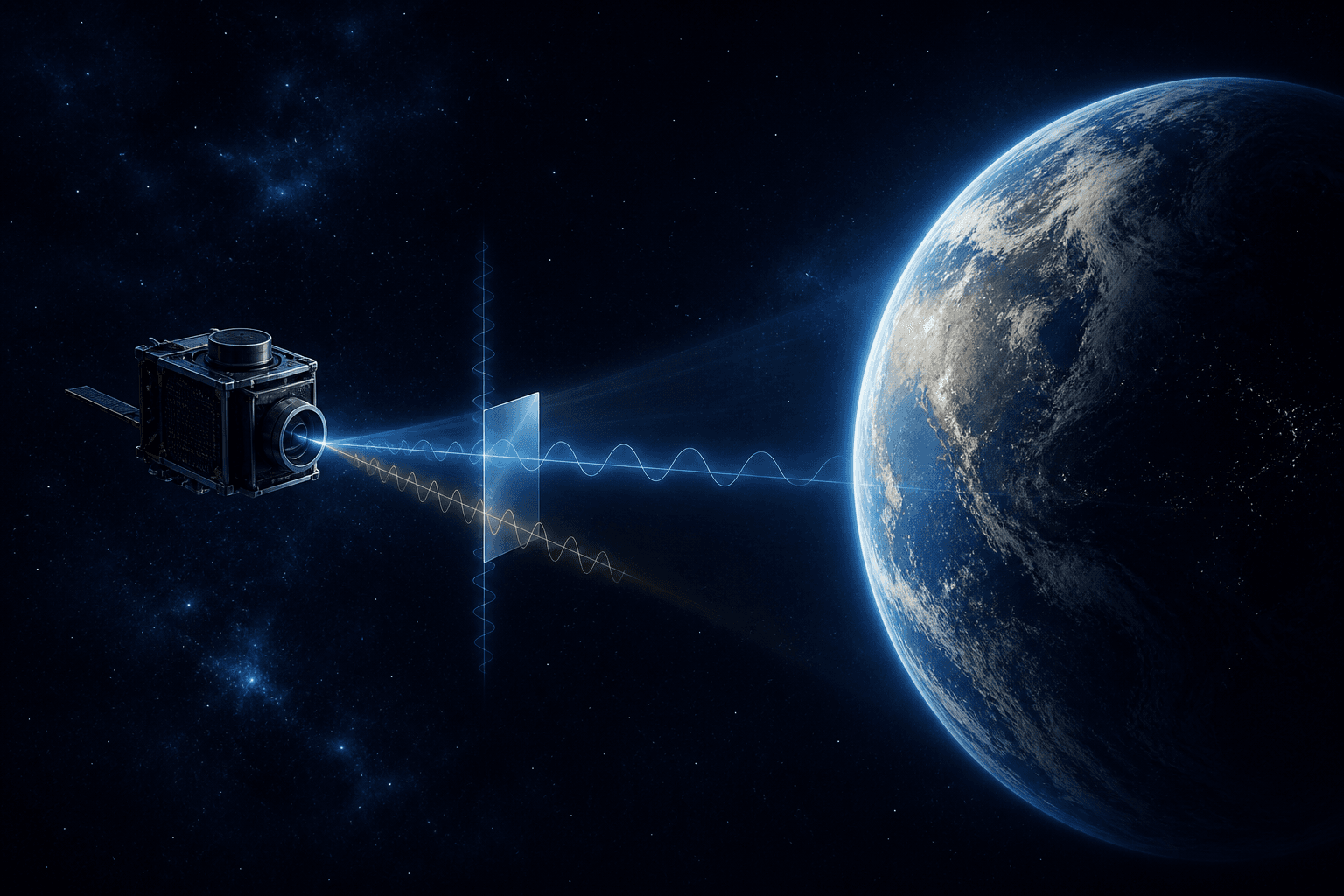
FLEX is ESA's first satellite designed to measure the faint fluorescence plants emit during photosynthesis. ESA says the measurements are intended to help assess plant health, ecosystem productivity and environmental stress. In its initial configuration, FLEX will fly in tandem with Sentinel-3A so that its fluorescence observations can be combined with near-simultaneous data on clouds, aerosols, water vapour, land-surface temperature and vegetation conditions.
Sentinel-3C's continuity role remains ahead
Sentinel-3C is the third satellite in the Sentinel-3 series. ESA says its instruments will observe oceans, land, ice and the atmosphere, including ocean and land-surface temperature, ocean colour, sea and ice conditions, vegetation and inland-water levels. The European Commission says the satellite is intended to preserve continuity in the Sentinel-3 record and, once operational, to work with the other Sentinel-3 spacecraft.
That continuity has a documented worldwide reach, but it is not yet in service. The Commission says Copernicus data from Sentinel-3C will be freely available to public and private users around the world and can support activities such as weather forecasting, agriculture, water management, marine safety and climate monitoring. Before that, the satellite will undergo several months of commissioning and calibration. ESA says Eumetsat will take routine spacecraft operations after commissioning, while ESA will deliver the land, cryosphere, inland-water and offline atmospheric products.
The two spacecraft now face health checks and instrument verification, according to ESA. The agency says Sentinel-3C will later move into the tandem arrangement that FLEX initially shares with Sentinel-3A. The next operational evidence will be the end of commissioning and the start of routine data delivery; neither ESA nor the Commission reported those steps as complete on September 15.
Reporting trail