Missions
NASA plans separate lunar routes for Starship and Blue Moon
SpaceX would push Orion from Earth orbit to the Moon; Blue Origin would use transfer stages. NASA’s October 23 disclosure sets out plans still awaiting flight demonstrations.
Add us as a preferred source on Google Add us as a preferred source on Google
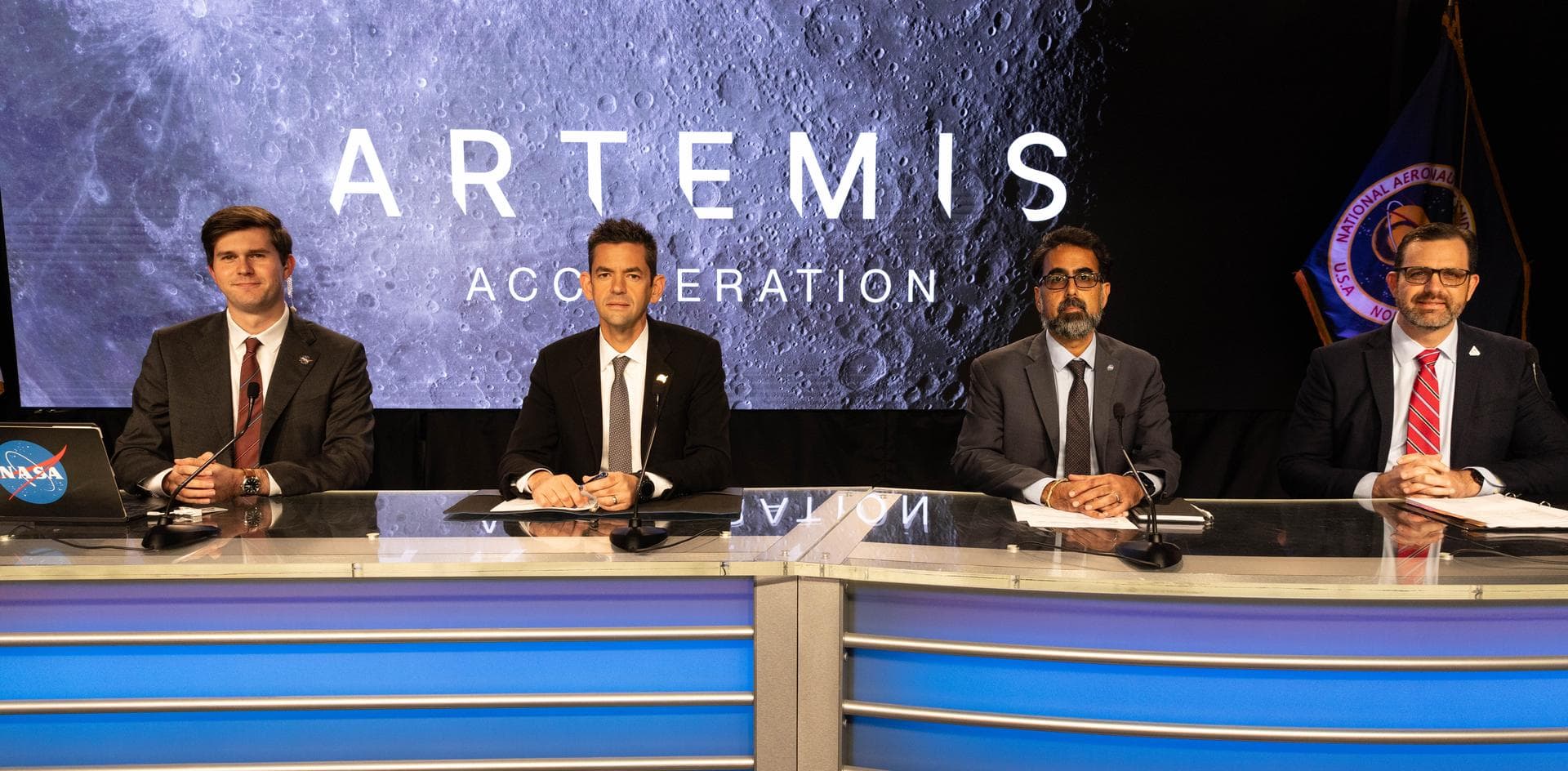
NASA plans different routes to the Moon for SpaceX’s Starship and Blue Origin’s Blue Moon landers, replacing the shared rendezvous orbit in its earlier architecture. The agency detailed the changes on October 23 as it continued targeting crewed lunar landings in 2028.
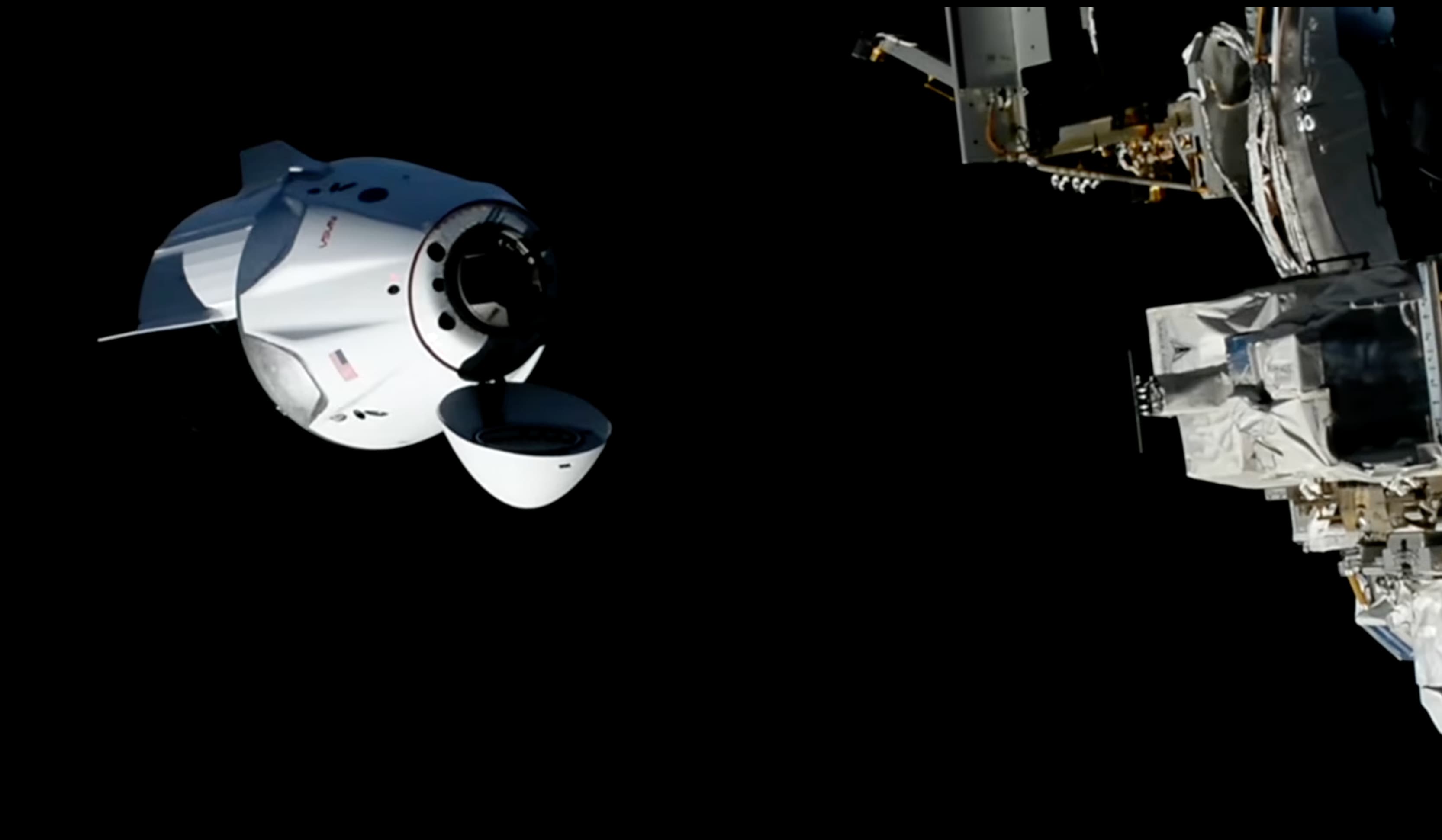
Under the revised SpaceX plan, Starship would refuel in Earth orbit, dock with the crewed Orion spacecraft there and propel both vehicles to low lunar orbit, NASA said. Orion requires modifications for that transfer. Two astronauts would then descend in Starship and return to Orion after their surface stay.
Blue Origin would postpone propellant transfer for its accelerated landing mission. Instead, three transfer stages would take Blue Moon’s Mark 2 lander towards the Moon, separating as they exhaust their propellant. NASA’s plan puts the rendezvous with Orion in an elliptical polar lunar orbit.
Both approaches replace the previously planned near-rectilinear halo orbit. NASA attributes the changes to reducing lander propellant requirements and shortening the return from the surface to Orion. The agency will choose the first landing provider based on readiness; neither company is assigned a specific lunar-landing mission under the realigned contracts.
A separate NASA account published October 23 describes the rehearsal before those landings: Artemis III, a planned 14-day mission in Earth orbit in 2027. Blue Moon’s test vehicle would launch first, followed by Orion after controllers confirm that the lander is healthy.
Astronauts would enter the Blue Moon Mark 2 test article during roughly two days of docked operations to assess its cabin, controls and life-support systems. A Starship test article would launch later. Orion would dock with it for up to two hours, but the crew would not enter Starship, NASA said.
The two encounters would test different docking arrangements: a port beside Blue Moon’s cabin and a docking system at Starship’s nose. After the Starship demonstration, Orion could remain in orbit for up to five additional days for tests before preparing to return, according to NASA.
The disclosure describes work ahead. NASA dates the contract changes to earlier in 2026, rather than announcing a new award on October 23. Both providers must complete uncrewed lunar-landing demonstrations before carrying crews, and NASA must certify their lander systems. SpacePolicyOnline’s briefing report also identifies propellant transfer and the uncrewed landings as tests still to come.
Reporting trail
Primary sources
NASANASA, Partners Accelerate Lander Development for 2028 Moon Missionsnasa.gov
NASANASA’s Artemis III Mission to Test Future Moon Lander Operationsnasa.gov
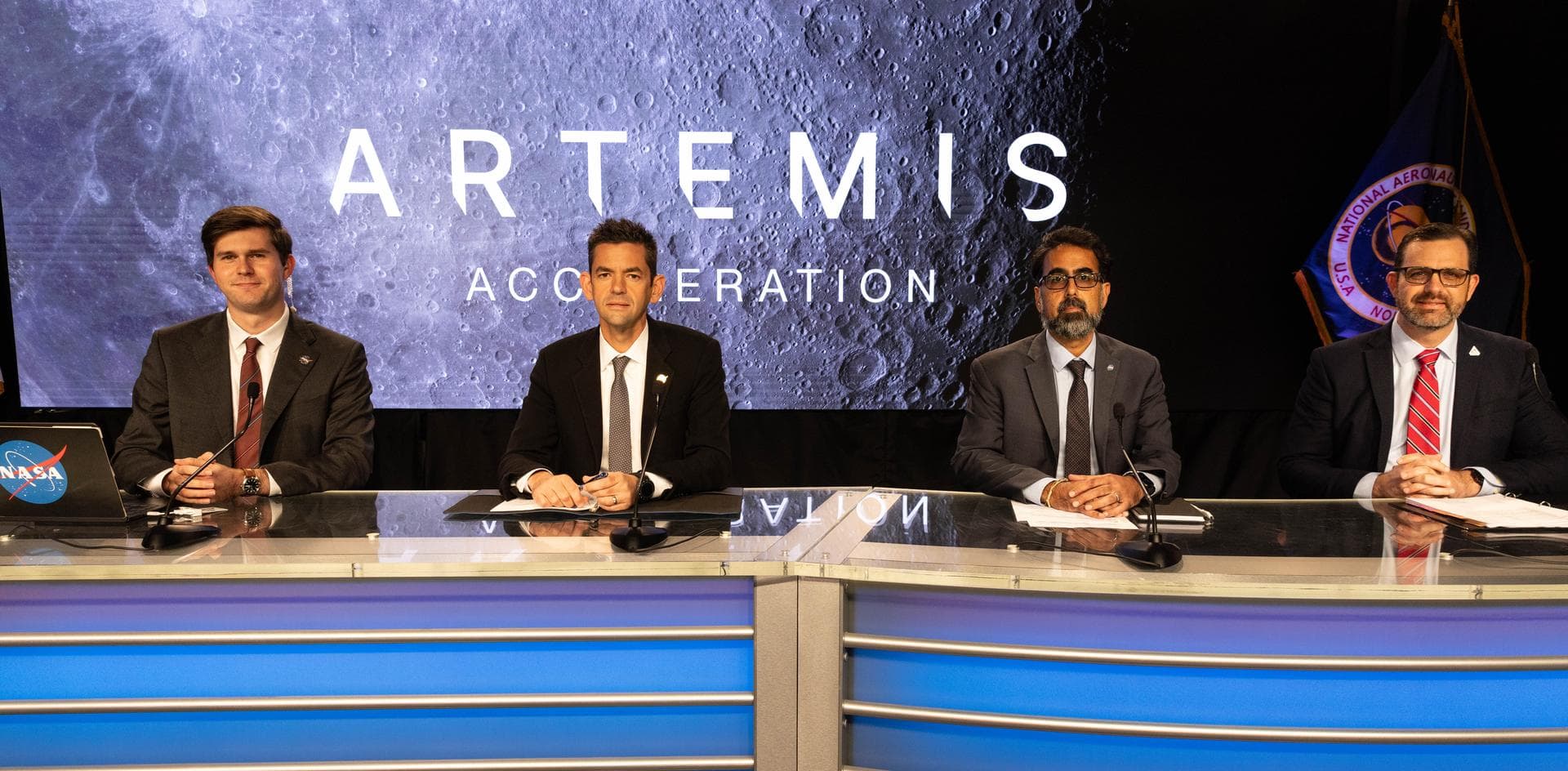
NASANASA Shares Artemis Acceleration Plans for Moon Missionsnasa.gov
SpacePolicyOnline.comNASA is Full Steam Ahead on Artemis III, IV and Vspacepolicyonline.com
For an image post, download the card and copy this suggested caption.
SpaceX would push Orion from Earth orbit to the Moon; Blue Origin would use transfer stages. NASA’s October 23 disclosure sets out plans still awaiting flight demonstrations. Read the full report: https://www.spaceexploration.in/news/artemis-lander-architecture-update #SpaceExplorationNews #SpaceNews #SpaceMissions