Space observatories
Roman’s Wide Field Instrument activates during commissioning
NASA’s September 15 update says Roman’s primary infrared camera has begun checkout and its Coronagraph Instrument has passed an initial systems test; neither step starts science operations.
Updated : Update, September 17, 2026: Adds Wide Field Instrument activation and the Coronagraph Instrument’s initial checkout to this site’s September 2 Roman commissioning coverage.
Report a correction Add us as a preferred source on Google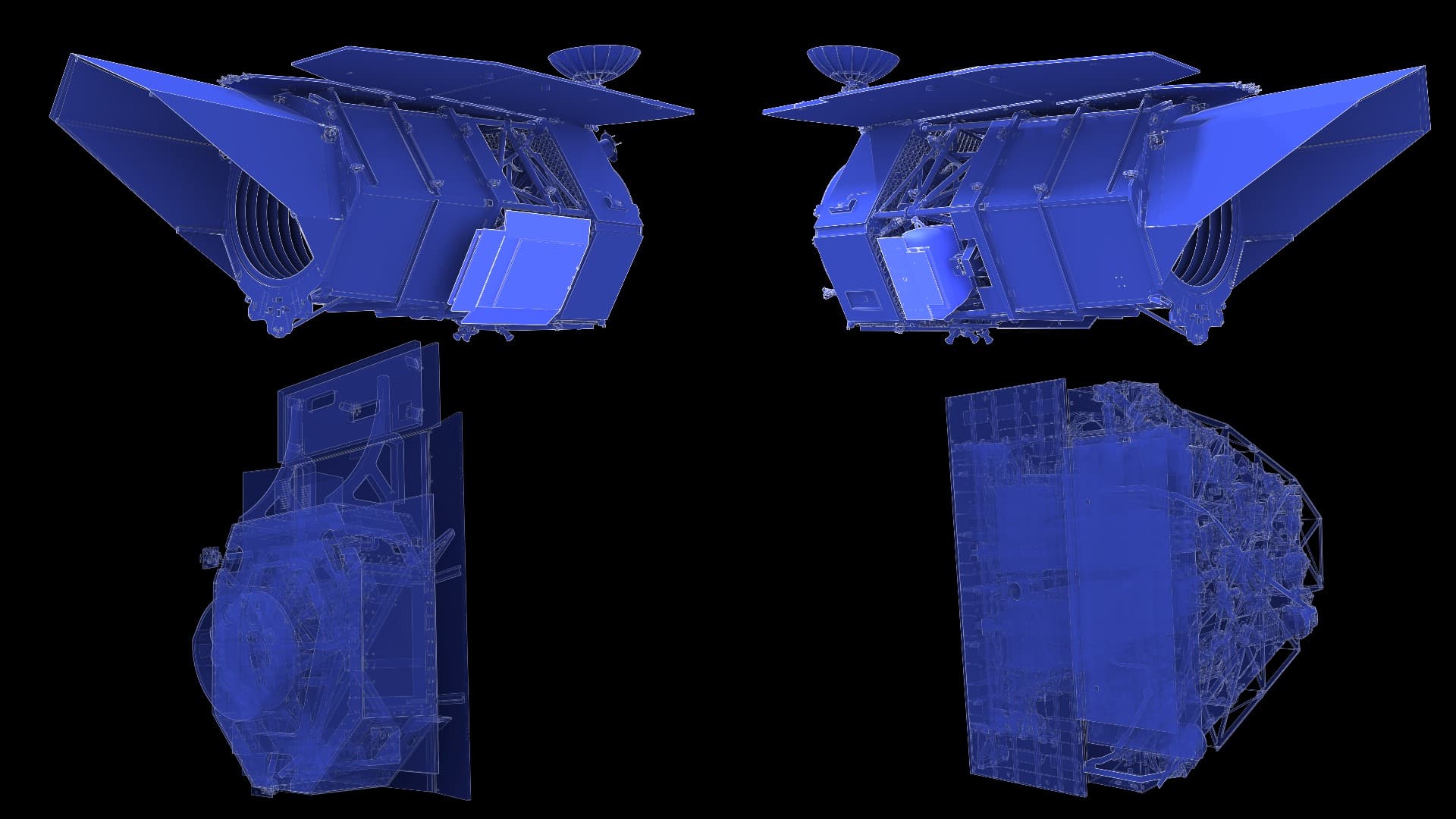
NASA reported on September 15 that the Nancy Grace Roman Space Telescope’s Wide Field Instrument has been activated as the observatory continues commissioning. India Today reported the next day that the 300-megapixel infrared camera, Roman’s primary science instrument, had opened for its initial tests and that engineers had also completed first major checks of the Coronagraph Instrument. The activity is a systems checkout, not the start of science operations.
NASA says the Wide Field Instrument’s 18 infrared detectors were activated after the team cooled them, then used its calibration system to begin sending test data to engineers on the ground. The agency says teams also exercised the element wheel, which carries filters, prisms and other optics, and checked the focus mechanism. NASA describes the camera as able to capture a patch of sky larger than the apparent full Moon in a single image, but that planned survey capability is not yet a science result.
A first test image, not first science
NASA published a test image made with the detector array still stowed in its launch configuration and far from best focus. The agency says it gives the team a baseline for aligning the telescope’s optics and tuning focus; it plans to activate the fine-guidance system so Roman can lock onto targets. NASA continues to target early 2027 for the release of first science images, which it says will be sharper than the current test view.
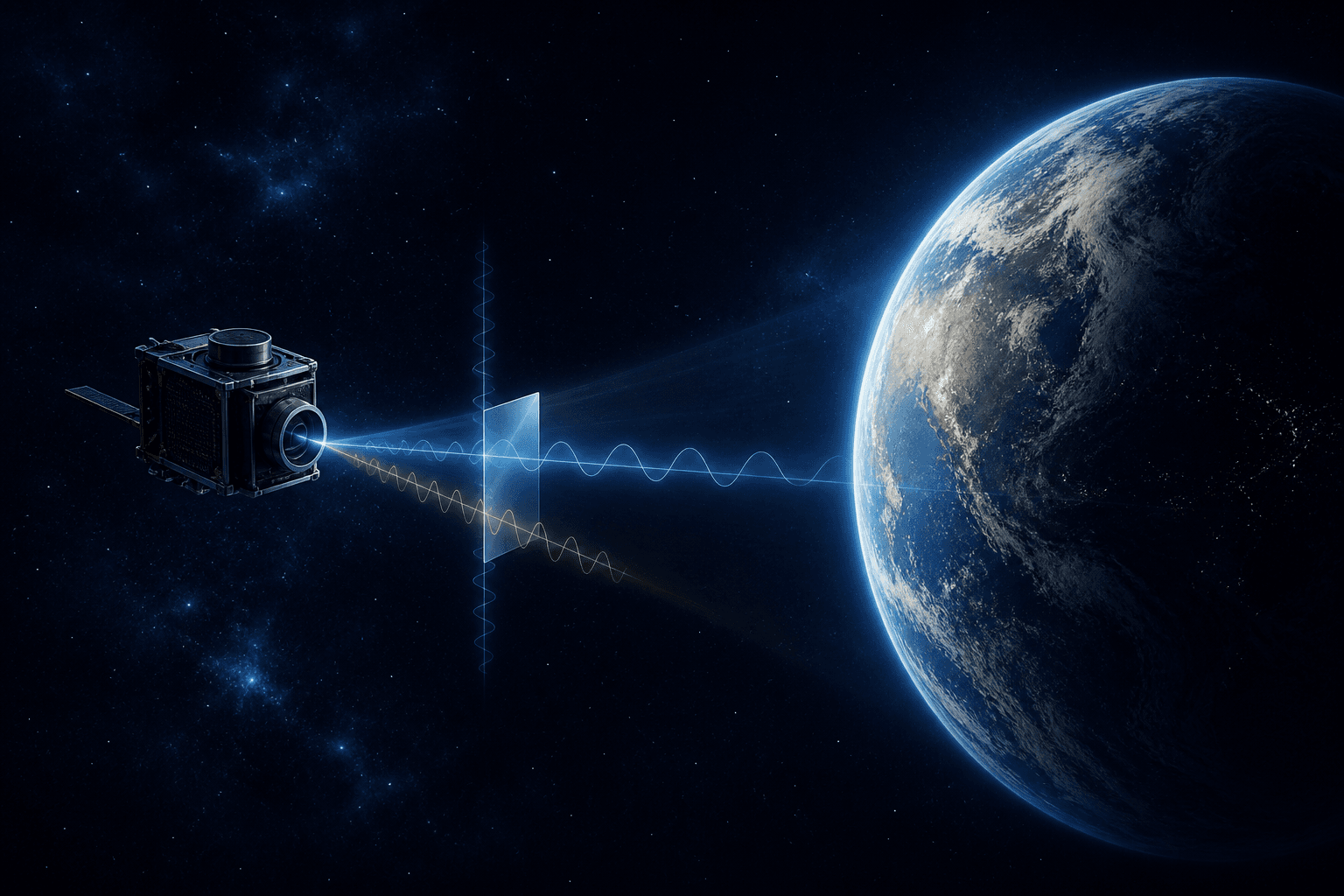
The coronagraph checkout follows NASA’s September 1 report that the planet-imaging instrument had been powered on. In the new update, NASA said operators confirmed they could communicate with its software, thermal controls, mechanisms, cameras and avionics, and that the hardware is now in a 30-day decontamination period with intermittent calibration work. Roman remains on its journey to the second Sun-Earth Lagrange point, L2; NASA has not reported orbital insertion or the beginning of science operations.
Reporting trail
Primary sources
NASANASA Activates Roman’s Primary Instrument, Checks Out Coronagraphscience.nasa.gov
India TodayNasa’s Roman Telescopes has opened its 300-megapixel eyes to observe the cosmosindiatoday.in
NASANASA Roman’s Planet Imager Has Powered Onscience.nasa.gov
NASANancy Grace Roman Space Telescopescience.nasa.gov