Space observatories
Roman completes first course correction as commissioning moves ahead
NASA's early updates report an August 31 trajectory burn, followed by antenna and sunshade deployments and Coronagraph Instrument activation; Roman has not reached L2 or begun science operations.
Updated : Update, September 2, 2026: Adds NASA's August 31 course correction and September 1 commissioning milestones to this site's August 30 launch report.
Report a correction Add us as a preferred source on Google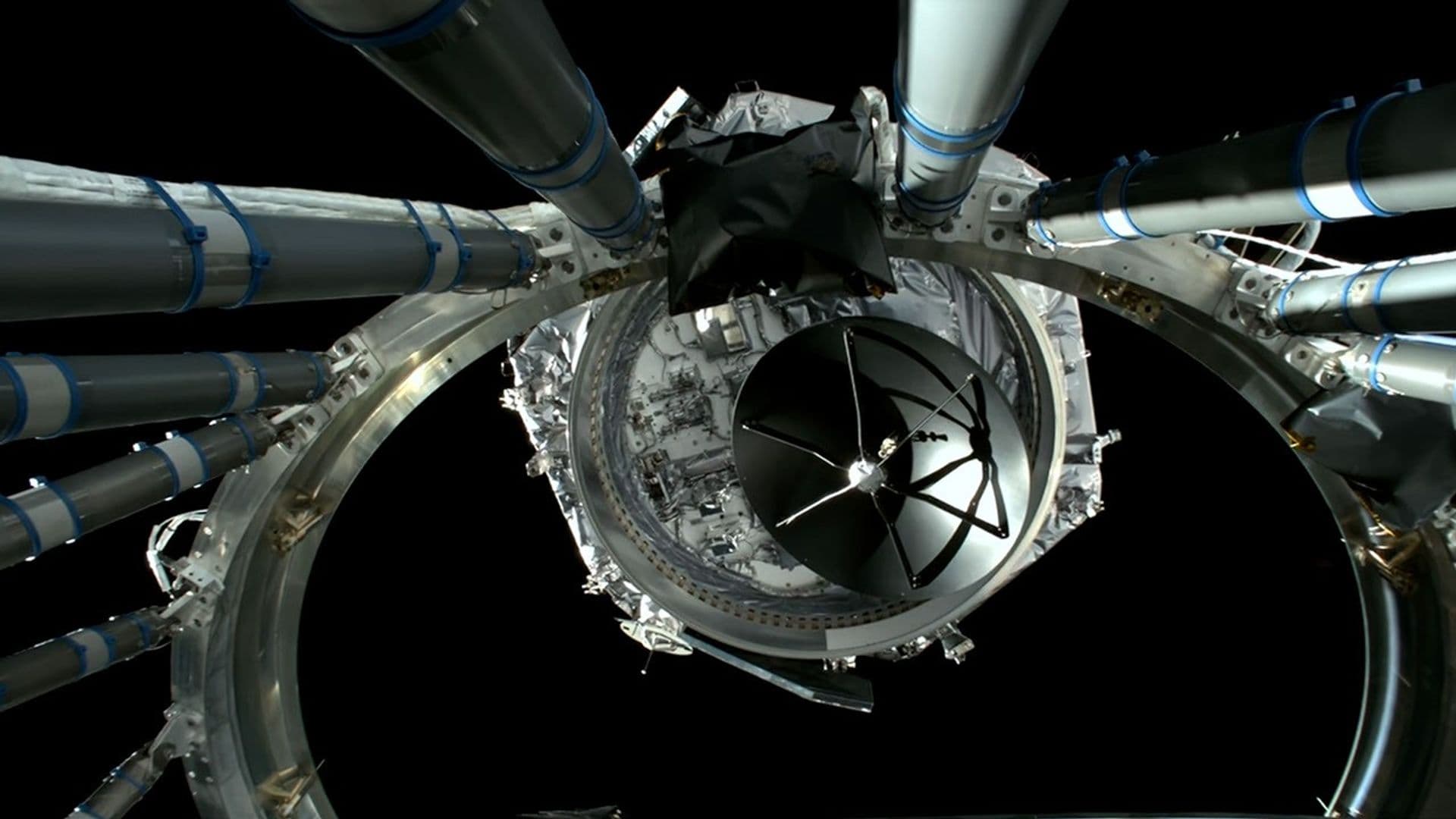
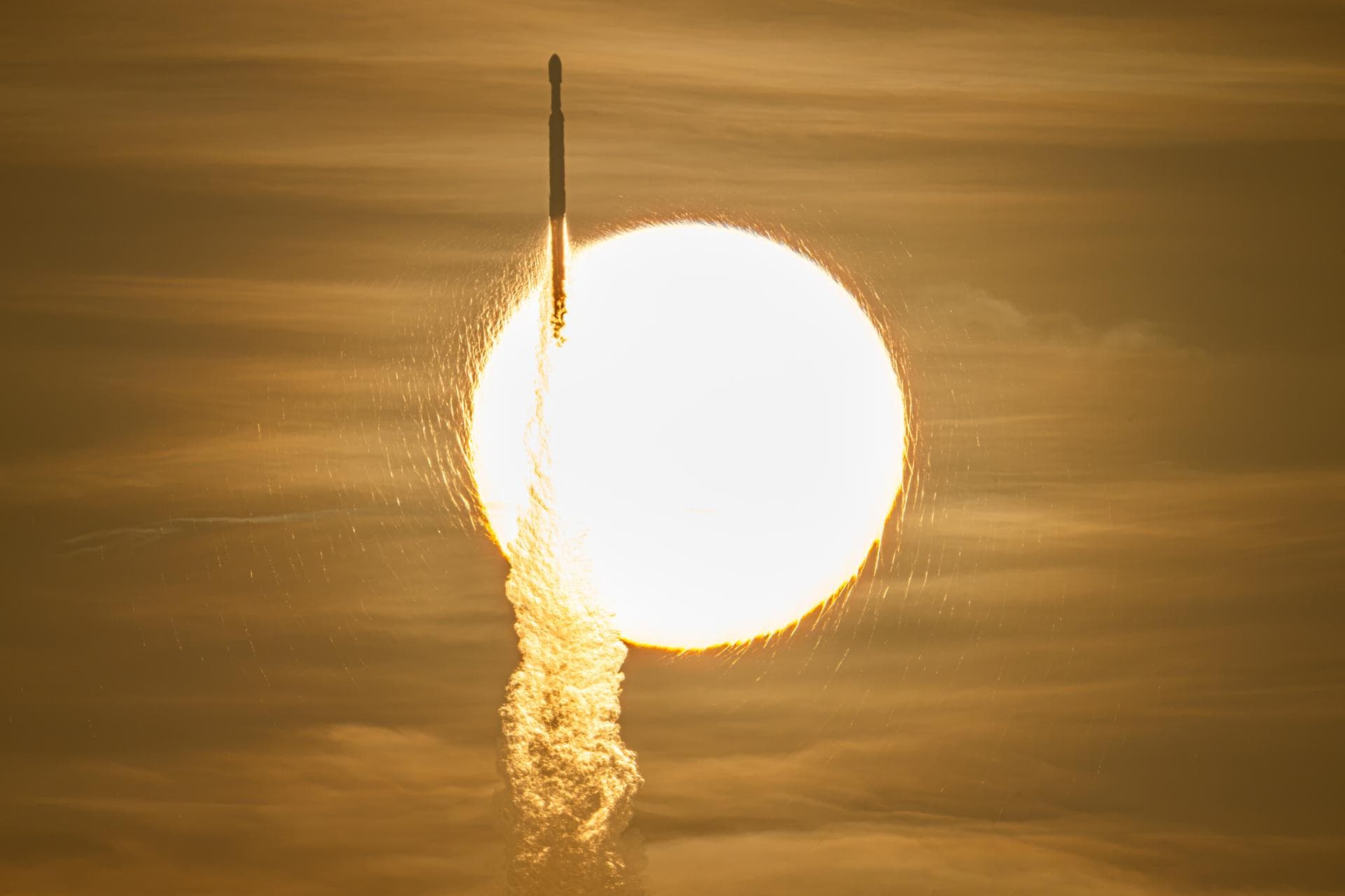
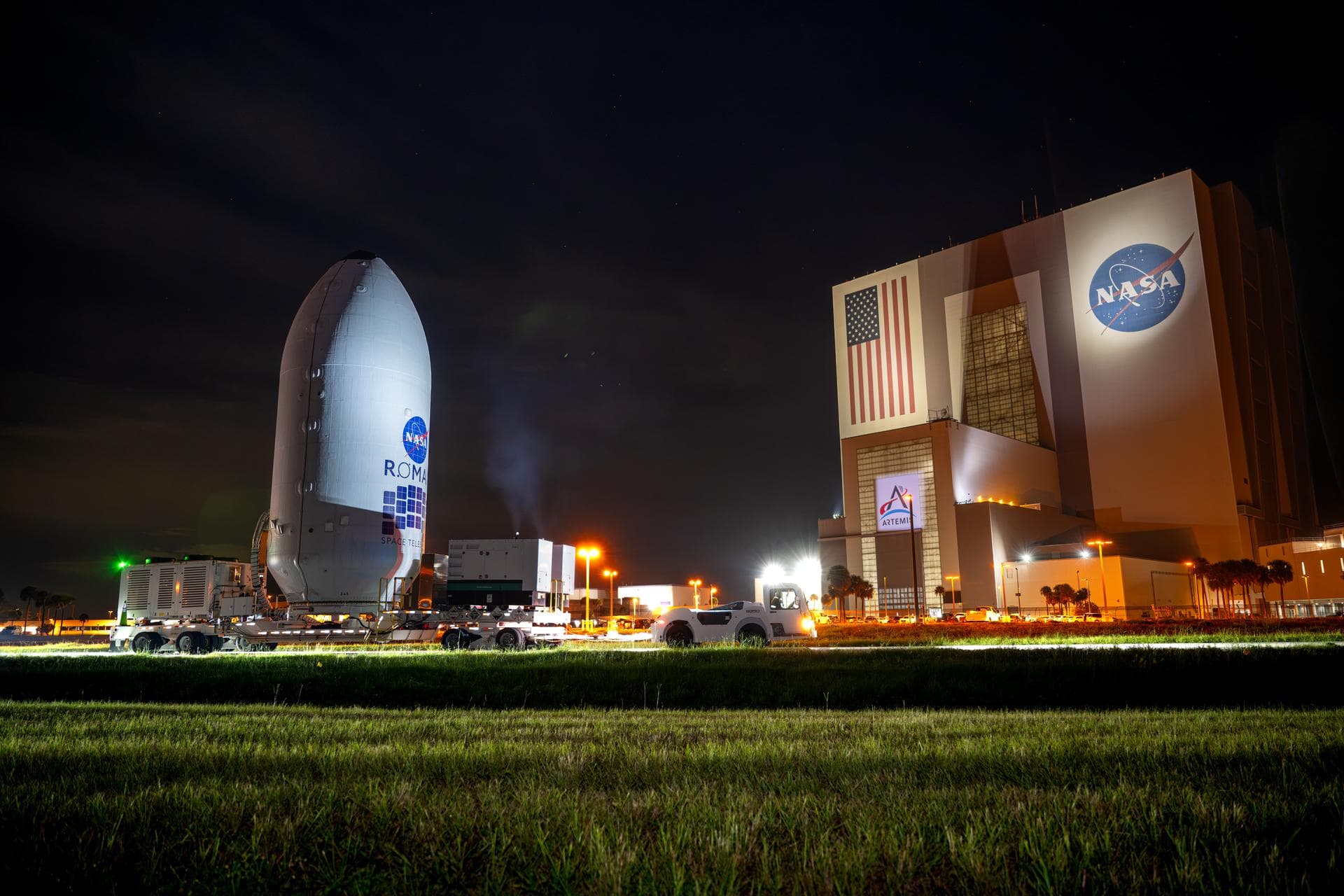
NASA says the Nancy Grace Roman Space Telescope began an approximately three-minute mid-course correction burn at 12:02 p.m. EDT on August 31. The agency describes it as the first of two planned trajectory adjustments for Roman's journey to the second Sun-Earth Lagrange point, L2. The burn is a post-launch route correction, not Roman's insertion into its final orbit or the start of science operations.
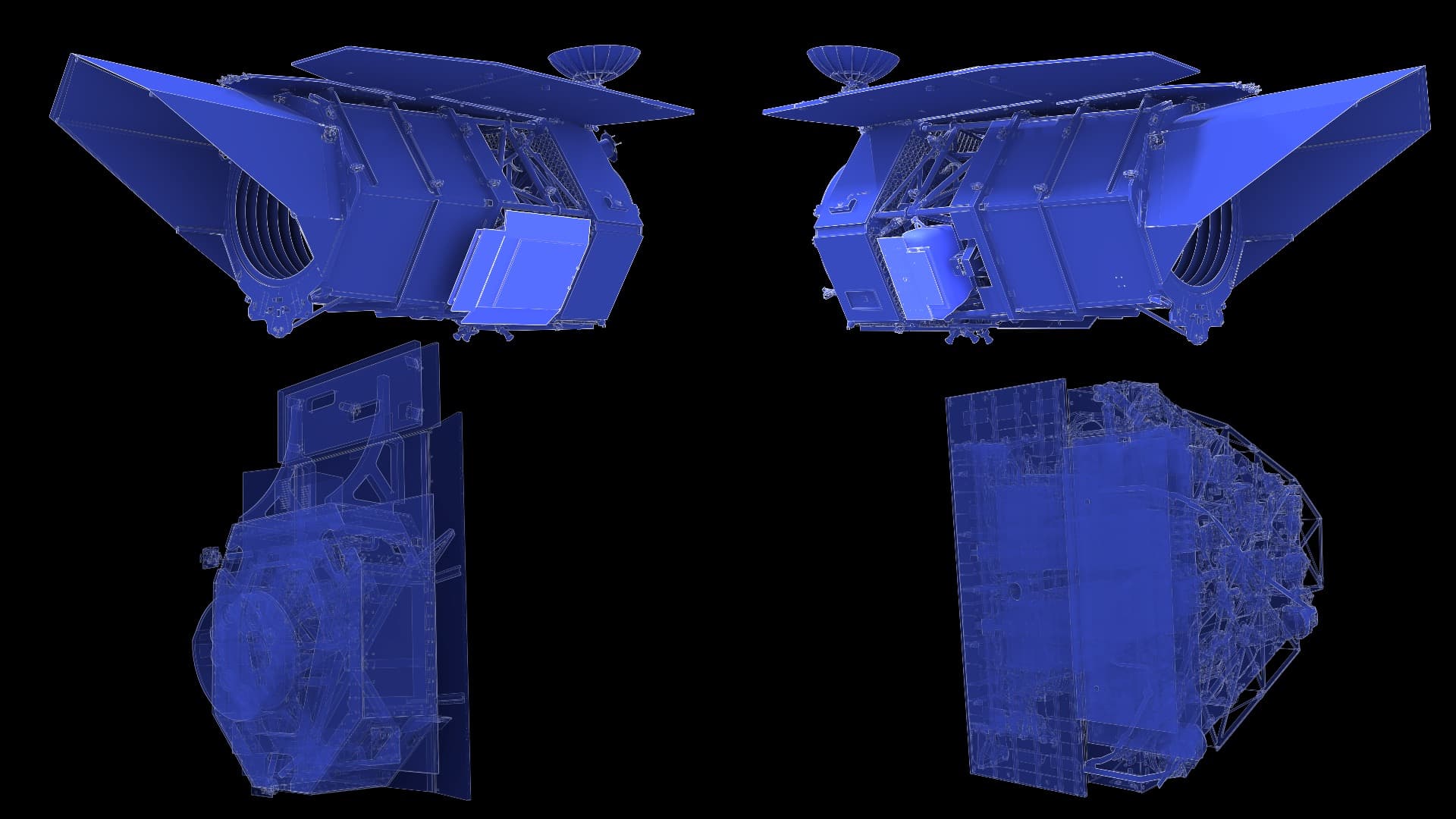
In separate September 1 updates, NASA said Roman's high-gain antenna deployed in about four minutes, ending at 2:03 p.m. EDT on August 31, and its deployable aperture cover completed an approximately eight-minute deployment at 6:05 a.m. EDT on September 1. The agency describes the cover as a sunshade that keeps unwanted light out of the telescope.
An instrument is on; science operations are still ahead
NASA also reported that it activated Roman's Coronagraph Instrument, which is designed to block starlight so the observatory can view planets and dusty disks around nearby stars. The power-on ran from 7:27 a.m. to 8:22 a.m. EDT on September 1, according to the agency. NASA says the instrument now faces a monthslong series of calibrations and tests before full science operations.
NASA's August 31 post said a second course correction could follow later that week if needed, but did not specify a calendar date. It placed Roman's orbital insertion about 100 days after launch; only after insertion would the observatory require periodic station-keeping burns, roughly every 28 days.
Roman is making a three-month journey to L2 while its systems are turned on, adjusted and prepared for science operations, NASA's mission page says. NASA has said the Wide Field Instrument is due to power on in the coming weeks and that it anticipates releasing Roman's first images by early 2027. This dispatch relies on NASA's mission posts and index; no independent confirmation of the burn or deployments was available in the records reviewed.
Reporting trail
Primary sources
NASANASA's Roman Completes First Mid-Course Correction Burnscience.nasa.gov
NASANancy Grace Roman Space Telescope Archives, August 2026science.nasa.gov
NASANASA Roman Space Telescope's Antenna, 'Visor' Deployedscience.nasa.gov
NASANASA Roman's Planet Imager Has Powered Onscience.nasa.gov
NASANancy Grace Roman Space Telescopescience.nasa.gov
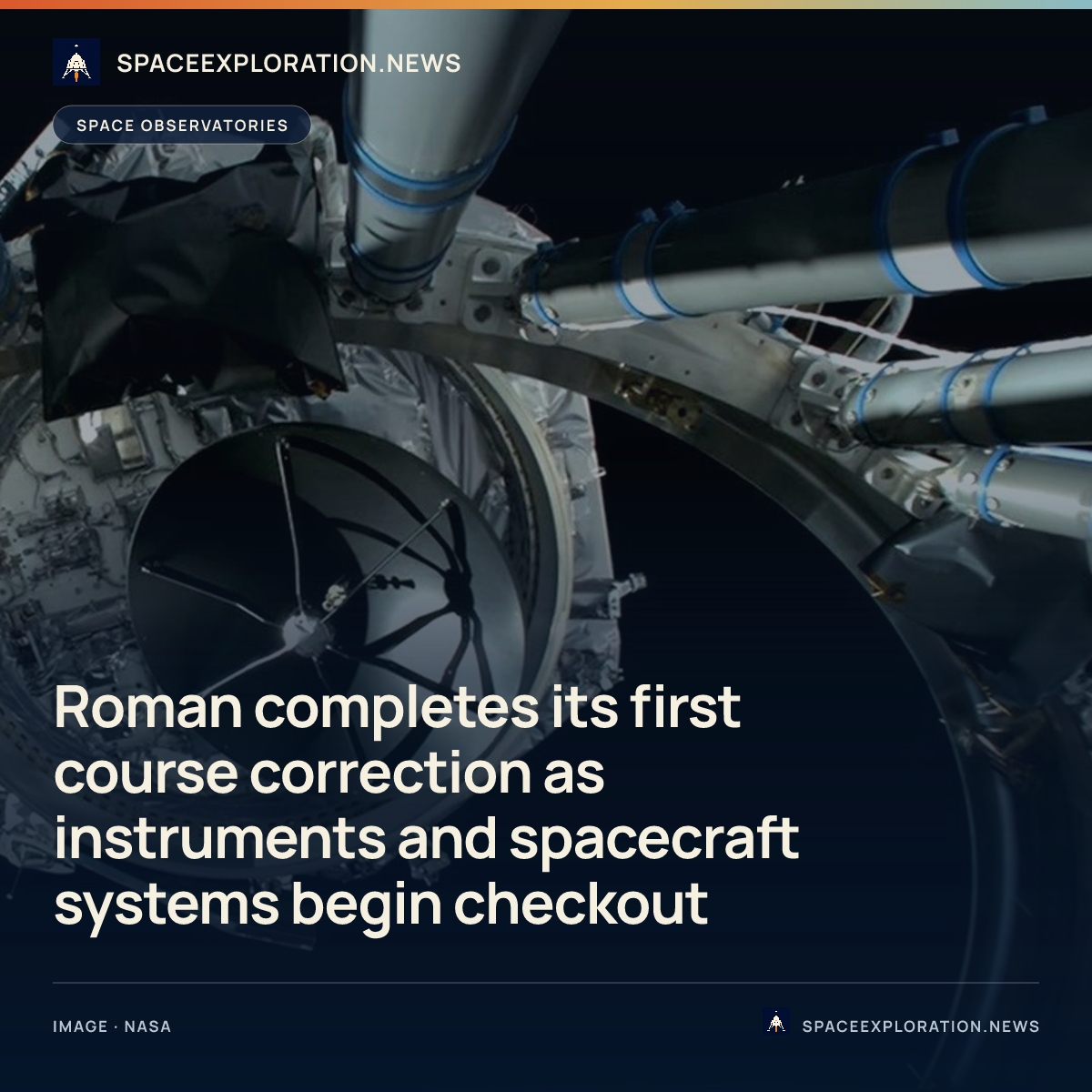
For an image post, download the card and copy this suggested caption.
NASA's early updates report an August 31 trajectory burn, followed by antenna and sunshade deployments and Coronagraph Instrument activation; Roman has not reached L2 or begun science operations. Read the full report: https://www.spaceexploration.in/news/roman-midcourse-correction-commissioning #SpaceExplorationNews #SpaceNews #SpaceScience