Space observatories
Roman launches on Falcon Heavy and separates successfully
The space telescope left Kennedy Space Center on August 30, separated 31 minutes later, and is now beginning a three-month trip to the Sun-Earth L2 region.
Updated : Updated August 31, 2026: This launch report replaces the August 26 preparation status after NASA reported liftoff and spacecraft separation.
Report a correction Add us as a preferred source on Google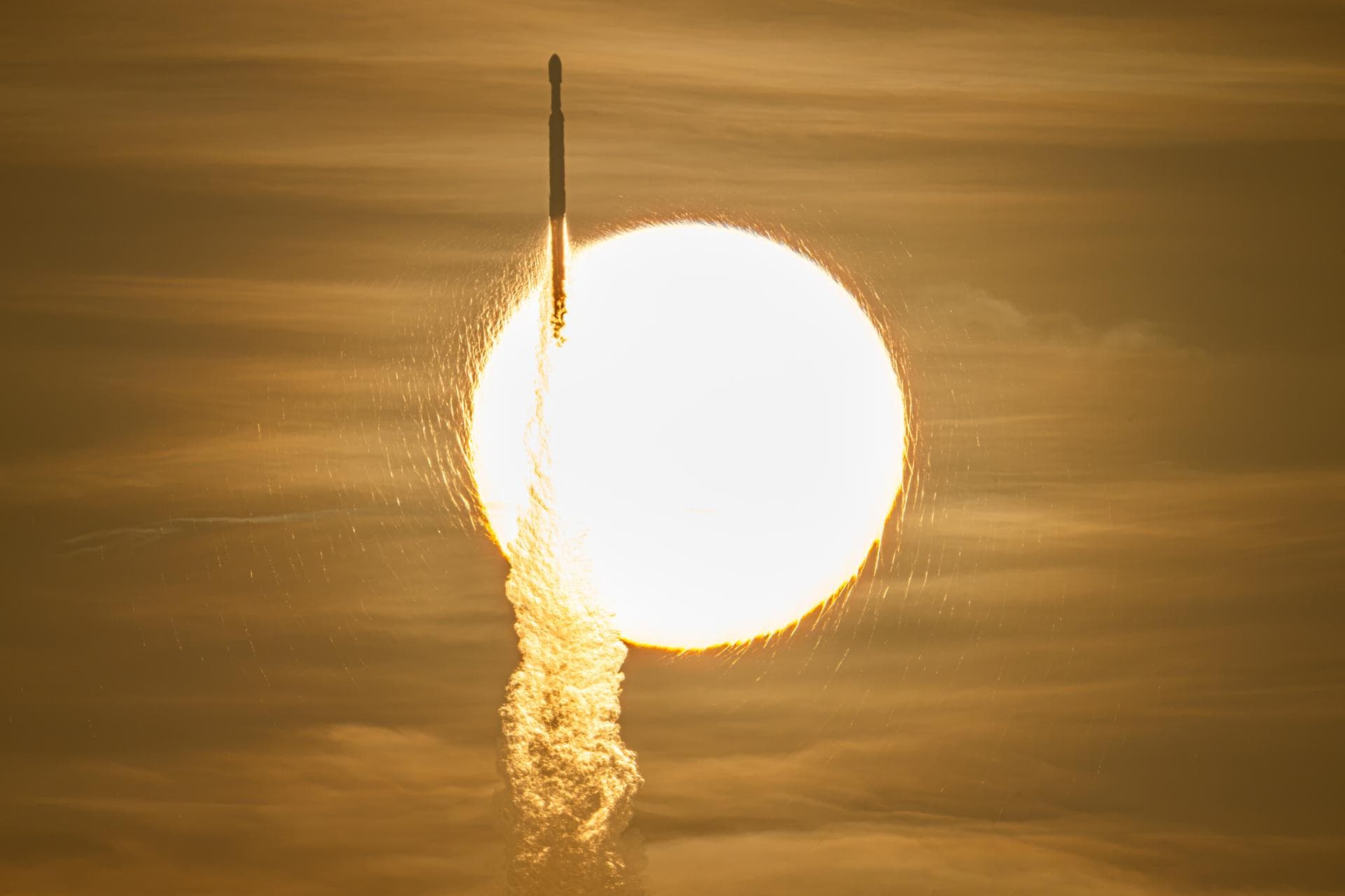
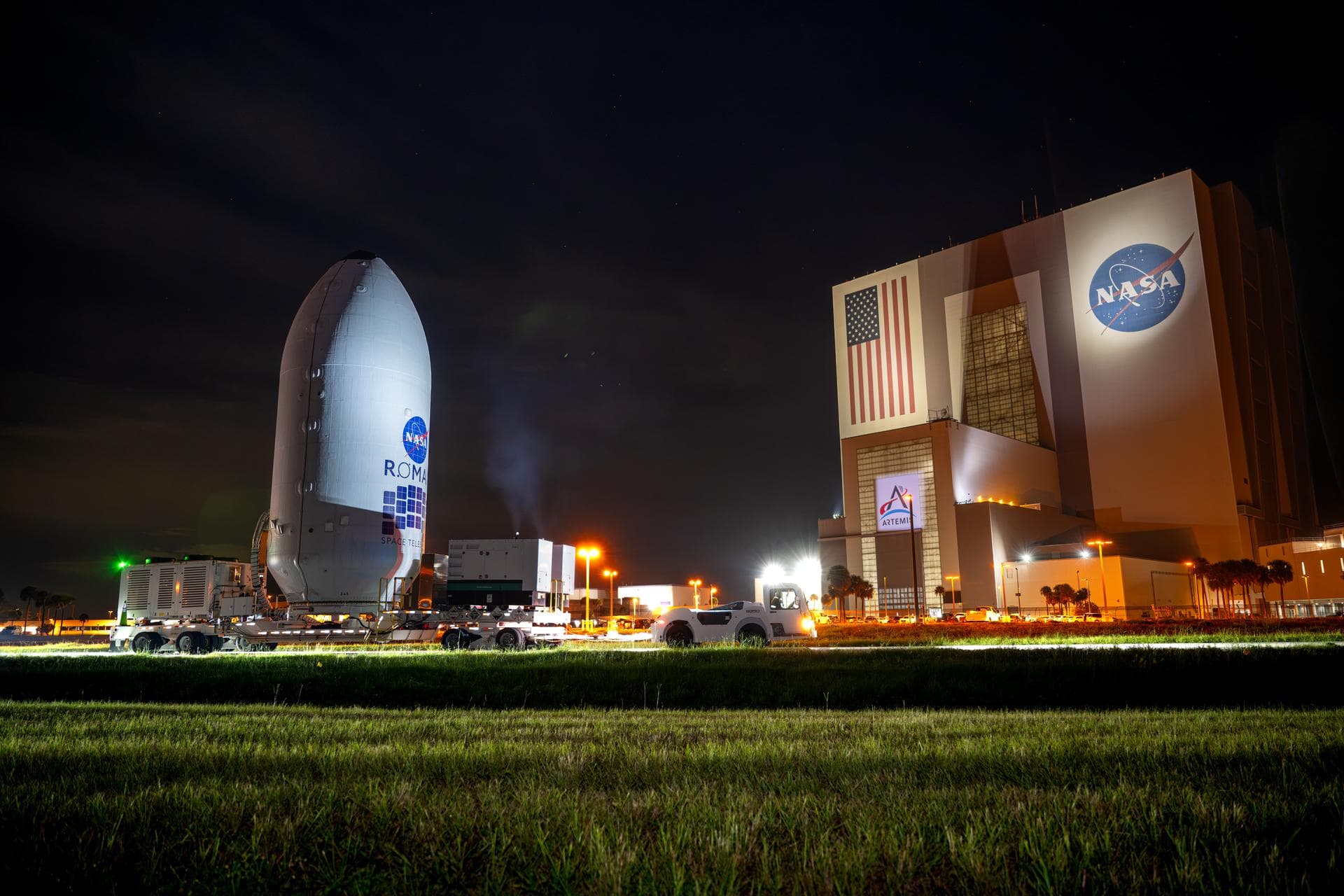
NASA says its Nancy Grace Roman Space Telescope launched aboard a SpaceX Falcon Heavy from Launch Complex 39A at Kennedy Space Center in Florida at 7:26 a.m. EDT on Sunday, August 30. NASA's launch release says the observatory separated from the rocket 31 minutes into the flight. That is the material change from this site's August 26 report, which covered Roman's fairing encapsulation and move to SpaceX's hangar before liftoff.
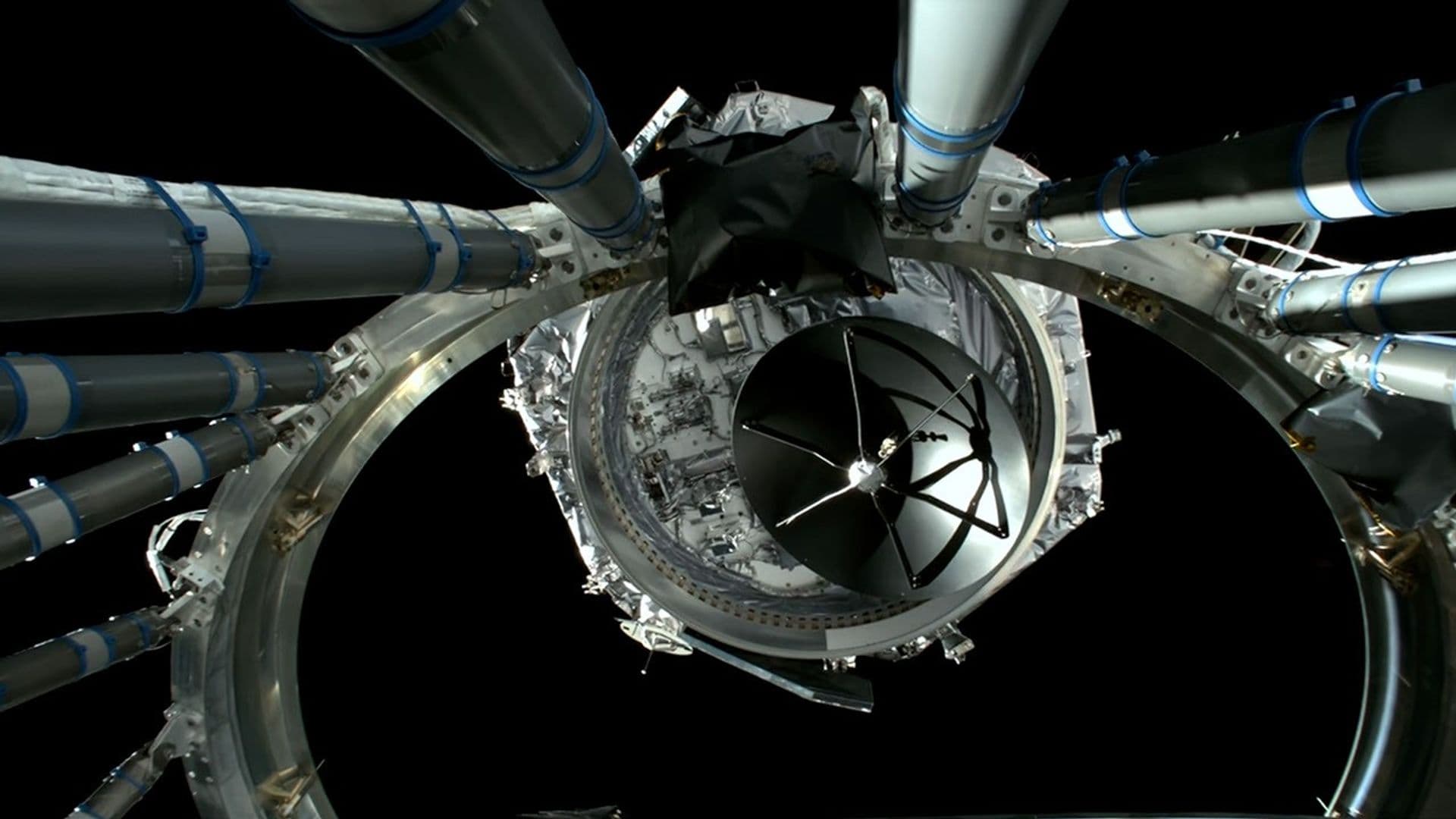
NASA said the Goddard Space Flight Center team began receiving Roman telemetry seven minutes after launch. A subsequent NASA mission blog placed spacecraft separation at about 7:57 a.m. EDT and said Roman had earlier established communications through a Tracking and Data Relay Satellite. NASA's live-coverage update then said the telescope had successfully launched and separated from the second stage.
Launch is complete; commissioning is not
NASA reported successful deployment of Roman's solar panels and lower instrument sunshade one hour and 23 minutes after launch. In the coming days, the agency says, controllers plan to deploy the high-gain antenna and the visor-like aperture cover, begin the first of two mid-course corrections and power on the Coronagraph Instrument. Those steps are early commissioning activities, not the start of science observations.
Roman is heading toward an orbit around the second Sun-Earth Lagrange point, known as L2, about 1 million miles from Earth. NASA says the Deep Space Network takes over communications about 70 minutes after liftoff, beginning with its Canberra complex in Australia before handoffs to stations in Spain and California. The agency describes the trip and commissioning period as about three months.
What Roman is expected to do after the checks
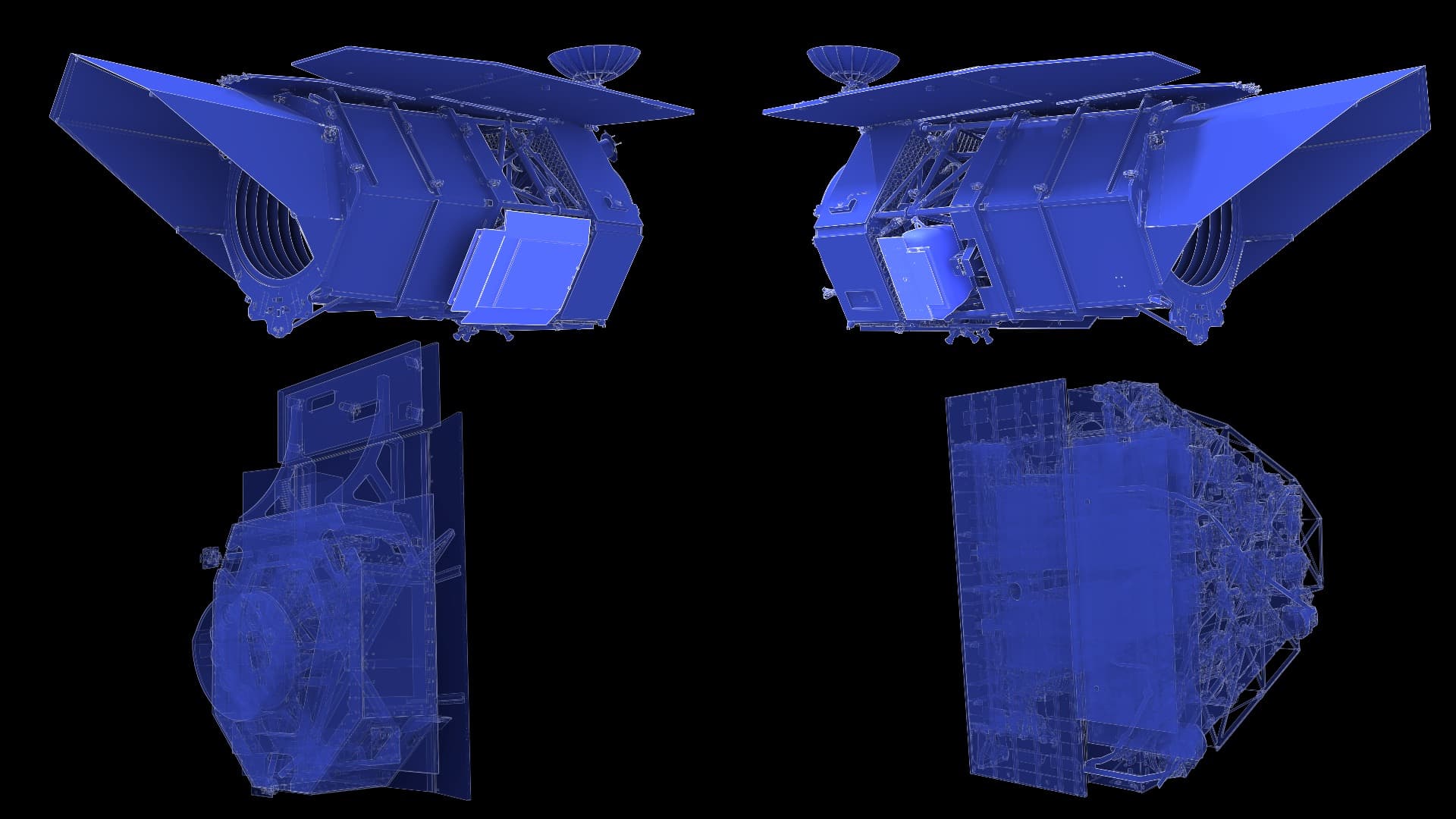
A few weeks into the voyage, NASA says, the Wide Field Instrument is scheduled to activate. The agency describes it as a 300-megapixel infrared camera with 18 detectors and says the observatory is designed to survey the universe faster than Hubble. NASA anticipates releasing Roman's first images by early 2027; no science result has been reported from the new mission.
NASA says Roman's wide field of view is intended to support surveys of dark matter, dark energy and exoplanets. The mission page says its field of view will be at least 100 times larger than Hubble's and that the observatory can block starlight to directly observe some exoplanets and planet-forming disks. Those are mission capabilities and planned investigations, rather than findings from the August 30 launch.
This dispatch relies on NASA's launch release and mission blogs; the agency reported the liftoff, separation and initial deployments. NASA has not reported Roman's arrival at L2 or the beginning of science operations. The next published milestones are the remaining deployments and course correction during the journey, followed by the agency's planned first-image release in early 2027.
Reporting trail
Primary sources
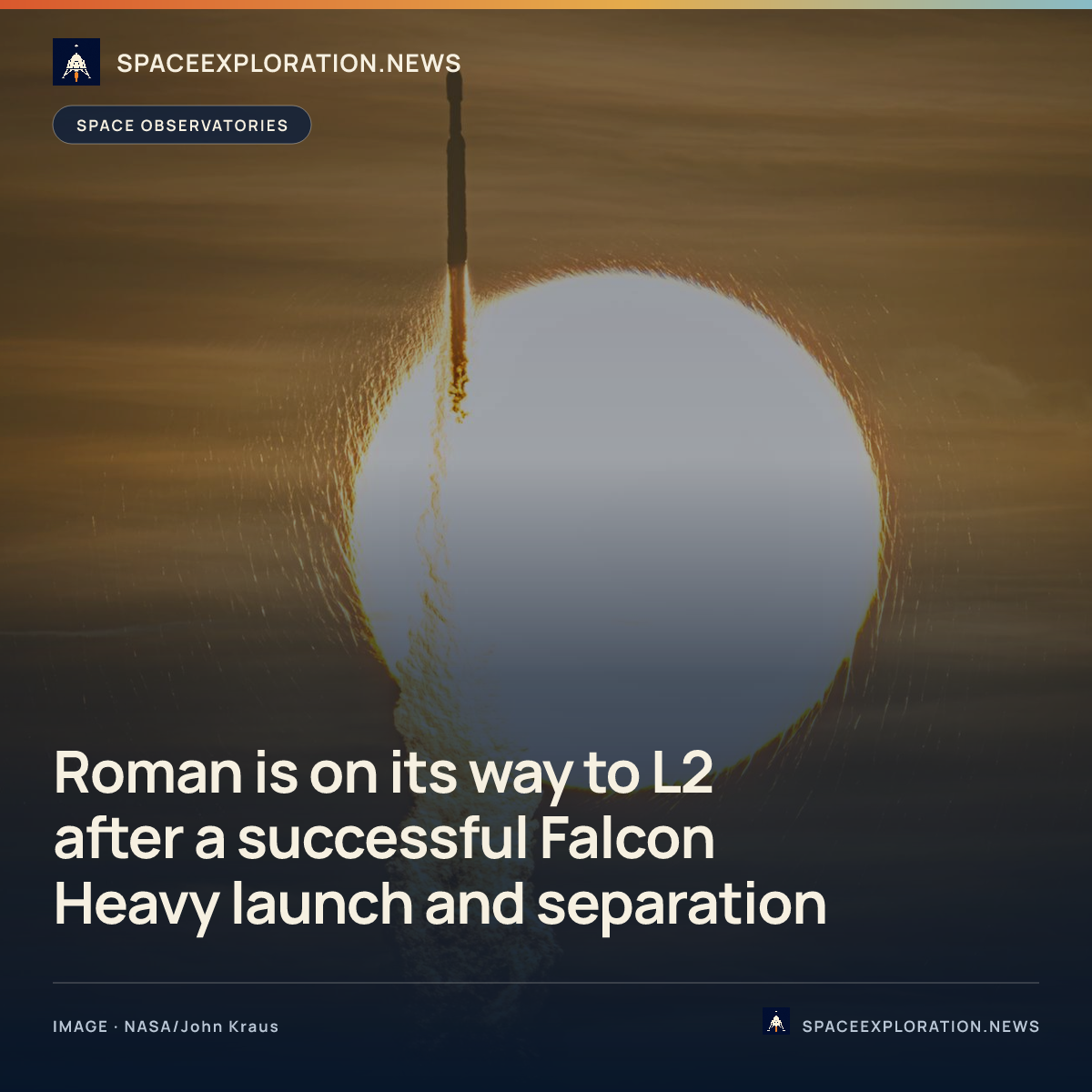
For an image post, download the card and copy this suggested caption.
The space telescope left Kennedy Space Center on August 30, separated 31 minutes later, and is now beginning a three-month trip to the Sun-Earth L2 region. Read the full report: https://www.spaceexploration.in/news/roman-space-telescope-launch #SpaceExplorationNews #SpaceNews #SpaceMissions