Space science
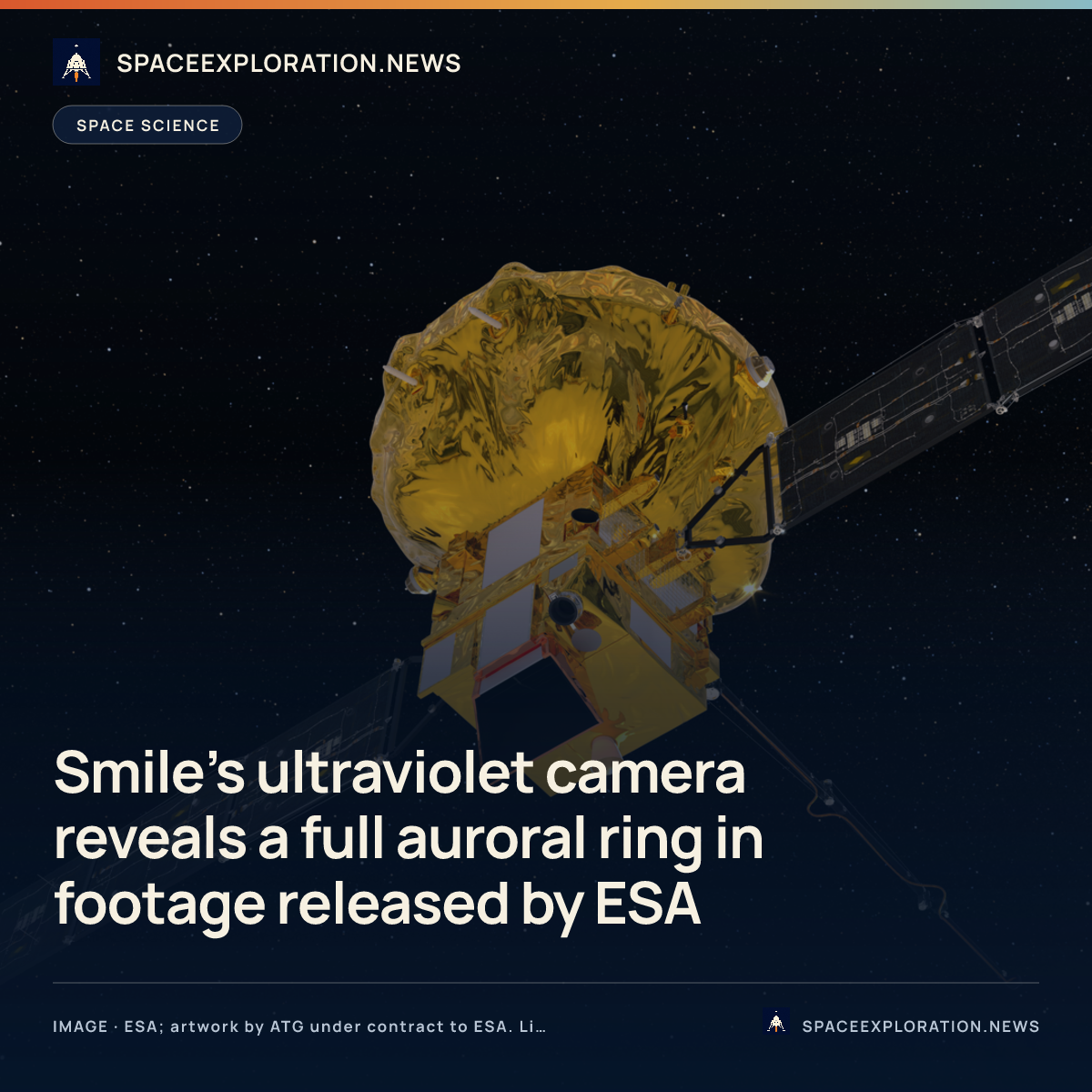
ESA releases Smile’s first ultraviolet aurora footage
The clip was recorded during commissioning on July 24, two months before its September 30 release. ESA says the camera now makes 45-hour recordings, while an X-ray imaging issue remains.
Add us as a preferred source on Google Add us as a preferred source on Google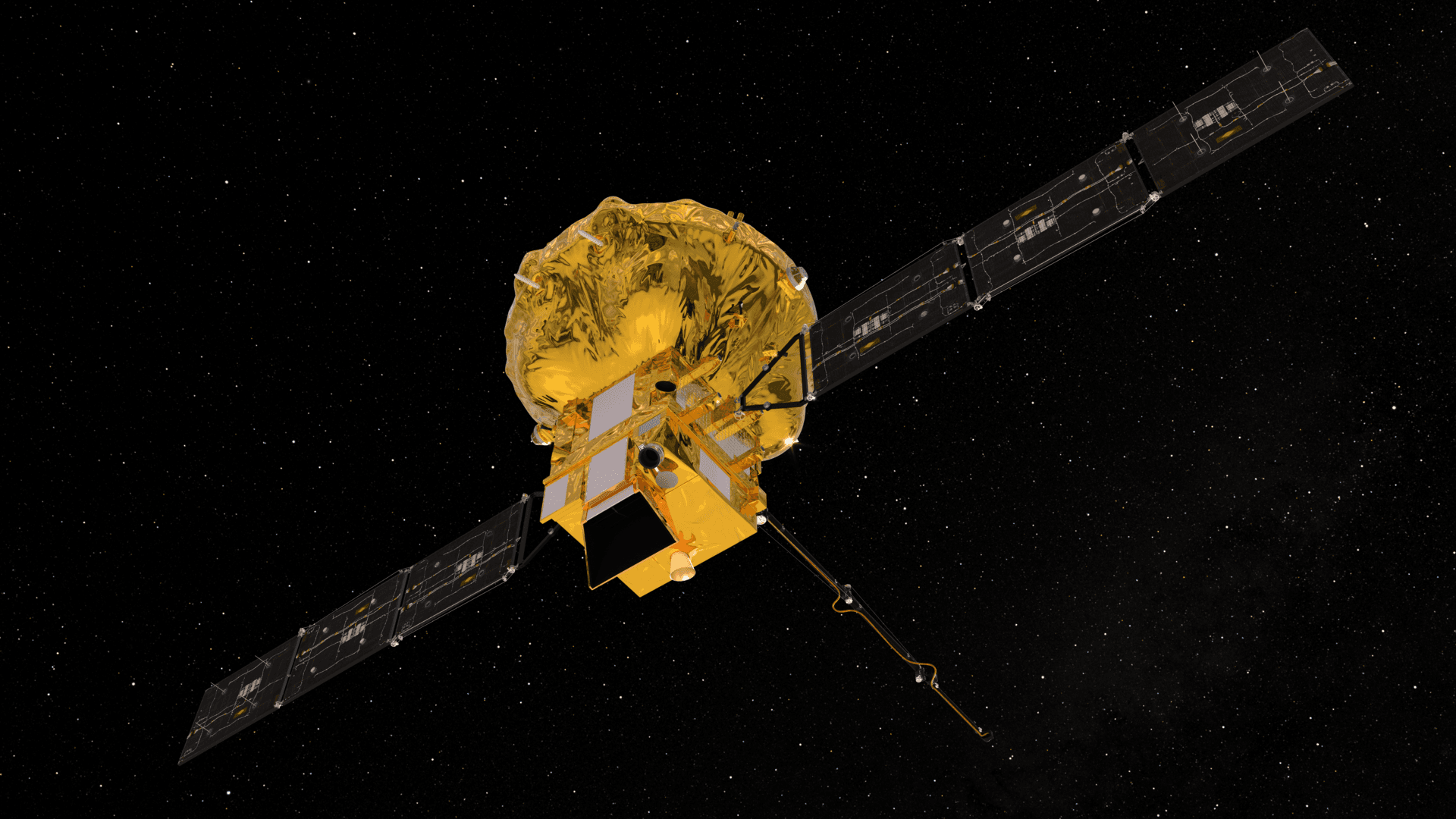
ESA released the first ultraviolet footage from the European-Chinese Smile spacecraft on September 30. The 58-minute sequence was recorded during commissioning on July 24, when its camera saw a substorm ripple through the ring of northern lights around Earth’s north pole. The release date is not the observation date.
The footage covers 00:00 to 00:58 UTC on July 24. ESA identifies the movement in the ring as the result of a disturbance in Earth’s magnetosphere, the magnetic region around the planet. The agency says Smile is the first spacecraft since 2008 to capture the full northern auroral ring in ultraviolet light. ESA also released a separate still image taken on August 4; it is not a frame from the July clip.
ESA says Smile’s ultraviolet imager, known as UVI, is now recording auroras for 45 hours at a time. That is the mission’s extended observing capability, not the duration of the newly released clip. The spacecraft’s high orbit above the northern hemisphere allows long views of the ring as Earth rotates below, according to ESA’s mission material.
On September 30, ESA reported that Smile had been declared ready to begin science operations on September 23, after reaching its target science orbit on June 20. The July footage predates that declaration. Smile is a joint mission of ESA and the Chinese Academy of Sciences designed to combine ultraviolet views of auroras with X-ray images of the boundary where the solar wind meets Earth’s magnetic field.
That combined imaging remains limited. ESA says the soft X-ray imager has taken test images of celestial targets, but detects excess stray light when pointed toward Earth. Teams are changing instrument settings and software; ESA expects the unwanted light to fall toward a mid-October minimum, when it hopes to take a usable image of the magnetopause or northern polar cusp. The September release demonstrates the ultraviolet camera’s view, while the Earth-facing X-ray result is still pending.
Reporting trail
Primary sources
For an image post, download the card and copy this suggested caption.
The clip was recorded during commissioning on July 24, two months before its September 30 release. ESA says the camera now makes 45-hour recordings, while an X-ray imaging issue remains. Read the full report: https://www.spaceexploration.in/news/smile-first-uv-auroral-substorm-footage #SpaceExplorationNews #SpaceNews #SpaceScience