Nuclear electric propulsion
NASA assigns SR-1 Freedom power conversion to Sierra Lobo
The newly disclosed work covers a system that turns reactor heat into electricity. NASA still targets a late-2028 launch; the announcement reports no completed flight hardware.
Add us as a preferred source on Google Add us as a preferred source on Google
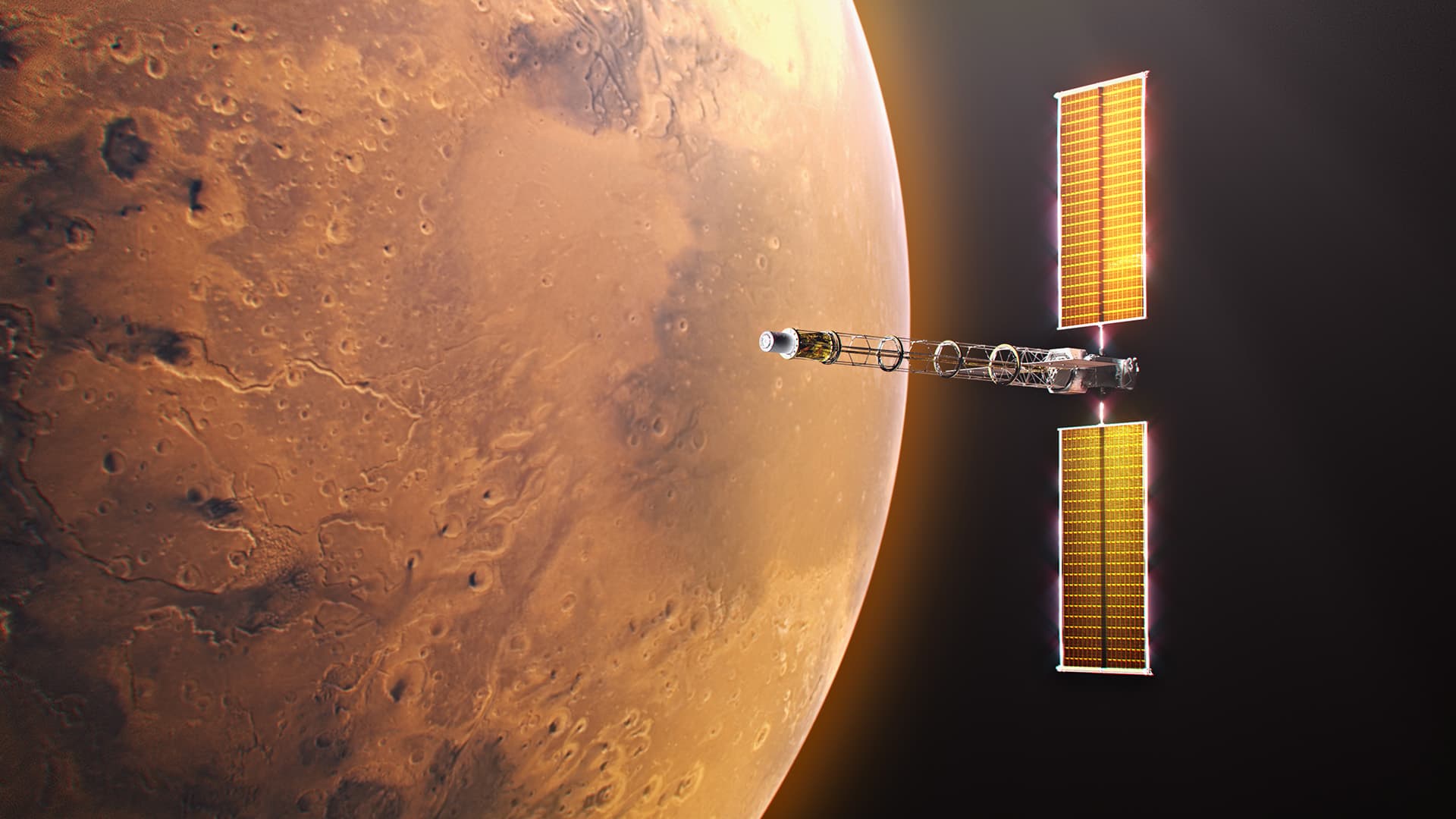
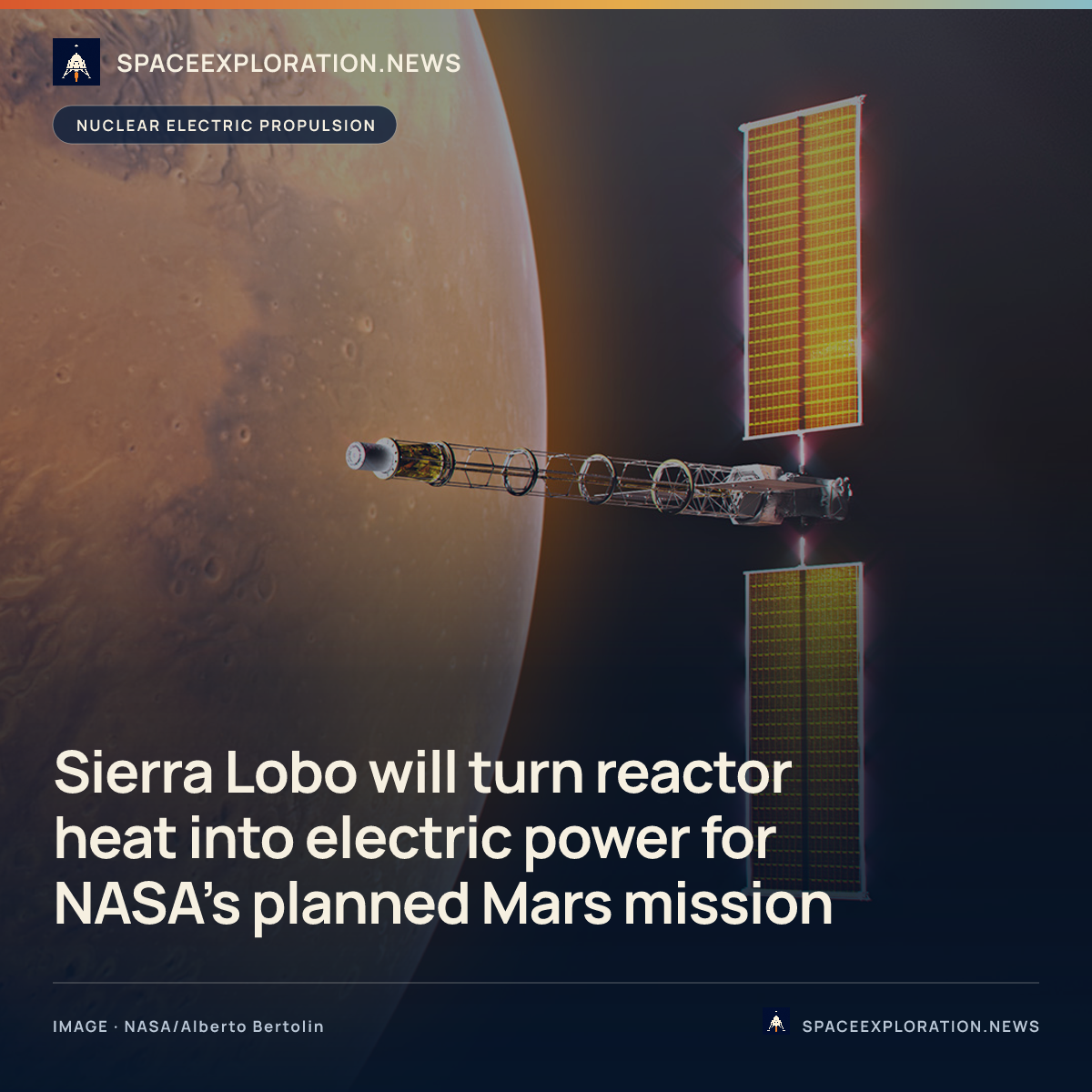
NASA has assigned Sierra Lobo the power conversion system for Space Reactor-1 Freedom, its planned nuclear-electric mission to Mars. An October 20 announcement places the work under an existing Glenn Research Center contract and identifies the company’s role in the spacecraft’s nuclear power module.
The closed Brayton cycle system will convert heat from a fission reactor into electricity for the propulsion demonstration, NASA said. Idaho National Laboratory is designing and developing the reactor; the two systems must be integrated to form the module at the end of the spacecraft’s boom.
The assignment is mission preparation. NASA’s announcement does not report a completed conversion system, an integrated nuclear power module or a flight demonstration. It gives no separate value or delivery date for Sierra Lobo’s work.
The work uses the Space Flight Systems Development and Operations Contract III, awarded to Sierra Lobo in February 2024. That award covers spaceflight hardware design, development, testing and operations at Glenn in Cleveland. The October announcement identifies the nuclear-power task within that existing contractual framework.
NASA describes interagency safety reviews and continuing oversight during development. It plans to keep the reactor inactive until the spacecraft has left Earth orbit.
Launch remains targeted for late 2028. The mission is intended to deliver SkyFall, a payload of three Mars helicopters derived from Ingenuity, while demonstrating nuclear electric propulsion beyond Earth orbit. NASA’s mission overview lists a 2029 target arrival; those dates remain plans rather than completed mission outcomes.
Reporting trail
Primary sources
For an image post, download the card and copy this suggested caption.
The newly disclosed work covers a system that turns reactor heat into electricity. NASA still targets a late-2028 launch; the announcement reports no completed flight hardware. Read the full report: https://www.spaceexploration.in/news/sr1-freedom-power-conversion-contract #SpaceExplorationNews #SpaceNews #SpaceMissions