Starship Flight 14
Starship reaches orbit for first time on Flight 14
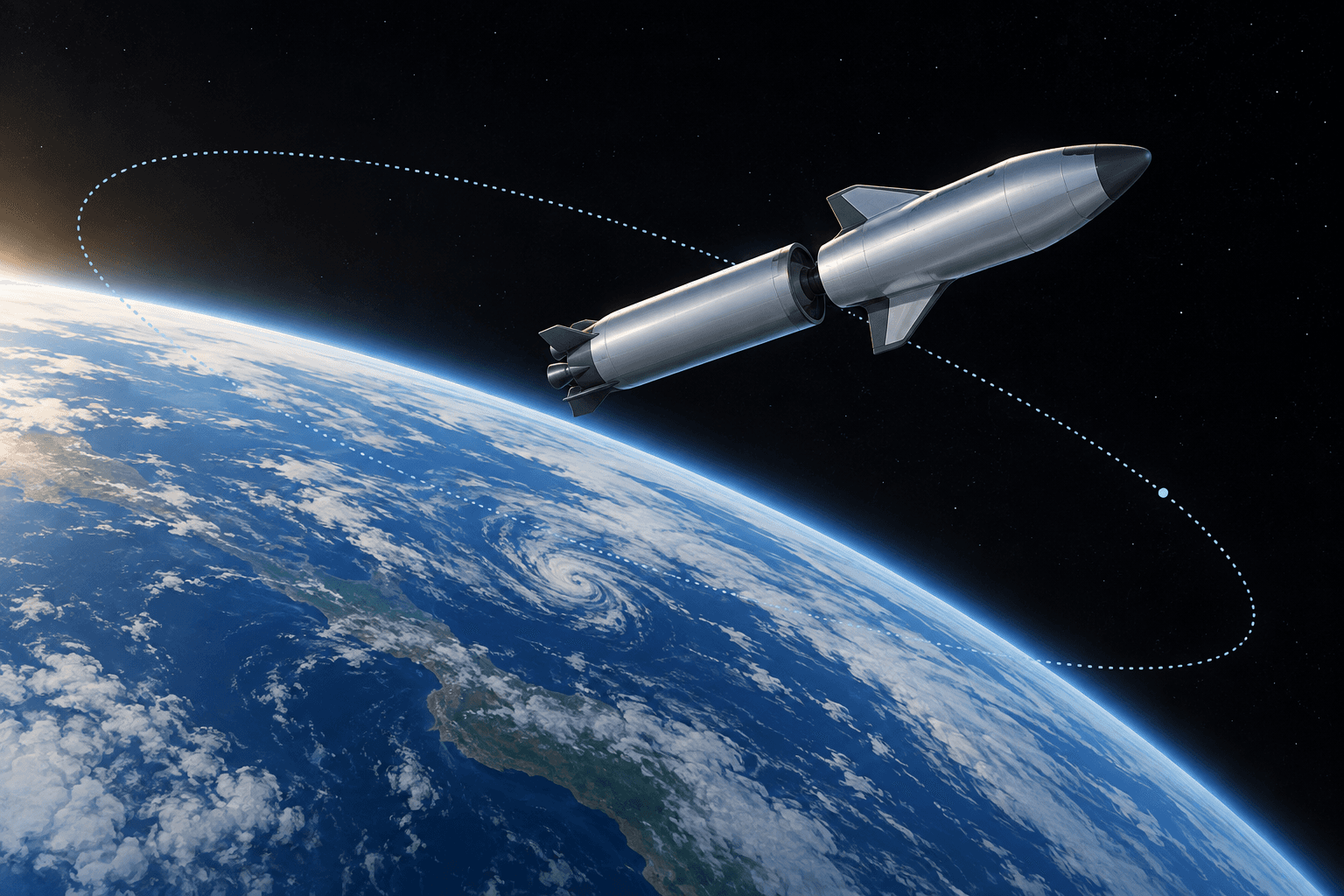
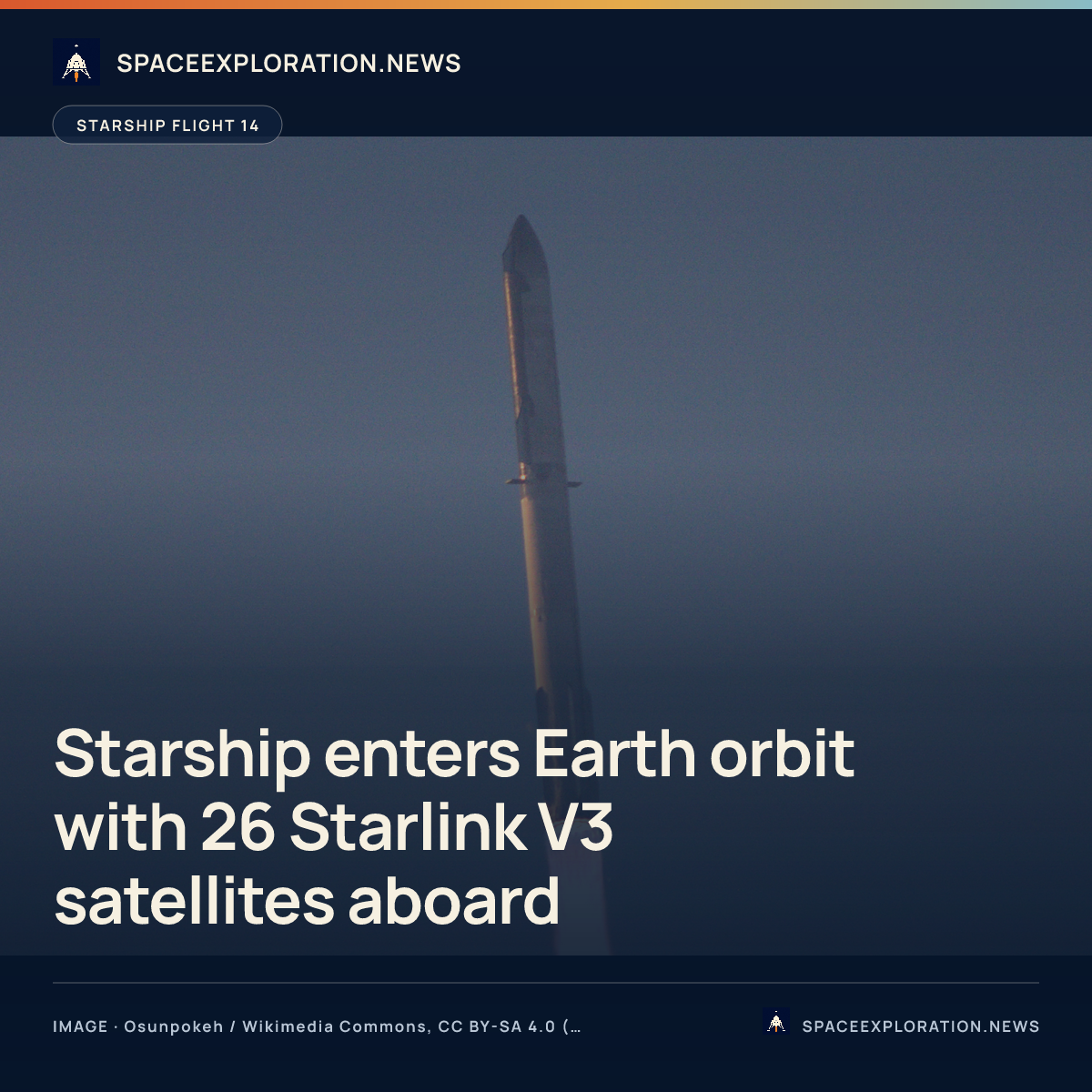
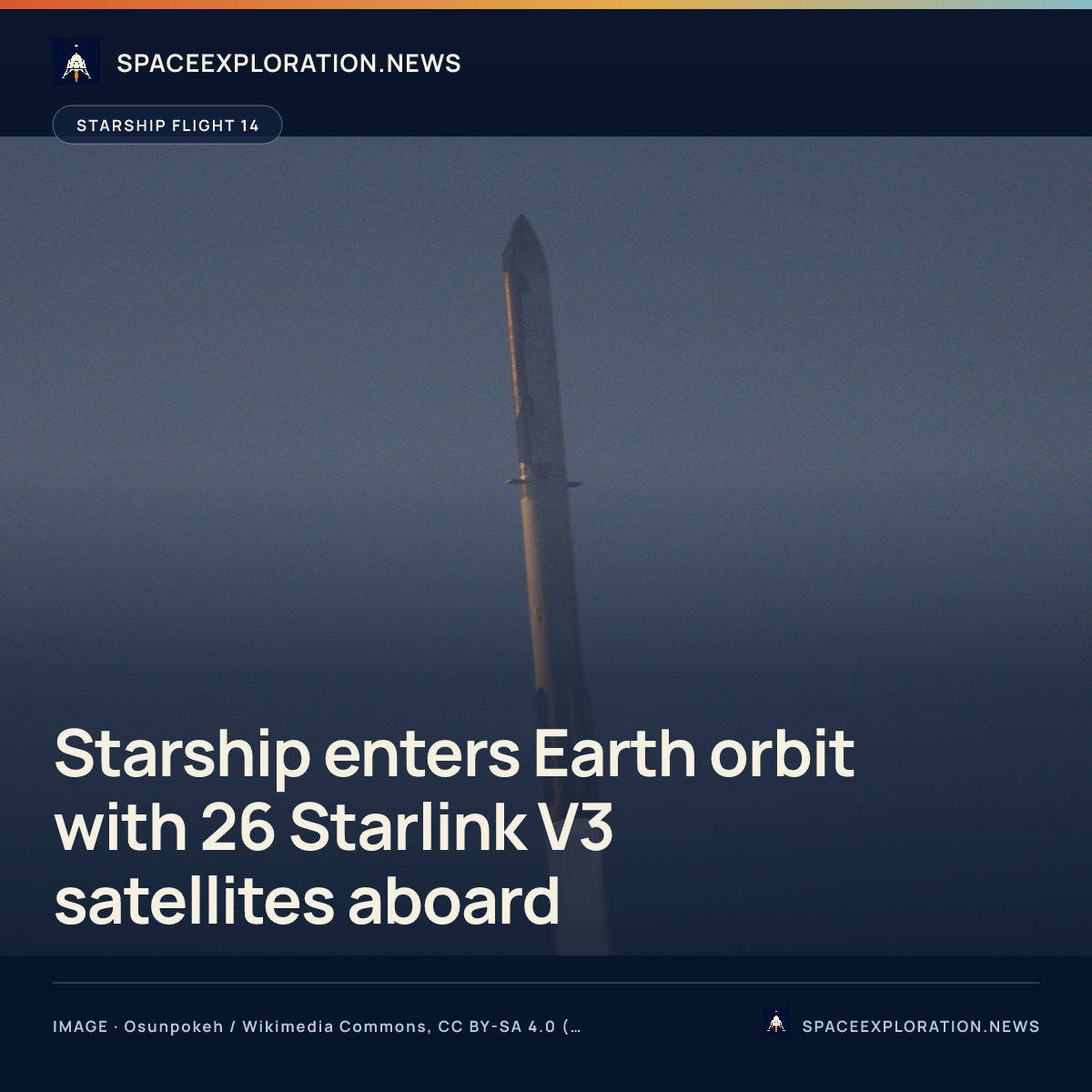
SpaceX’s broadcast showed Ship 41 coasting at 277 km after its insertion burn. Satellite deployment and the planned Pacific return are separate mission objectives.
Add us as a preferred source on Google Add us as a preferred source on Google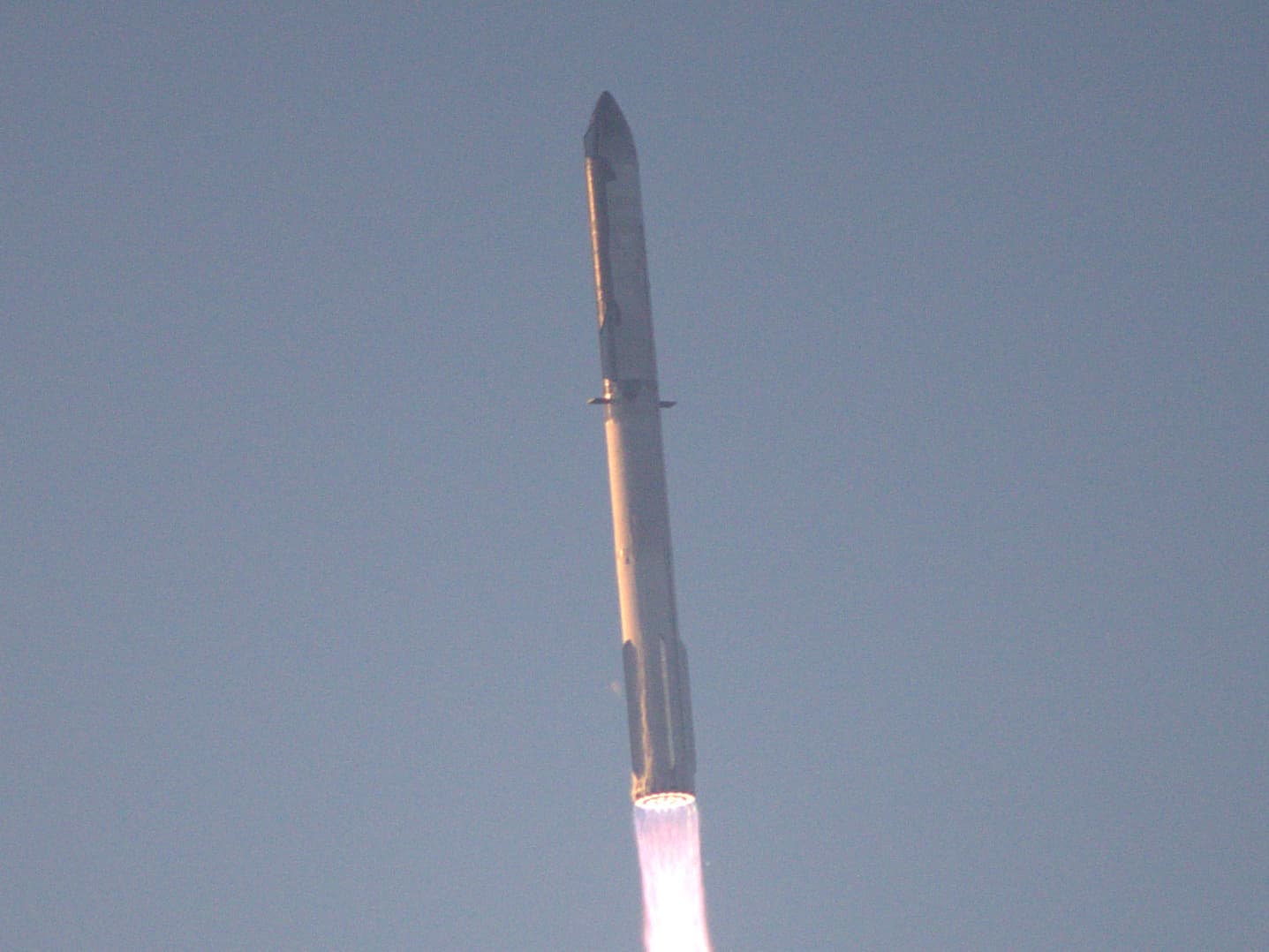
SpaceX’s Starship reached Earth orbit for the first time on September 28, 2026, during Flight 14. The company’s webcast showed the upper stage firing its engine during the orbital-insertion manoeuvre, and Space.com’s live report confirmed that Ship 41 completed the burn at approximately 275 kilometres altitude.
The rocket lifted off from Starbase, Texas, at 12:49 UTC, or 6:19 p.m. Indian Standard Time, according to Space.com. One of Ship 41’s Raptor engines shut down early during ascent, the outlet reported, but the spacecraft compensated and completed its initial burn. Flight controllers then assessed the problem and cleared the orbital attempt.
At 33 minutes and 53 seconds after liftoff, SpaceX’s webcast displayed a speed of 26,368 kilometres per hour and an altitude of 277 kilometres. Those readings describe that moment in the flight; the broadcast continued showing the spacecraft above Earth after the insertion burn.
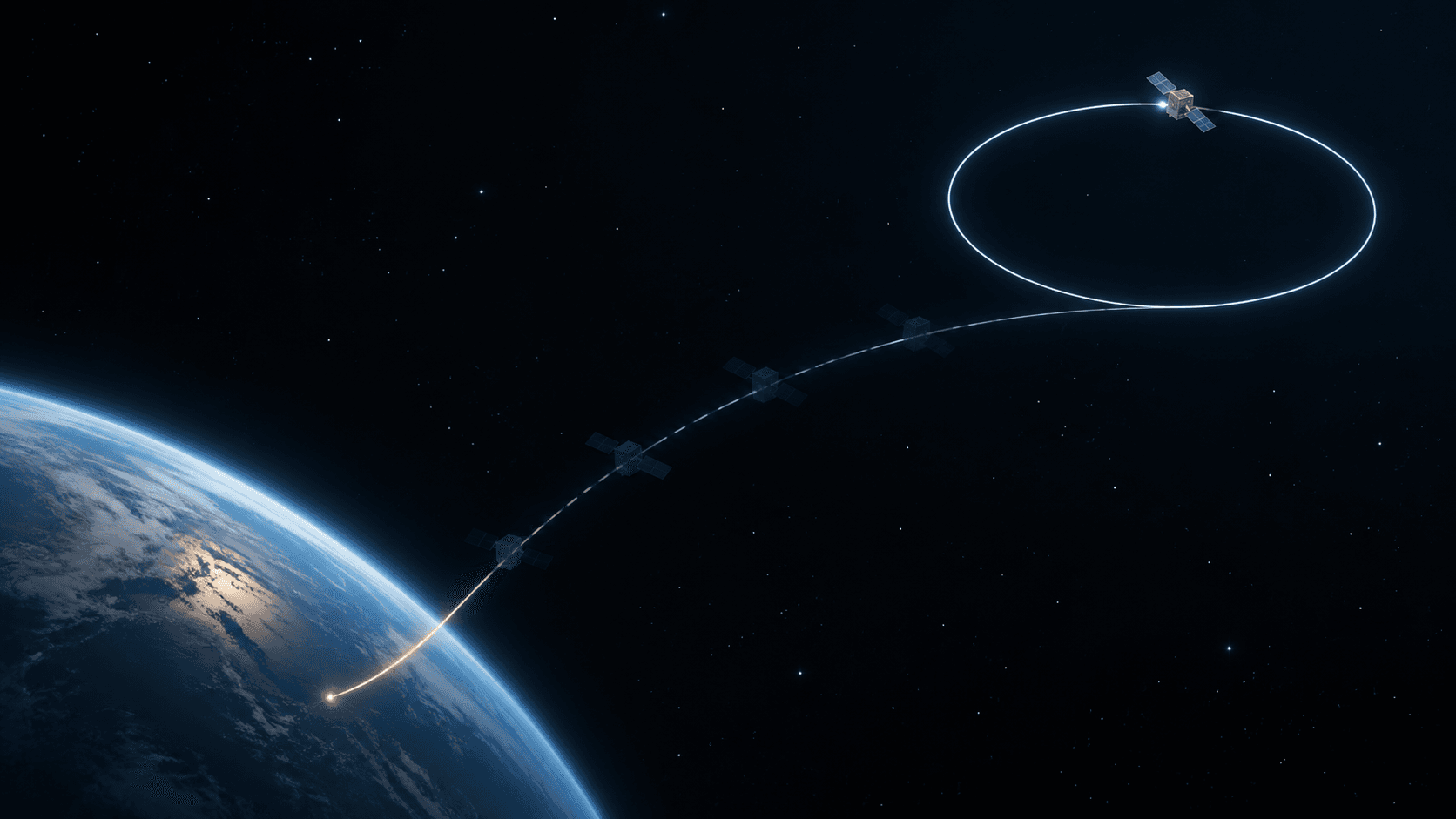
SpaceX’s mission plan lists 26 Starlink V3 satellites for deployment. Three carry cameras intended to image Starship’s heat shield after separation. The company says the satellites will subsequently deploy their antennas and solar arrays, establish communications and use onboard thrusters to raise their orbits before entering service.
The planned flight lasts nearly 10 hours and covers about six Earth orbits, according to SpaceX. Its return sequence calls for a single Raptor engine to perform a deorbit burn, followed by reentry and a controlled splashdown in the Pacific Ocean west of Chile. The company required sufficient redundancy in return-critical hardware before allowing the insertion burn.
This report covers the launch, orbital insertion and the webcast telemetry snapshot. It does not establish completion of the full satellite deployment, deorbit burn or splashdown. Those outcomes remain to be verified separately.
Reporting trail
Primary sources
For an image post, download the card and copy this suggested caption.
SpaceX’s broadcast showed Ship 41 coasting at 277 km after its insertion burn. Satellite deployment and the planned Pacific return are separate mission objectives. Read the full report: https://www.spaceexploration.in/news/starship-flight-14-first-orbit #SpaceExplorationNews #SpaceNews #SpaceMissions