Starship Flight 14
Starship Flight 14 targets September 28 for first planned orbit
SpaceX moved the earliest Flight 14 date six days from September 22 and says the attempt remains subject to regulatory approval. It has not given a reason for the change.
Add us as a preferred source on Google Add us as a preferred source on Google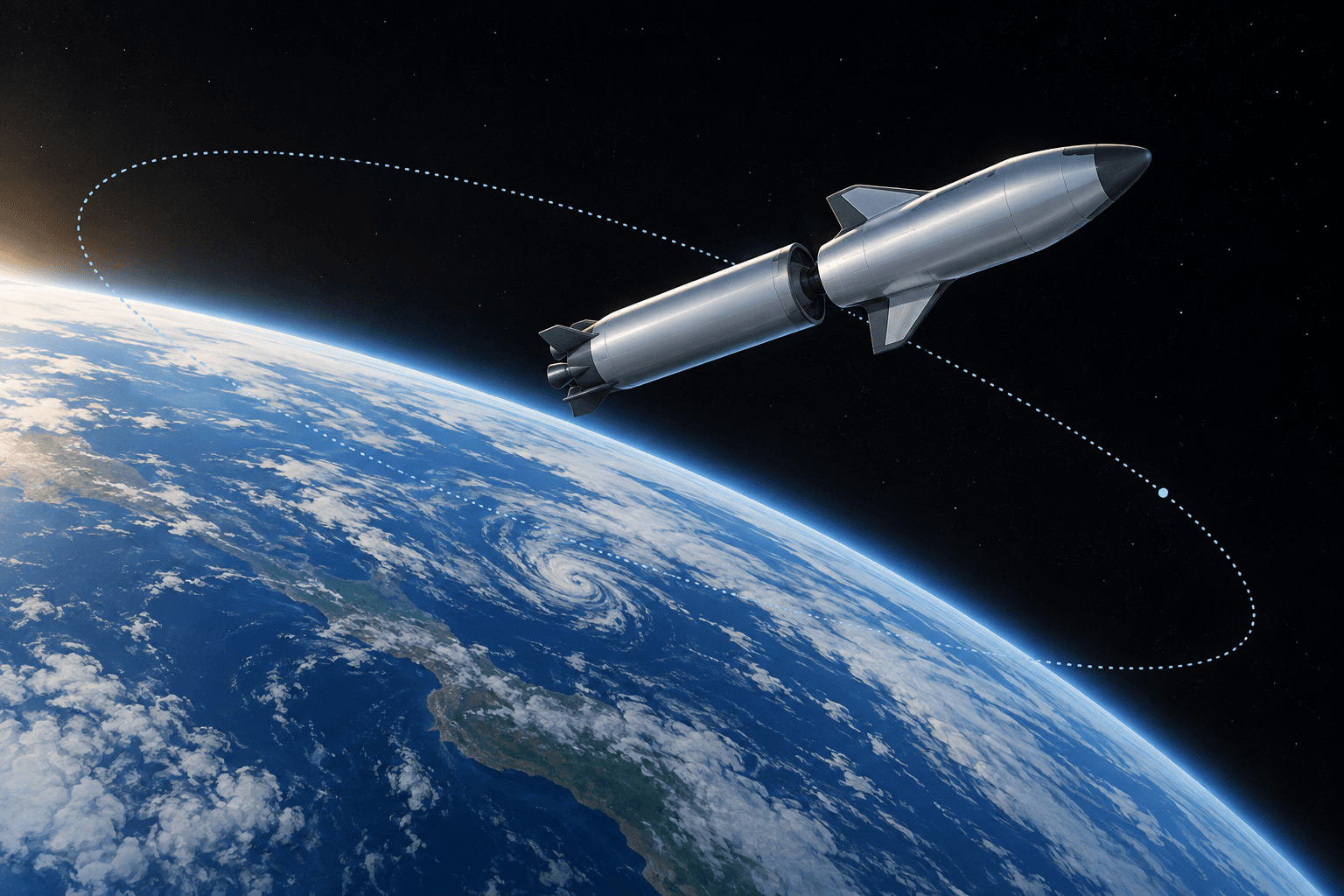
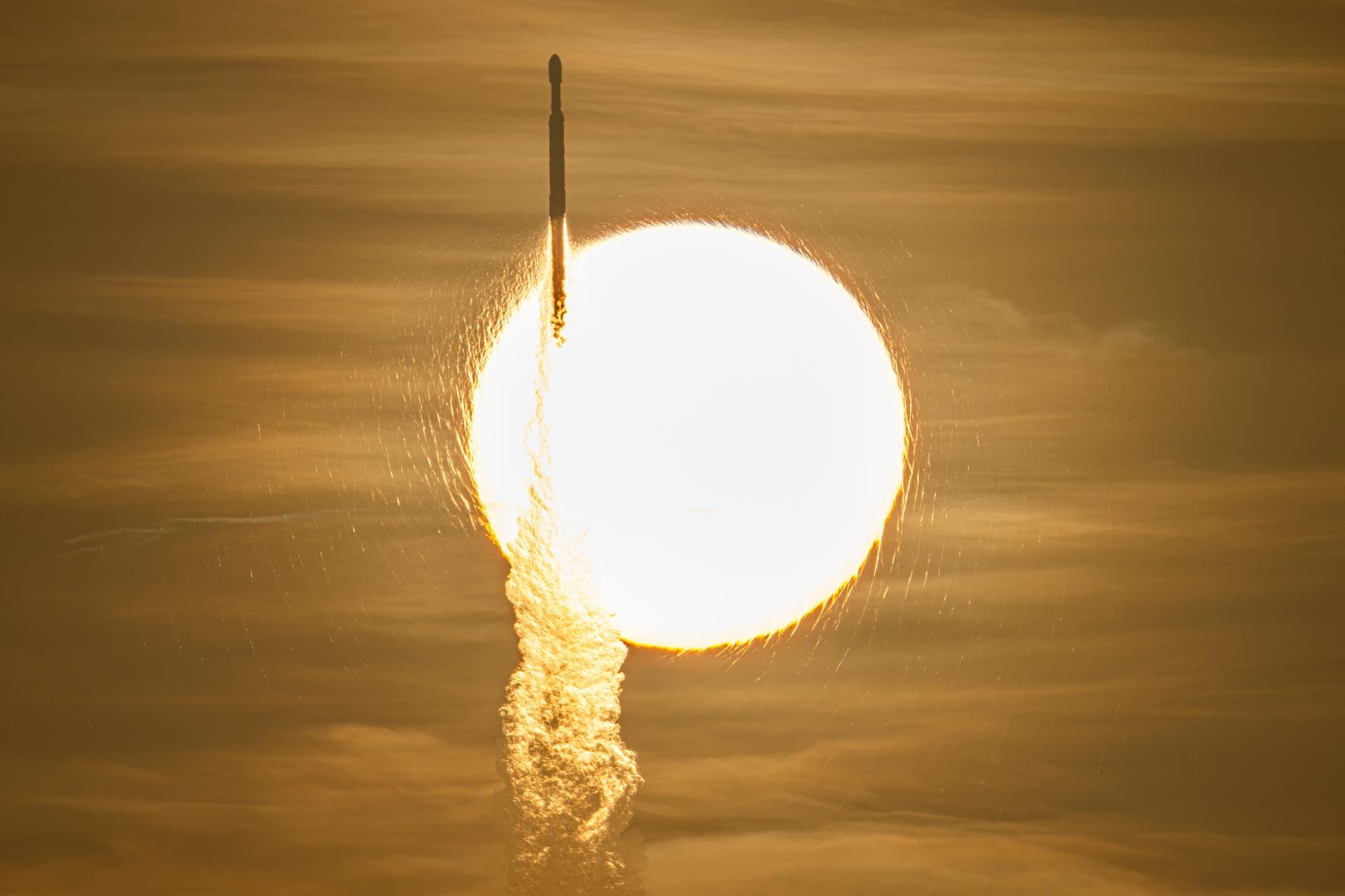
SpaceX has moved the earliest target for Starship Flight 14 from September 22 to Monday, September 28, the company’s mission page states. The page says the 75-minute launch window from Starbase in South Texas is due to open at 7:15 a.m. Central Time. Aviation Week reported on September 18 that Federal Communications Commission approval was still pending.
The change is a schedule update, not a flight result. SpaceX says the attempt is pending regulatory approval and describes the schedule as dynamic; Space.com reported that the company did not give a reason for moving the target by six days. No launch, orbital insertion, satellite deployment or splashdown has occurred.
A target for an orbital test
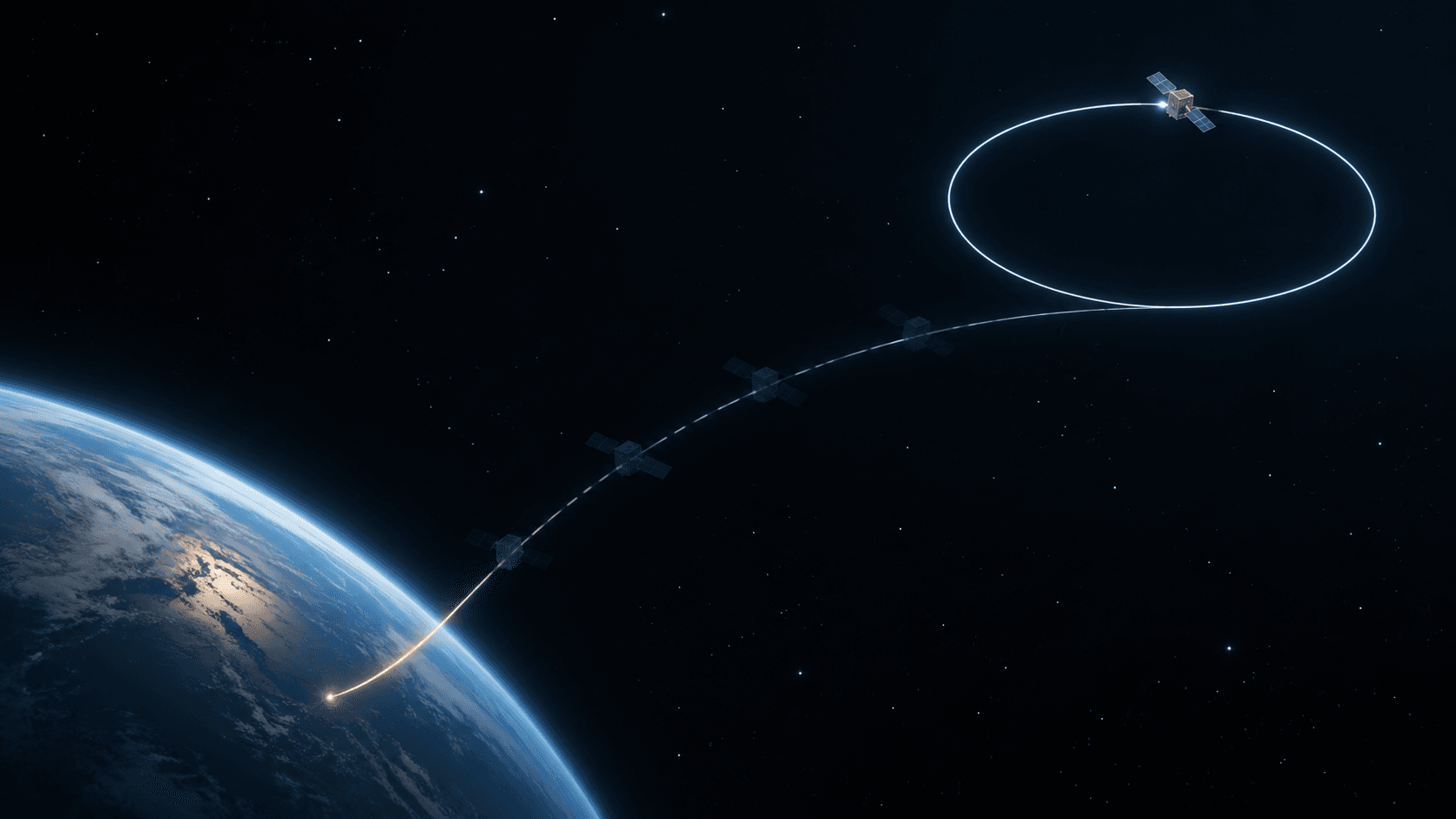
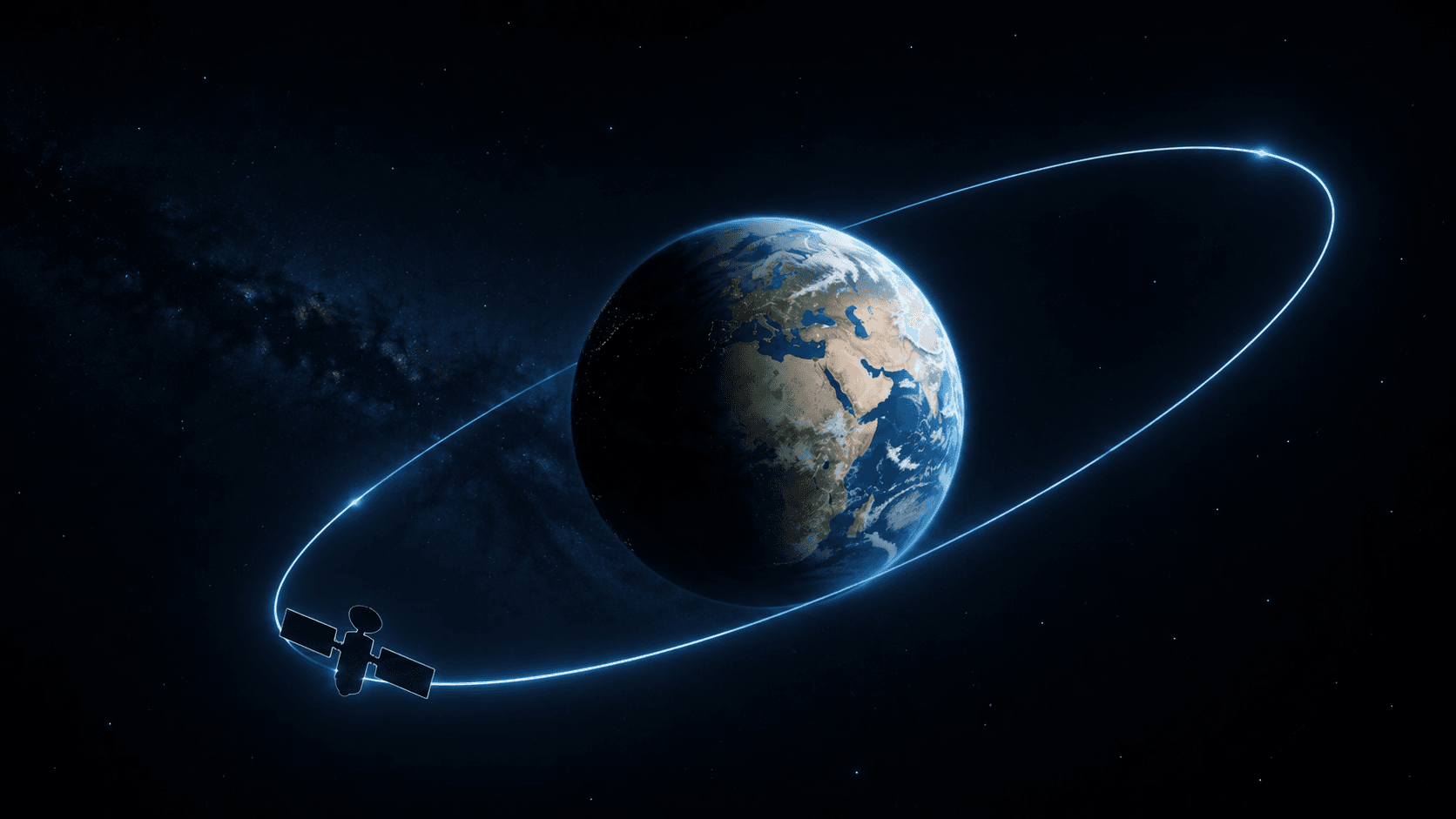
If Flight 14 proceeds, SpaceX plans to send Starship into orbit around Earth for the first time. The company’s mission description calls for the upper stage to fly at roughly 275 kilometres altitude, complete about six orbits over nearly 10 hours and target a Pacific Ocean splashdown west of Chile. Those are planned mission parameters, not completed milestones.
SpaceX says Starship would perform its orbital-insertion burn only after the flight-control team determines that hardware needed for the later deorbit burn has sufficient redundancy. The stated sequence therefore makes a successful ascent only one condition for an orbital attempt; it does not establish that the vehicle will complete the planned flight profile.
Planned payload and recovery tests
The upper stage is also planned to deploy 26 Starlink V3 satellites, SpaceX says. Three of those satellites are intended to carry cameras for imaging Starship’s heat shield after deployment, while the company says the flight will test additional heat-shield changes and two tiles recovered from the Flight 13 upper stage. The payload deployment, imagery and tile reuse all remain planned activities.
For Super Heavy, the company lists ascent, stage separation, boostback and landing burns at an offshore Gulf of America landing point as the primary objectives. SpaceX says it changed booster hardware and software after Flight 13, when it reported ice-clogging signs on three centre engines during the terminal part of the boostback burn and a hard splashdown after eight of 13 planned landing engines reignited.
What September 28 does not settle
The retargeted date does not confirm regulatory approval, liftoff, orbit or recovery. The next meaningful public change would be an approval decision, a further scheduling revision or a completed flight outcome. Until then, September 28 is the earliest target for a test whose principal objectives remain prospective.
Reporting trail
Primary sources
Pass the signal on
Share this report
LinkedIn will use this branded story card as the article preview. For a native image post, download the card and paste the suggested caption.
 Share on LinkedInOpens LinkedIn with the article preview↗
Suggested caption
SpaceX moved the earliest Flight 14 date six days from September 22 and says the attempt remains subject to regulatory approval. It has not given a reason for the change. Read the full report: https://www.spaceexploration.in/news/starship-flight-14-sept-28-target #SpaceExplorationNews #SpaceNews #SpaceMissions