Solar science
Aditya-L1 opens fourth observing call with November deadline
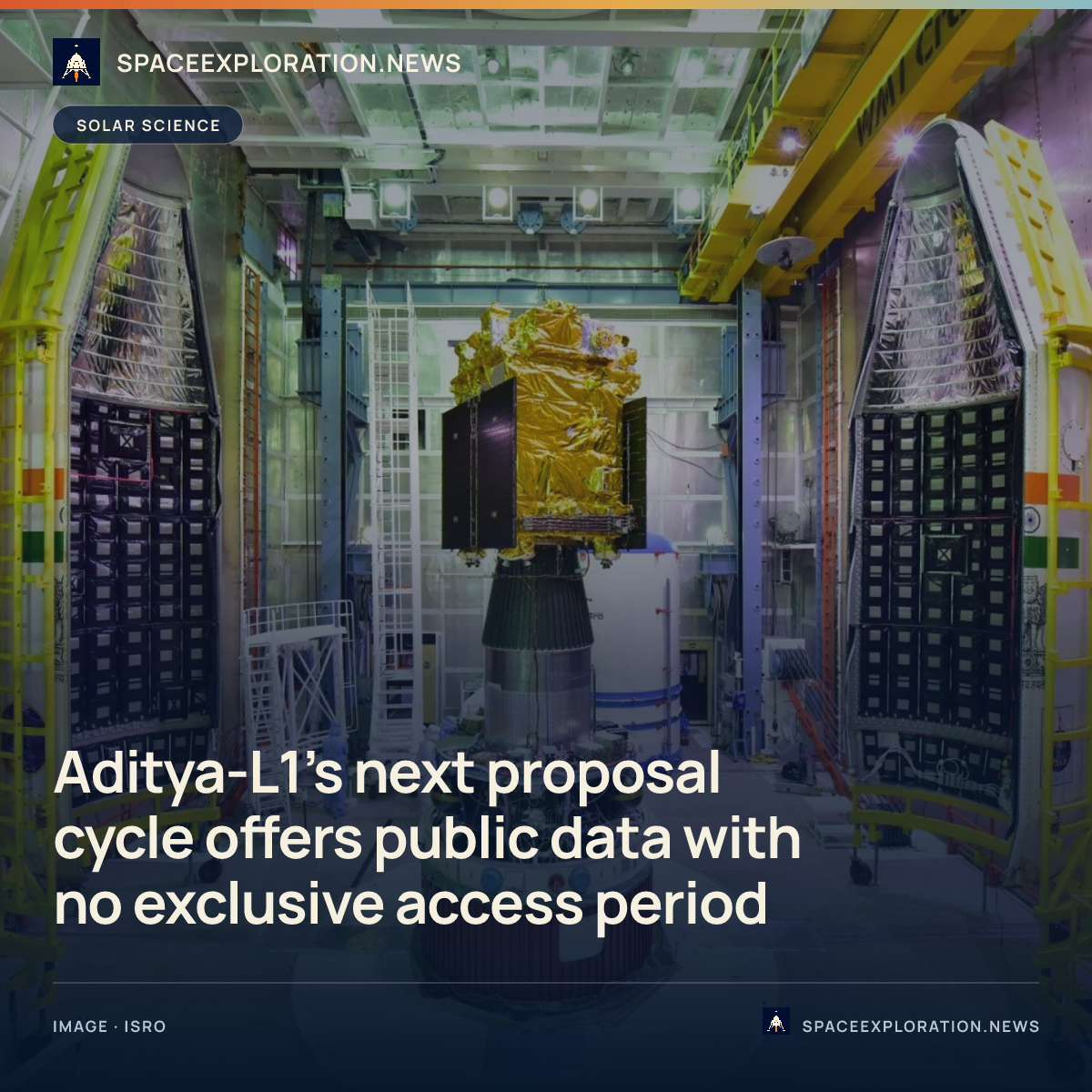
ISRO's October 16 call covers two solar instruments for January–March 2027; proposals close November 20 and approved observations remain subject to operations.
Add us as a preferred source on Google Add us as a preferred source on Google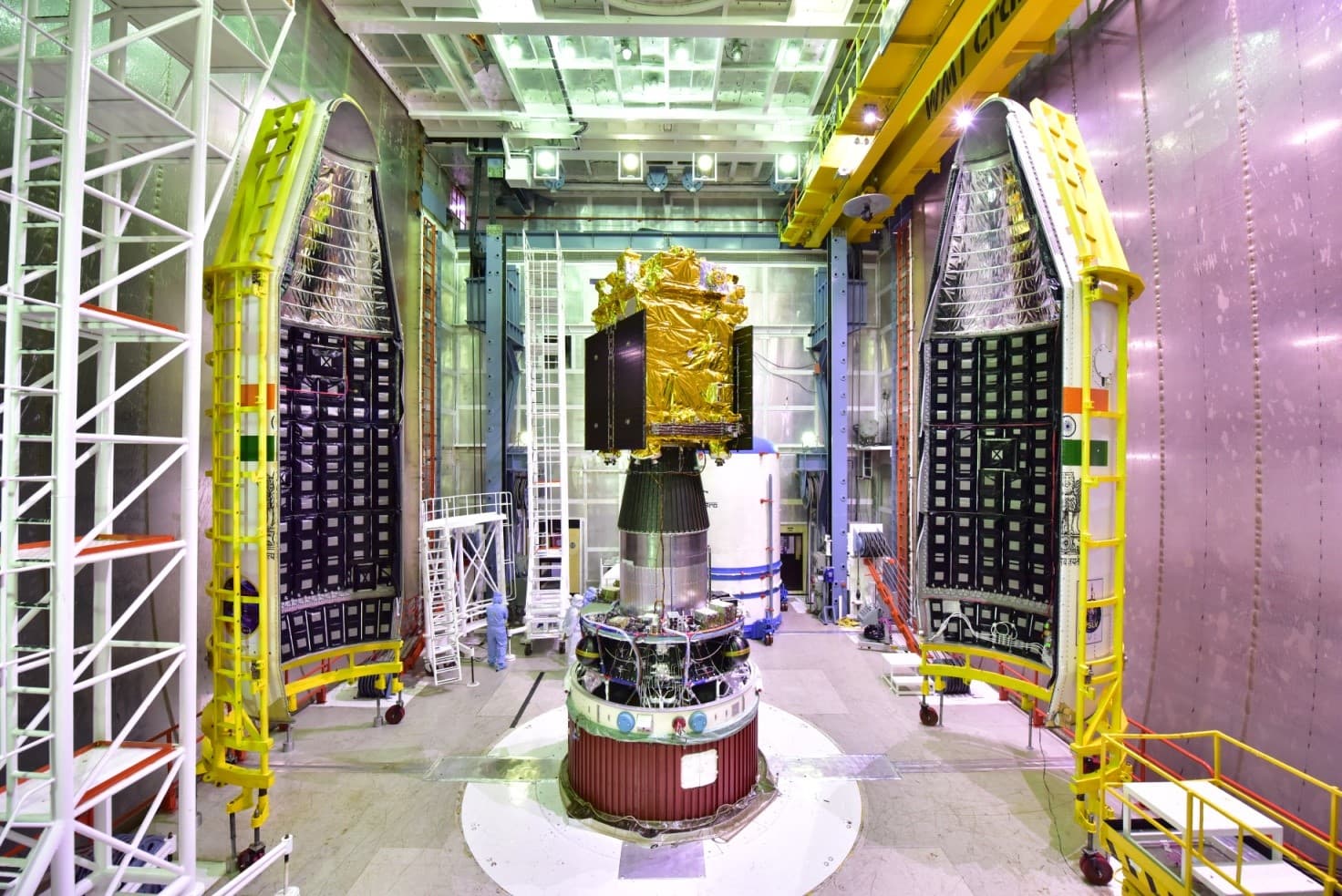
ISRO has issued the fourth call for observing proposals for India's Aditya-L1 solar mission, inviting researchers in India and abroad to request instrument time. The October 16 announcement and its accompanying document set a November 20, 2026 submission deadline for observations planned between January and March 2027.
The call accepts proposals for only the Visible Emission Line Coronagraph (VELC) and Solar Ultra-violet Imaging Telescope (SUIT). ISRO's mission description identifies the coronagraph's work as imaging and spectroscopy of the corona, the Sun's outer atmosphere; the ultraviolet telescope images the photosphere and chromosphere, lower layers of the solar atmosphere.
The fourth-cycle document gives proposing teams no exclusive period to use the resulting observations. Data will enter the public domain through the Indian Space Science Data Centre immediately after generation, and other researchers may use them even if they did not submit the observing proposal, ISRO states.
Researchers must submit electronically through the Aditya-L1 Proposal Processing System. The eligibility criteria require solar-science researchers who can justify the proposed observations scientifically and technically and analyse the resulting data. The mission's time-allocation committee will assess scientific merit and technical feasibility, according to the call.
Proposals must specify the observations in advance because the spacecraft operates to a pre-planned schedule. ISRO asks applicants to justify instrument settings, exposure times, cadence and requested observing duration, using the instrument guides and supporting calculations where applicable.
Approval does not guarantee execution: the document allows some observations to move outside the January–March window for operational reasons and says a particular observation may not be carried out regardless of priority. ISRO will post scheduling updates through the data centre.
Reporting trail
Primary sources
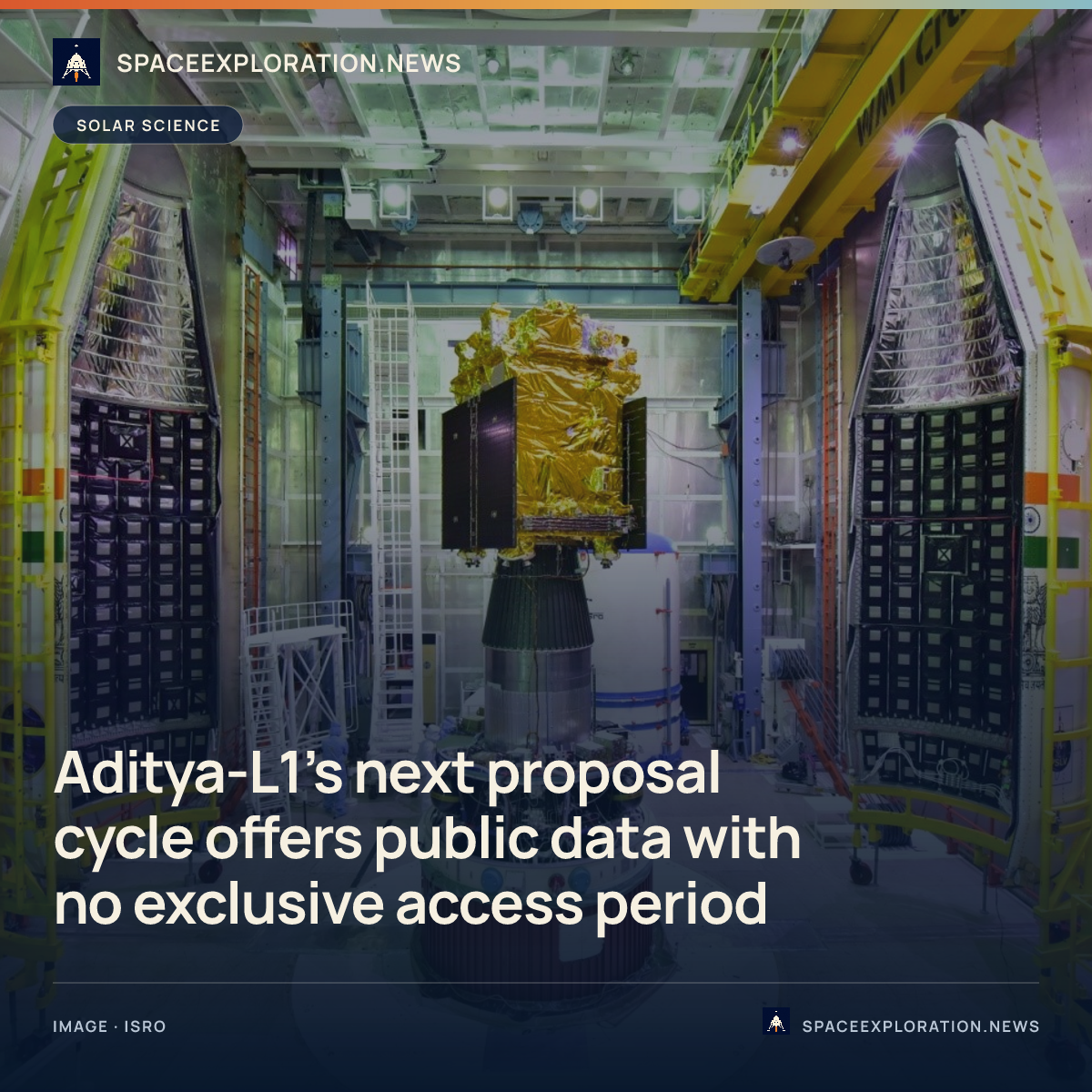
For an image post, download the card and copy this suggested caption.
ISRO's October 16 call covers two solar instruments for January–March 2027; proposals close November 20 and approved observations remain subject to operations. Read the full report: https://www.spaceexploration.in/news/aditya-l1-fourth-observation-call #SpaceExplorationNews #SpaceNews #SpaceScience