Solar science
Aditya-L1 opens a third cycle of observing time
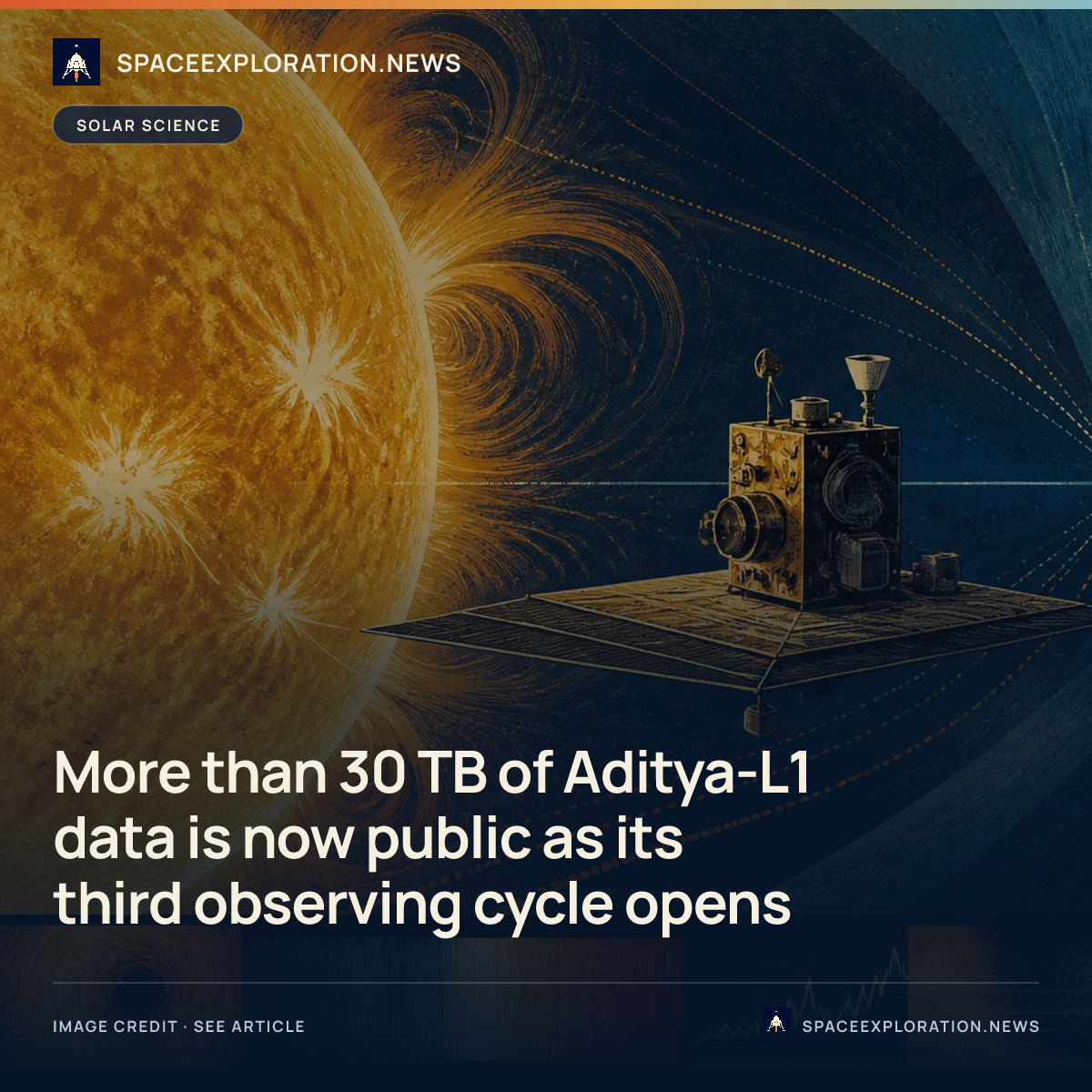
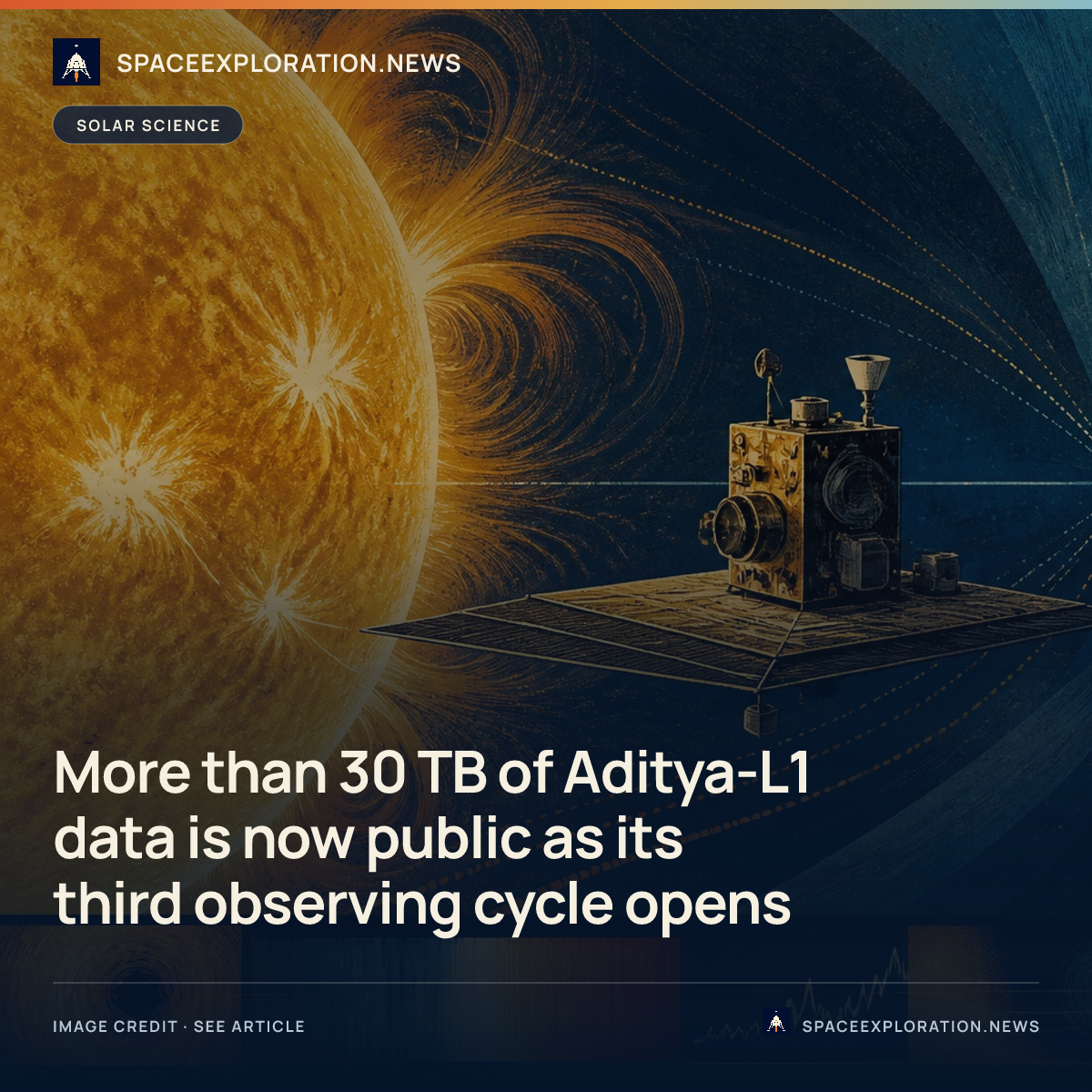
With more than 30 TB of mission data already public, ISRO is inviting India’s solar-physics community to propose the observatory’s next investigations.
Add us as a preferred source on Google Add us as a preferred source on Google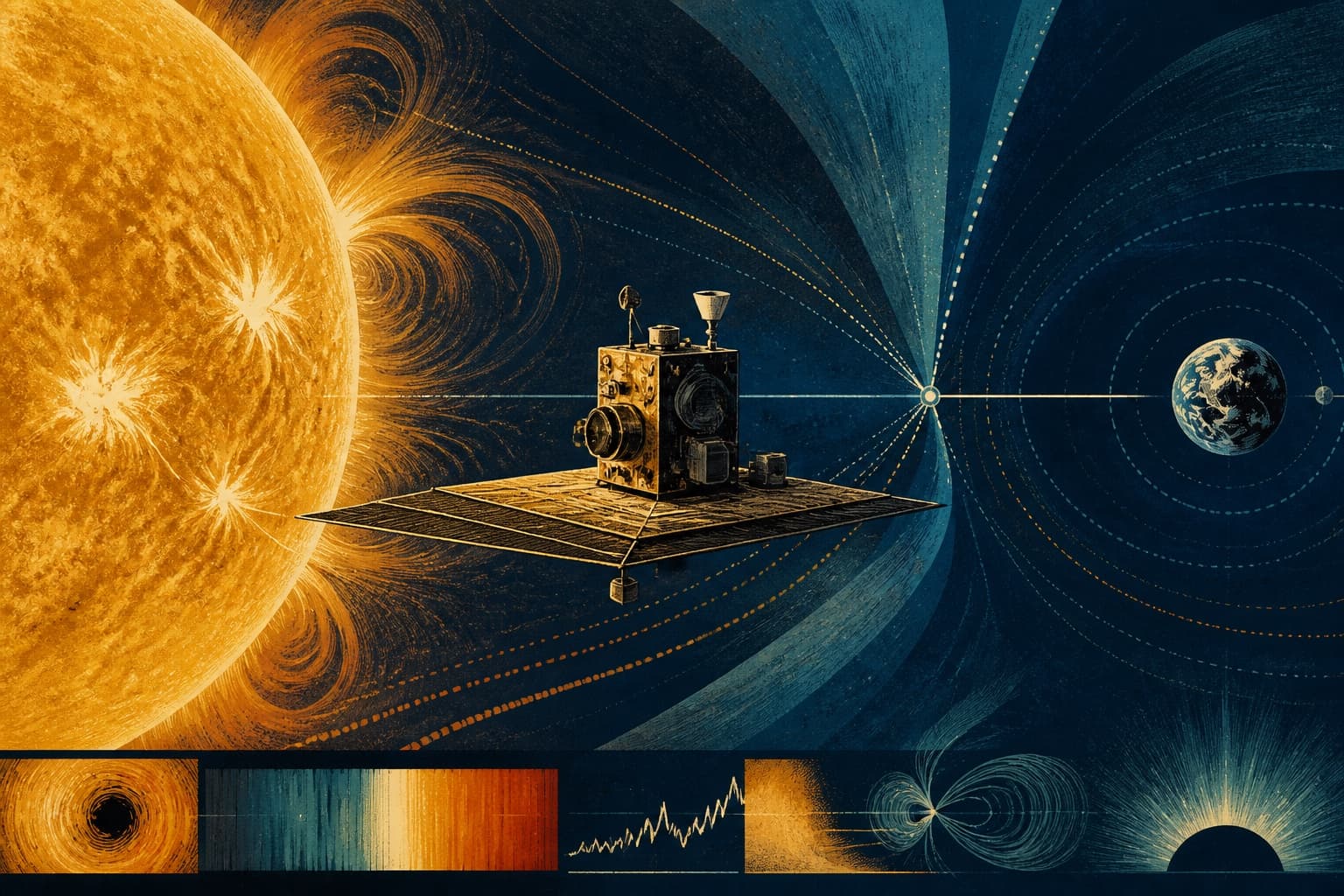
Aditya-L1 is moving further into the rhythm of an operating observatory. ISRO’s third announcement of opportunity asks researchers to compete for observing time, shifting part of the mission’s scientific programme from commissioning-led priorities toward questions proposed by the wider solar-physics community.
A stable view of a changing star
From the Sun–Earth L1 region, the spacecraft can maintain a near-continuous view of the Sun without the regular occultations faced by many Earth-orbiting observatories. That geometry supports coordinated study of the photosphere, chromosphere, corona, solar wind and the chain of events that can grow into space-weather disturbances near Earth.
The archive is becoming part of the instrument
ISRO says more than 30 terabytes of Aditya-L1 data are already available publicly and that multiple results have reached peer-reviewed journals. The expanding archive lets researchers revisit events across instruments, compare solar conditions over time and frame proposals around observations that already exist rather than starting from an empty catalogue.
An observing cycle does not simply hand over control of the spacecraft. Proposals still have to fit mission constraints, instrument safety and scheduling priorities. Its significance is institutional: Aditya-L1 is being operated as a shared scientific facility whose return depends on sustained community use, not only the success of launch and commissioning.
Reporting trail
Primary sources
For an image post, download the card and copy this suggested caption.
With more than 30 TB of mission data already public, ISRO is inviting India’s solar-physics community to propose the observatory’s next investigations. Read the full report: https://www.spaceexploration.in/news/aditya-l1-third-observation-cycle #SpaceExplorationNews #SpaceNews #SpaceScience