Science
Archival Hubble spectra point to possible second-generation planet
A new study identifies niobium around white dwarf HS 0209+0832 and a 4.399-day brightness cycle; neither observation directly detects a planet.
Add us as a preferred source on Google Add us as a preferred source on Google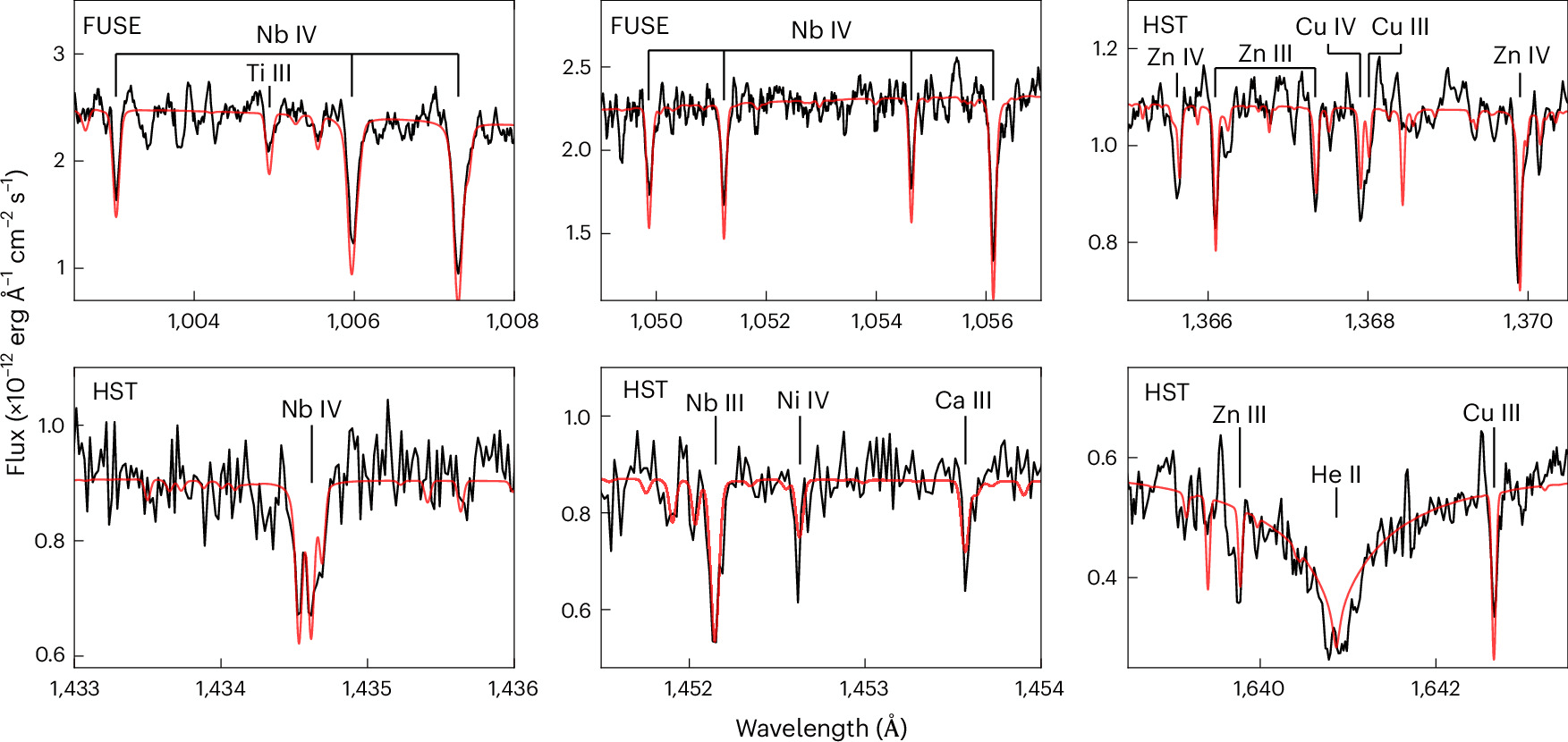
A study published on October 5 reinterprets archival Hubble observations of the white dwarf HS 0209+0832 as evidence for an unusual source of material falling onto the star. The authors propose a gas giant that formed from matter expelled late in the star’s life, but describe it as a second-generation planet candidate rather than a confirmed planet.
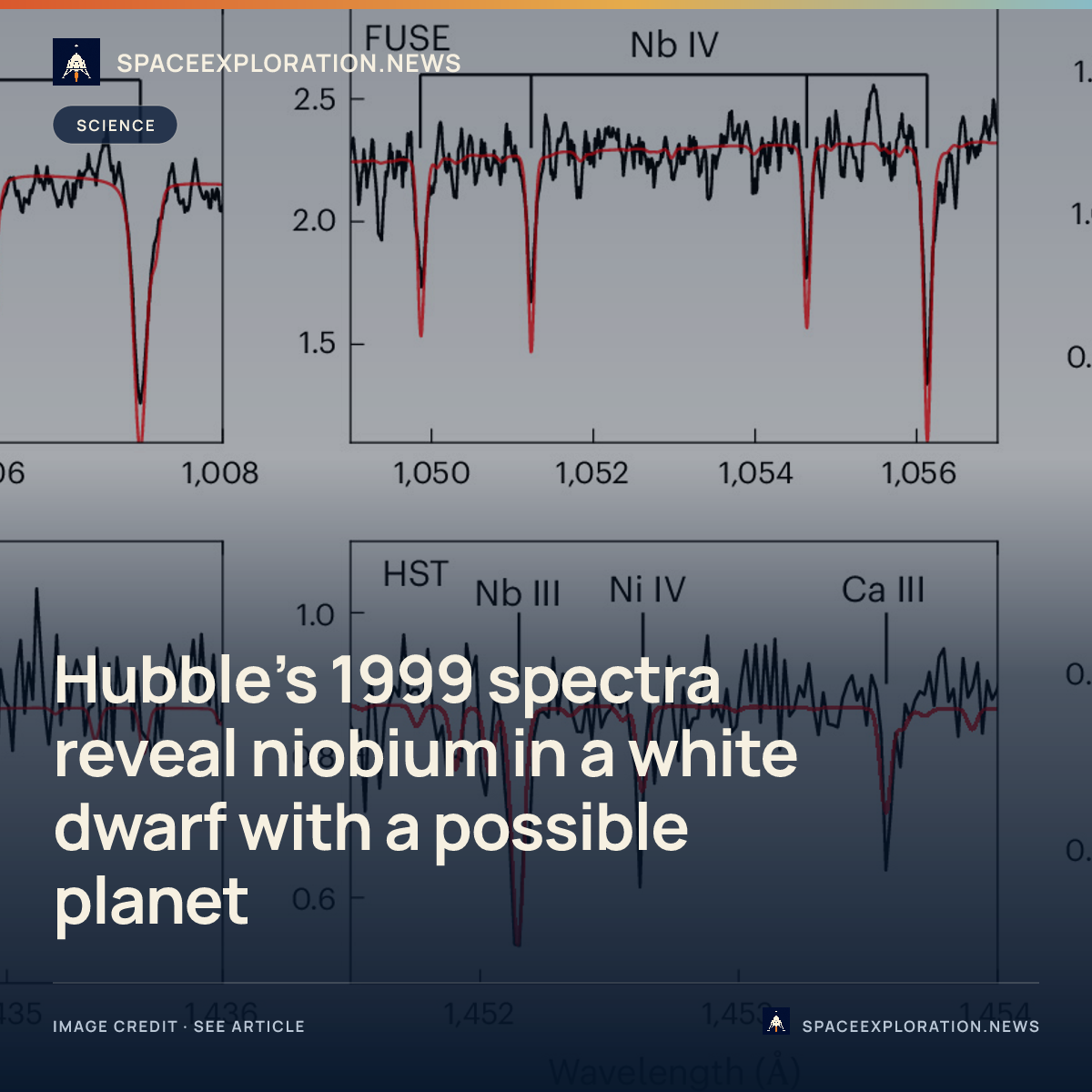
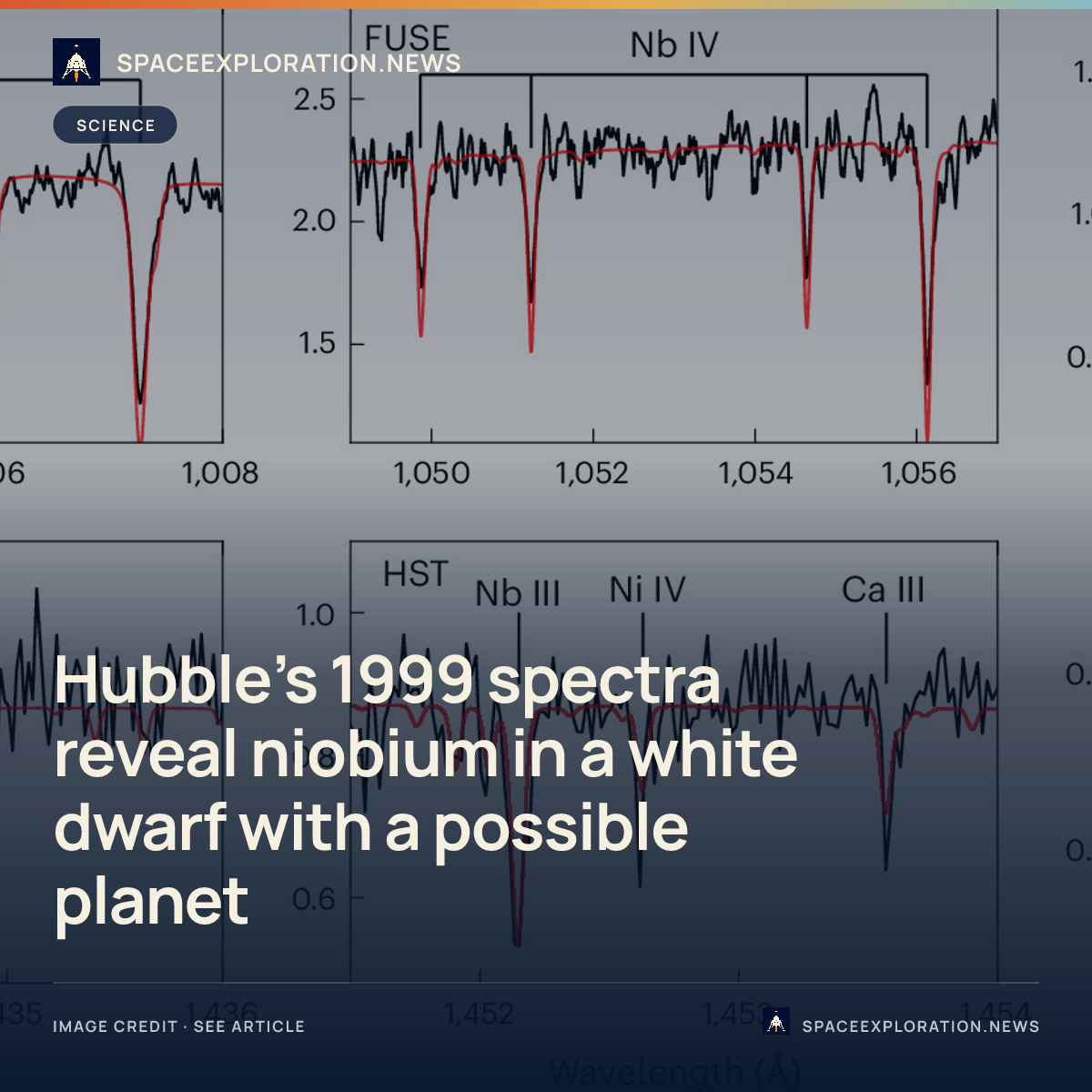
Hubble recorded ultraviolet spectra of the star in 1999. Roughly 100 absorption features were unidentified in the earlier analysis; using updated atomic data, the new team matched many to copper and niobium. The paper also finds niobium signatures in archival observations by the Far Ultraviolet Spectroscopic Explorer, an independent instrument check on the chemical identification.
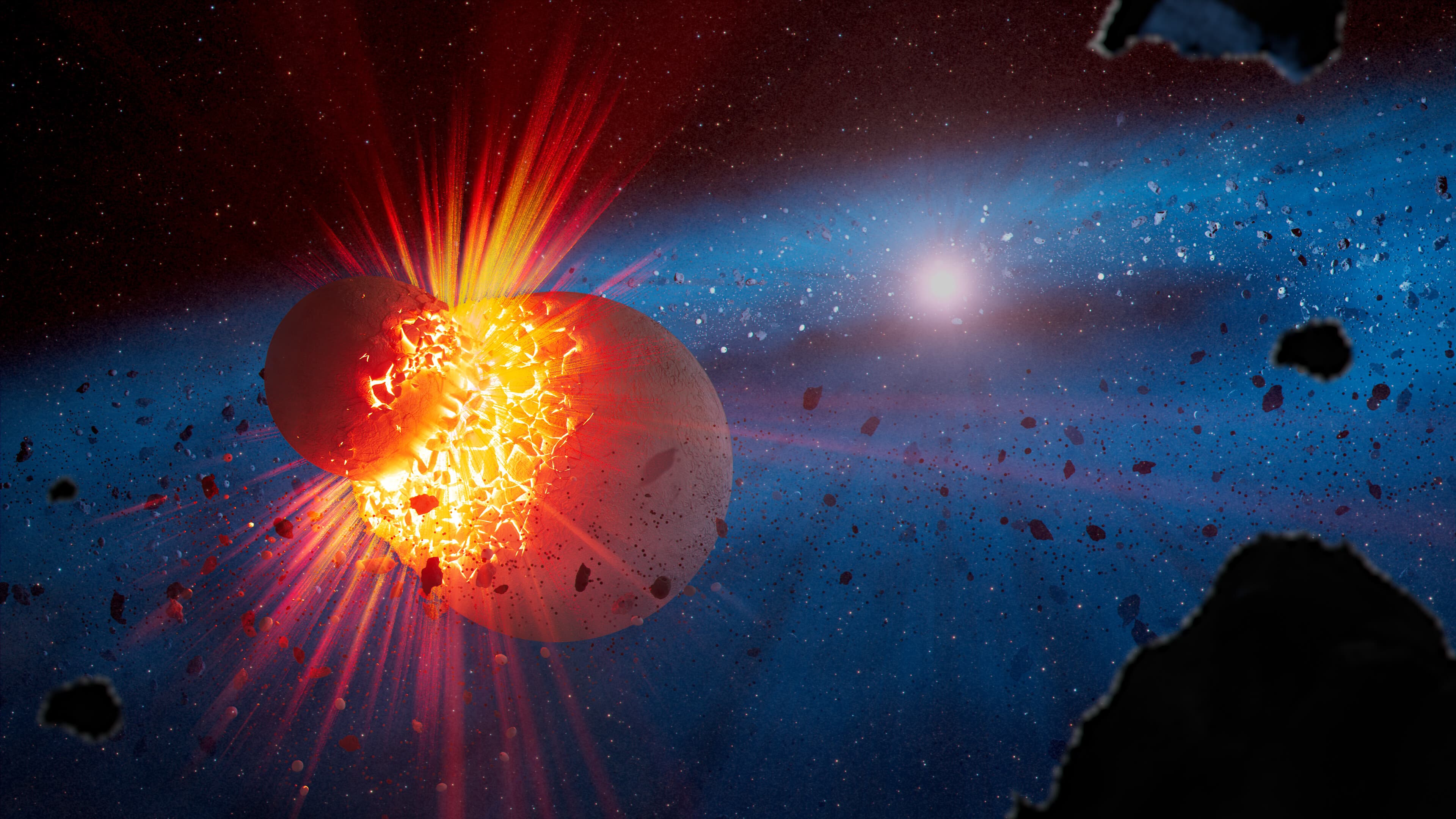
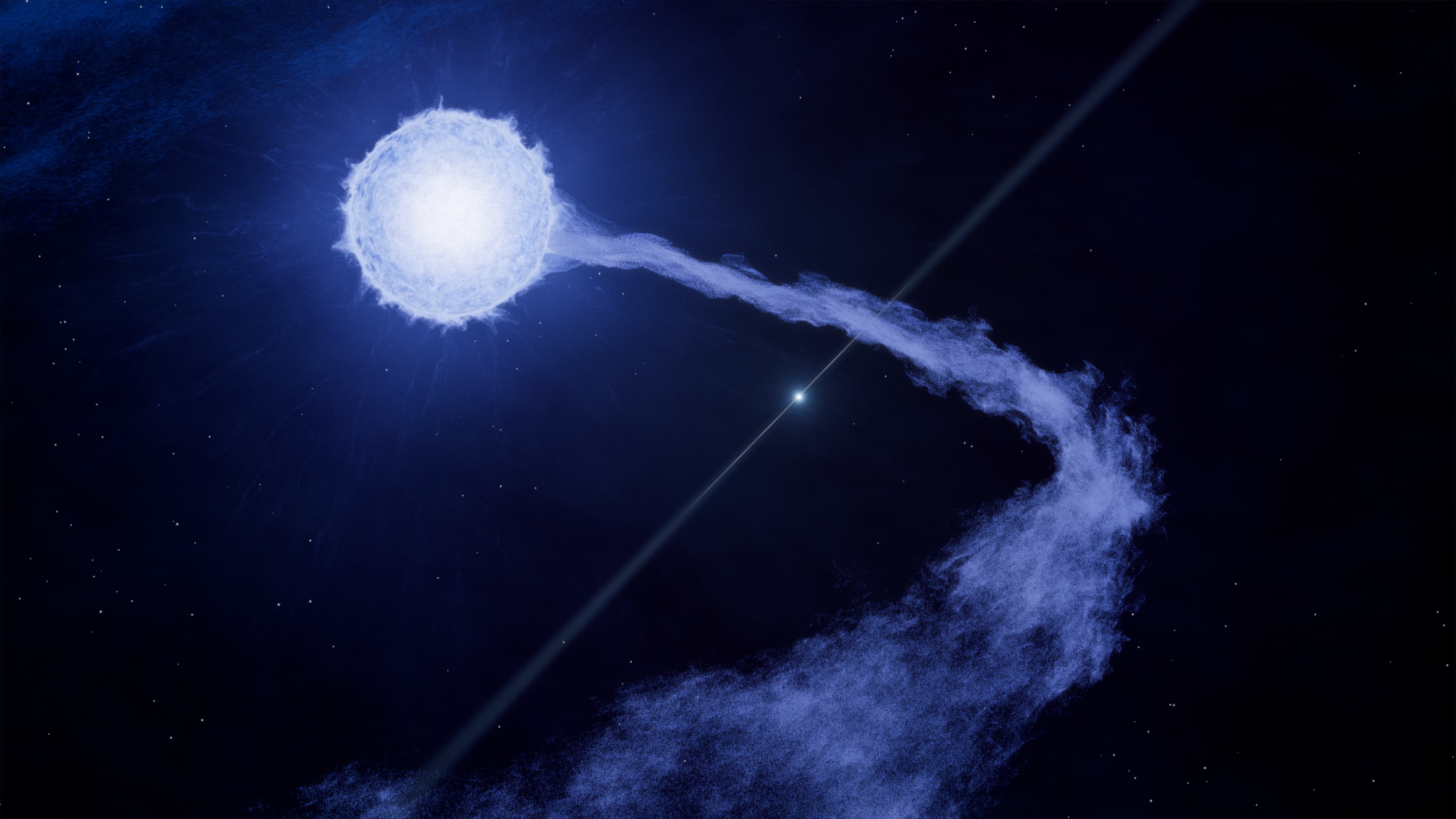
The inferred material is rich in niobium, zinc and copper, while the paper finds little silicon and no detected iron. The authors argue that this pattern, together with helium in the white dwarf’s atmosphere, is inconsistent with ordinary rocky debris and fits material enriched during the parent star’s late evolution. In their model, some expelled gas assembled into a planet and the hot white dwarf now strips material from it.
A separate analysis of light measured by NASA’s Transiting Exoplanet Survey Satellite found a repeating 4.399-day variation with an amplitude of about 0.12%. The researchers say an irradiated giant planet at roughly 0.04 astronomical units could produce such a cycle. They also consider a changing view of a tail of escaping material; the brightness pattern alone does not establish the companion’s nature.
How such a world formed is less settled still. The paper considers both a planet assembled after the star shed its outer layers and an older planetary core that acquired a new atmosphere from that material. Neither path was directly observed. The 2026 result is a new analysis of older telescope data, and further observations are needed to test the candidate and its history.
Reporting trail
Primary sources
For an image post, download the card and copy this suggested caption.
A new study identifies niobium around white dwarf HS 0209+0832 and a 4.399-day brightness cycle; neither observation directly detects a planet. Read the full report: https://www.spaceexploration.in/news/hubble-white-dwarf-second-generation-planet #SpaceExplorationNews #SpaceNews #SpaceScience