Science
Science Advances papers document rare 2024 lunar impact
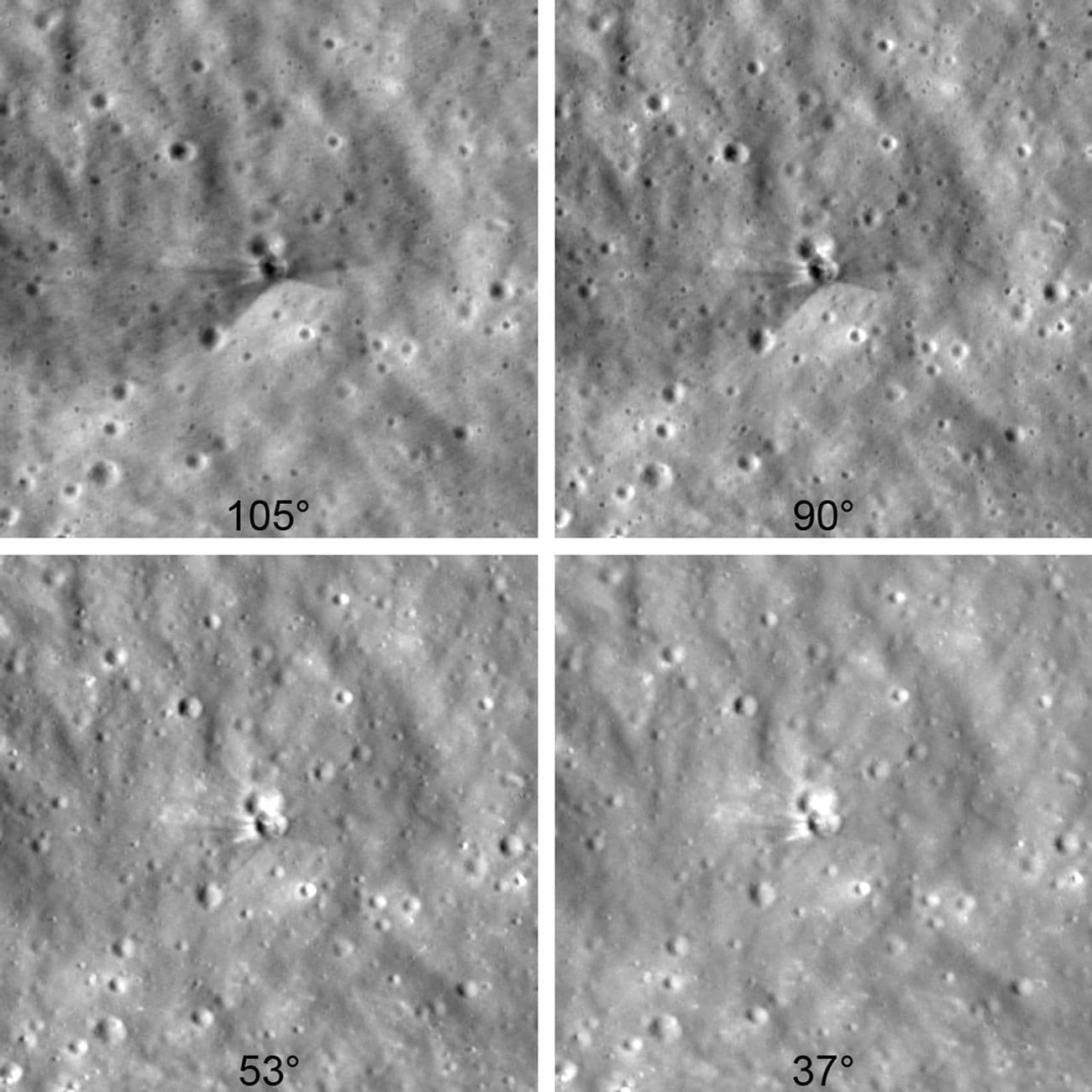
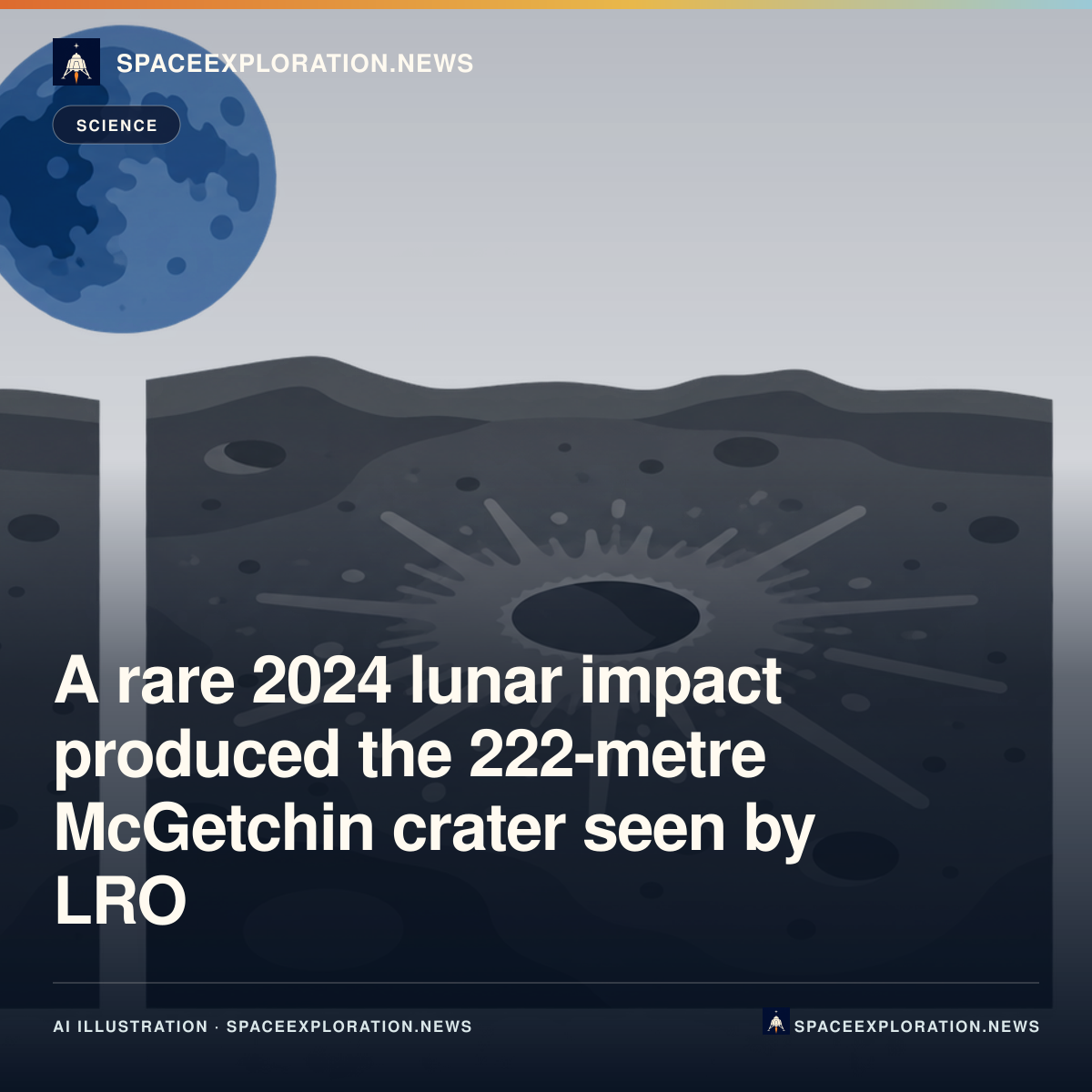
NASA's Lunar Reconnaissance Orbiter later identified the 222-metre McGetchin crater in before-and-after images; the papers concern that finding, not a newly observed impact.
Add us as a preferred source on Google Add us as a preferred source on Google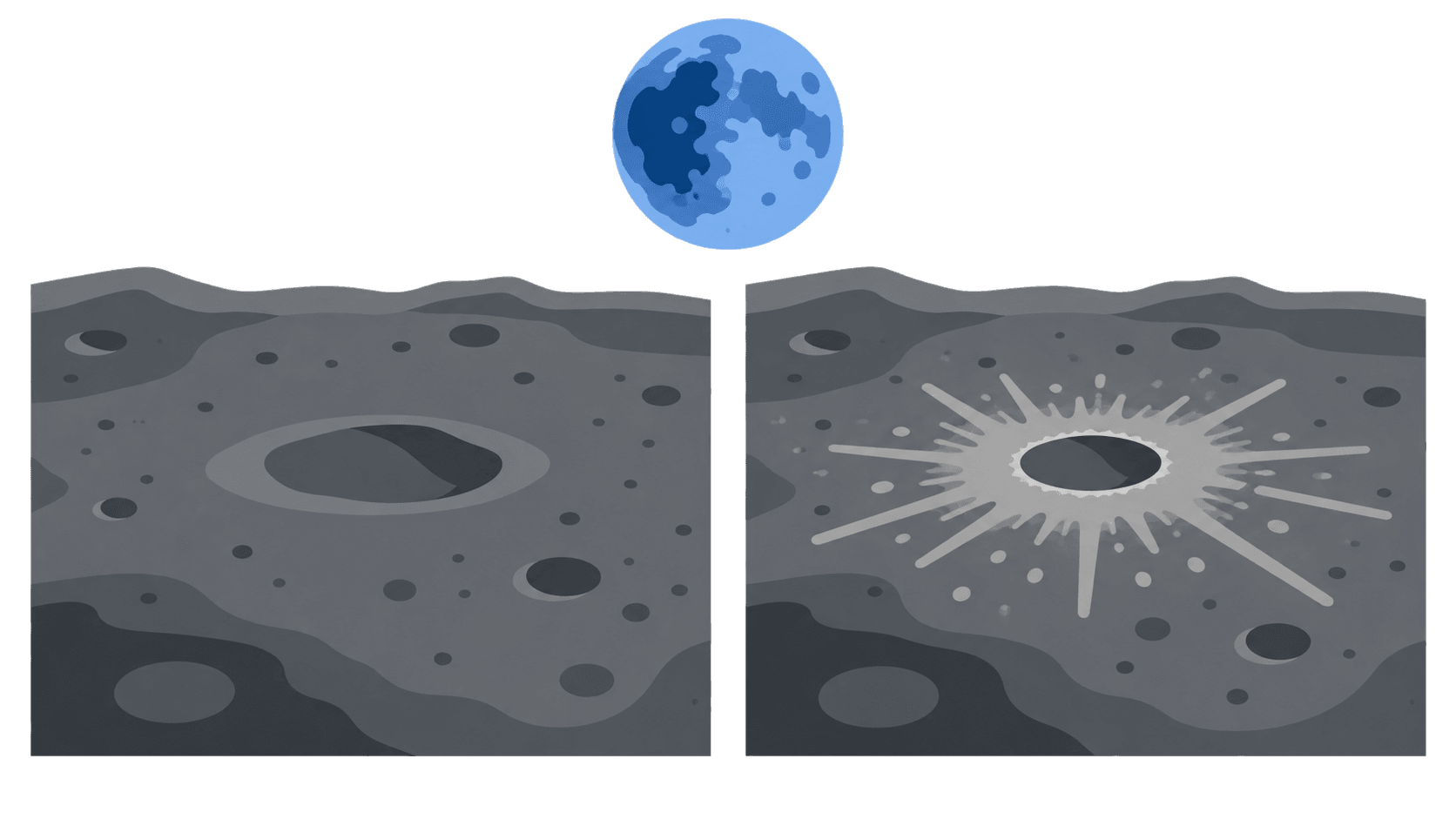
Two papers published in Science Advances on September 15 document a 222-metre crater that NASA's Lunar Reconnaissance Orbiter, or LRO, identified on the Moon's eastern limb. NASA says McGetchin formed between April 11 and May 22, 2024. The image review that led scientists to the feature began on October 24, 2025, so the current papers report its identification and analysis rather than a newly observed impact.
The Lunar and Planetary Institute says McGetchin is the largest crater both formed and discovered during LRO's time at the Moon. NASA describes the event as the largest newly formed crater yet found in the Solar System and estimates an impact of that scale occurs on the Moon about once a century or longer. The accounts identify the current result as a rare chance to examine a fresh impact before later weathering and bombardment alter its surface.
What the orbiter found
Comparisons of older and newer wide-angle images first showed a bright patch surrounded by a dark halo, a pattern from material disturbed around a new crater. Follow-up narrow-angle images measured the crater at 222 metres across and about 43 metres deep, according to the Lunar and Planetary Institute. NASA says the bright feature in the comparison image is ejecta, not the crater itself.
A second paper used LRO's Diviner thermal instrument to examine the disturbed ground around McGetchin. NASA says it found a nighttime cold spot about 4 miles wide and roughly 16 degrees Fahrenheit cooler than nearby terrain; researchers attribute that effect to impact debris that made the lunar regolith less dense and less able to retain heat. NASA adds that the impactor was not observed, describing it only as a possible comet or asteroid roughly the size of a three- to six-storey building.
Reporting trail
Primary sources
Pass the signal on
Share this report
LinkedIn will use this branded story card as the article preview. For a native image post, download the card and paste the suggested caption.
 Share on LinkedInOpens LinkedIn with the article preview↗
Suggested caption
NASA's Lunar Reconnaissance Orbiter later identified the 222-metre McGetchin crater in before-and-after images; the papers concern that finding, not a newly observed impact. Read the full report: https://www.spaceexploration.in/news/mcgetchin-lunar-crater-discovery #SpaceExplorationNews #SpaceNews #SpaceScience