Planetary science
Mercury contraction may be underestimated by up to 30%, study finds
The authors found fewer mapped shortening features in rough terrain and use that pattern to revise estimates of the planet's cooling-driven contraction.
Add us as a preferred source on Google Add us as a preferred source on Google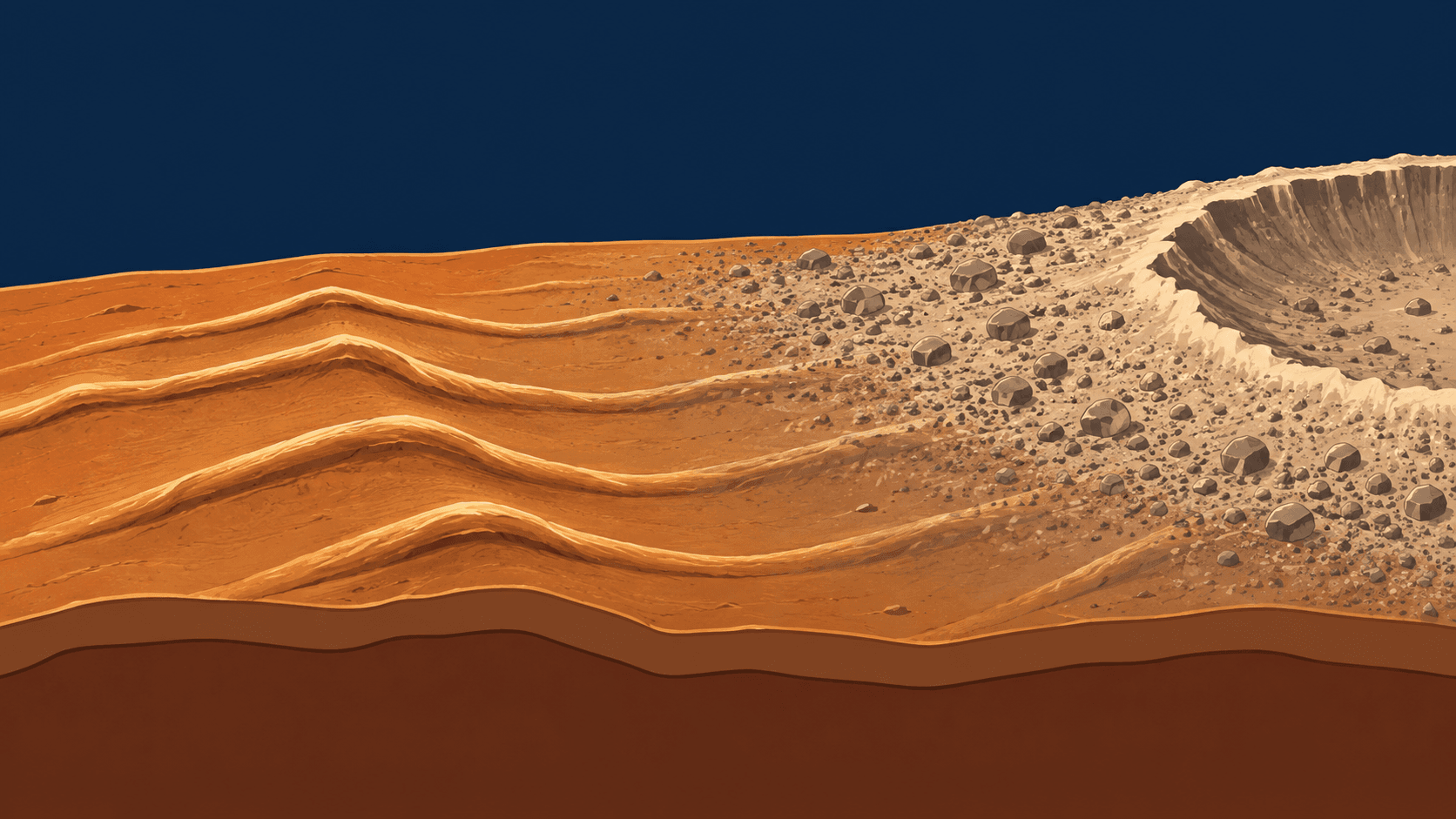
A study published September 10 in Geophysical Research Letters finds that Mercury's radial contraction may be 10% to 30% greater than earlier estimates. The authors link the revision to a shortfall of mapped shortening structures — ridges and scarps — in rough terrain, where impact ejecta or other roughness-related processes can obscure or inhibit their recognition.
The researchers compared a global roughness map with catalogues of shortening structures and contractional strain. In one model cited in the paper, a roughness-based correction raised the radial-contraction estimate from 8.3 kilometres to 11.6 kilometres. The authors say the size of that correction depends on how small structures are interpreted and whether they reflect global cooling or local tectonics.
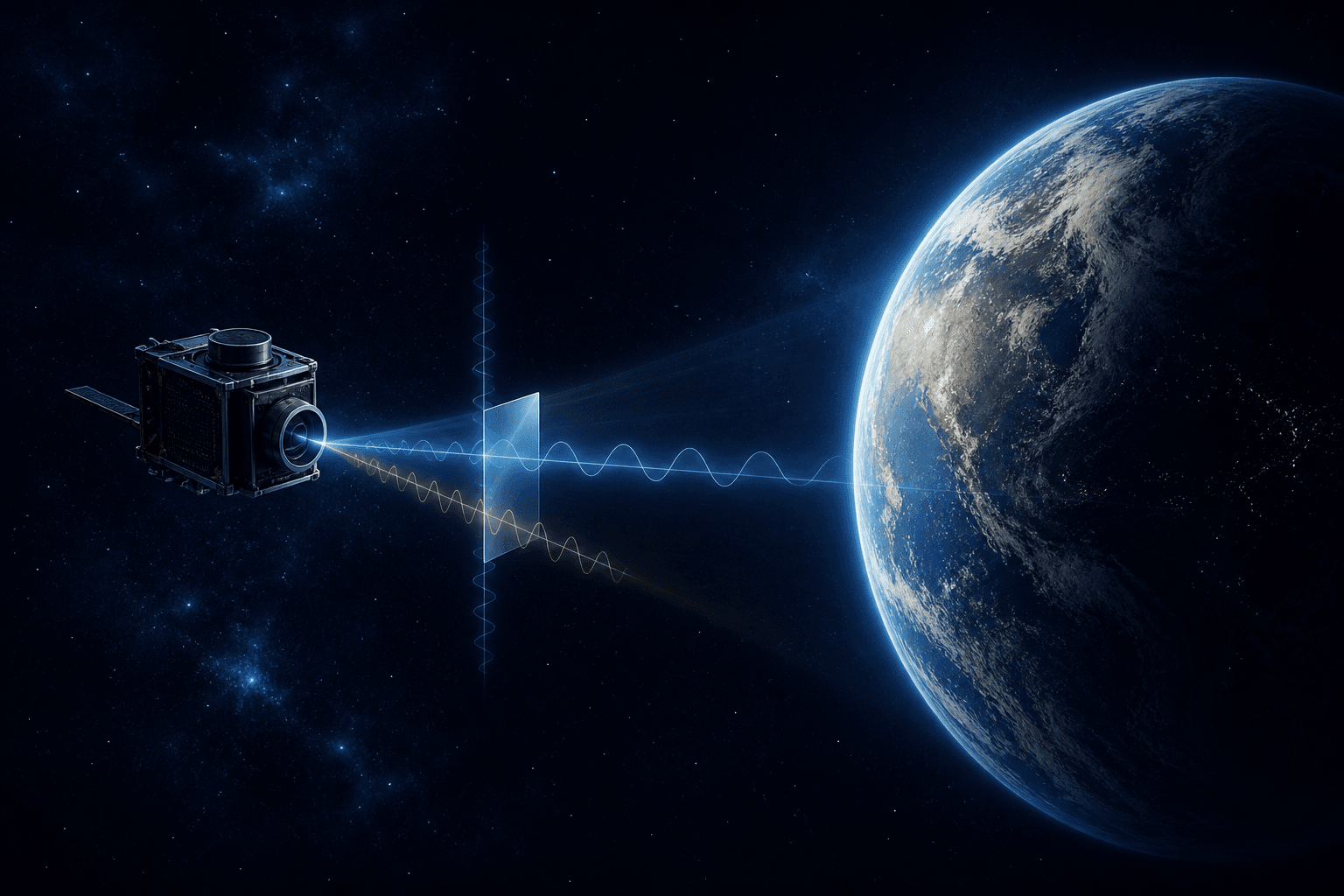
The paper treats its correction as a lower bound. It cannot yet determine whether roughness hides existing structures, prevents their formation or reflects both effects. The authors say BepiColombo's laser altimeter could map roughness at baselines as short as 100 metres, offering a way to examine the relationship at finer scales.
This report relies on the peer-reviewed paper and its accompanying American Geophysical Union release; Space Exploration .IN has not independently reproduced the roughness map or the contraction estimate.
Reporting trail