Lunar logistics
NASA awards $1.3 billion in lunar transport task orders
Six orders cover launch and orbital transfer demonstrations. Company plans describe future missions, including a Ranger vehicle still in development; the combined value is separate from the broader contract ceiling.
Add us as a preferred source on Google Add us as a preferred source on Google
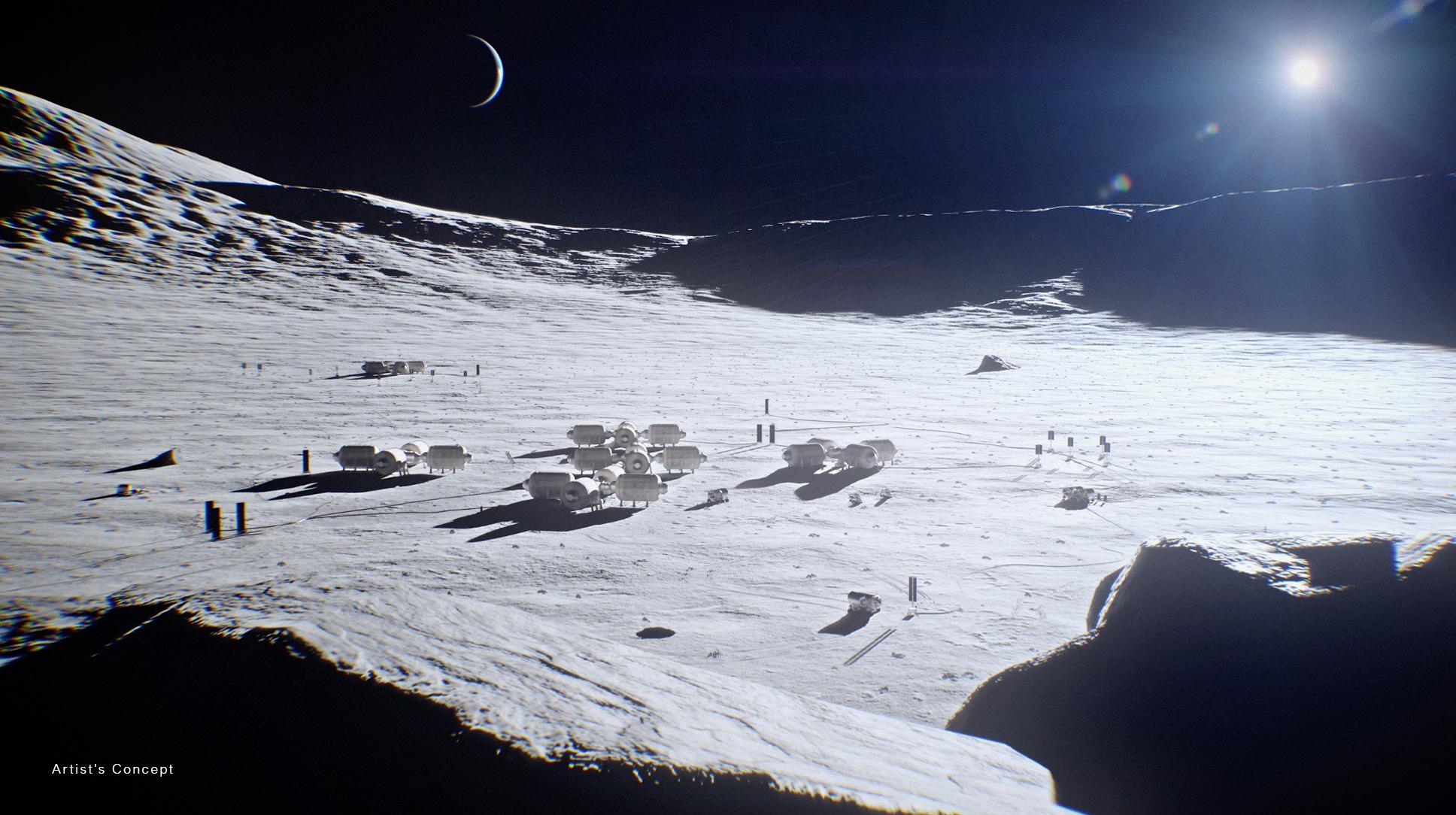
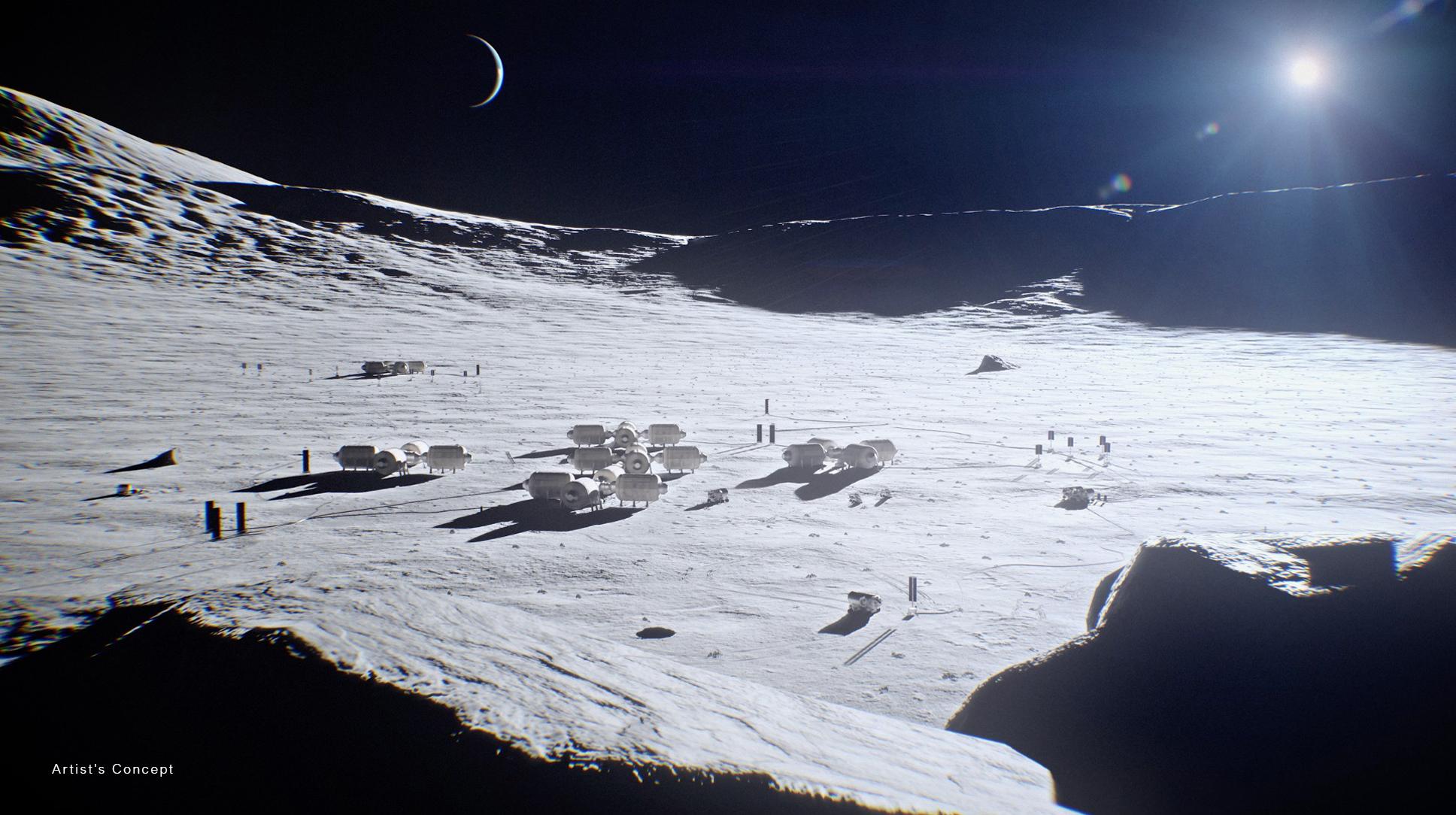
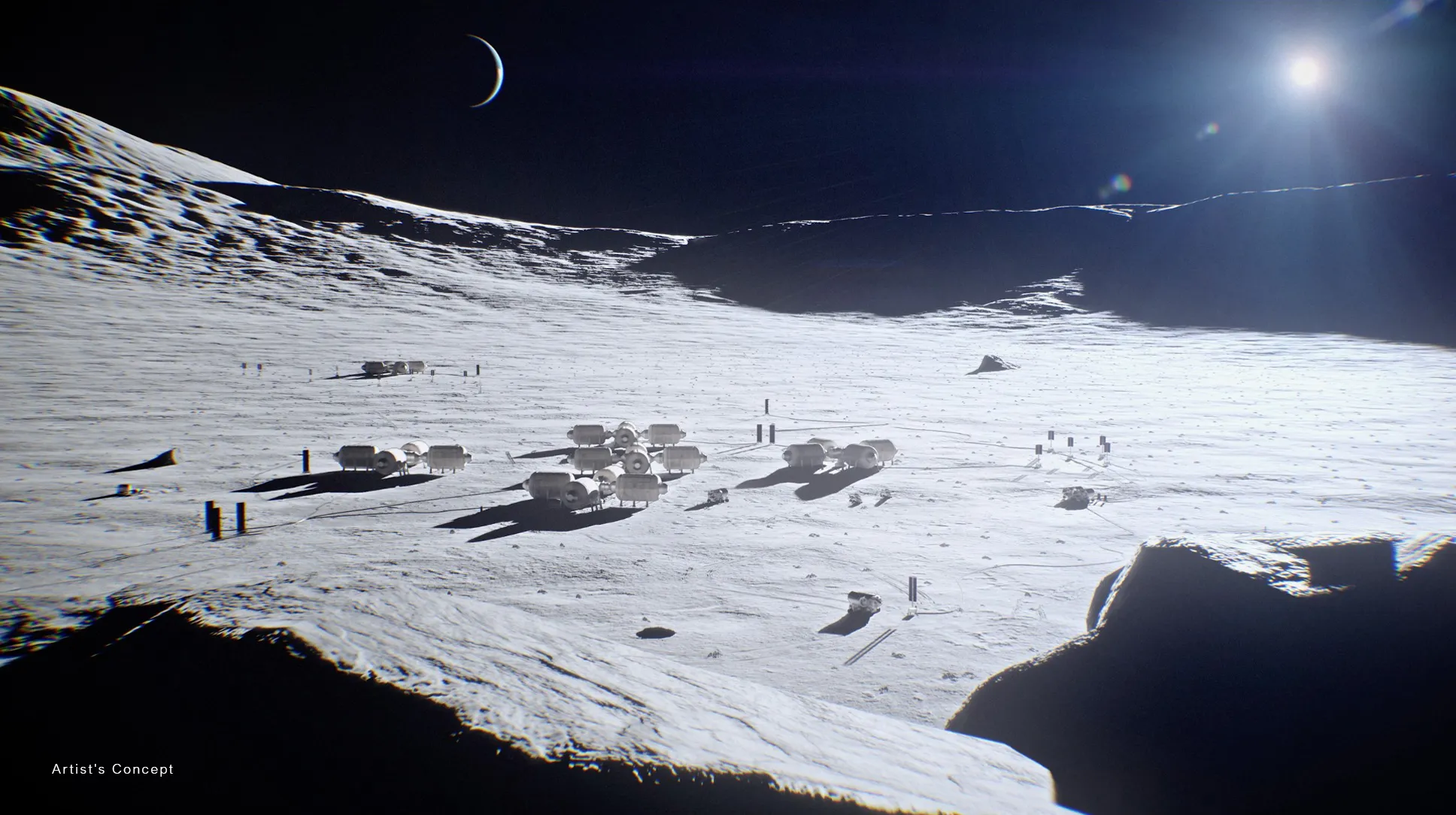
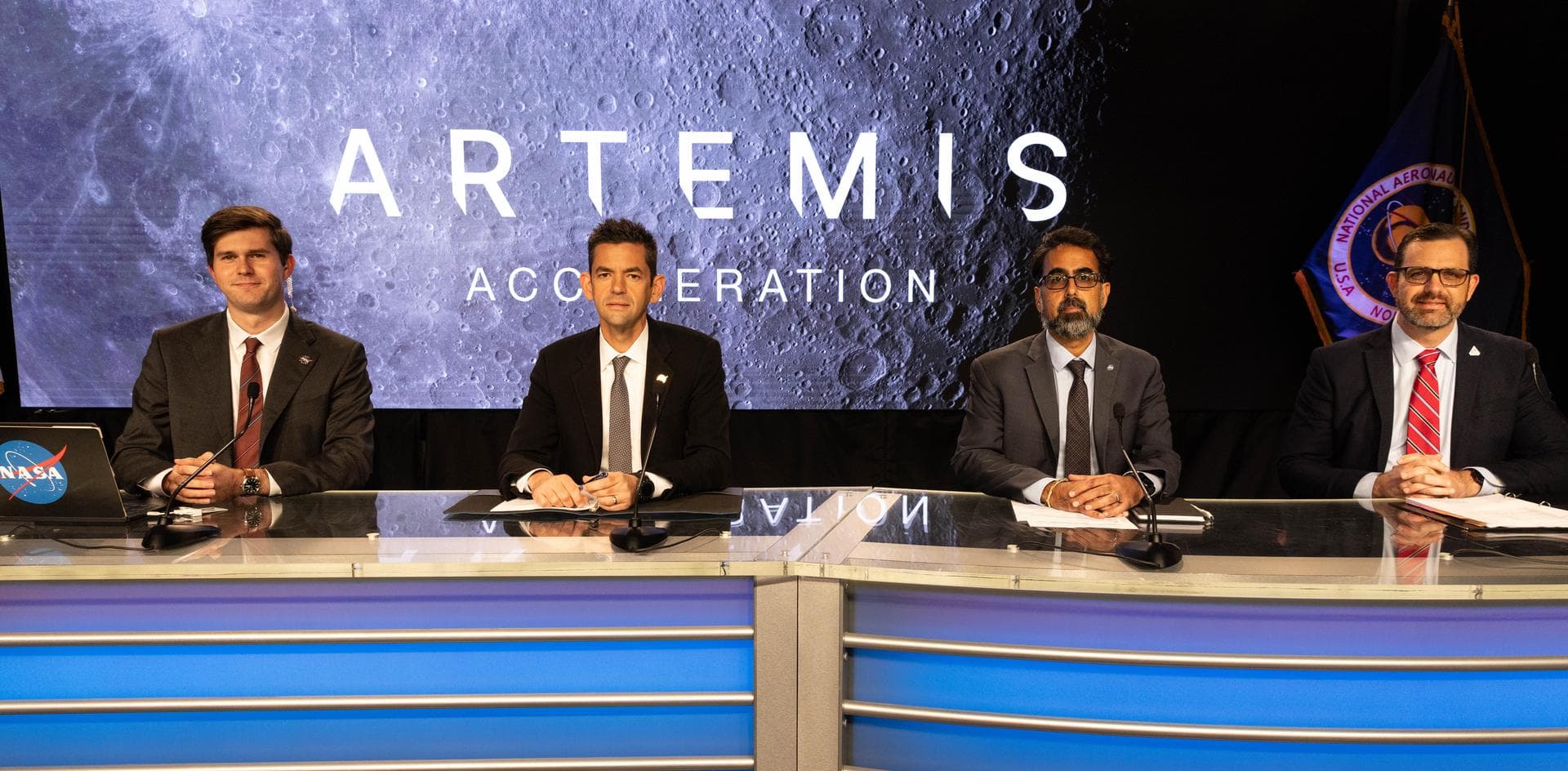
NASA awarded six launch and orbital transportation task orders worth approximately $1.3 billion combined on November 7. The agency named Arrow Science and Technology, Blue Origin and Impulse Space as recipients, buying demonstrations of cargo transport between Earth and the Moon.
The orders sit within NASA’s Venture-Class Acquisition of Dedicated and Rideshare contract, known as VADR. Its $5 billion maximum spans the wider ten-year contract. That ceiling differs from the value of these six orders and from the separate commercial lunar lander framework announced the same day.
NASA outlined missions testing navigation, communications and transfers in the region between Earth and the Moon. The work includes delivering CAPSTONE 02 to test proximity manoeuvres and communications, and transporting MoonFall drones intended to scout terrain beyond traditional rovers’ reach. These are demonstration objectives, rather than completed capabilities.
The agency lists New Glenn, Terran R and Falcon 9 as launch vehicles, supplied by Blue Origin, Relativity Space and SpaceX. Blue Origin, Firefly Aerospace, Impulse Space and Quantum Space will provide spacecraft for the in-space transportation work, according to the award announcement.
Impulse’s November 7 announcement describes two orders. One pairs a Falcon 9 launch with an option for Mira vehicles to deliver alternative payloads to lunar-region space. The other uses Terran R to launch Helios and an Impulse lander. The company plans for Helios to act as a kick stage, then for the lander to deploy NASA payloads in their target orbits before testing a descent profile toward the lunar surface.
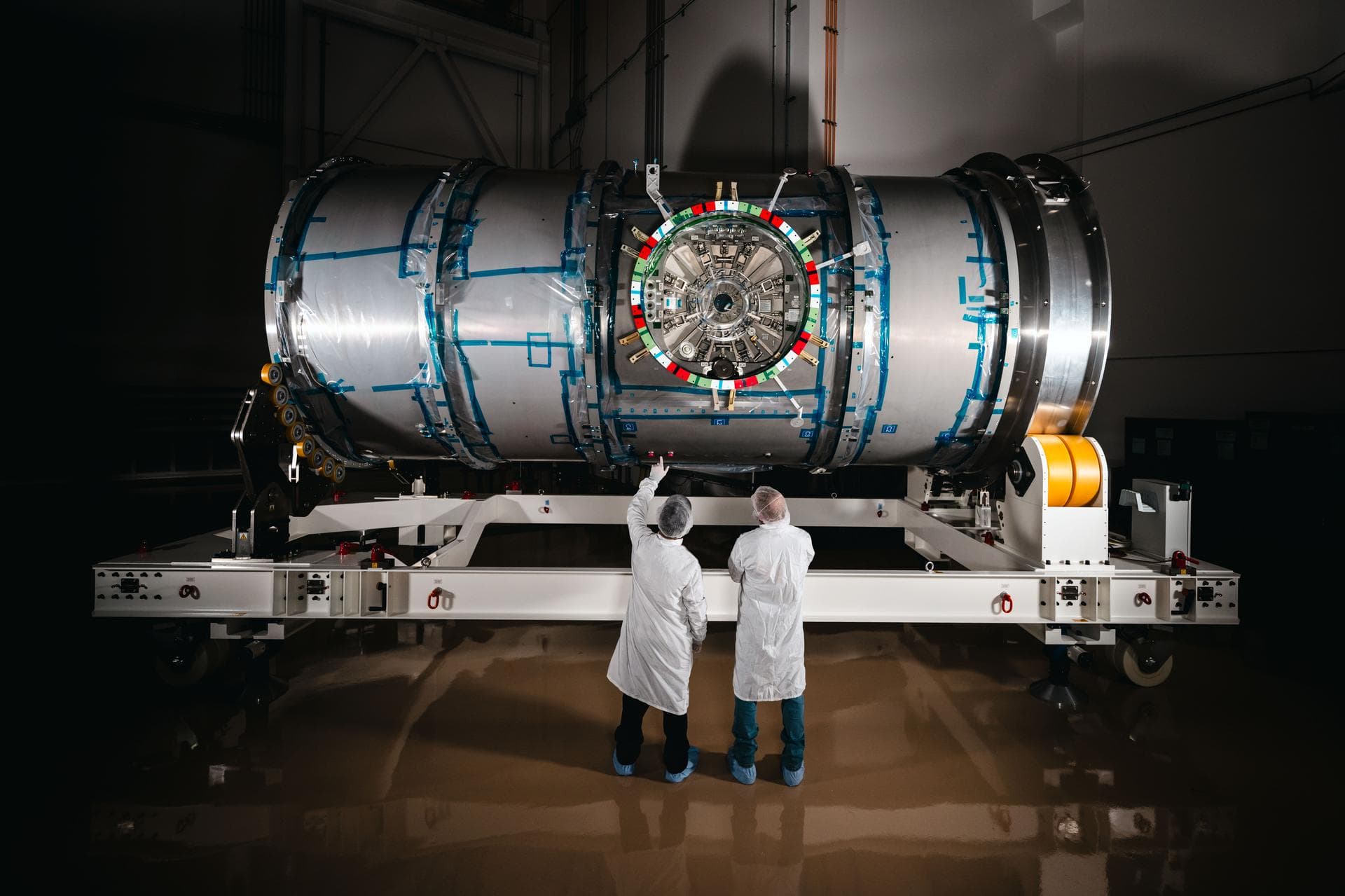
Quantum Space identifies Arrow as prime contractor and mission integrator for a $185 million team award. In its November 7 announcement, Quantum says its share is approximately 25%, with the subcontract terms still being finalized. The company describes a Falcon 9 launch followed by Ranger transporting NASA’s CAPSTONE-2 payloads toward lunar orbit. Those company-disclosed figures do not provide a full allocation of NASA’s combined order value.
Quantum’s announcement warns that Ranger is still in development and has not been manufactured, operated or sold. Impulse schedules the start of its own missions for 2028. That company target does not establish a launch date for every mission in NASA’s six-order procurement.
Reporting trail
Primary sources
NASANASA Awards Moon Base Transportation, Technology, Science Projectsnasa.gov
Impulse SpaceImpulse Space Awarded Two Task Orders for NASA’s Moon Baseimpulsespace.com
Quantum SpaceQuantum Space Part of Team Awarded $185 Million NASA Contract for Moon Base Transportation Programquantumspaceinc.com
Space.comNASA unveils $10 billion in moon base contracts, new lunar missions and the PROMISE of a nuclear-powered roverspace.com
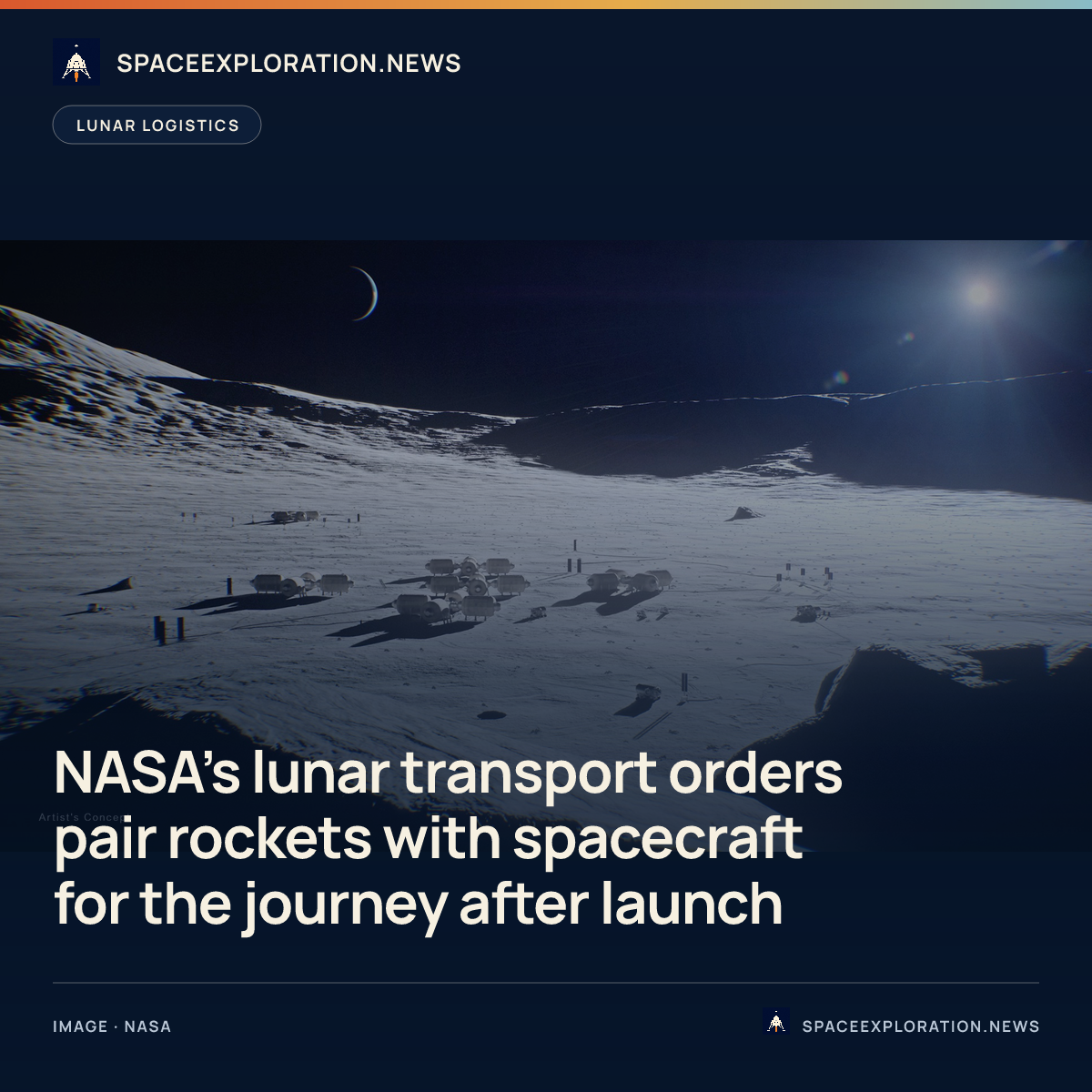
For an image post, download the card and copy this suggested caption.
Six orders cover launch and orbital transfer demonstrations. Company plans describe future missions, including a Ranger vehicle still in development; the combined value is separate from the broader contract ceiling. Read the full report: https://www.spaceexploration.in/news/nasa-lunar-transport-task-orders #SpaceExplorationNews #SpaceNews #SpaceMissions