Missions
NASA selects PRIMA as its first Probe Explorer telescope
The far-infrared observatory enters preliminary development, with implementation still subject to review and launch targeted for 2033.
Add us as a preferred source on Google Add us as a preferred source on Google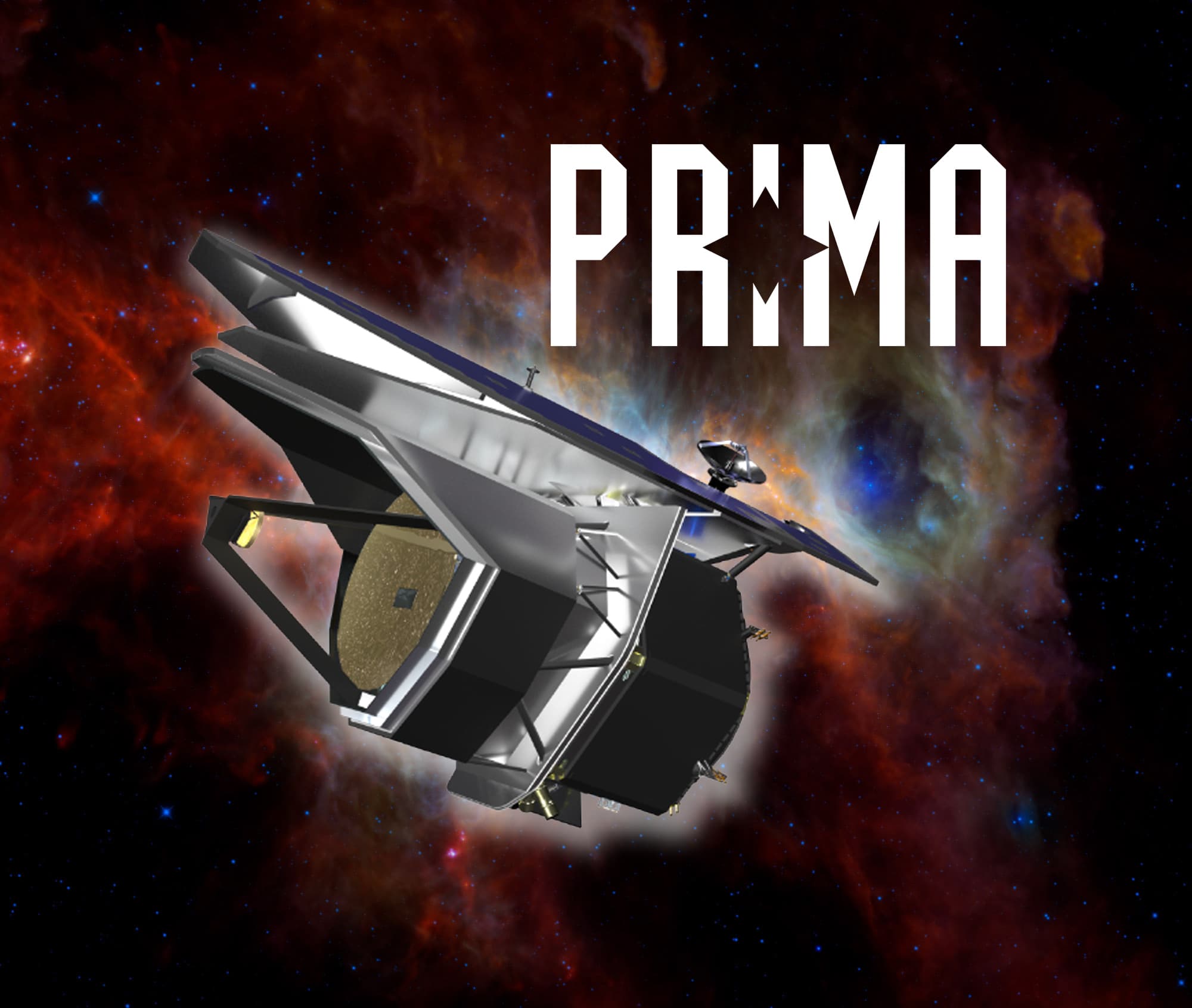
NASA selected the PRIMA space telescope on 23 September 2026 for preliminary design and technology development, making it the first mission in the agency’s Probe Explorer astrophysics class. The decision moves the project into Phase B, NASA announced.
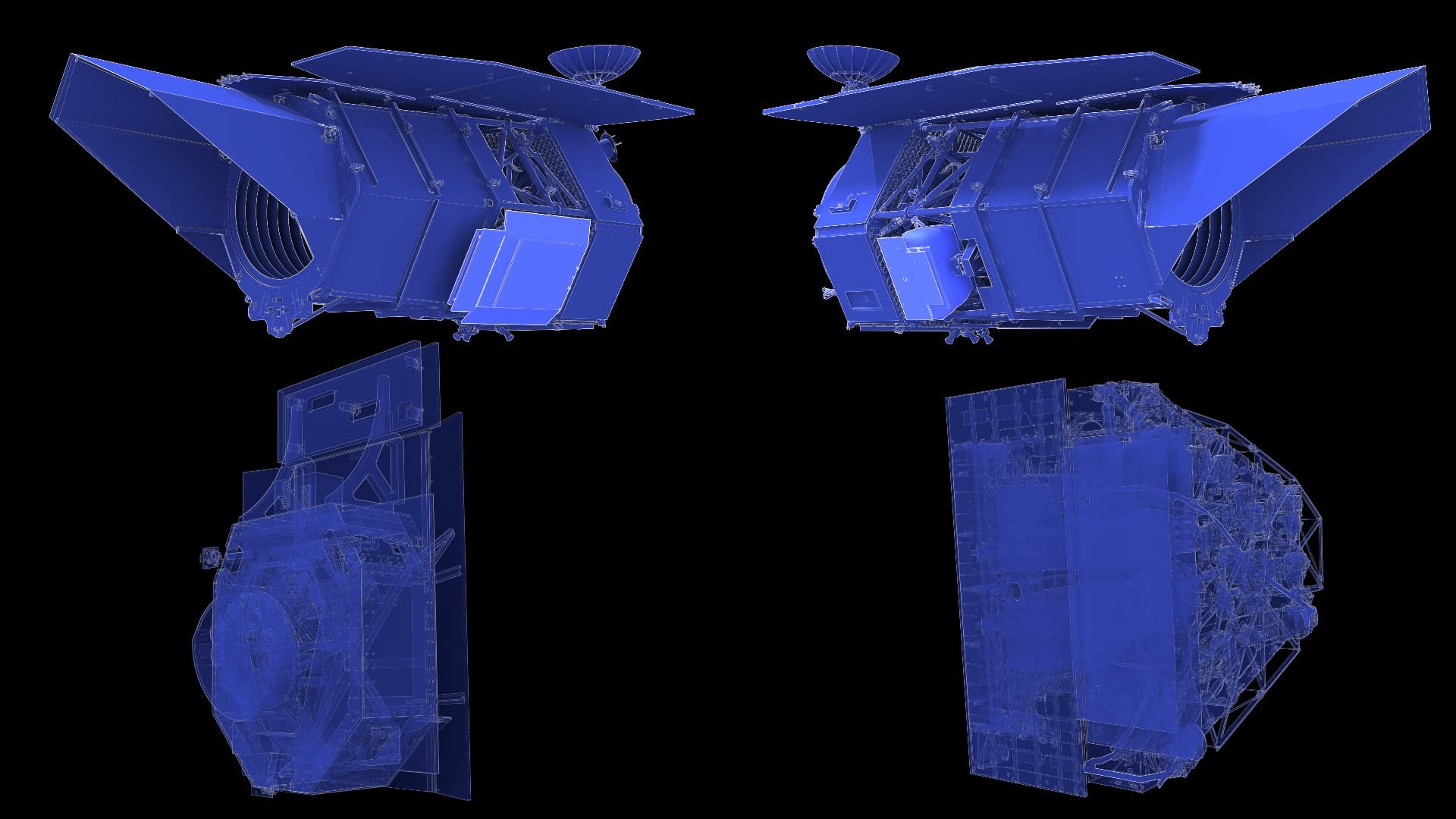
The observatory would survey far-infrared light to study how planets form and how galaxies, black holes and cosmic dust evolve. Caltech describes a cooled 1.8-metre telescope with imaging and spectroscopic instruments. Its IPAC science centre will schedule observations and process and archive the data; NASA’s Jet Propulsion Laboratory will manage the mission.
NASA targets a 2033 launch and five years of operations. If confirmed, the project has a $1.2 billion cost cap, excluding launch and other non-project costs.
Before implementation can begin in Phase C, PRIMA must pass a confirmation review assessing its technical progress, programme readiness and costs, according to NASA.
Reporting trail
Primary sources

For an image post, download the card and copy this suggested caption.
The far-infrared observatory enters preliminary development, with implementation still subject to review and launch targeted for 2033. Read the full report: https://www.spaceexploration.in/news/prima-probe-explorer-selection #SpaceExplorationNews #SpaceNews #SpaceMissions