Nuclear electric propulsion
NASA publishes revised SR-1 design and cooling contract
The November 24 disclosure follows an October review. The mission still targets late 2028, while reactor output, radiator count and operating duration remain under evaluation.
Add us as a preferred source on Google Add us as a preferred source on Google
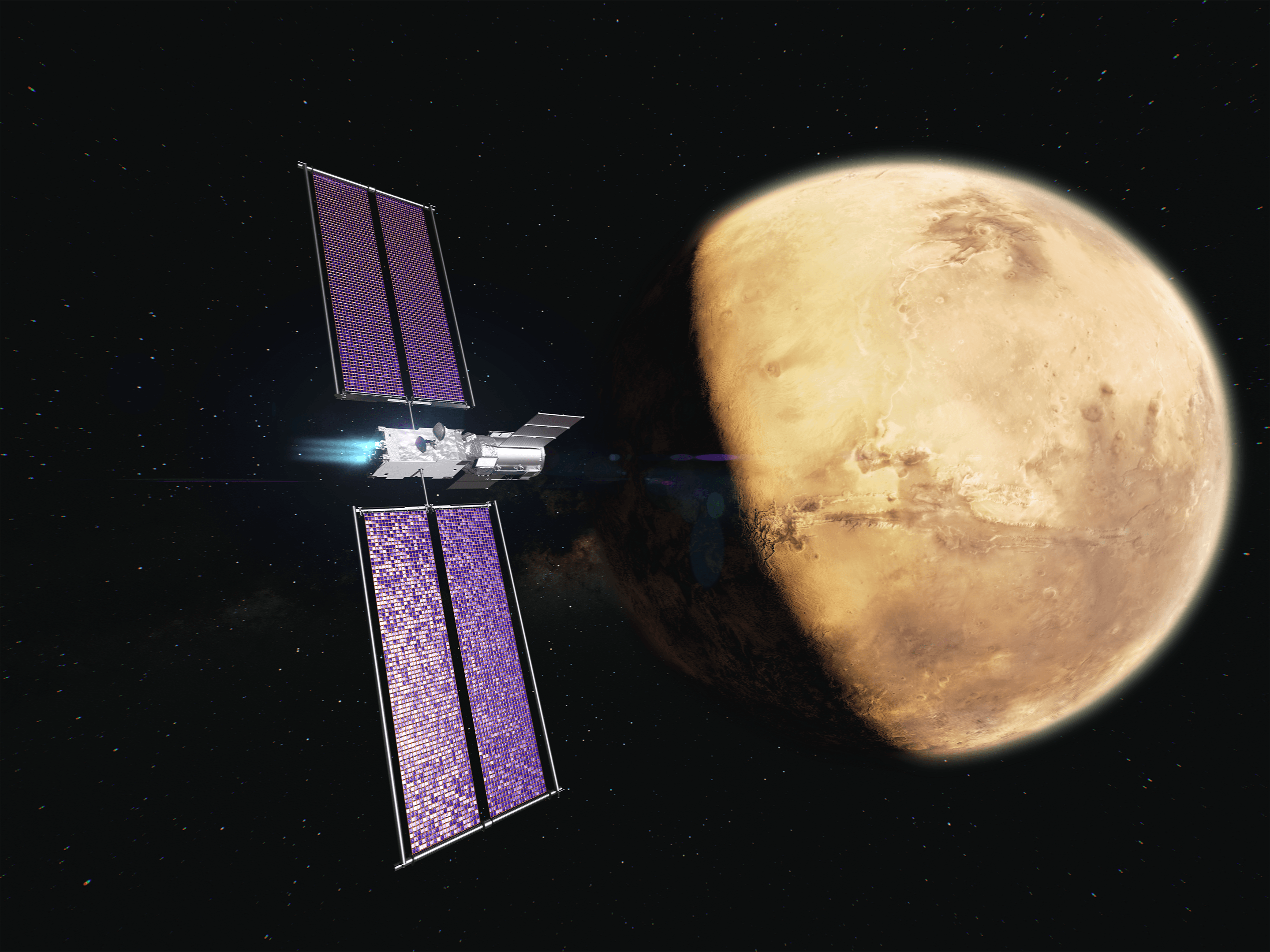
NASA’s November 24 update on Space Reactor-1 Freedom discloses a shorter reactor boom, larger communications antennas and a $39.3 million cooling-system contract. The agency describes design decisions made at Glenn Research Center during an October review.
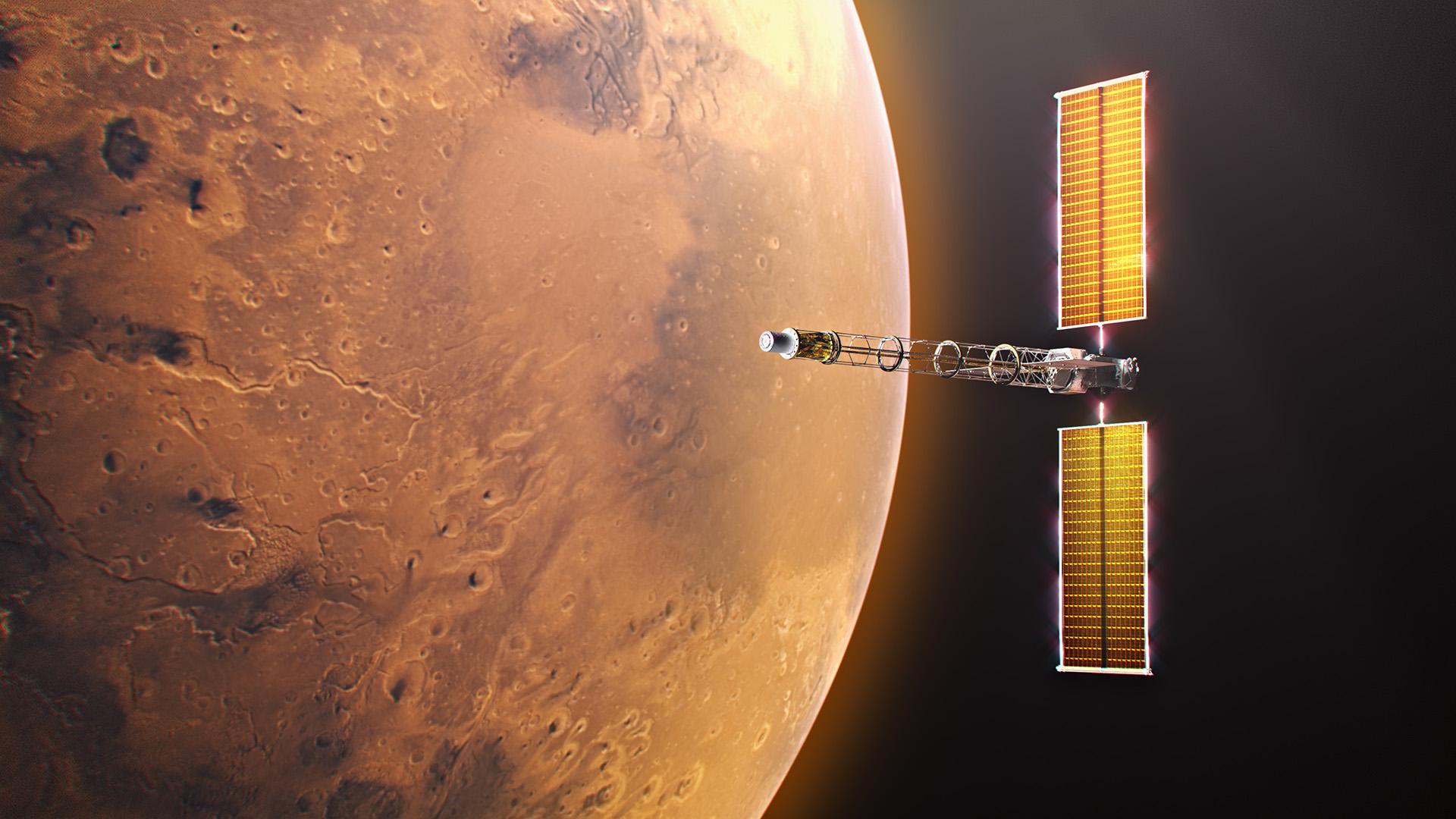
NASA attributes the shorter boom to improved shielding and spacecraft design, allowing the reactor to operate closer to the main spacecraft. Larger X-band antenna dishes will handle communications with Earth.
The heat rejection contract goes to Johns Hopkins University’s Applied Physics Laboratory to design, build and test the system and produce flight hardware. NASA names Advanced Cooling Technologies as its heat pipe and composite radiator partner.
The planned sequence activates the reactor after leaving Earth orbit, shuts it down for a solar-powered cruise, then restarts it after delivering the SkyFall helicopter payload to Mars. Launch remains targeted for late 2028.
Update, November 25: Our earlier report covered the October power-conversion assignment. This dispatch adds NASA’s newly disclosed architecture and cooling work. These details rest on the agency’s account; its announcement reports no completed flight demonstration.
Reporting trail
Primary sources
For an image post, download the card and copy this suggested caption.
The November 24 disclosure follows an October review. The mission still targets late 2028, while reactor output, radiator count and operating duration remain under evaluation. Read the full report: https://www.spaceexploration.in/news/sr1-freedom-architecture-cooling-contract #SpaceExplorationNews #SpaceNews #SpaceMissions