Mars exploration
ESCAPADE twins complete Earth flybys and set course for Mars
NASA and Berkeley document both departure burns on November 7 and 9. Mars orbit insertion remains planned for September 2027, followed by science operations in 2028.
Add us as a preferred source on Google Add us as a preferred source on Google
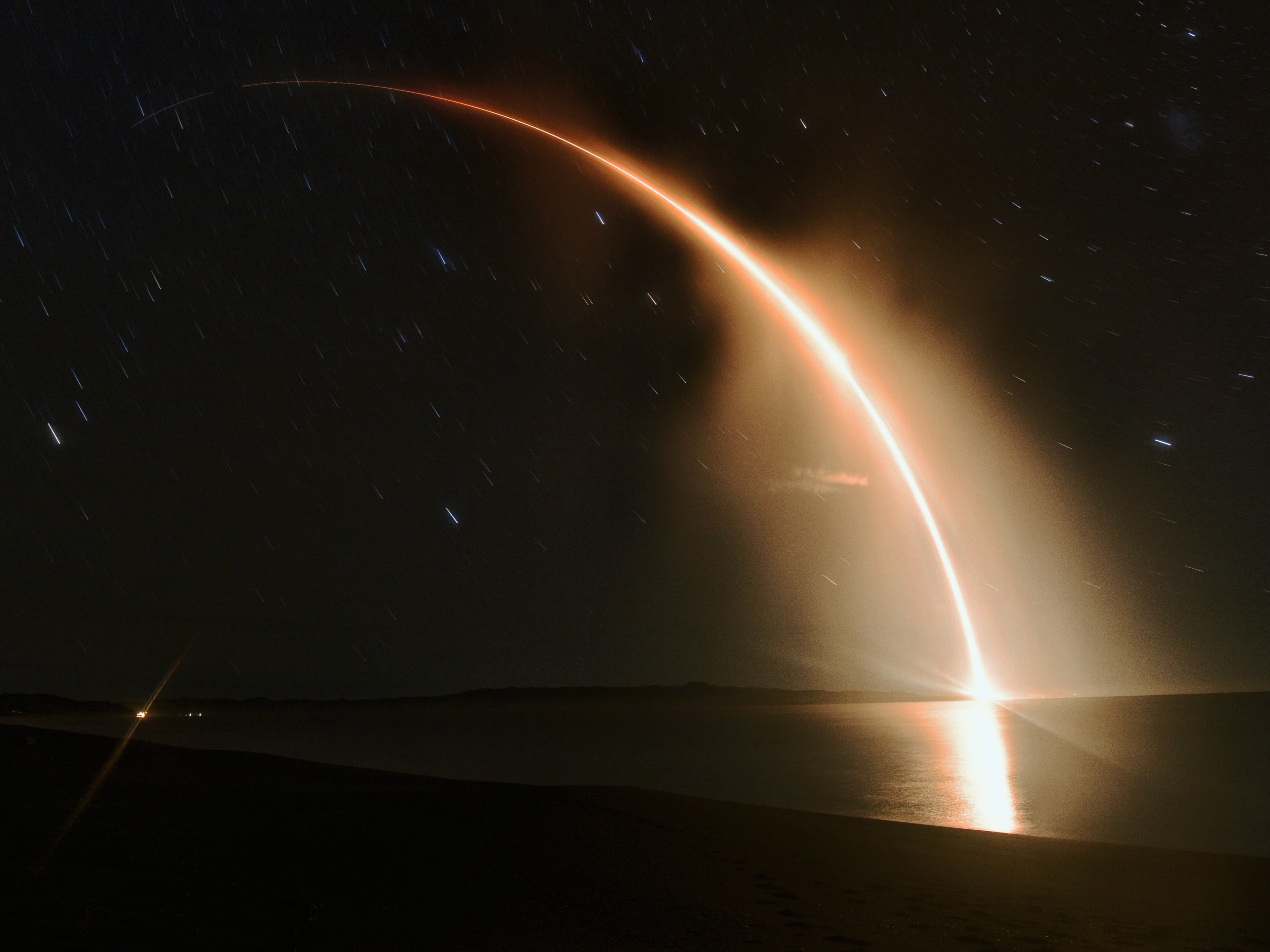
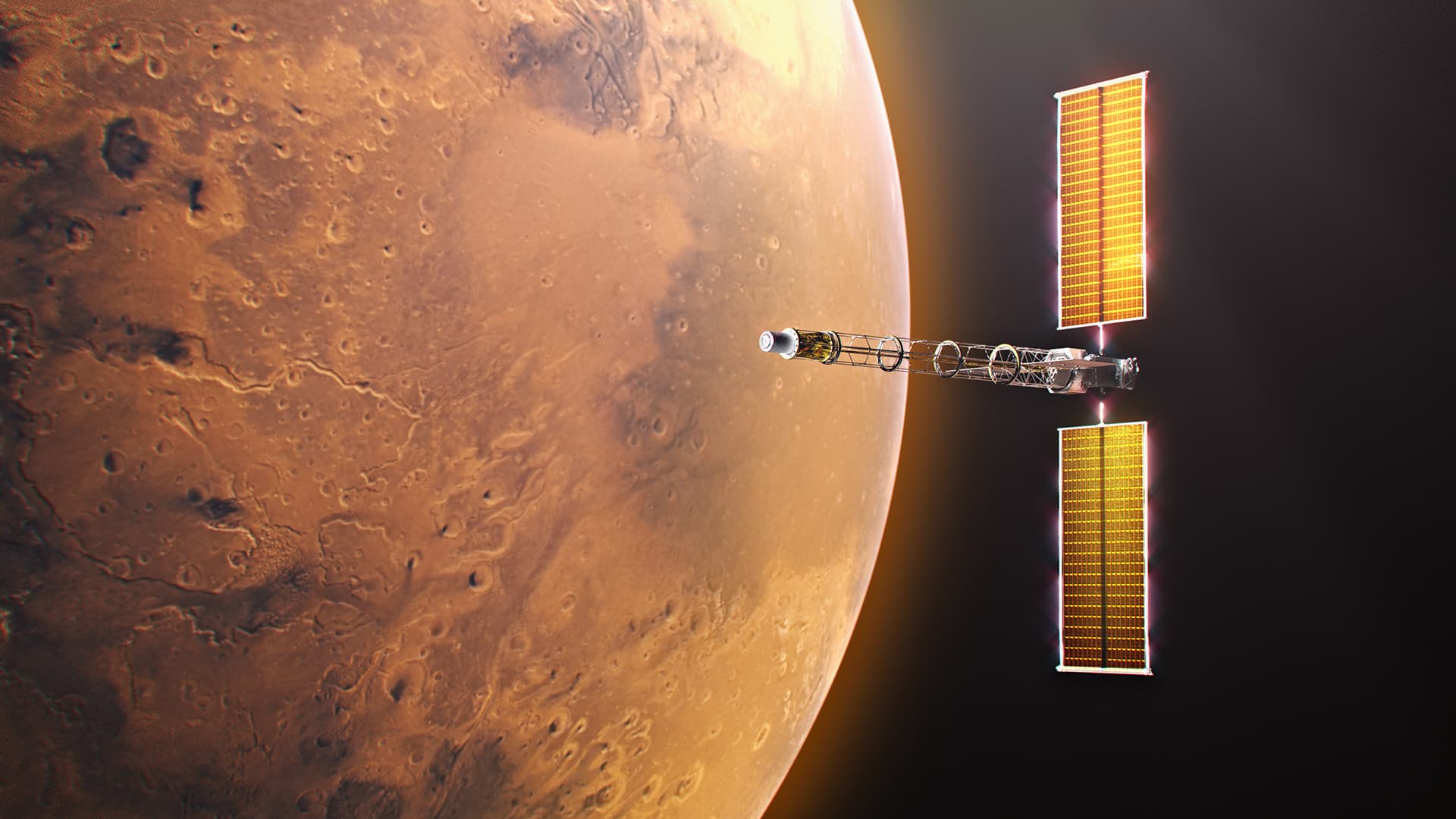
NASA’s twin Escape and Plasma Acceleration and Dynamics Explorers (ESCAPADE) spacecraft have completed their powered Earth flybys and begun the cruise to Mars, NASA and the University of California, Berkeley reported on November 9. Blue made its departure manoeuvre on November 7 and Gold followed on November 9, combining engine thrust with Earth’s gravity to leave for the Red Planet.
The agency puts Blue’s close approach and burn at about 5 a.m. EST on November 7 and Gold’s at about 6 a.m. EST on November 9. Each trans-Mars injection burn lasted roughly nine minutes; Blue passed about 1,000 miles above Earth and Gold about 650 miles above it.
Berkeley’s account includes observations from the mission operations team and identifies Blue and Gold separately as having completed their manoeuvres. The university’s Space Sciences Laboratory leads and operates the mission. Its operations manager, Mark Lewis, described the technique as applying thrust during a gravity assist, allowing a spacecraft to wait in space between planetary transfer windows.
Advanced Space provided the trajectory design and navigation behind that route. In its November 6 flyby briefing, the company described its work on launch strategies, mission design and navigation for Berkeley and NASA. NASA’s new completion report identifies the company’s Jeff Parker as ESCAPADE’s lead mission designer.
Rocket Lab’s operations account sets out the company’s support assignment for the departure and arrival burns. The spacecraft builder said Berkeley would take over direct manoeuvre operations after the early correction burns, while Rocket Lab would support the critical trans-Mars injection and Mars orbit insertion. That account documents the division of work; the new NASA and Berkeley reports establish the departure outcome.
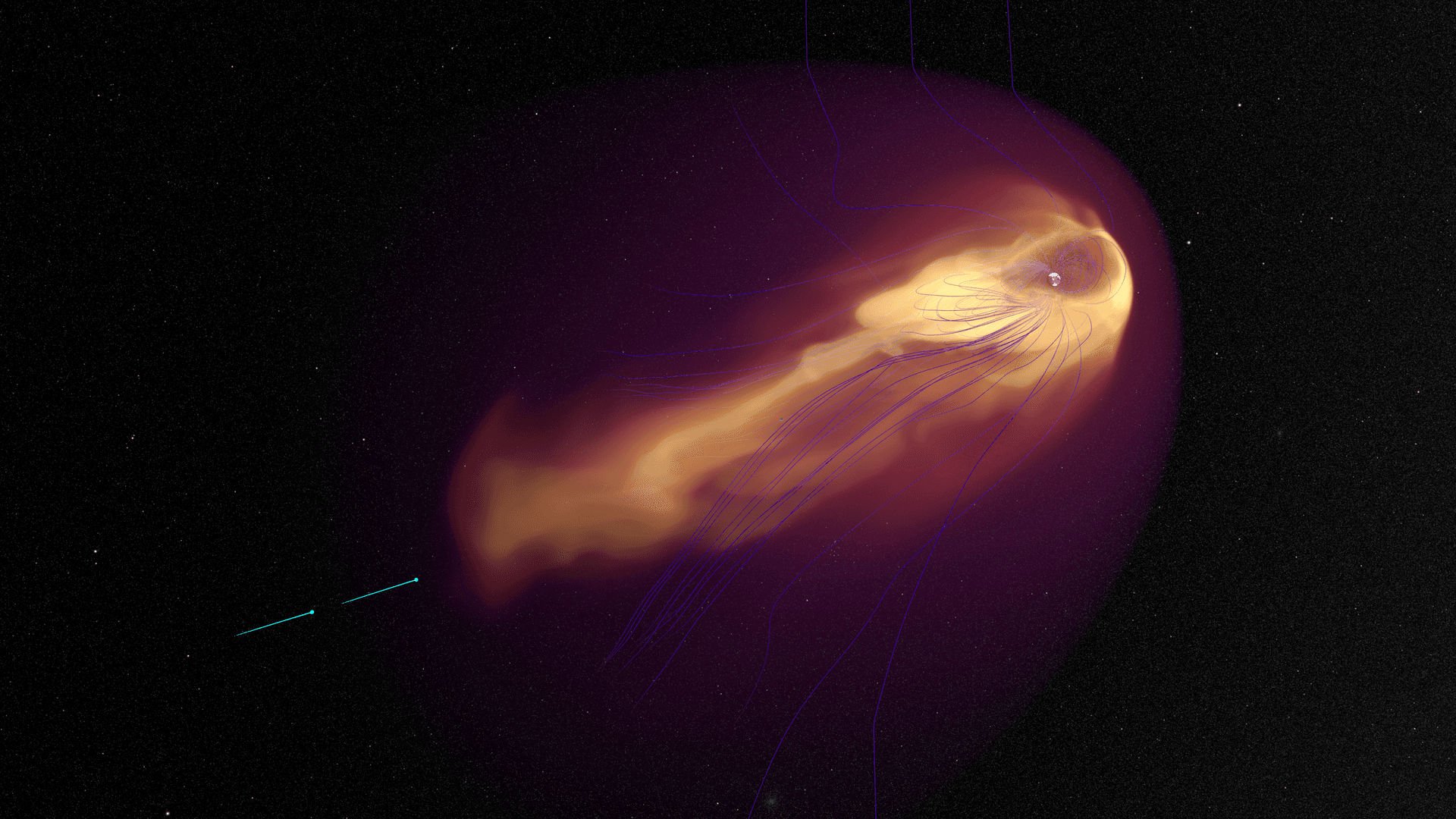
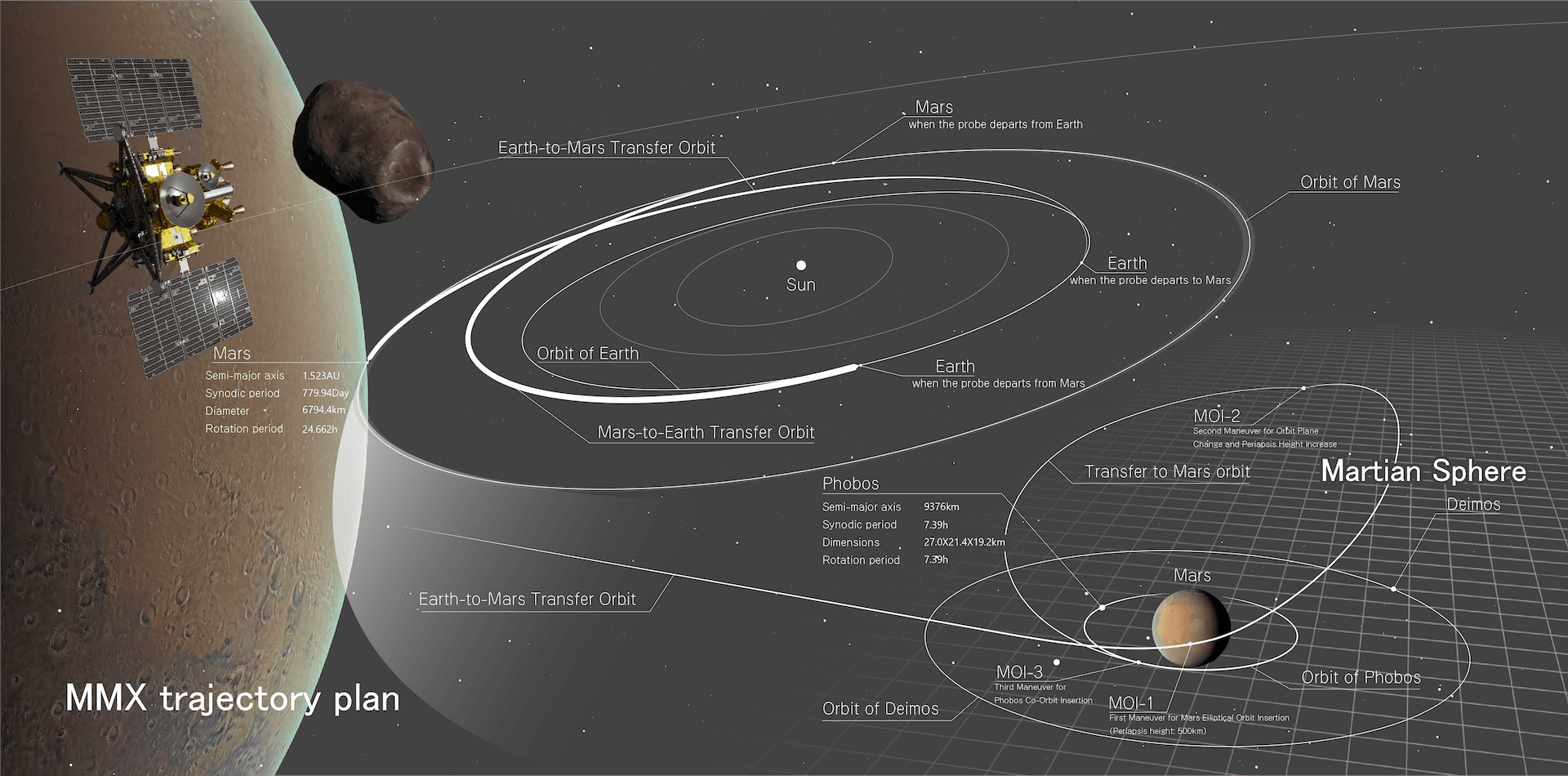
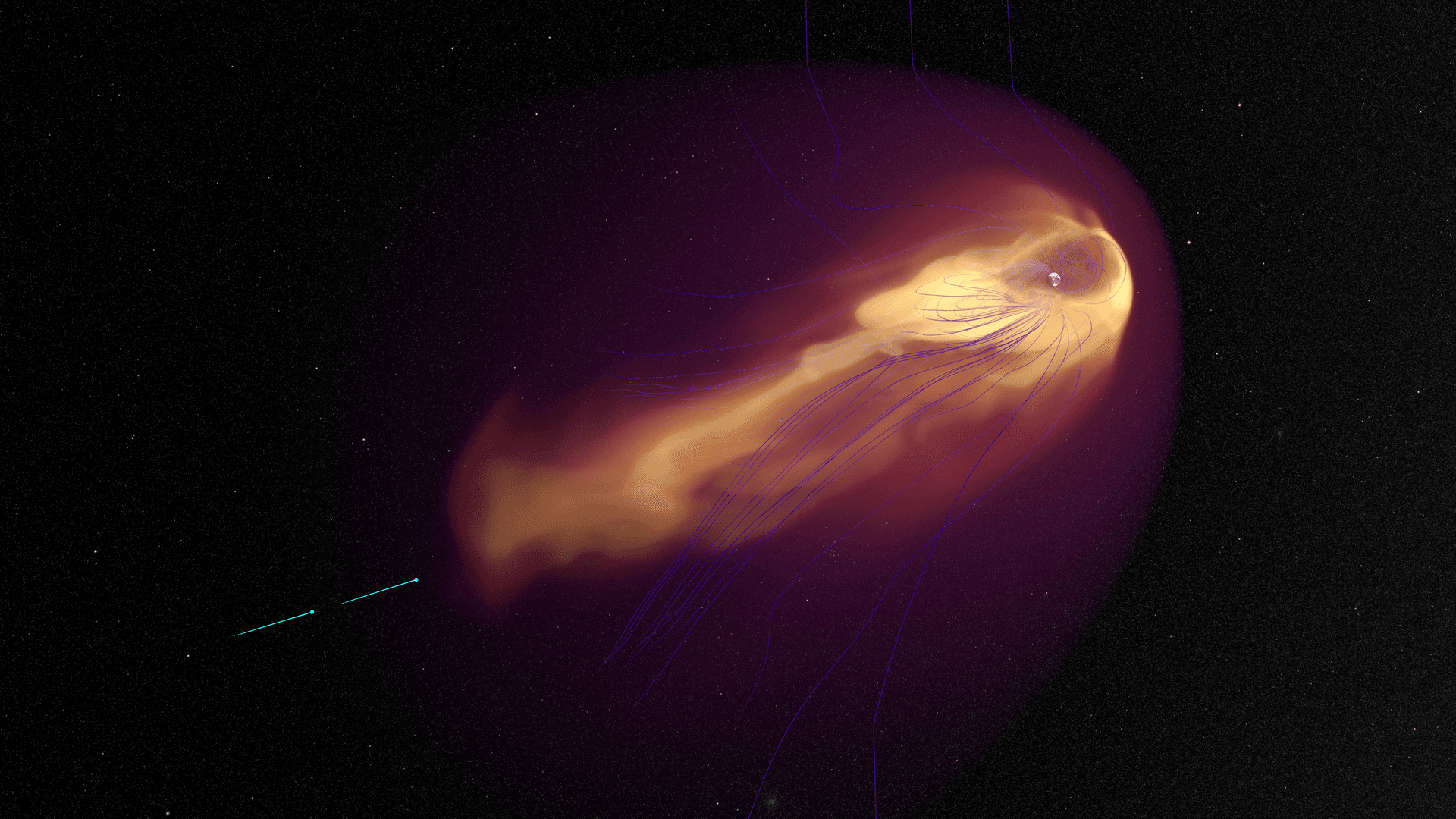
The extended route began with launch in November 2025. Berkeley’s mission-design description shows a roughly year-long, kidney-bean-shaped Earth-proximity phase before the return for the departure burns. During that wait, the probes also sampled Earth’s magnetotail, the magnetic region stretched away from the Sun, NASA reports. The accompanying NASA model illustrates that earlier phase rather than the November flybys.
Mars arrival remains ahead. NASA plans orbit-insertion burns for September 7 and September 9, 2027, with course corrections during the cruise. Berkeley expects science operations to start in June 2028 after several months of orbit adjustment. The pair will first follow one another around Mars, then separate to observe the incoming solar wind and the planet’s response from different locations, testing how that interaction drives atmospheric loss.
Reporting trail
Primary sources
NASANASA’s ESCAPADE Completes Powered Earth Flybys, Now En Route to Marsscience.nasa.gov
Berkeley NewsBerkeley’s ESCAPADE spacecraft say goodbye to Earth. Next stop: Mars.news.berkeley.edu
Advanced SpaceESCAPADE Earth Flyby Star Chart Animations by locationadvancedspace.com
Rocket LabSo you’re in space and on the way to Mars, what next?rocketlabcorp.com
UC Berkeley Space Sciences LaboratoryMission Designescapade.ssl.berkeley.edu
NASA Scientific Visualization StudioESCAPADE Visits the Distant Magnetotailsvs.gsfc.nasa.gov

For an image post, download the card and copy this suggested caption.
NASA and Berkeley document both departure burns on November 7 and 9. Mars orbit insertion remains planned for September 2027, followed by science operations in 2028. Read the full report: https://www.spaceexploration.in/news/escapade-completed-earth-flybys #SpaceExplorationNews #SpaceNews #SpaceMissions