Swift Observatory
NASA publishes Swift mission-end report after final observation
NASA dates Swift’s last observation to October 20 and expects re-entry within weeks. The observatory’s public archive remains available.
Add us as a preferred source on Google Add us as a preferred source on Google
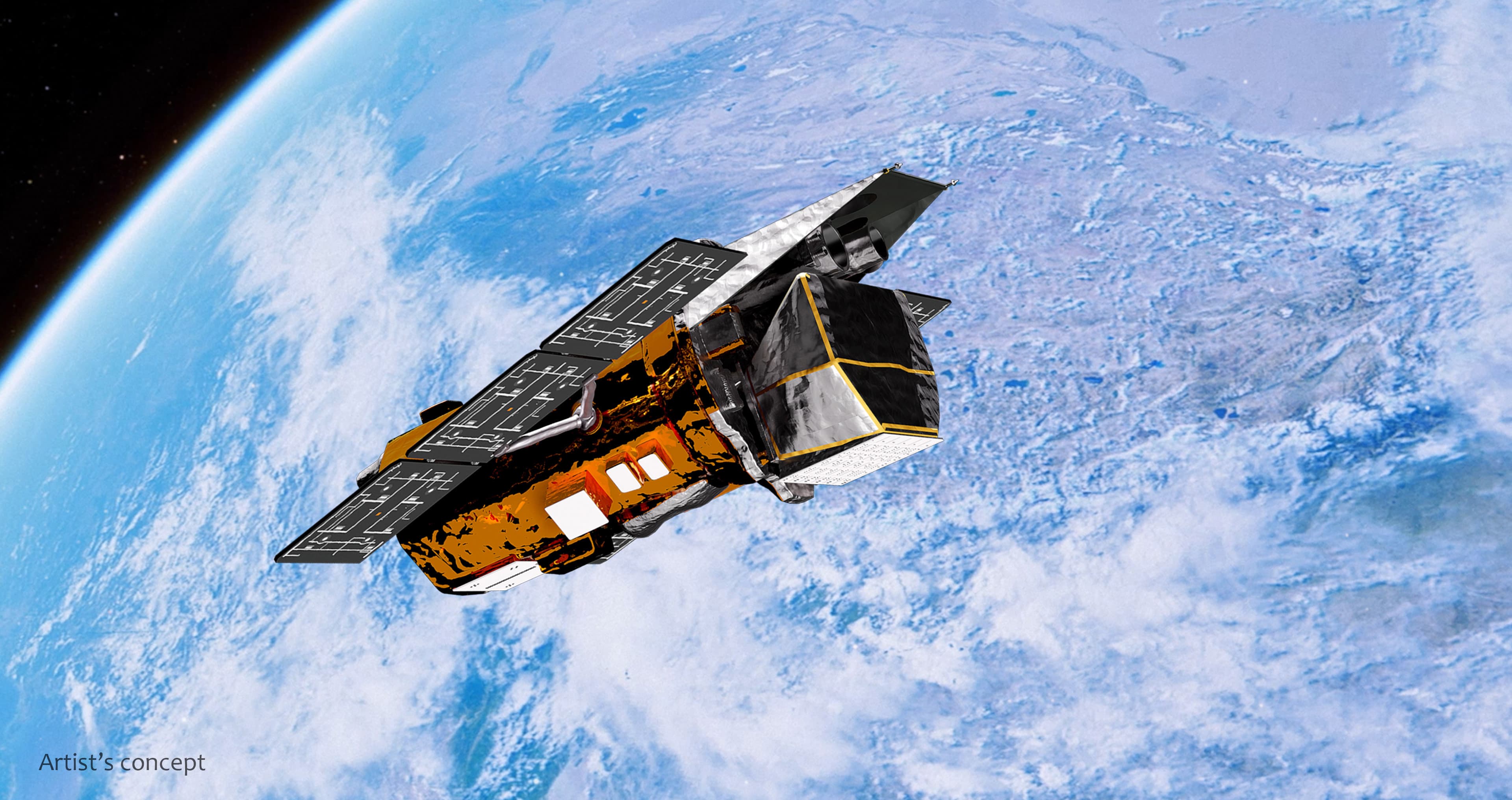
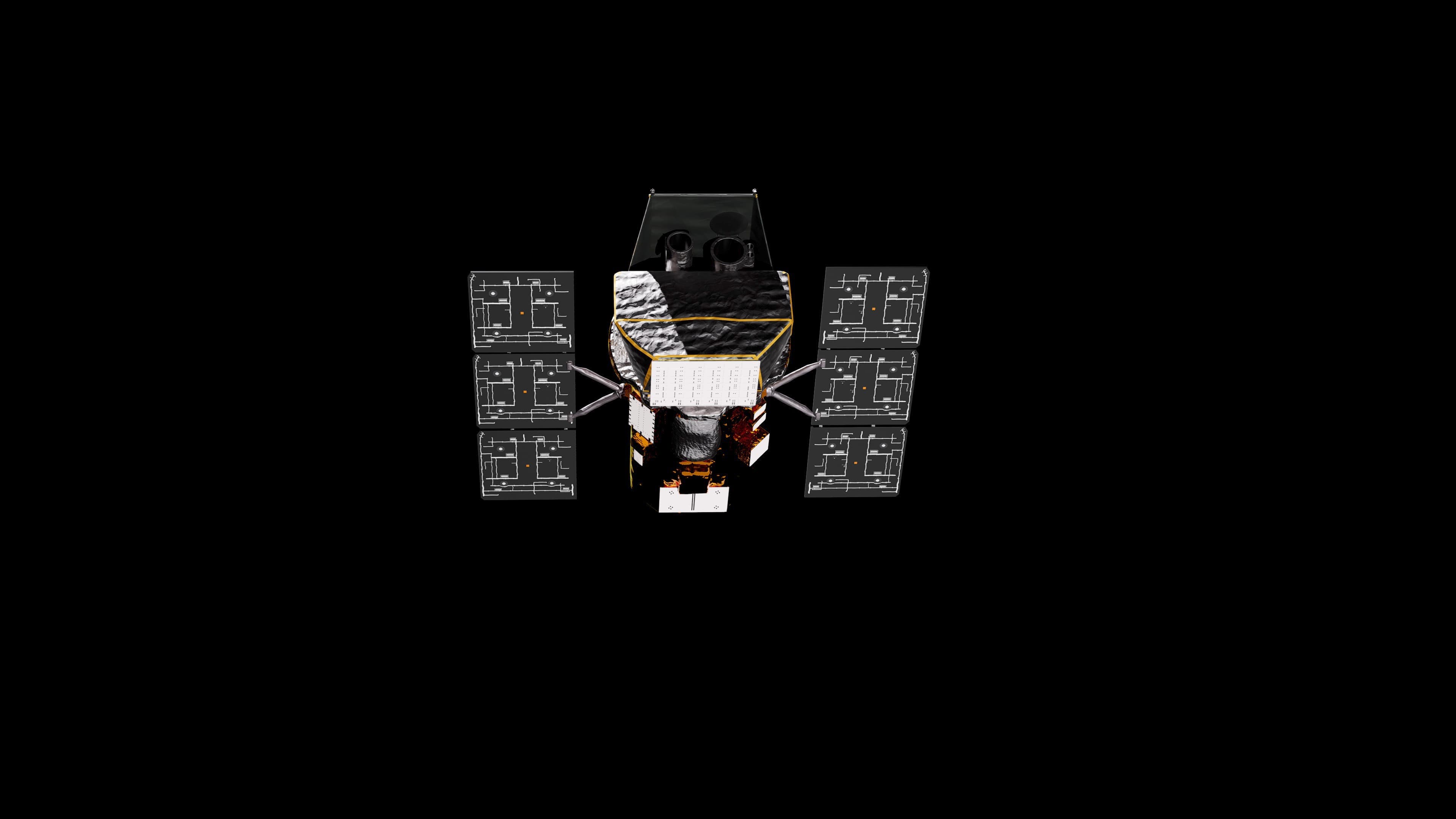
NASA’s October 23 mission-end report dates the Neil Gehrels Swift Observatory’s final science observation to October 20, 2026. Atmospheric drag had become too strong for its telescopes to hold steady on their targets, the agency said.
A separate NASA operations update describes Swift reaching an altitude of 275 kilometres on October 20 and entering safe mode because it could no longer compensate for the drag. The Penn State operations team then transmitted a command that effectively ended operations in preparation for re-entry.
The dated shutdown account replaces NASA’s September 25 forecast that science would likely stop in early to mid-October. That earlier estimate concerned observing conditions as the orbit fell, rather than a confirmed final observation.
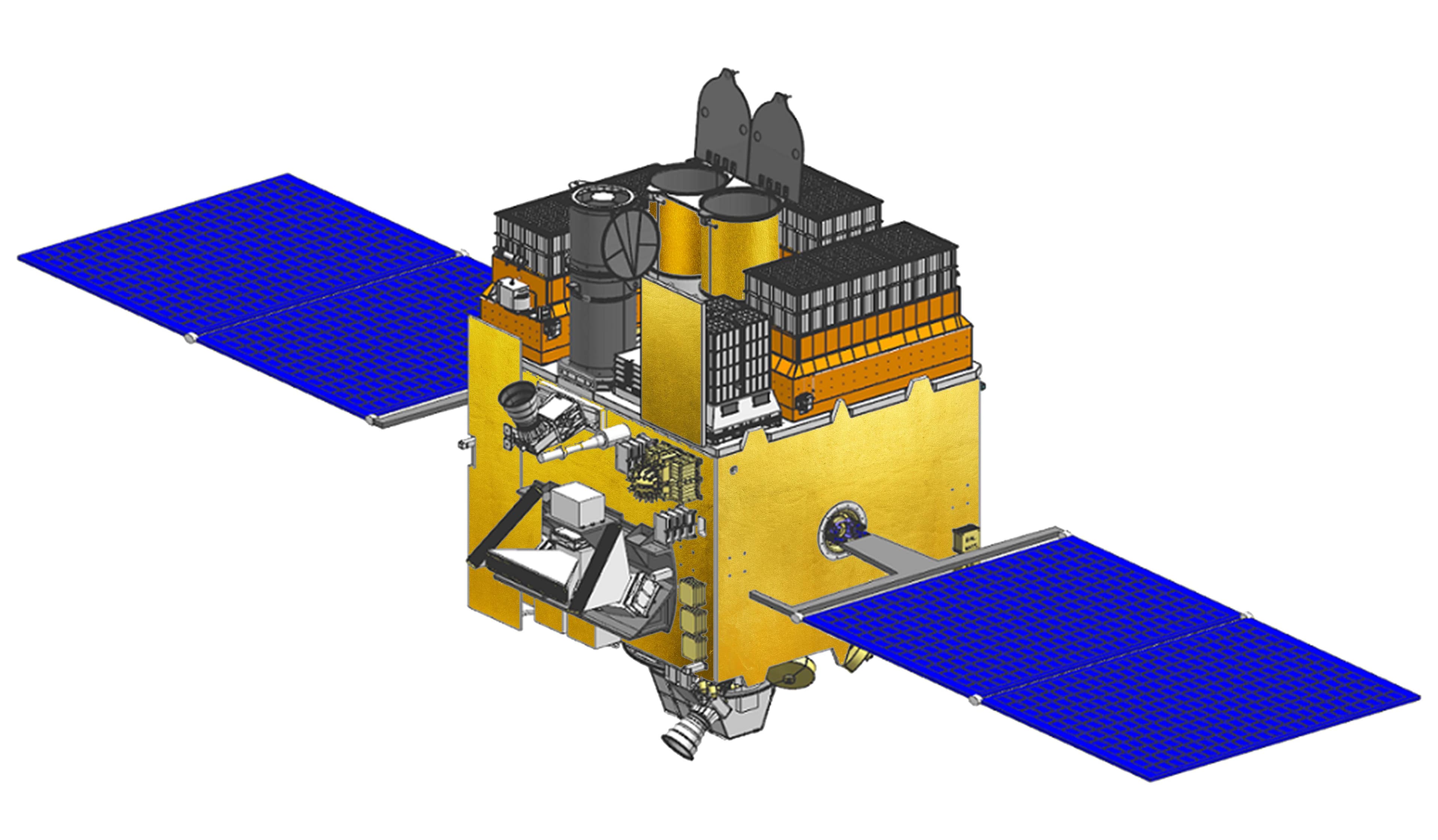
Swift’s rapid response let it locate gamma-ray bursts, alert other observatories and turn its own telescopes towards their fading afterglows, typically within about a minute. NASA’s report describes ground-commanded observations possible within minutes and scheduling for up to 75 targets a day.
This observing system served an open international data network. Swift’s data policy specifies unrestricted access regardless of affiliation, with no proprietary waiting period, through NASA’s archive and mirrors in Italy and the United Kingdom. Its archive page provides links to those centres and tools for searching and retrieving observations.
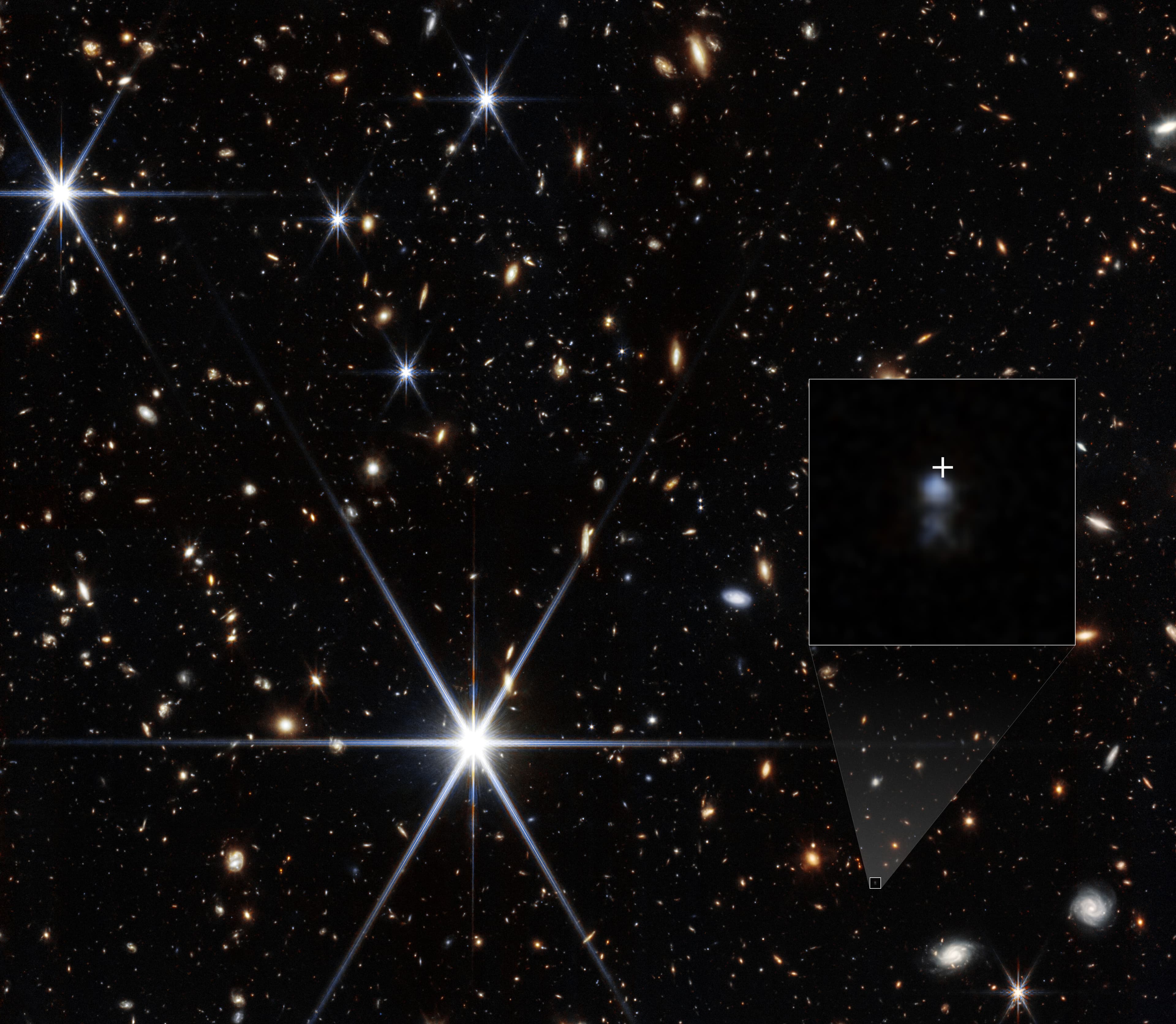
NASA describes the surviving public archive as nearly 22 years of observations, including more than 1.5 million ultraviolet and optical images. It says current space telescopes will help fill the rapid-response gap while the agency explores further options.
Re-entry remains a future event in NASA’s October 23 update. The agency expects it within the following few weeks, without giving an exact date.
Reporting trail
Primary sources
NASA ScienceNASA’s Swift Mission Ends, Leaves Behind Scientific Bonanzascience.nasa.gov
NASA ScienceNASA’s Swift Mission Ends Ahead of Re-Entryscience.nasa.gov
NASA ScienceNASA’s Swift Powers On Third Instrument, Restarts Automated Slewingscience.nasa.gov
NASA SwiftSwift Data Productsswift.gsfc.nasa.gov
NASA SwiftSwift Archiveswift.gsfc.nasa.gov
For an image post, download the card and copy this suggested caption.
NASA dates Swift’s last observation to October 20 and expects re-entry within weeks. The observatory’s public archive remains available. Read the full report: https://www.spaceexploration.in/news/swift-final-science-observation #SpaceExplorationNews #SpaceNews #SpaceScience