Space policy
ISRO plans gradual transfer of mature rocket manufacturing to industry
PSLV and LVM3 transfer calls were already limited to private Indian entities. The change concerns who builds and commercialises mature vehicles, not an immediate end to ISRO missions or government launch work.
Add us as a preferred source on Google Add us as a preferred source on Google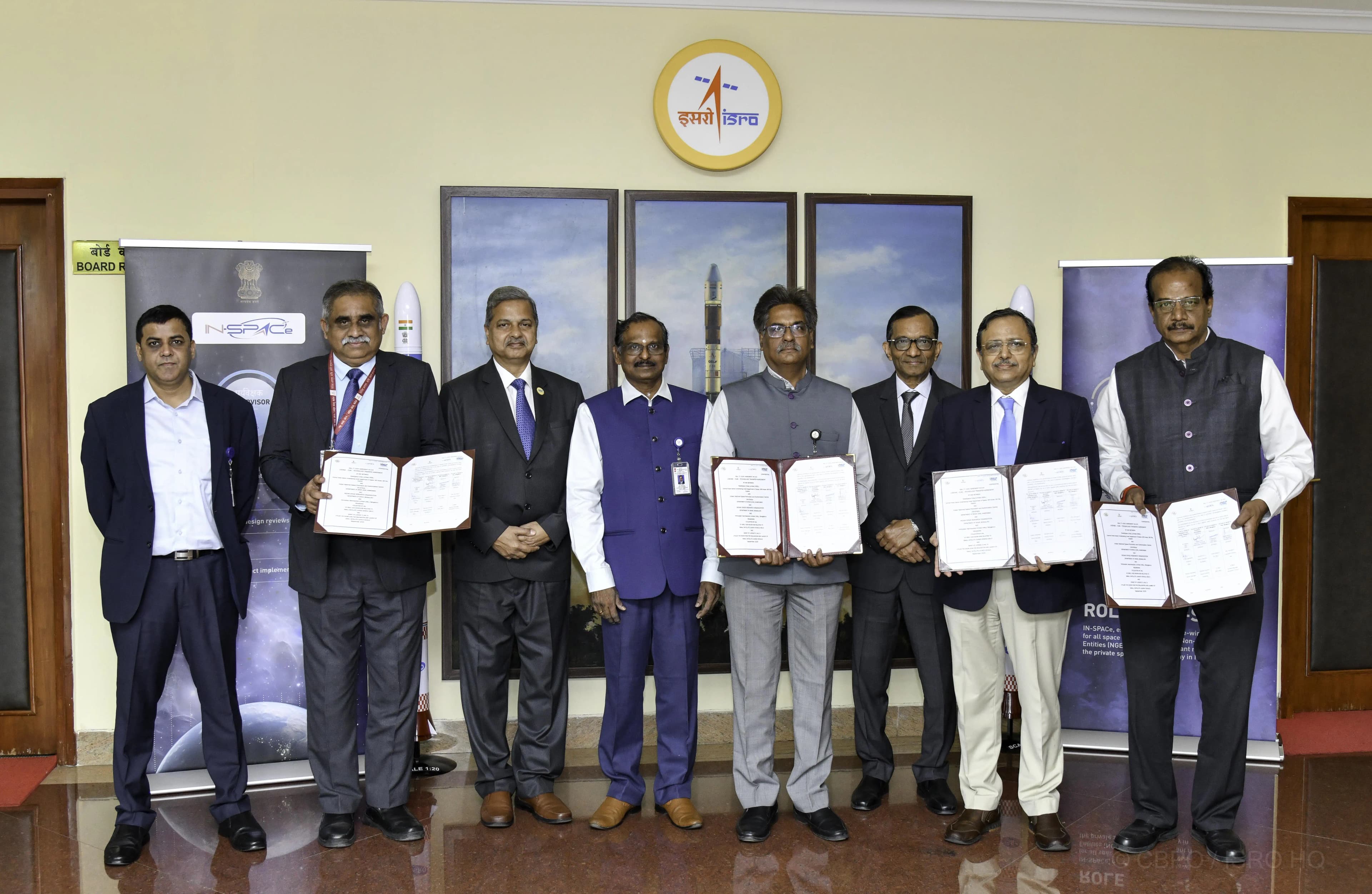
The Indian Space Research Organisation will eventually stop manufacturing operational launch vehicles and routine satellites, with production moving to industry, IN-SPACe chairman Pawan Goenka said at Business Today's India@100 Economy Summit on August 21. News9 reported the remarks on August 22, adding that Goenka expects ISRO to concentrate on research, advanced technology, scientific missions and specialised infrastructure.
That is narrower than the headline claim that ISRO will not launch any vehicle. The account itself describes a gradual exit from manufacturing and says production will move to private companies or public-sector undertakings. It does not report a dated decision to end ISRO missions, close government launch sites or remove the agency from launch operations. A primary recording or transcript of Goenka's complete answer was not available in the sources reviewed for this article, so the August 21 remarks remain dependent on News9's account.
The PSLV and LVM3 process was already open
The Polar Satellite Launch Vehicle and Launch Vehicle Mark-3 transfer processes cited in the report were not newly announced at the summit. IN-SPACe opened its PSLV call in May for end-to-end realisation, operation and commercialisation by a suitable private Indian industry, with responses due July 7. It opened the LVM3 call in June to eligible Indian private entities for the same three functions and set August 7 as the response deadline. Both official notices therefore already excluded public-sector undertakings from those competitions.
Those expressions of interest start a selection process; they do not establish that either vehicle has already been transferred. The reviewed IN-SPACe notices identify no winning PSLV or LVM3 company, contract date or end date for ISRO production. They also promise ISRO technical guidance and infrastructure support during technology absorption. Until a recipient is selected, an agreement is signed and the recipient demonstrates the capability, the full handover remains an announced programme rather than a completed change of operator.
SSLV shows what a transfer entails
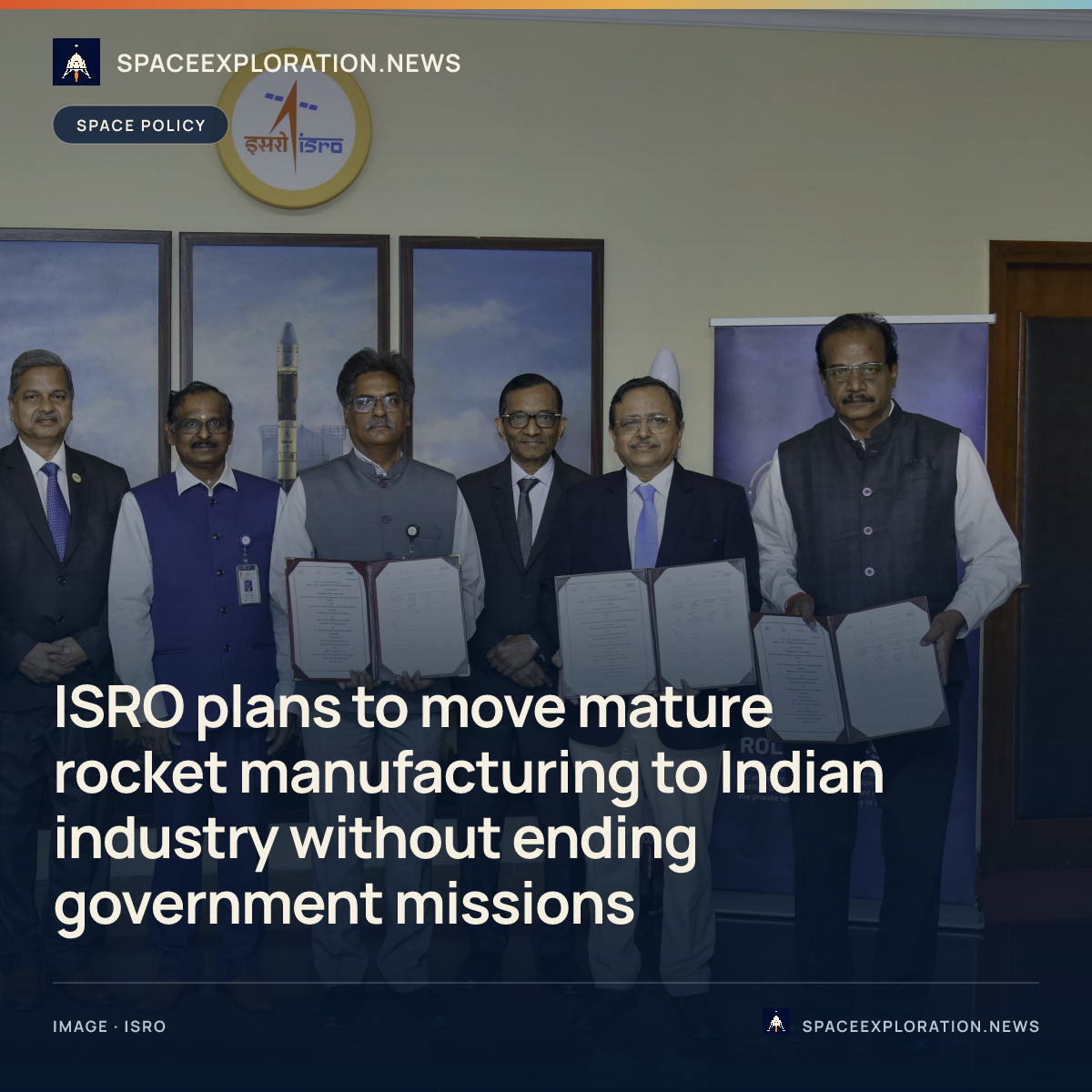
The Small Satellite Launch Vehicle is further along. ISRO, IN-SPACe, NewSpace India Limited and Hindustan Aeronautics Limited signed its technology-transfer agreement on September 10, 2025, after HAL won the competition. IN-SPACe described a 24-month process in which ISRO would train and support HAL, with two missions intended to demonstrate the absorbed capability. The agreement gave HAL a route to build, own and commercialise SSLV launches; it did not make ISRO's technical role disappear on signing day.
That sequence is the useful test for the broader PSLV and LVM3 claim. Selection, contracting, transfer of design and process knowledge, training, industrial production, vehicle acceptance and launch-service operation are separate milestones. SSLV has a signed recipient and a defined absorption period, but the two demonstration missions remain future work in IN-SPACe's published timeline. The policy direction is settled; operational independence has to be demonstrated vehicle by vehicle.
What ISRO still does under the policy
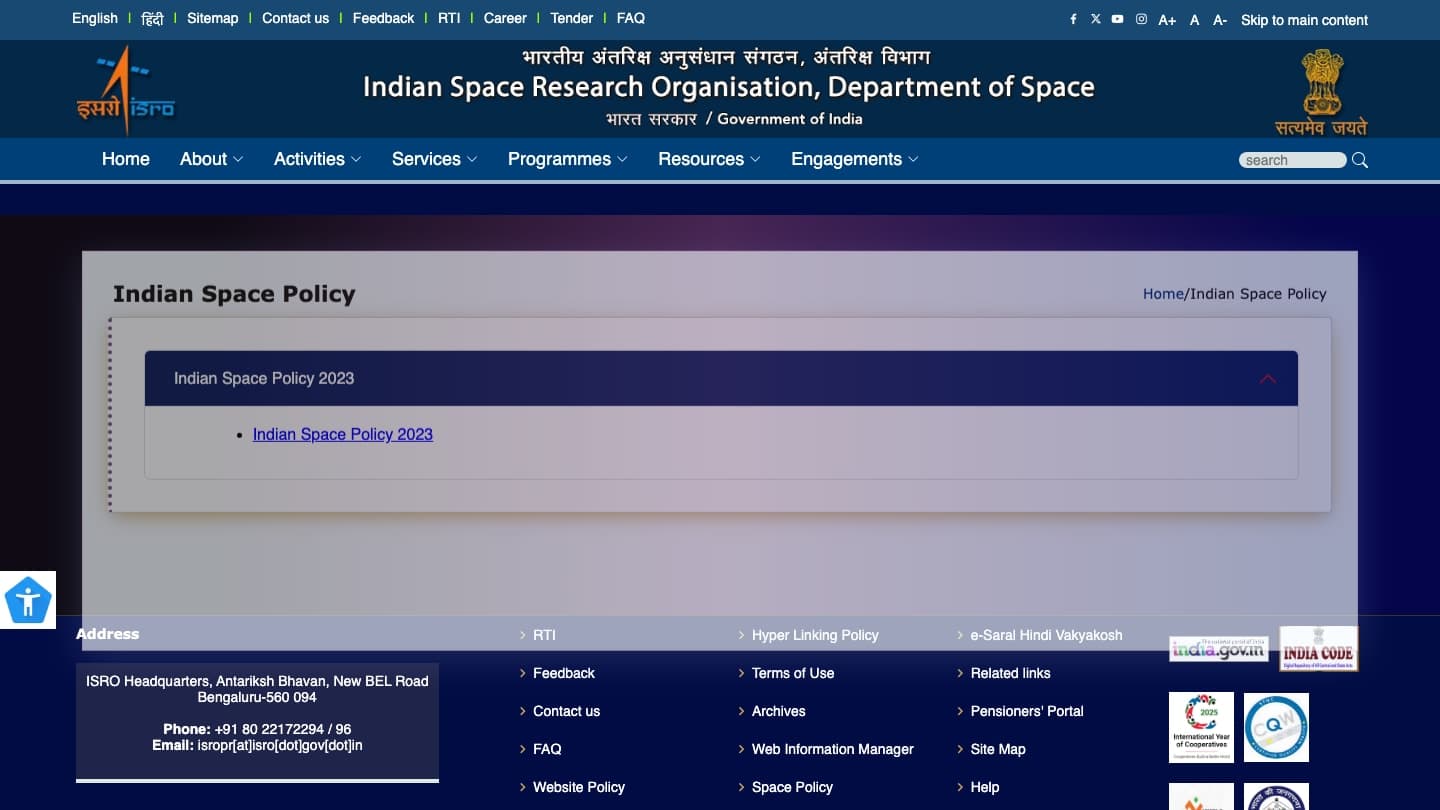
The Indian Space Policy 2023 already told ISRO to transition out of manufacturing mature operational space systems and transfer them to industry for commercial exploitation. The same section assigns ISRO research and development in space transportation, applications and human spaceflight; development and proof of newer systems; scientific and human-spaceflight missions; and space objects required for national priorities. The August remarks are therefore an implementation update to an existing division of labour, not a policy that abolishes the national space agency's launch, mission or research mandate.
The current government output framework also shows why an immediate-stop reading fails. For the 2026-27 financial year, the Department of Space targets four PSLV launches, three Geosynchronous Satellite Launch Vehicle launches, one LVM3 launch and four SSLV launches under research, development and realisation of launch vehicles. The same framework targets 20 technology transfers and one operational system transferred for industrial production. It does not say who will manufacture every targeted rocket, but it places launch execution and industrial transition side by side in the present programme.
The implementation test is contracts and flights
Goenka has described this direction before. In a March 2024 interview with Mint, he said ISRO would eventually leave commercial satellite and launch requirements, apart from strategic needs, to industry and government companies. That interview also showed the commercial constraint behind the policy: India wanted more PSLV and LVM3 capacity, while independent specialists told Mint that demand forecasts and the government's willingness to act as an anchor customer would determine whether private capacity could be sustained.
The new remarks sharpen the endpoint but supply no deadline for ISRO's last manufactured PSLV, LVM3 or routine satellite. The PSLV and LVM3 calls demonstrate that private-only transfer processes are active, while the SSLV agreement demonstrates how long absorption can take after a winner is named. The next evidence will be the PSLV and LVM3 awards, signed terms, completed training, accepted vehicles and independently operated services. Until then, the supported conclusion is that ISRO intends to leave mature launch-vehicle production to industry gradually—not that India has decided ISRO will stop launching rockets now.
Reporting trail
Primary sources
News9 LiveISRO won’t launch any vehicle; all tech will be handed to private sectornews9live.com
Indian Space Research OrganisationIndian Space Policy 2023isro.gov.in
Indian Space Research OrganisationTechnology Transfer Agreement signed for Small Satellite Launch Vehicle (SSLV)isro.gov.in
Ministry of FinanceOutput Outcome Monitoring Framework 2026-27indiabudget.gov.in
MintLarge rocket capacity being doubled, small rocket privatization by Junelivemint.com
For an image post, download the card and copy this suggested caption.
PSLV and LVM3 transfer calls were already limited to private Indian entities. The change concerns who builds and commercialises mature vehicles, not an immediate end to ISRO missions or government launch work. Read the full report: https://www.spaceexploration.in/news/isro-launch-vehicle-manufacturing-transfer #SpaceExplorationNews #SpaceNews #SpacePolicy