Agencies & public sector
ISRO
India's national space agency under the Department of Space — flying PSLV, GSLV, LVM3 and SSLV, and running the Chandrayaan, Aditya-L1 and Gaganyaan programmes from Bengaluru.
The Indian Space Research Organisation is India's national space agency and the principal research and development arm of the Department of Space. Formed on 15 August 1969, it superseded the Indian National Committee for Space Research established in 1962; the government created the Space Commission and the Department of Space in June 1972 and brought ISRO under the department that September. Its stated objective is the development and application of space technology for national development, under the motto 'Space technology in the service of humankind'.
ISRO operates four launch vehicle families — PSLV, GSLV, LVM3 and the small-satellite SSLV — from Satish Dhawan Space Centre at Sriharikota, with major centres including Vikram Sarabhai Space Centre in Thiruvananthapuram and U R Rao Satellite Centre in Bengaluru. India's first satellite, Aryabhata, flew in 1975, and the SLV-3 launch of 1980 made India the seventh country to reach orbit with its own vehicle. The Mars Orbiter Mission of 2013 was the first Asian spacecraft to enter Martian orbit, and Chandrayaan-3 soft-landed near the lunar south pole on 23 August 2023.
Recent years mixed firsts with setbacks. The SpaDeX mission demonstrated India's first in-orbit docking, confirmed on 16 January 2025; Shubhanshu Shukla became the first Indian astronaut aboard the International Space Station in June 2025 on Axiom Mission 4; and the roughly $1.5 billion NASA-ISRO NISAR radar satellite launched on GSLV-F16 on 30 July 2025. Against that, the NVS-02 navigation satellite launched on 29 January 2025 never reached its intended final orbit and provides only limited service, and PSLV-C62 — the 64th PSLV flight — failed on 12 January 2026 after a deviation in roll rates just before third-stage separation, the second consecutive PSLV failure after a similar fault on C-61 eight months earlier. A Failure Analysis Committee chaired by former chairman K. Sivan submitted its report on 13 June 2026.
The Gaganyaan human spaceflight programme aims to fly two to three astronauts to a 300–400 km orbit for up to seven days. Chairman V. Narayanan, who took charge in January 2025, said in June 2026 that human-rating of the launch vehicle was complete, that three uncrewed missions would precede a crewed flight, and that the first uncrewed mission was targeted for 2026. On 24 June 2026 the agency hot-tested the power head of its 2,000 kN-class semi-cryogenic engine at 175 tonnes of thrust. The Department of Space was allocated ₹13,705.63 crore in the union budget for 2026-27, against a revised ₹12,448.60 crore the year before, and its annual report counts 14,637 people on the rolls across the department as on 31 October 2025 against an approved sanctioned strength of 20,269 posts as on 1 December 2025.
What they build and operate
- PSLV · Launch vehicle · Operational
Workhorse Polar Satellite Launch Vehicle; its 64th flight, PSLV-C62, failed in January 2026 after a roll-rate deviation before third-stage separation, the second consecutive PSLV failure.[5][7] - GSLV · Launch vehicle · Operational
Geosynchronous Satellite Launch Vehicle; GSLV-F16 flew the NISAR mission to a 743 km sun-synchronous orbit in July 2025, the vehicle's first flight to such an orbit.[6][5] - LVM3 · Launch vehicle · Operational
India's heaviest operational launcher, introduced in 2014; its fifth operational mission, LVM3-M5, launched the 4,410 kg CMS-03 on 2 November 2025, and LVM3-M6 was assigned the commercial BlueBird Block-2 flight for AST & Science.[5][4] - SSLV · Launch vehicle · Operational
Small Satellite Launch Vehicle for quick-turnaround small payloads.[5] - Gaganyaan · Programme · In development
Human spaceflight programme targeting 2–3 astronauts in a 300–400 km orbit for up to seven days; launch-vehicle human-rating complete and first uncrewed flight targeted for 2026, per the chairman in June 2026.[5][9] - NISAR · Satellite · Operational
Joint Earth-observation radar satellite with NASA, launched 30 July 2025 into a 743 km sun-synchronous orbit.[6]
Milestones
- 15 August 1969
ISRO formed, superseding the Indian National Committee for Space Research established in 1962.[1][5] - 1975
India's first satellite, Aryabhata, launched through the Soviet Interkosmos programme.[5] - 1980
SLV-3 orbited the RS-1 satellite, making India the seventh country to launch to orbit with its own vehicle.[5] - 2013
Mars Orbiter Mission launched, becoming the first Asian spacecraft to reach Martian orbit — on India's first attempt.[5] - 23 August 2023
Chandrayaan-3 soft-landed near the lunar south pole.[5] - 16 January 2025
SpaDeX confirmed India's first in-orbit spacecraft docking.[5] - 29 January 2025
NVS-02, launched on 29 January 2025, could not achieve its intended final orbit and is capable of providing only limited positioning, navigation and timing service.[4] - 30 July 2025
NISAR, the joint NASA-ISRO radar mission, launched on GSLV-F16 from Sriharikota.[6] - 12 January 2026
PSLV-C62 failed to reach orbit after a roll-rate deviation just before third-stage separation — the second consecutive PSLV failure; a Failure Analysis Committee chaired by K. Sivan reported on 13 June 2026.[7] - 24 June 2026
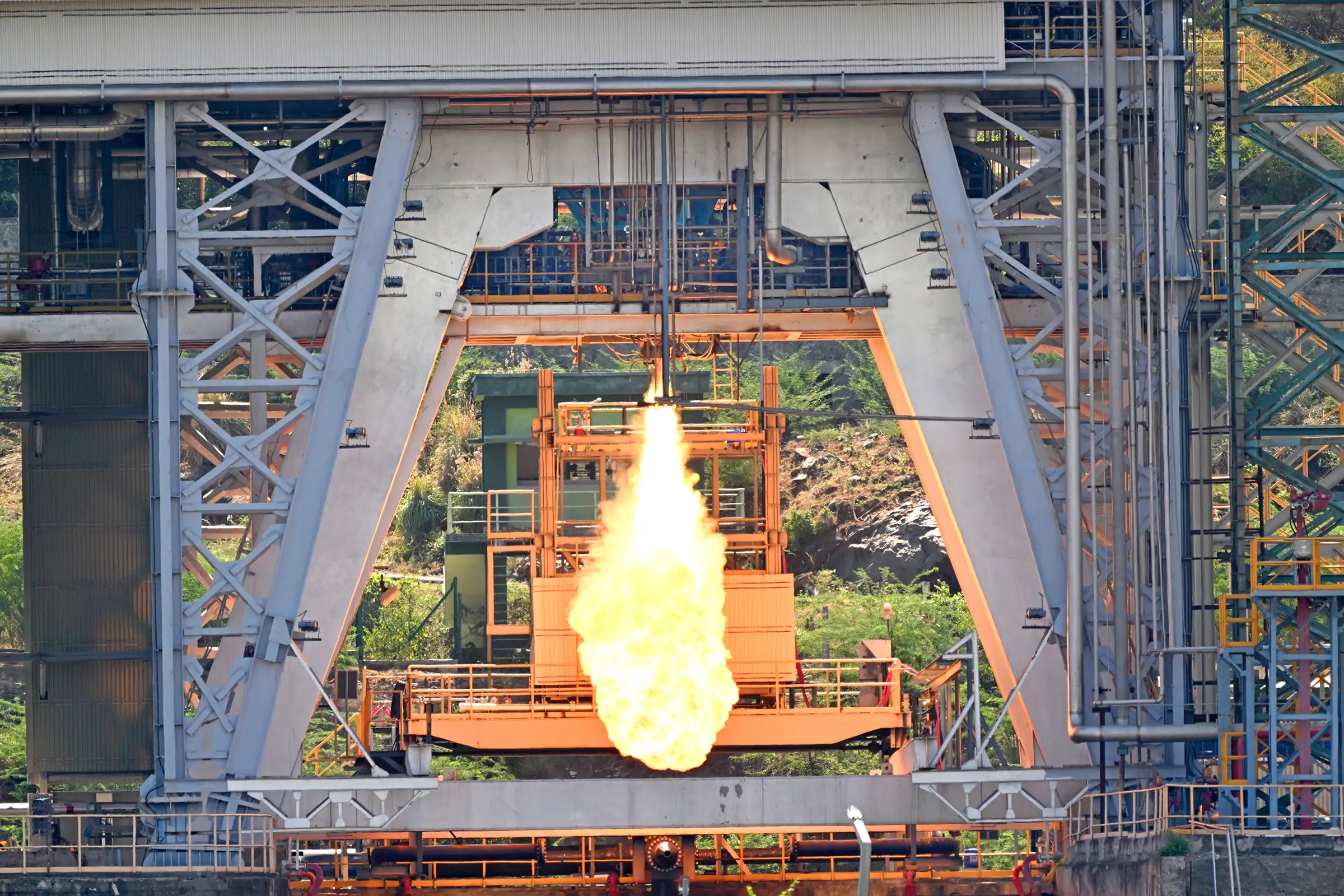
Hot-tested the semi-cryogenic engine power head at 175 tonnes of thrust, about 88–90% of its 200-tonne design level.[10][9]
Leadership
- V. Narayanan
Chairman, ISRO; Secretary, Department of Space; Chairman, Space Commission (as of 27 June 2026)[3][9]
Sources
ISRODepartment of Space and ISRO HQisro.gov.in
ISROisro.gov.in homepageisro.gov.in
ISRODr. V. Narayanan Started Functioning from ISRO HQisro.gov.in
Department of SpaceAnnual Report 2025-2026isro.gov.in
WikipediaIndian Space Research Organisationen.wikipedia.org
WikipediaGSLV F16en.wikipedia.org
WikipediaPSLV-C62en.wikipedia.org
News On AirISRO successfully conducts CE20 cryogenic engine ground testnewsonair.gov.in
ETV BharatIndia Mastered Cryogenic Engine Technology Once Denied To It: ISRO Chief Narayananetvbharat.com
OrganiserISRO successfully tests next-gen semi-cryogenic rocket engineorganiser.org
Business TodayBudget 2026: ISRO sees modest funding hike for 2026-27 as Department of Space gets Rs 13,705 crorebusinesstoday.in
Coverage of ISRO
Human spaceflight
Gaganyaan targets mid-2028 crewed flight after three tests
An ISRO propulsion director put the crewed target beyond the chairman’s earlier 2027 aim; the reported 95% test estimate had been given before.
Space safety
Assam lays foundation stone for ISRO radar facility
The Chandrapur site is part of Project NETRA; an early cloud radar is planned, while the space-tracking system has no disclosed commissioning date.
Space policy
ISRO lays out role in space-sector reform clarification
The agency's September 6 statement keeps advanced research and national missions with ISRO while casting industry as the route to scale mature capabilities.
Missions
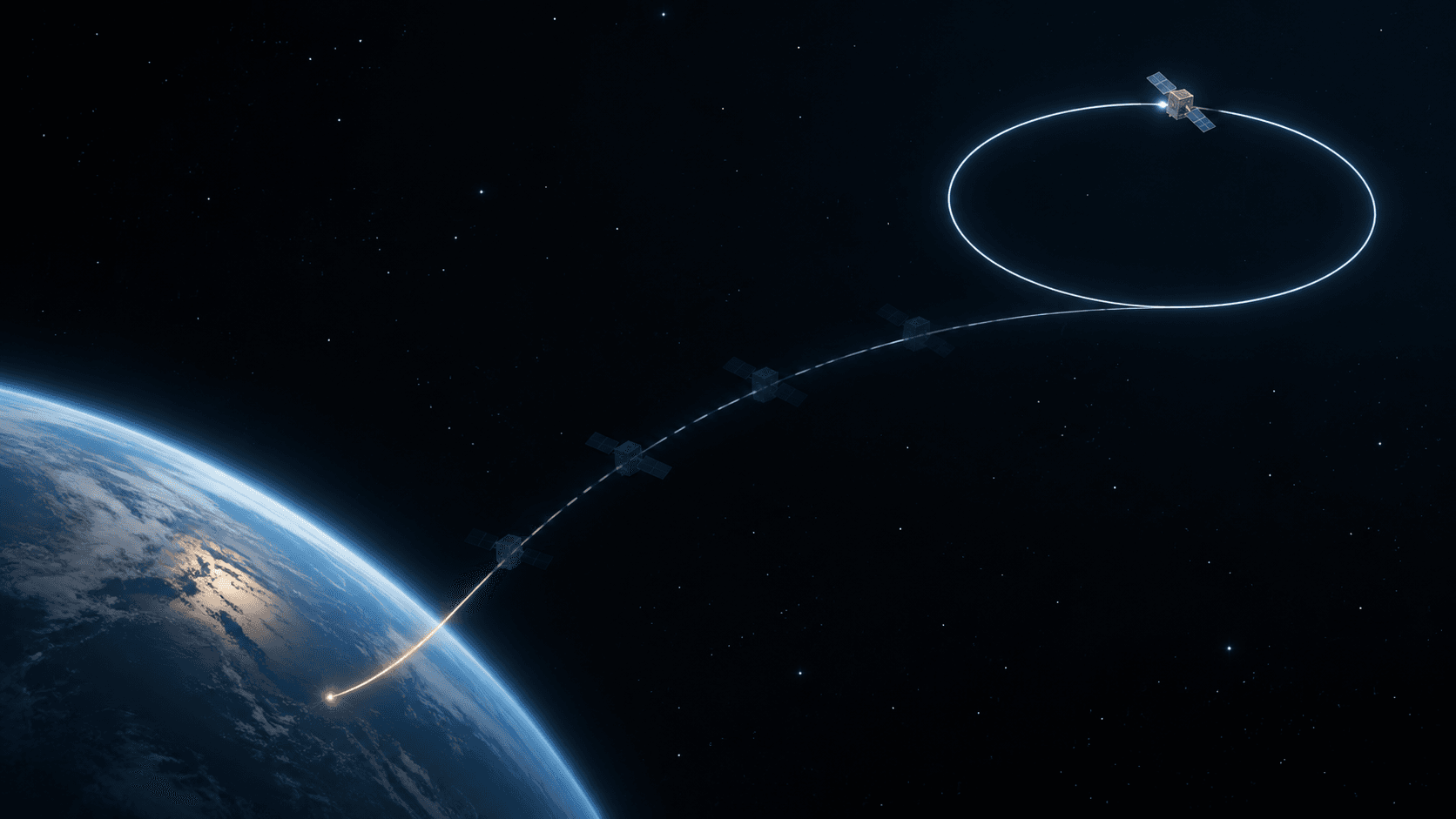
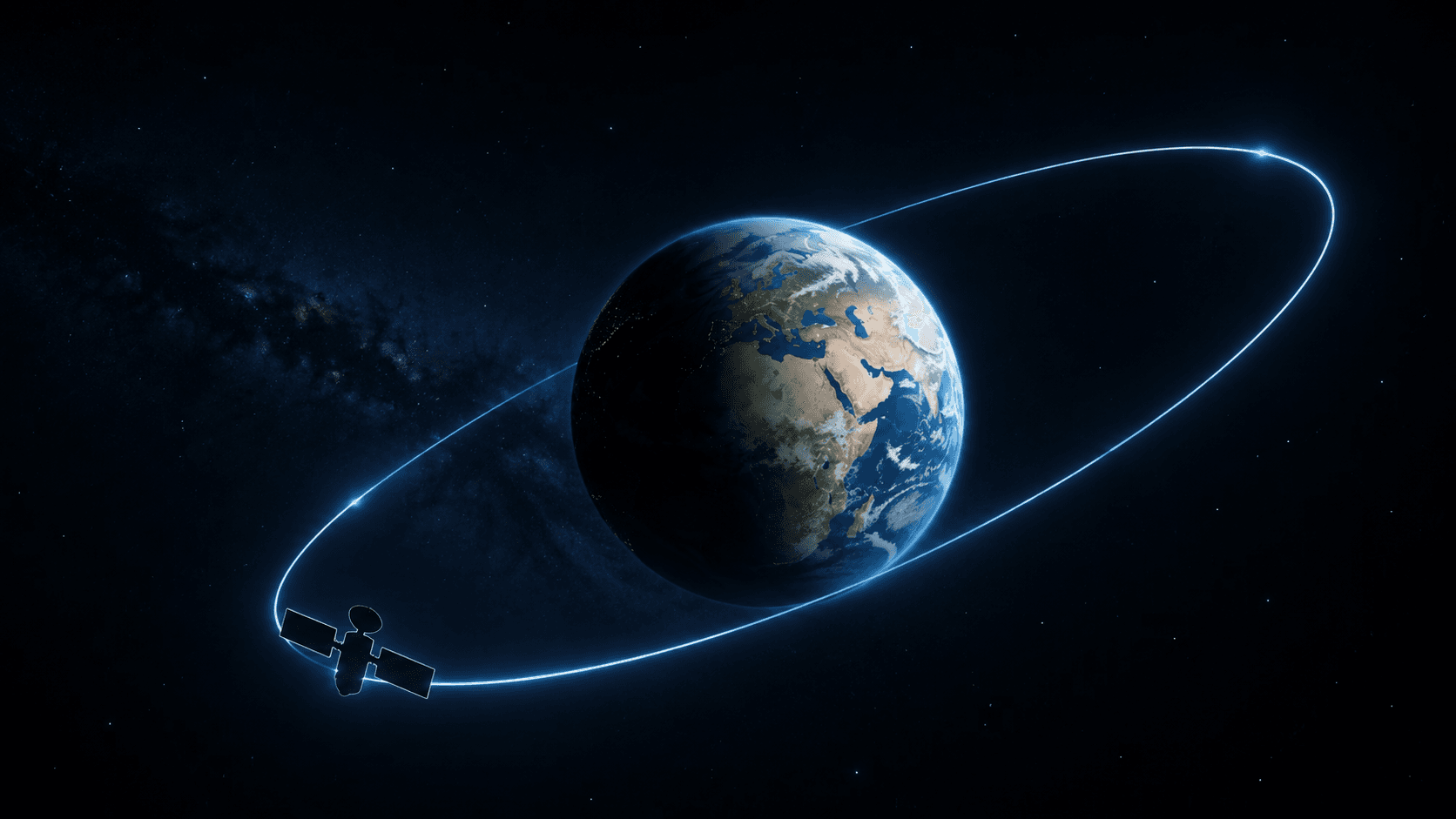
ISRO publishes update on EOS-05's final orbit-raising operation
The September 7 notice records a 1,247-second liquid-apogee-motor firing and an estimated 34,903 km by 35,884 km orbit; it does not announce commissioning or services.
Missions
ISRO details EOS-05's first planned orbit manoeuvre
The agency's September 5 notice reports a completed engine burn and an updated transfer orbit; it does not say the spacecraft has reached its intended geostationary slot.
Launch
ISRO publishes 200-tonne power-head test result
The agency says a 35-second firing in Tamil Nadu was the first full-thrust run of the engine power head. A complete engine, stage qualification and a flight date were not announced.
Space industry
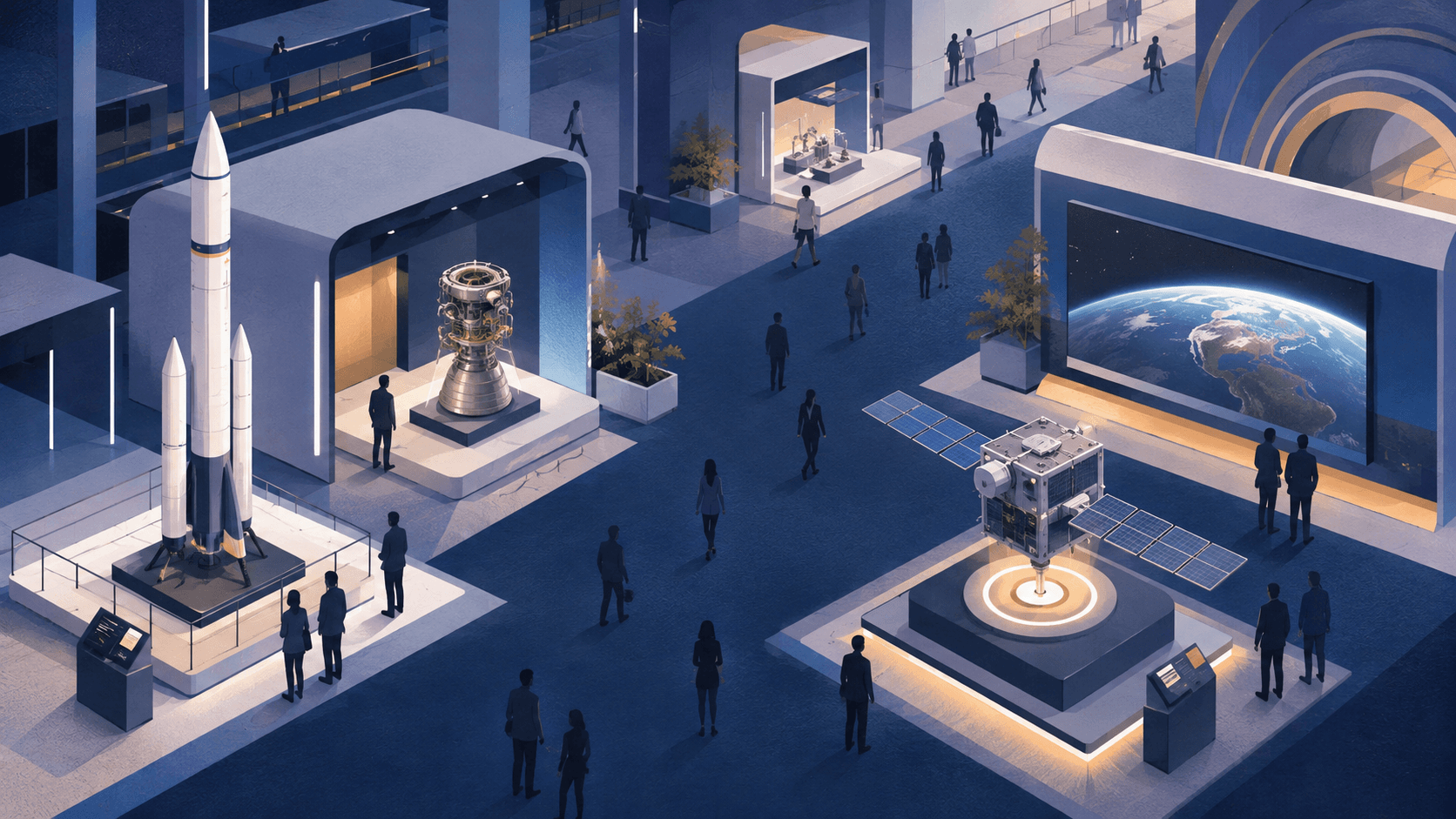
Bengaluru Space Expo roster lists many space and related companies
The organiser’s 12-page roster names many space and space-related exhibitors; company-controlled posts verify plans from Skyroot, Pixxel, XDLINX, Manastu, GalaxEye, Bellatrix, Maargin and General Datum.
Launch
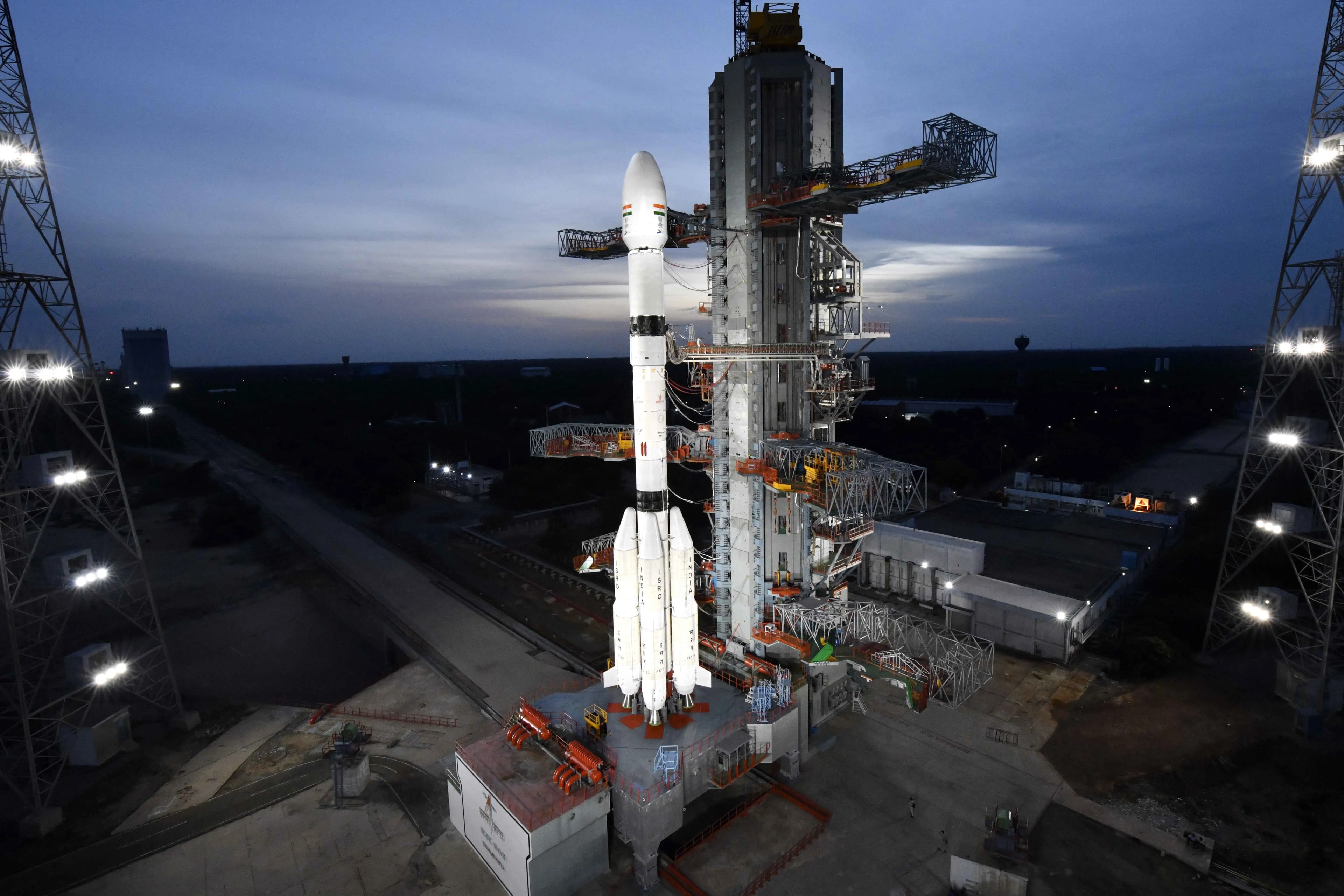
GSLV-F17 places EOS-05 in intended orbit
The September 4 mission update confirms orbital insertion, while post-launch spacecraft commissioning and operational service remain unreported in the reviewed accounts.
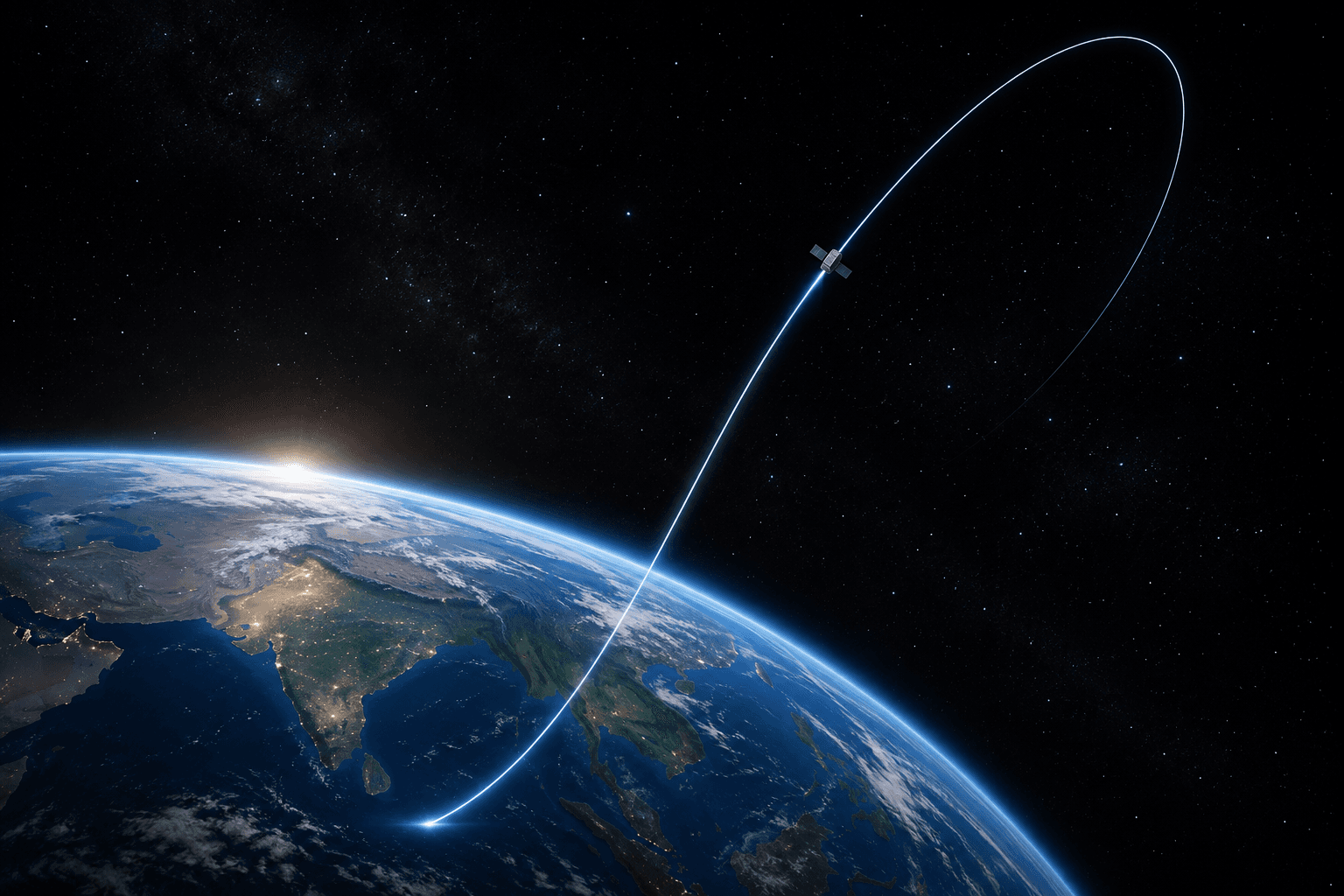
Launch
ISRO plans GSLV-F17 launch for September 4
The agency has scheduled the Sriharikota mission for 2:55 a.m. IST, with EOS-05 bound for a sub-geosynchronous transfer orbit rather than an operational orbit.
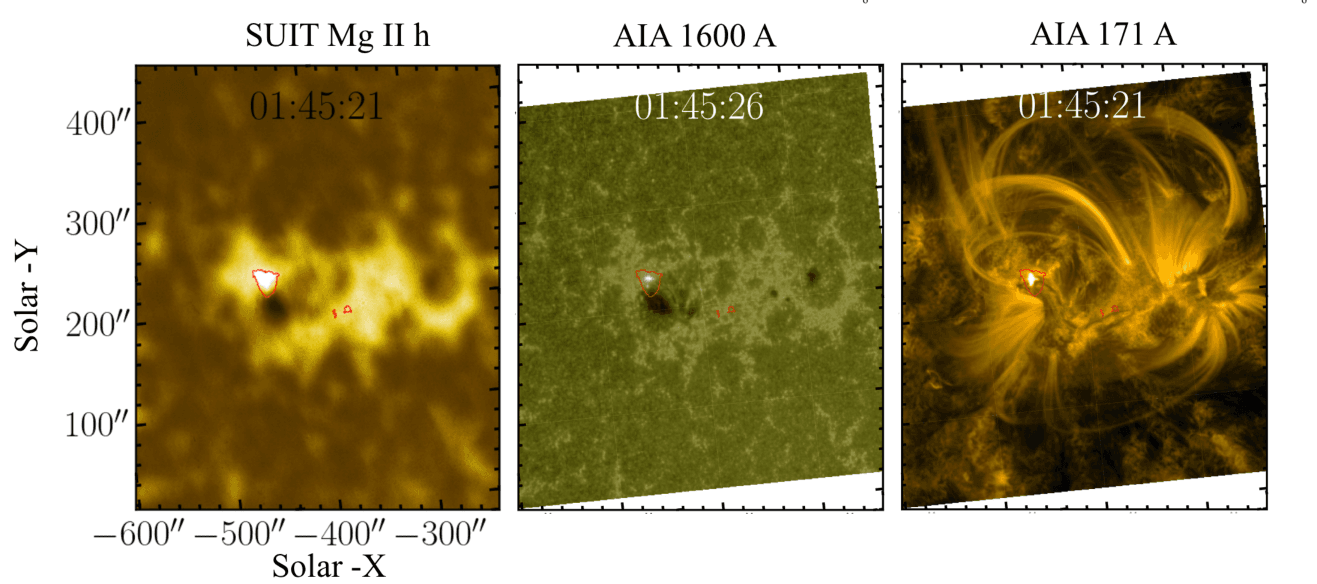
Solar science
Aditya-L1 study traces small brightenings before major solar flares
Seven 2024 flare cases contained 102 ultraviolet transients before onset, but the observations do not yet establish a flare-forecasting method.

Launch
Second Vikram-1 first stage begins transfer to Sriharikota
The transfer starts a new campaign after July’s maiden orbital flight, but Skyroot has not announced a launch date or said that the next vehicle is integrated.
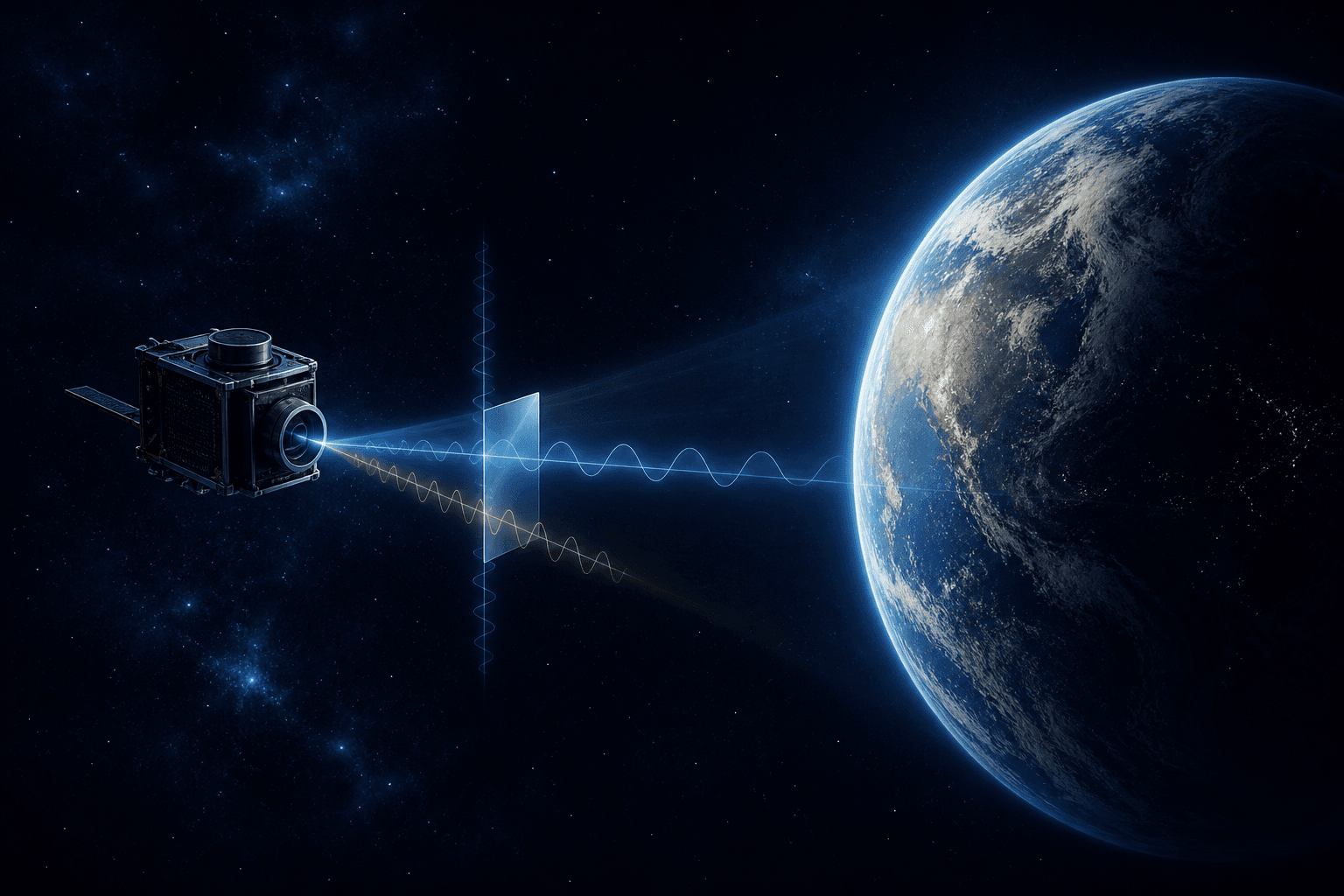
Planetary science
Chandrayaan-3’s SHAPE shows how Earth can stand in for an exoplanet
A new preprint reports the instrument’s in-orbit performance and whole-Earth spectra, while leaving the calibrated science analysis for later papers.
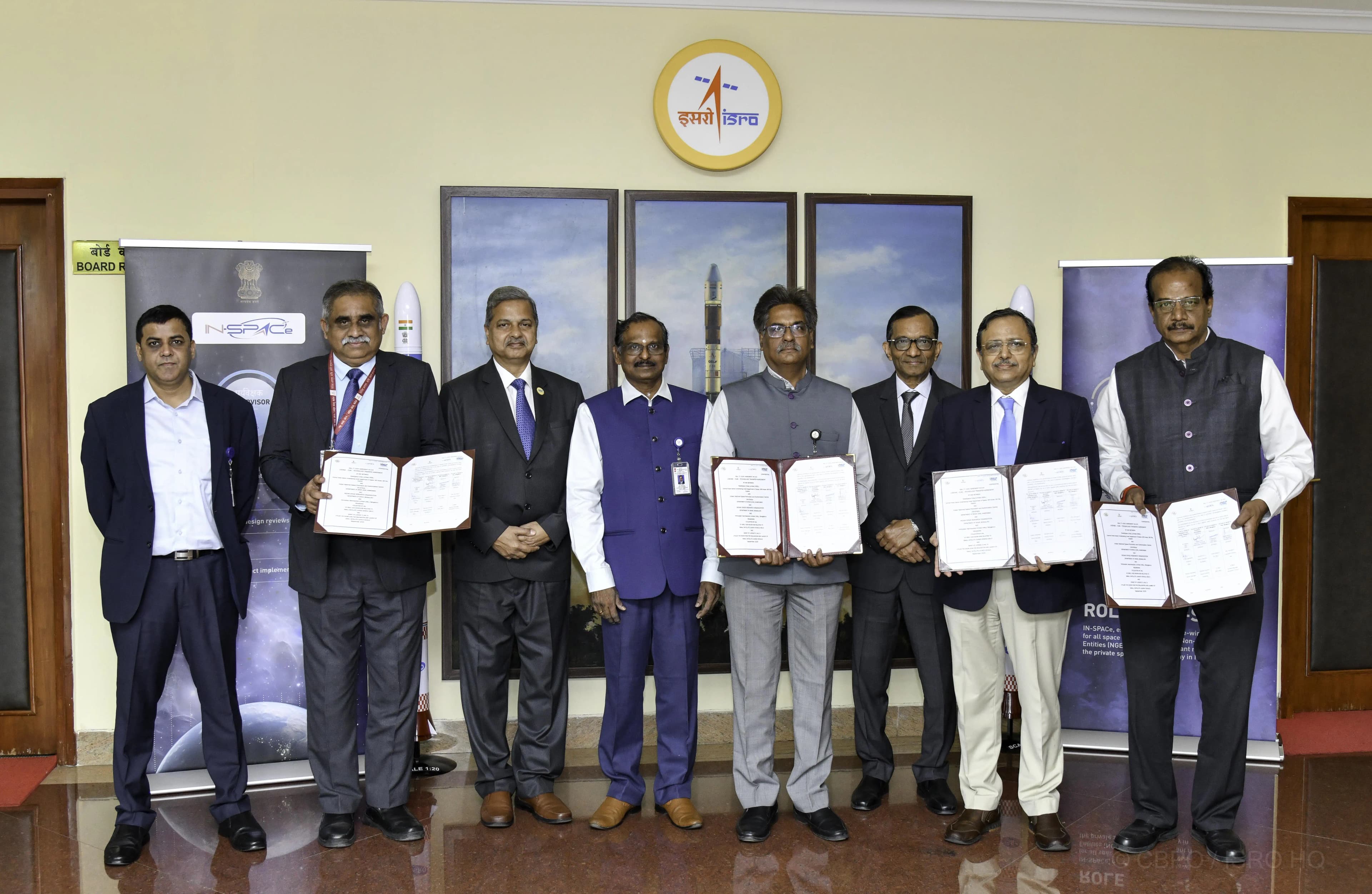
Space policy
ISRO plans gradual transfer of mature rocket manufacturing to industry
PSLV and LVM3 transfer calls were already limited to private Indian entities. The change concerns who builds and commercialises mature vehicles, not an immediate end to ISRO missions or government launch work.
Space safety
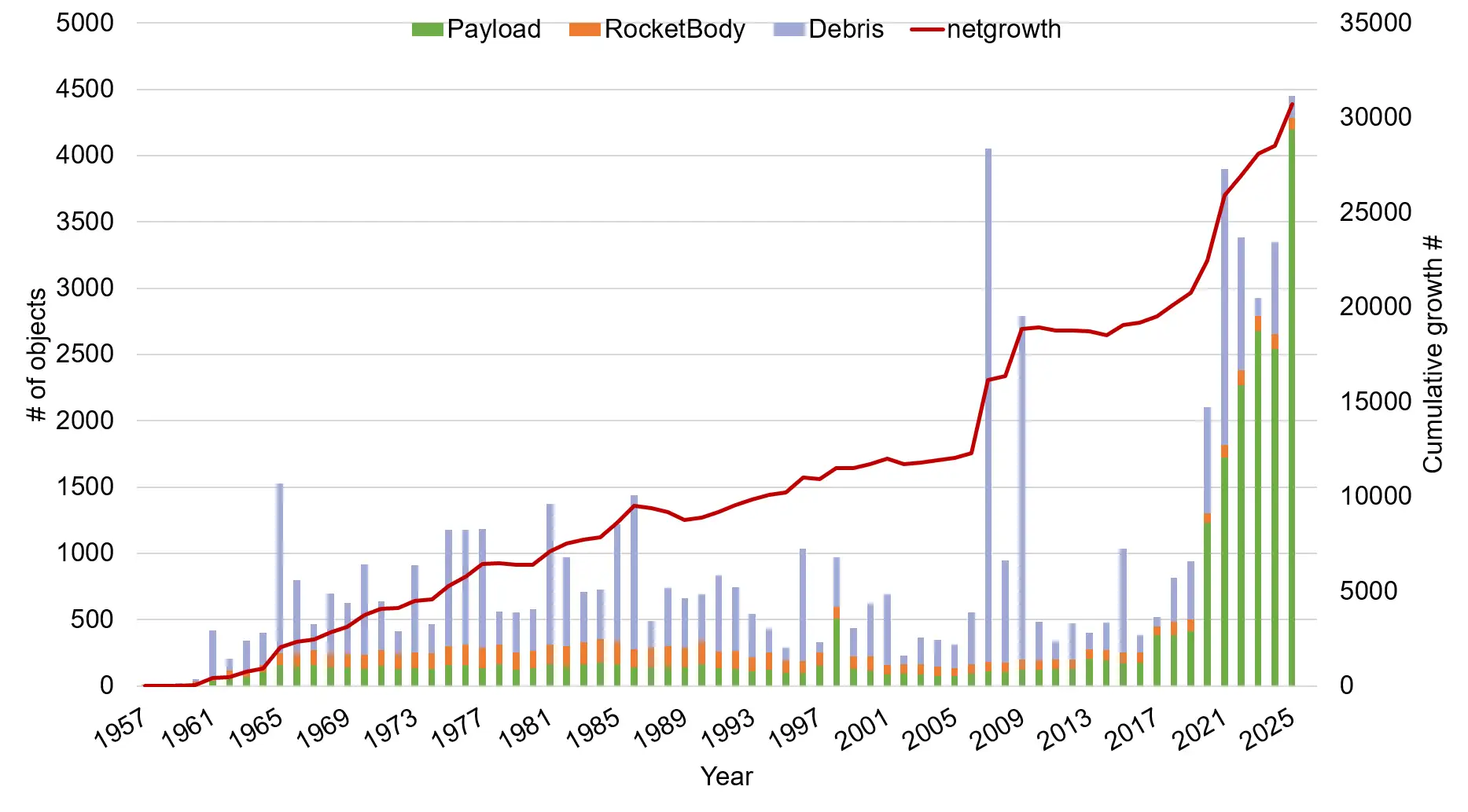
India documents start of debris-removal precursor demonstrations
The August 13 parliamentary reply connects policy and on-orbit trials, but names no target object, removal attempt, operational system or timetable.
Launch industry
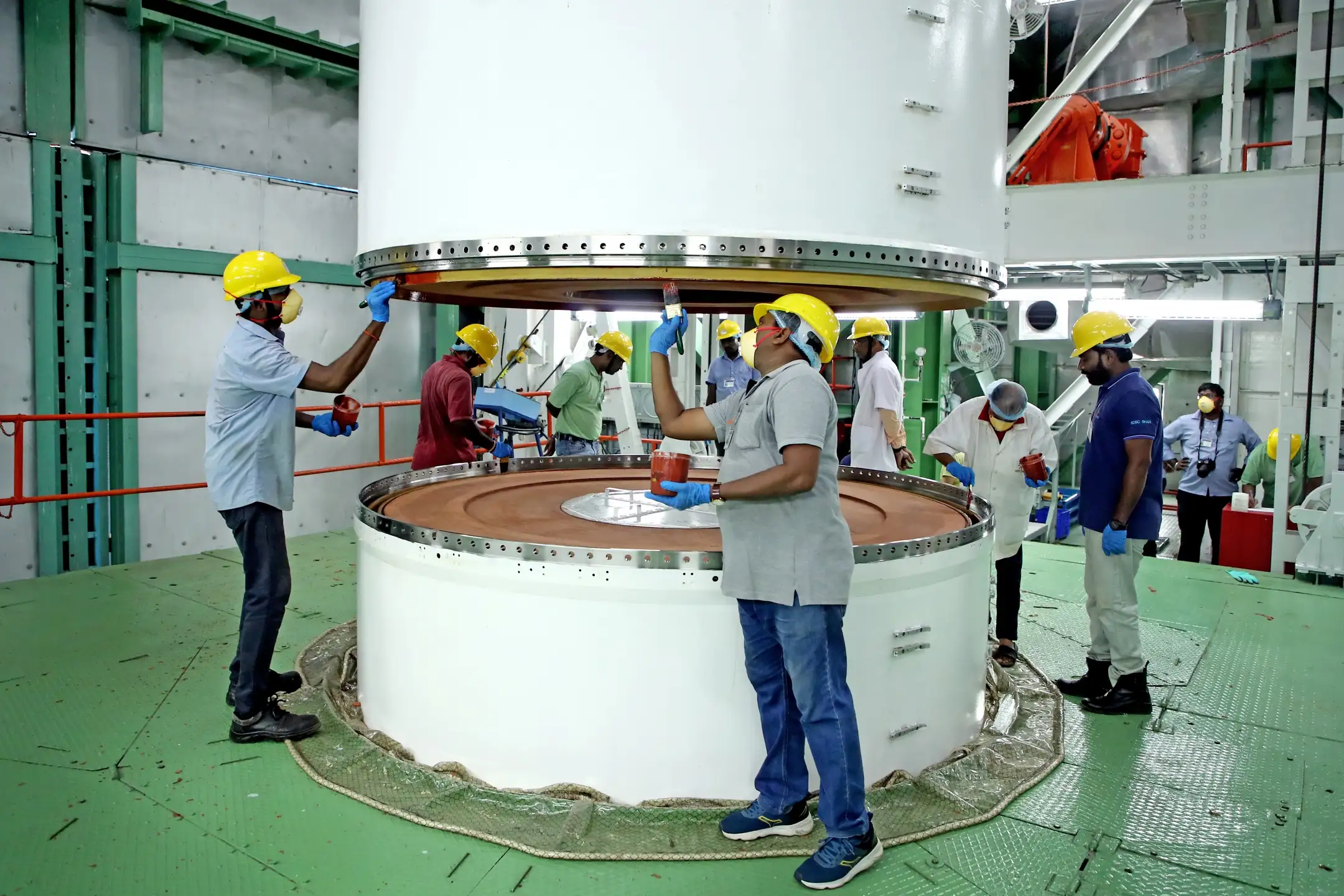
Industry-built PSLV targets March 2027 launch
The reported date is at least nine months later than a Q1 2026 target disclosed to Parliament, although first-stage stacking began in December. No reviewed source gives a cause.
Launch
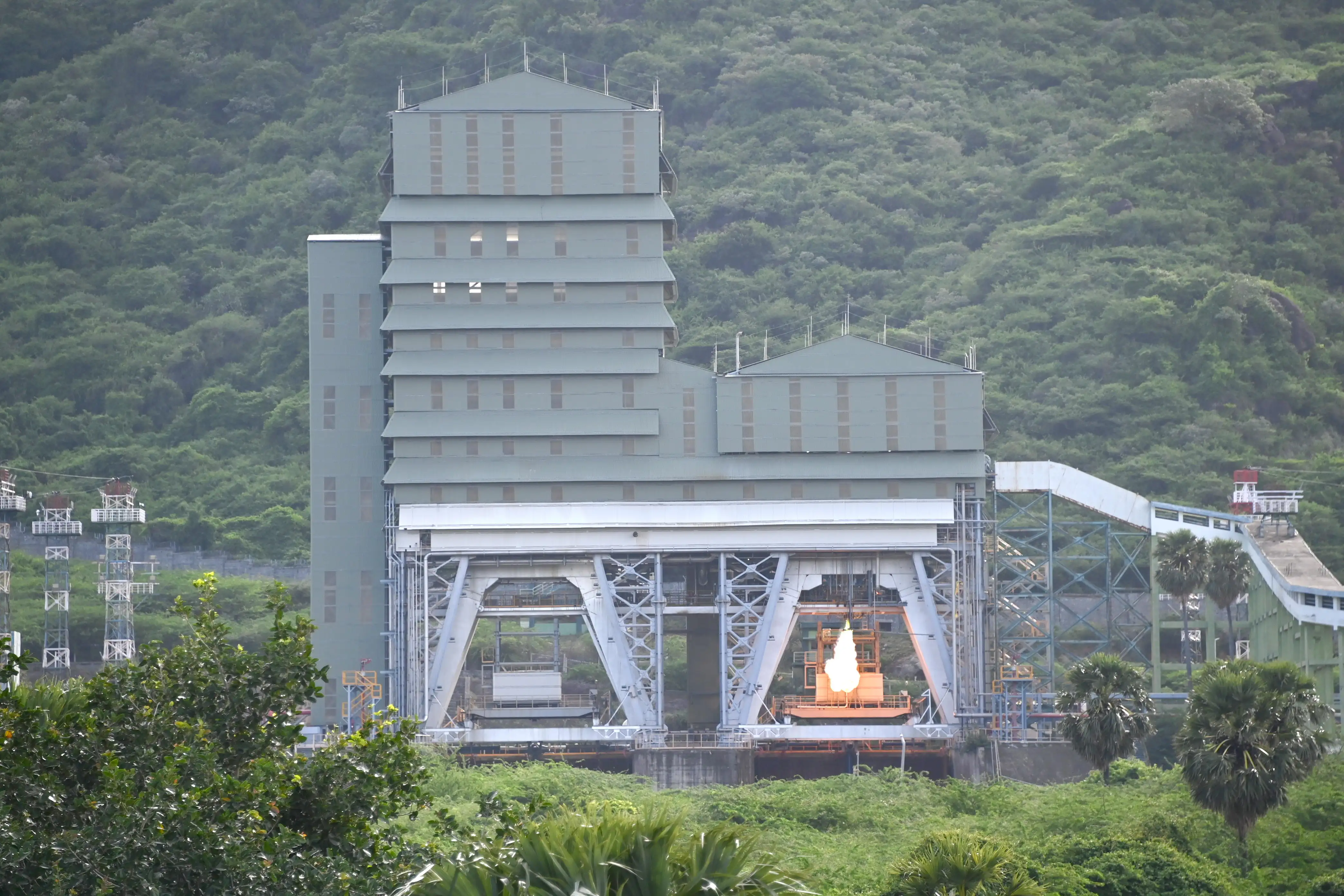
India proposes semi-cryogenic LVM3 for Chandrayaan-4 mission
An August 13 Rajya Sabha answer names the thrust chamber as the only SE2000 subsystem still unrealised, leaving full-power power-head and integrated-engine work ahead.
Launch
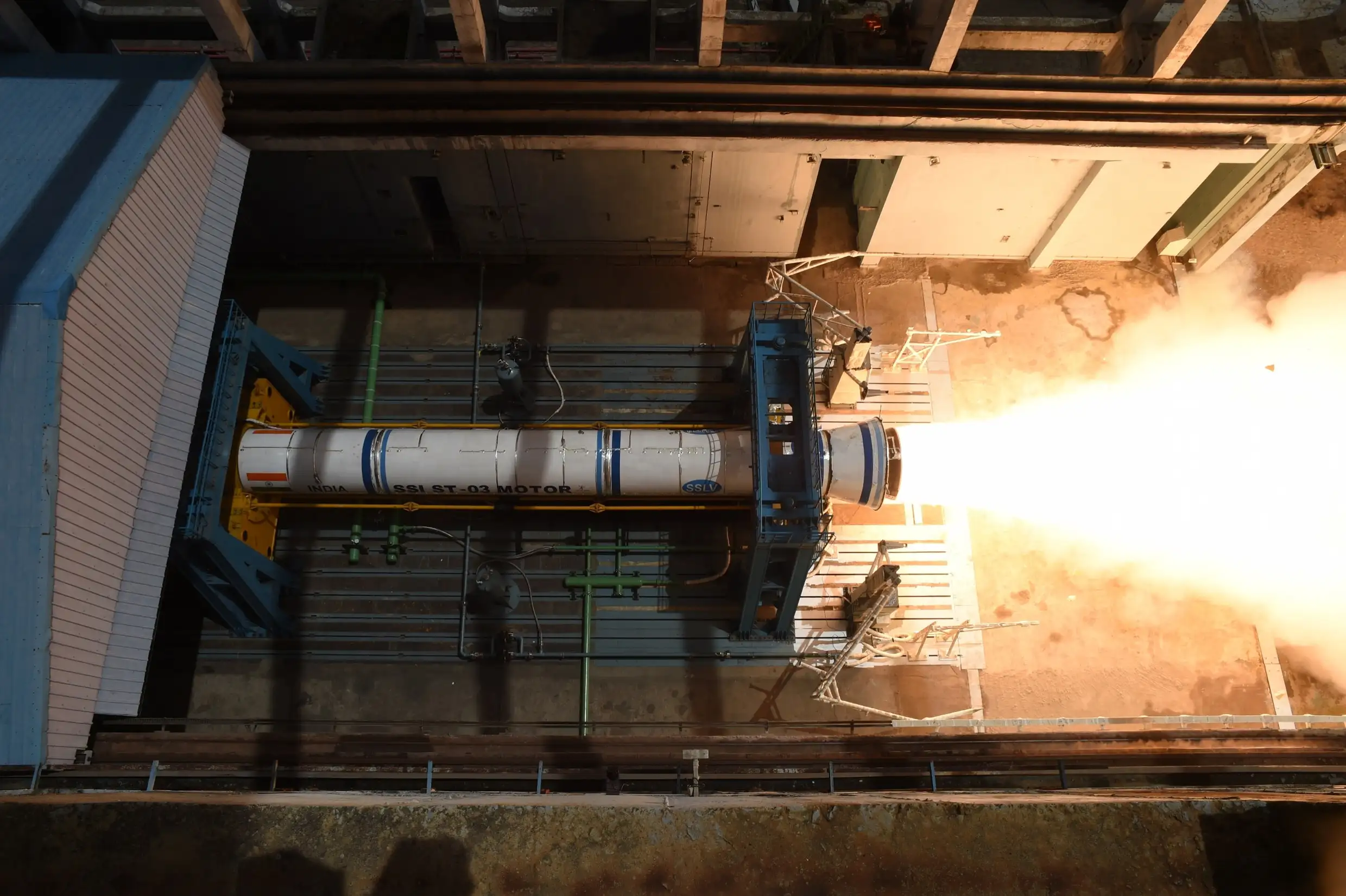
ISRO tests improved SSLV first stage for 100 kg payload gain
The SS1 firing exercised a higher propellant burn rate in two segments, revised thermal protection and nozzle-production changes, but the gain has not yet been demonstrated in flight.
Launch
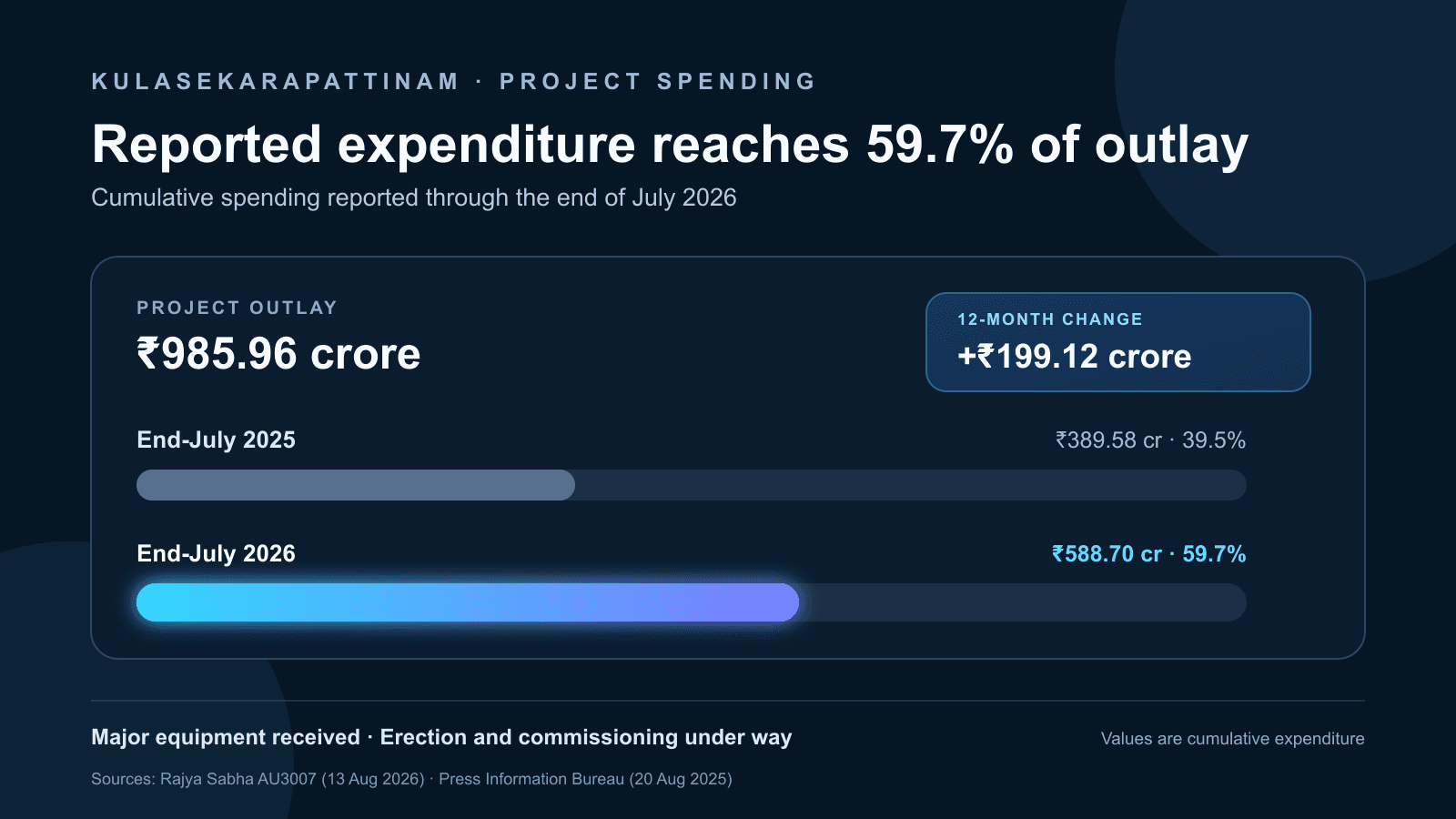
Kulasekarapattinam operator search opens as construction continues
The latest project reply puts spending at ₹588.70 crore of ₹985.96 crore, while IN-SPACe seeks a private manager and leaves the commissioning date unstated.
Lunar cooperation
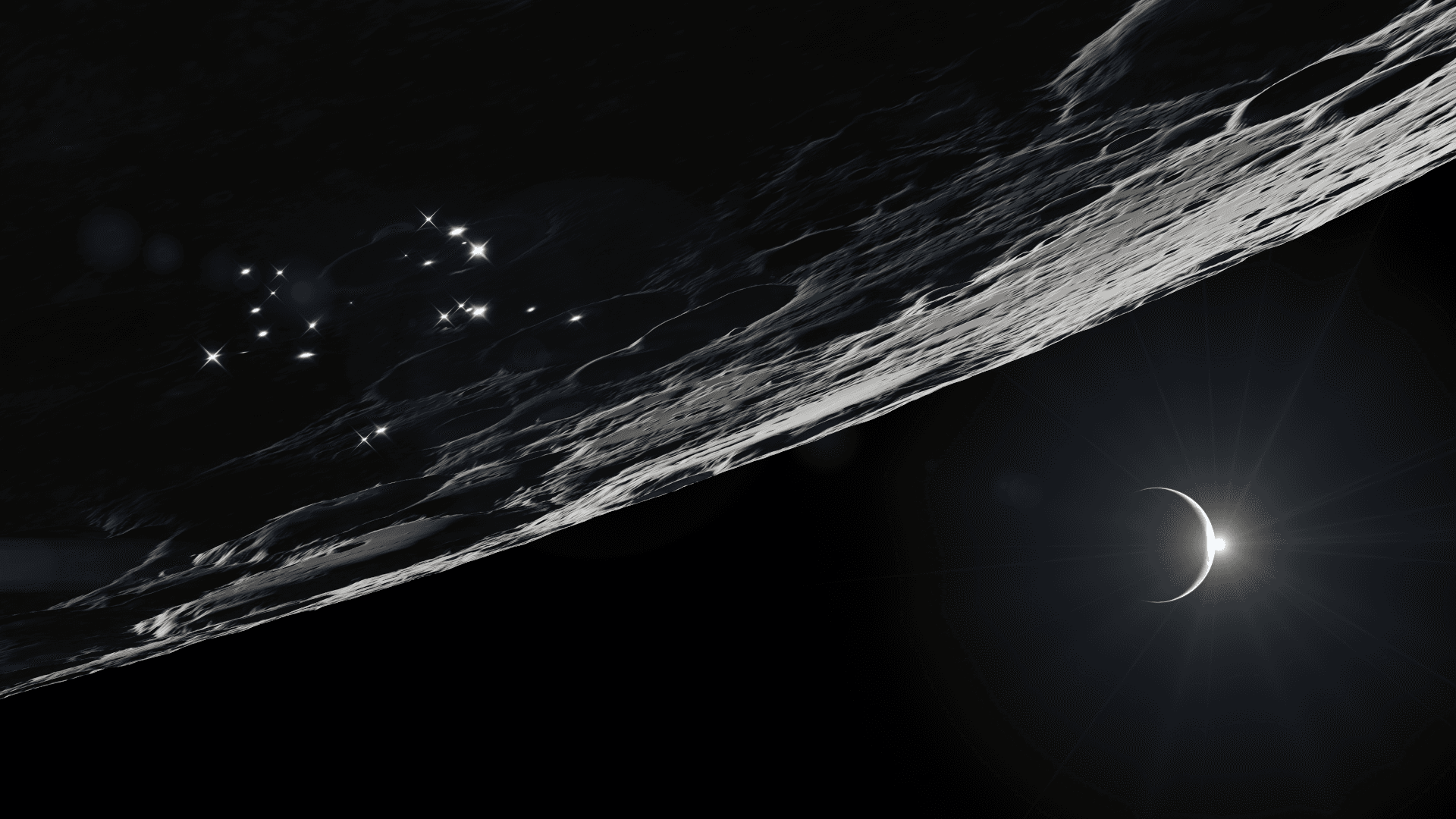
NASA invites ISRO to join Moon Base programme, but terms remain undisclosed
The offer was recorded after an August 5–6 bilateral meeting in Bengaluru. Neither side announced Indian acceptance, funding, hardware or a mission assignment.
Navigation
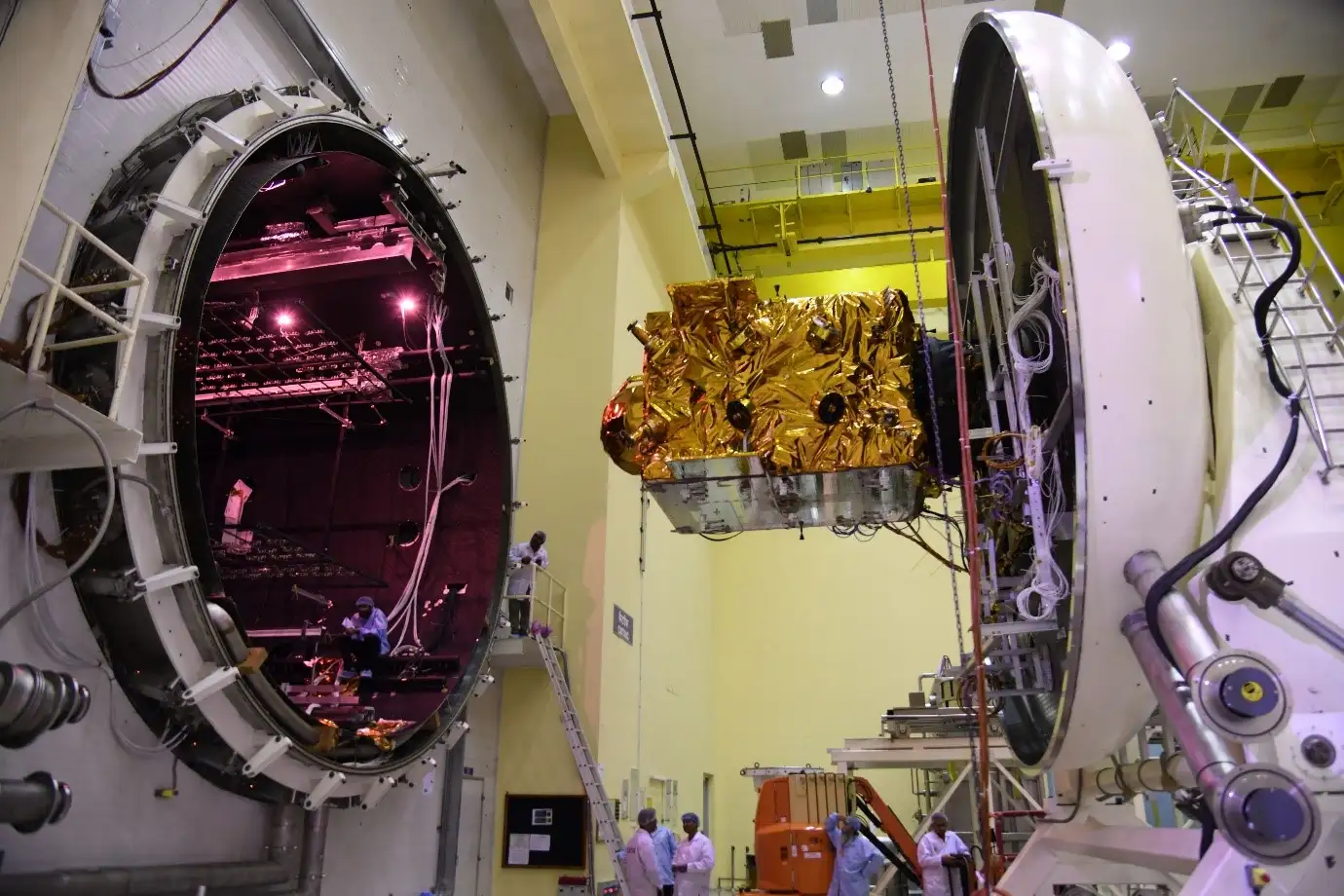
Only three NavIC satellites currently broadcast navigation signals
A Rajya Sabha reply shows a four-satellite gap against NavIC’s seven-satellite design. NVS-03 is ready, but the government gave only a launch sequence—not launch dates—for rebuilding the base layer.
Solar science
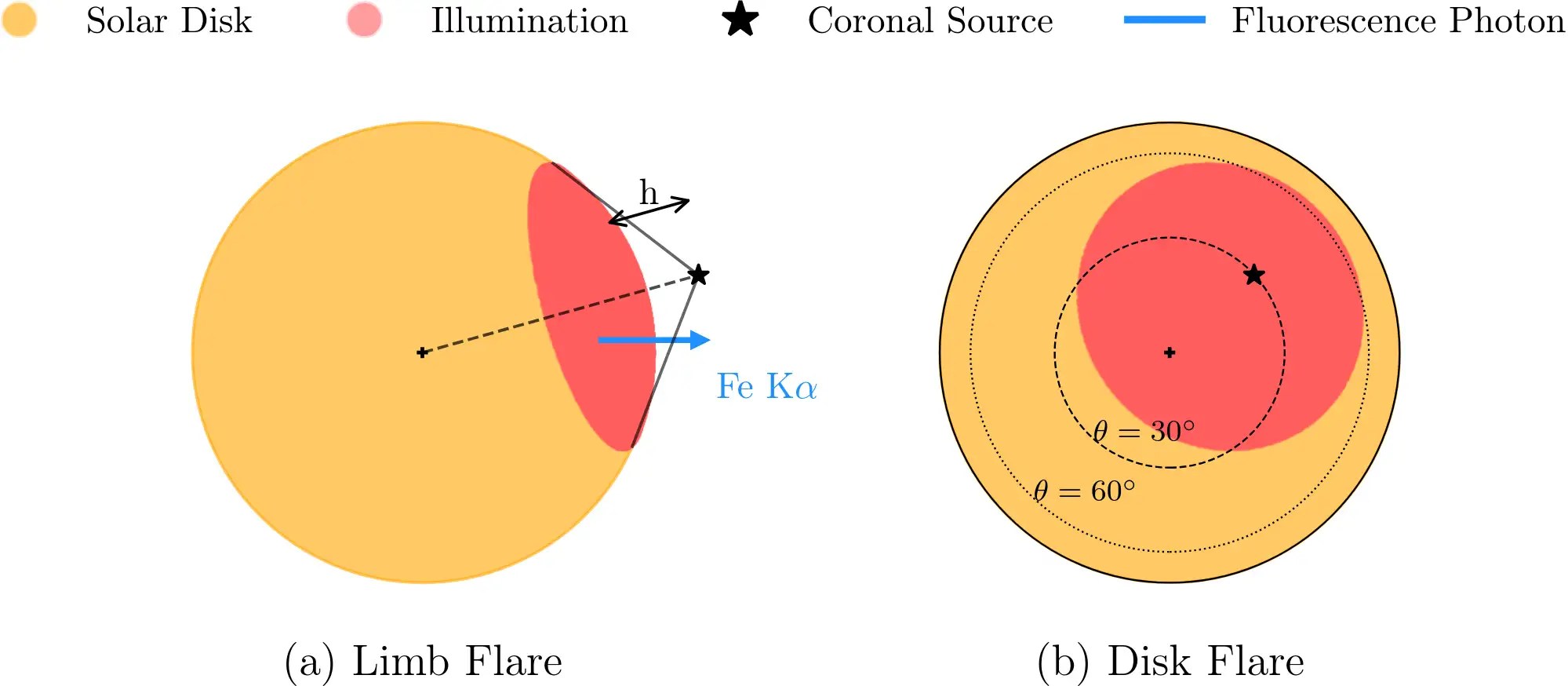
Aditya-L1 maps an iron X-ray echo across 47 major solar flares
The 6.40 keV signal tracked flare X-rays and weakened toward the solar limb, giving SoLEXS a possible way to constrain coronal source geometry—with important limits.
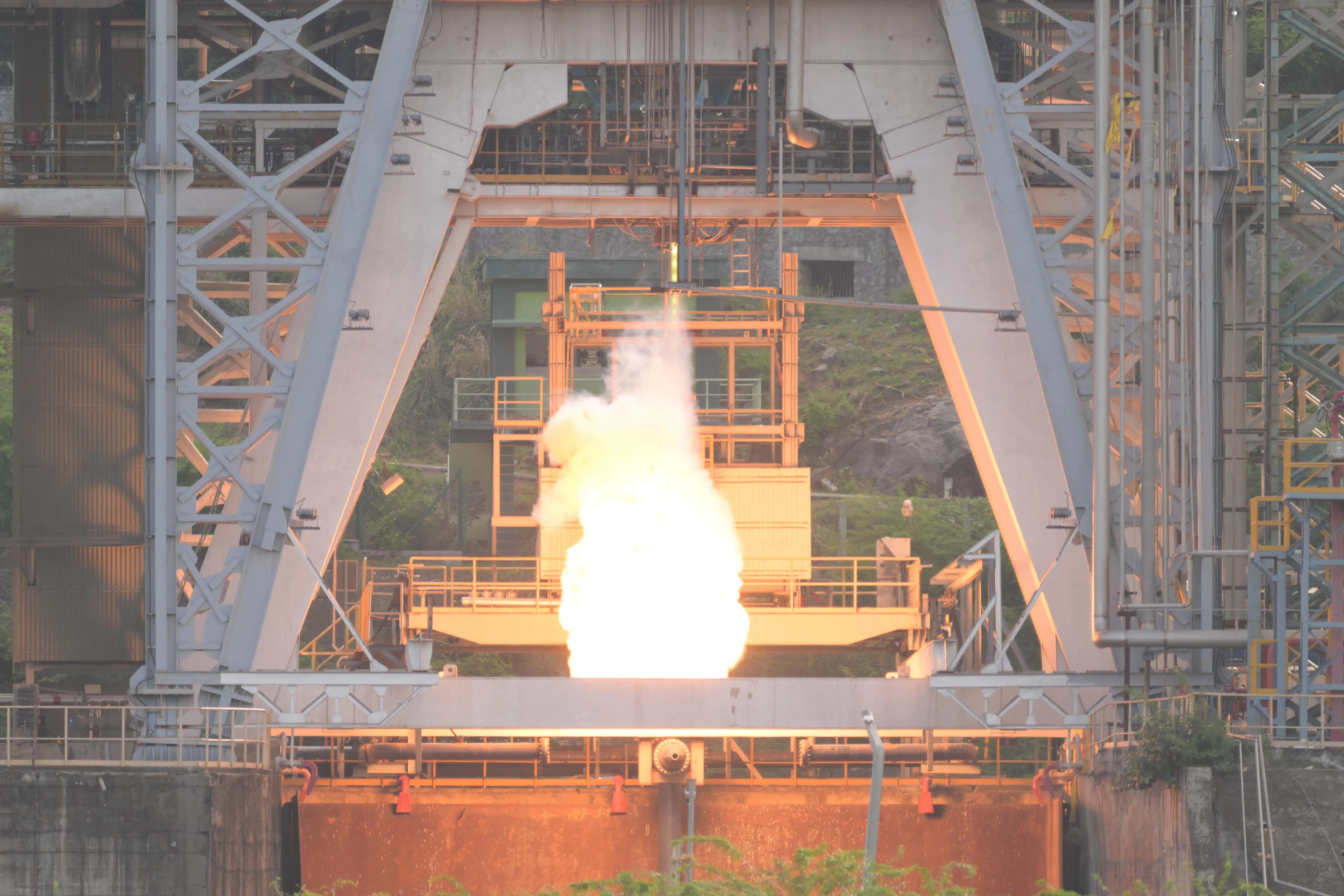
Launch
ISRO publishes 175-tonne semi-cryogenic power-head test result
The 88%-thrust firing exercised ignition build-up, steady-state operation and the main turbopumps, but a full-power power head, complete engine and flight stage still remain.
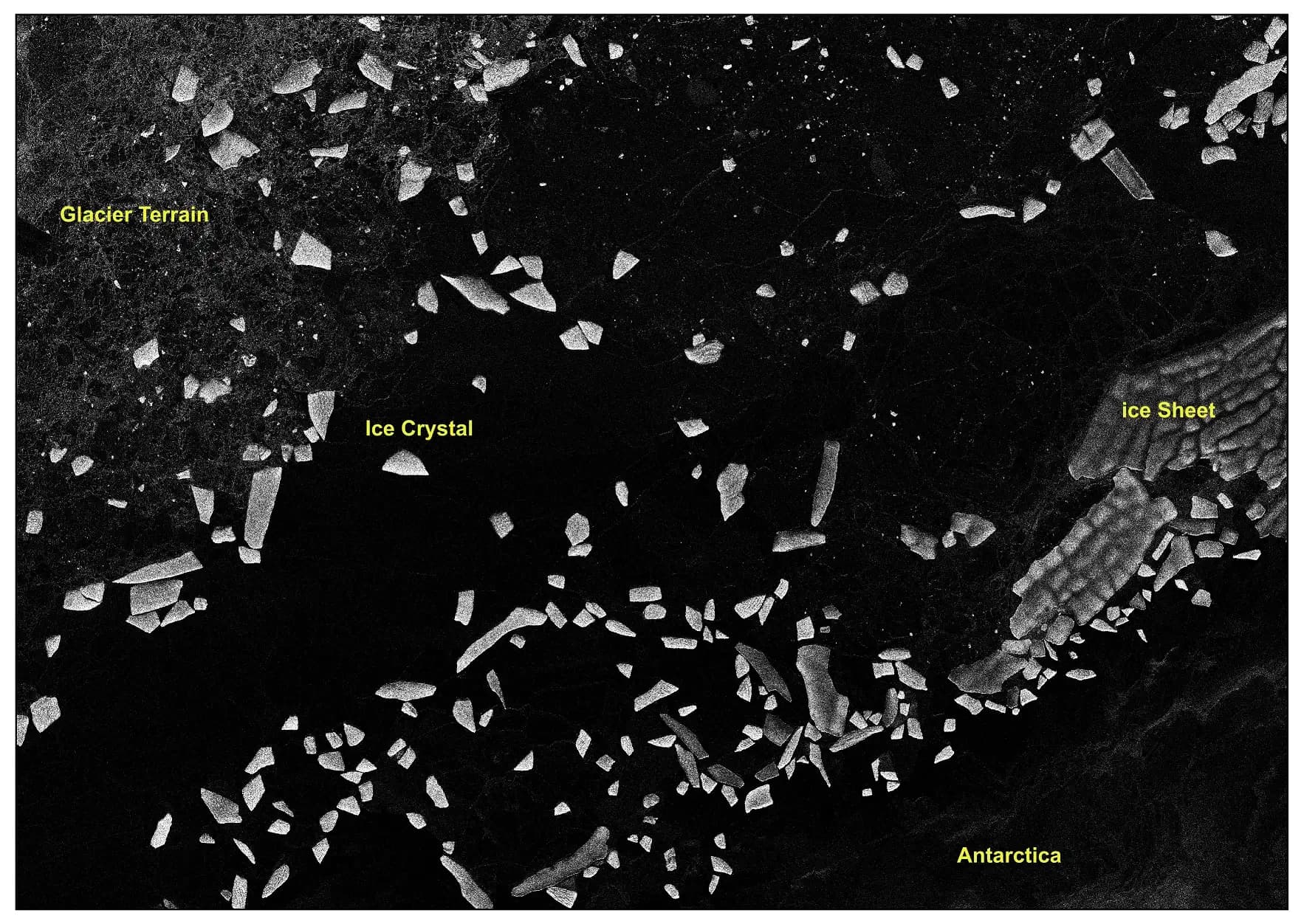
Earth observation
NISAR S-band products enter daily release through Bhoonidhi
Cycle 25 data is now flowing into an eight-product catalogue with about 48-hour operational latency, while historical scenes and calibration refinements remain works in progress.
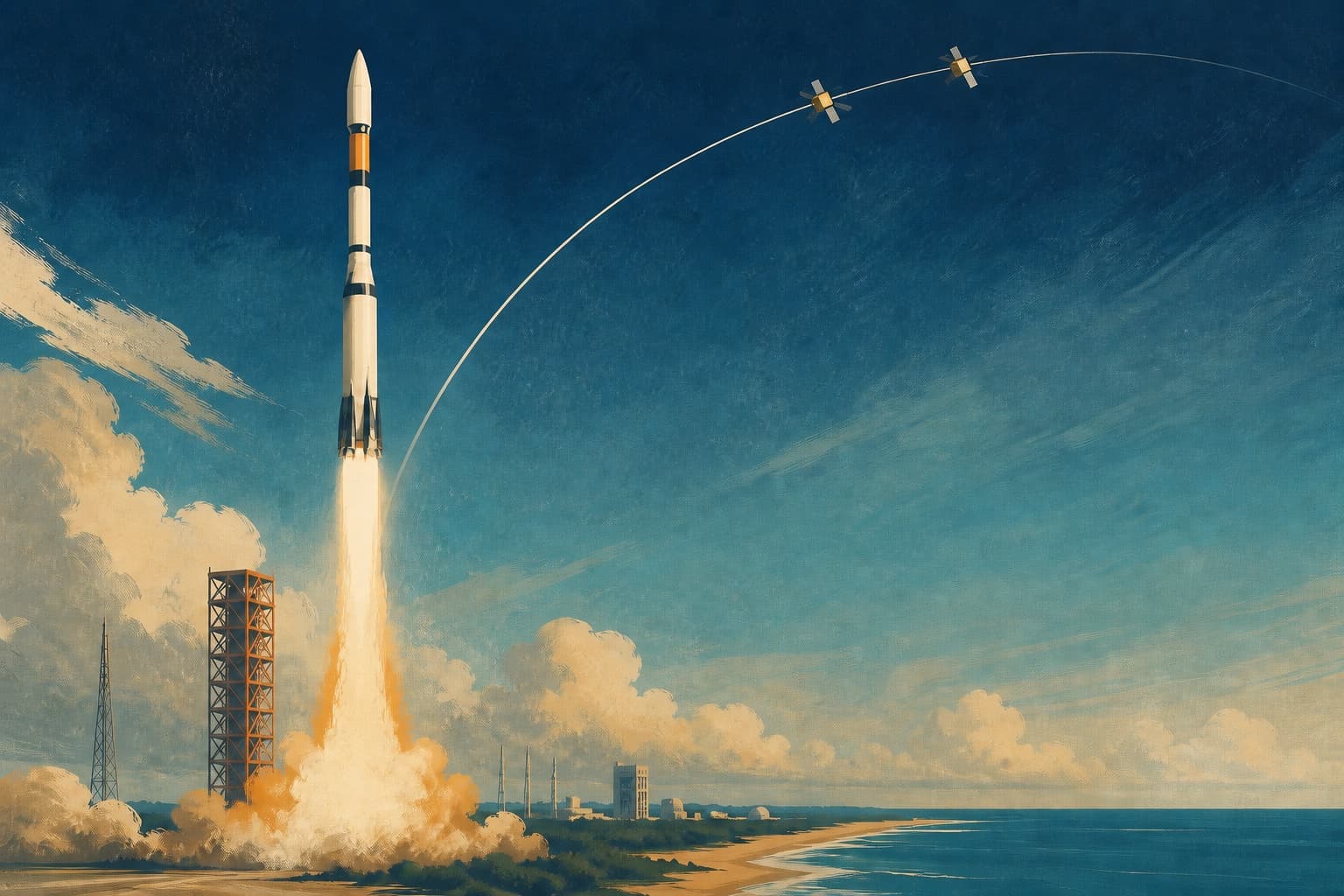
Launch
Vikram-1 reaches orbit on India’s first private orbital launch
Skyroot’s four-stage launcher placed two satellites in low Earth orbit on its maiden flight, crossing a threshold for India’s commercial launch ecosystem.

Solar science
Aditya-L1 opens a third cycle of observing time
With more than 30 TB of mission data already public, ISRO is inviting India’s solar-physics community to propose the observatory’s next investigations.
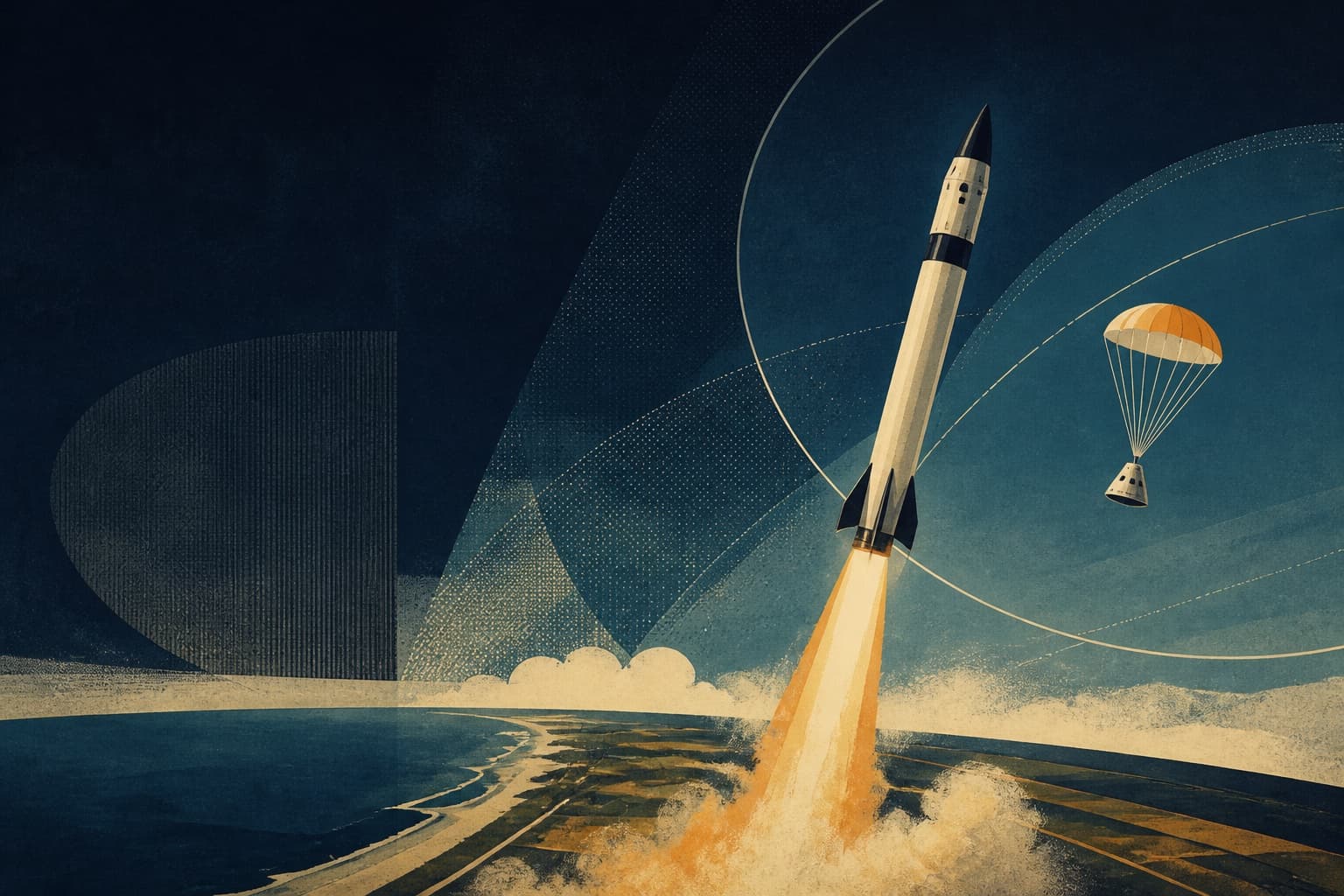
Human spaceflight
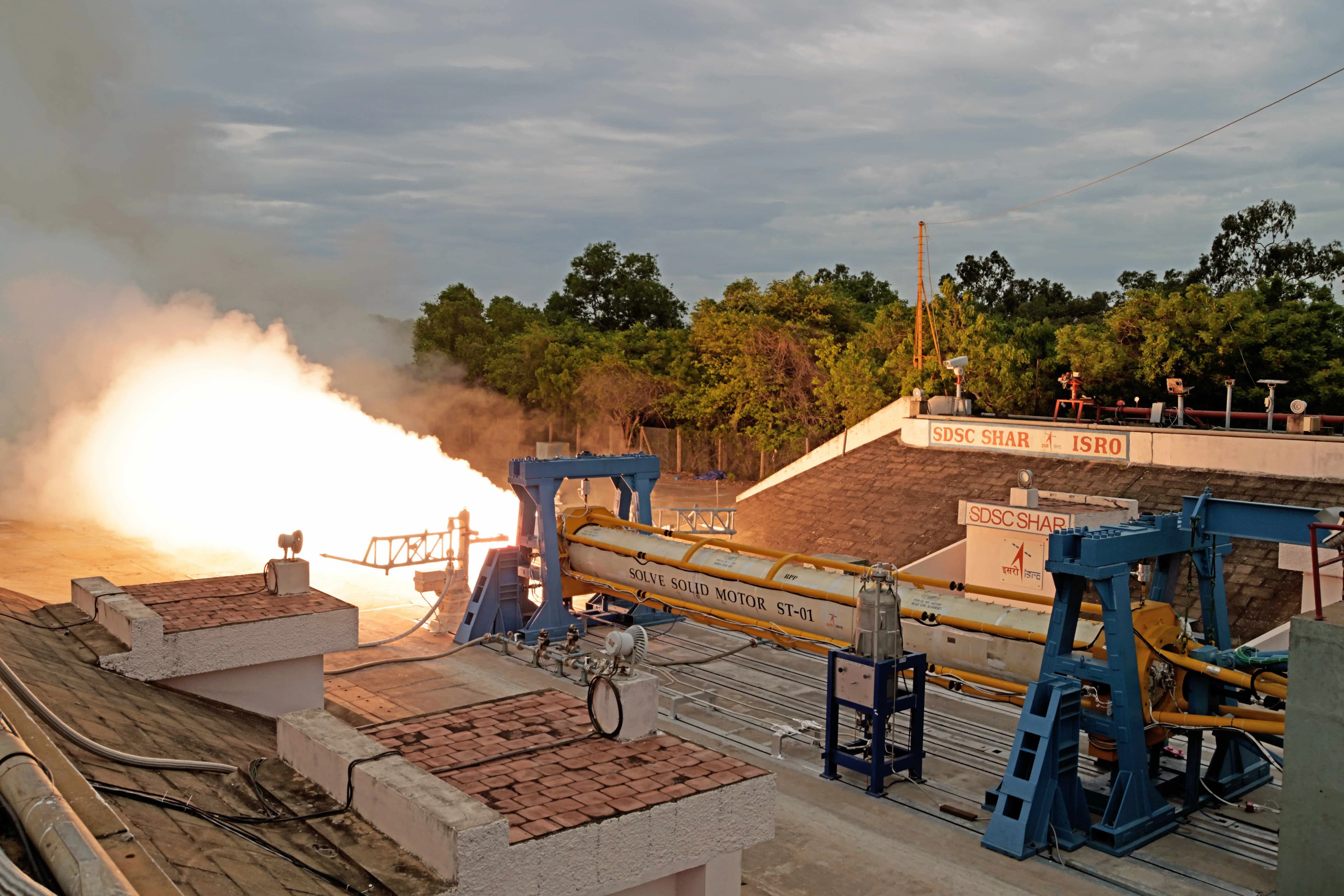
The motor test shaping Gaganyaan’s next escape trials
SOLVE turns modified PSLV hardware into a flexible test bed for India’s crew-module parachute system. Here is what the first firing proved—and what comes next.
Space safety
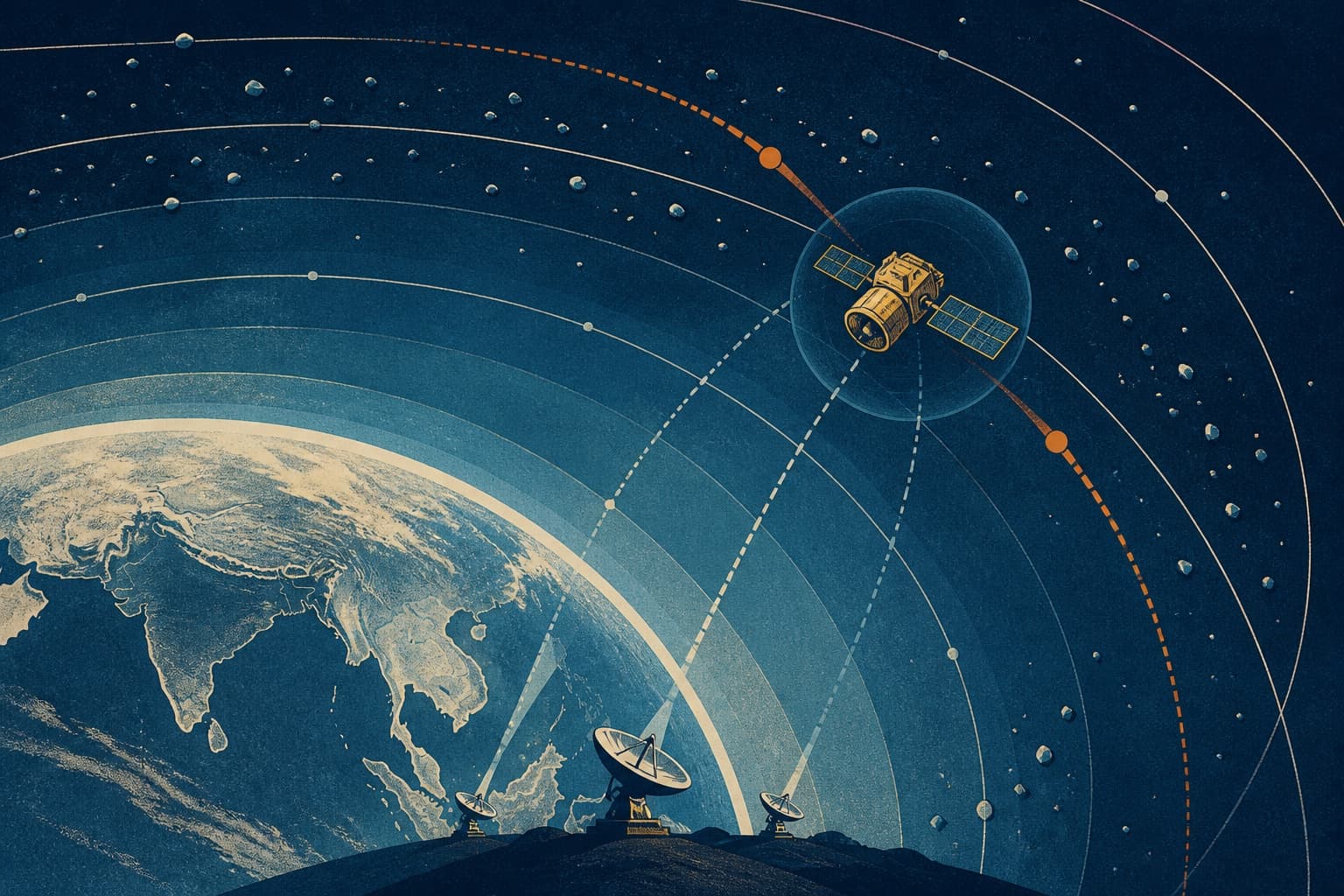
India’s orbital traffic report, decoded
ISSAR-2025 shows how a record launch year translated into more conjunction alerts, more manoeuvre reviews and a heavier operational burden for spaceflight safety.

Human factors
Mission MITRA puts crew teamwork under high-altitude stress
A week-long analogue campaign in Leh is studying how Gaganyatris and ground teams communicate, decide and adapt when isolation and thin air raise the pressure.
Launch analysis
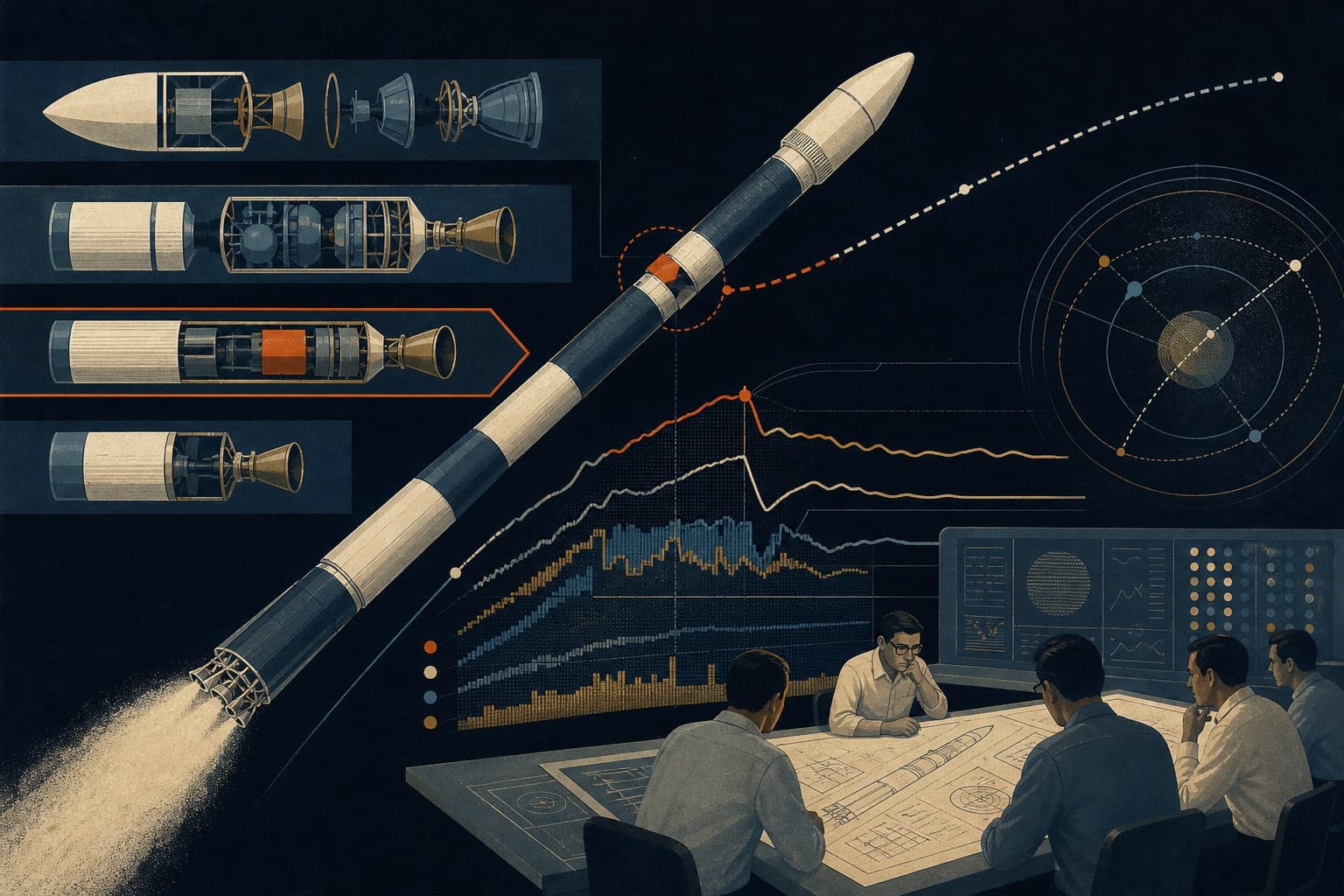
What the PSLV-C62 anomaly review needs to answer
ISRO has located the mission anomaly near the end of the third stage and begun a detailed analysis. Until that work is published, the evidence supports questions—not conclusions.
Update this profile
Work at ISRO or represent it? If something here is wrong or missing, email contact@spaceexploration.news with a public source for the change. Every profile edit is verified before it is published.
Request a profile change