Space industry
Pixxel closes $100 million Series C round
Temasek and Seraphim co-led the financing, lifting Pixxel's disclosed funding to $195 million. The company has not published a valuation or a budget for its planned satellite, software and manufacturing expansion.
Add us as a preferred source on Google Add us as a preferred source on Google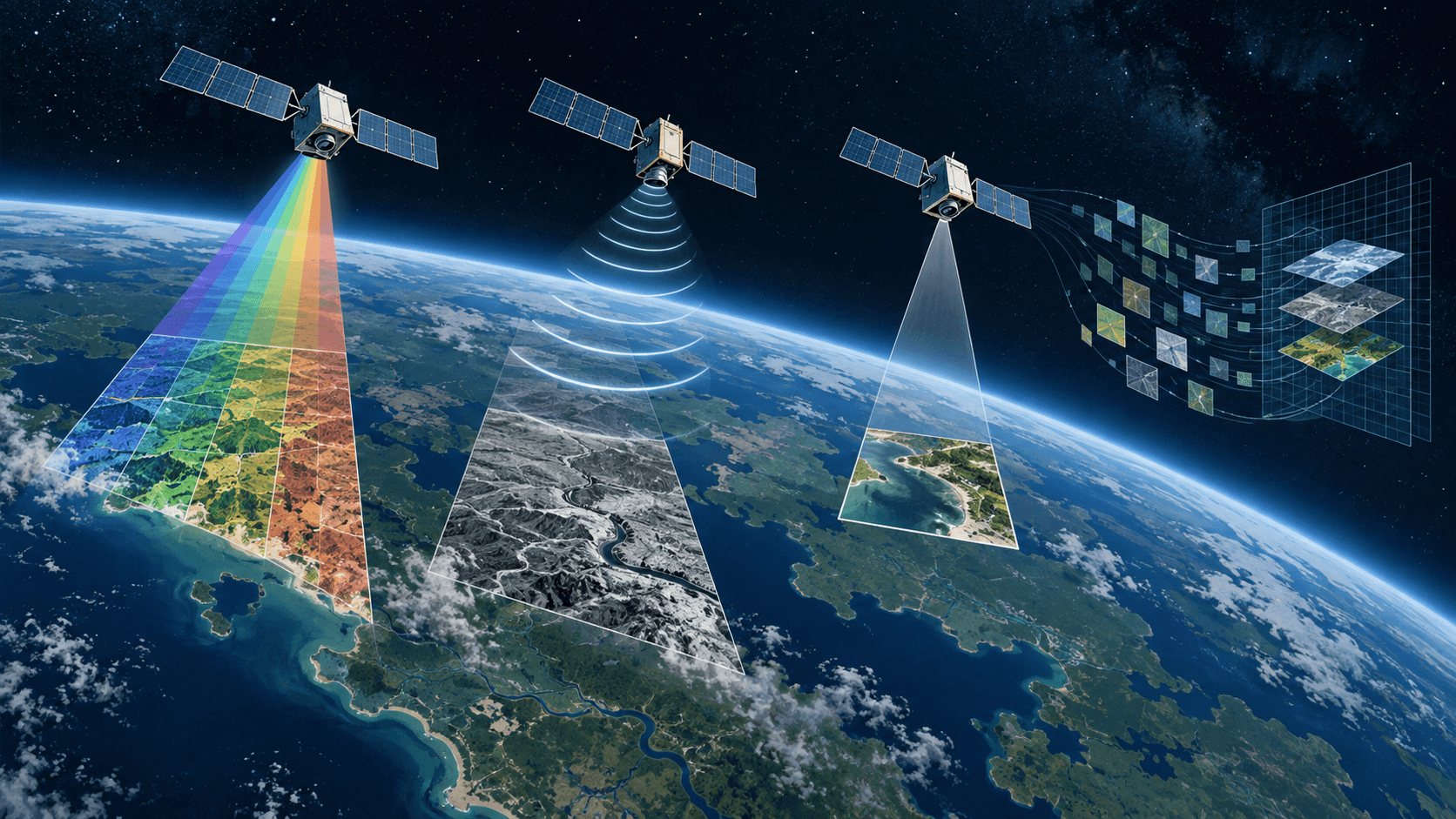
Pixxel closed a $100 million Series C round co-led by Singapore investment company Temasek and British space investor Seraphim, the Bengaluru-based company announced on September 7. Reuters separately reported the financing, and Seraphim published its own account as a co-lead. The round lifts Pixxel's disclosed funding to $195 million and gives it new capital for satellites, Earth-observation software, government systems and manufacturing.
New investors 360 ONE Asset and IMM Investment joined existing backers Radical Ventures, growX ventures and M&G Catalyst, according to Pixxel. The announcement did not disclose the company's valuation, the investors' individual cheque sizes or how the $100 million will be divided among the planned uses. Reuters also described it as the largest single funding round by an Indian space-technology company.
Founder and chief executive Awais Ahmed told The Financial Express after the announcement that Pixxel's immediate goal was to improve cash flow and revenue while expanding its satellite constellation and manufacturing. He said existing contracts could also support debt financing. The interview did not give revenue, cash-flow or order-book figures.
Where Pixxel plans to spend the capital
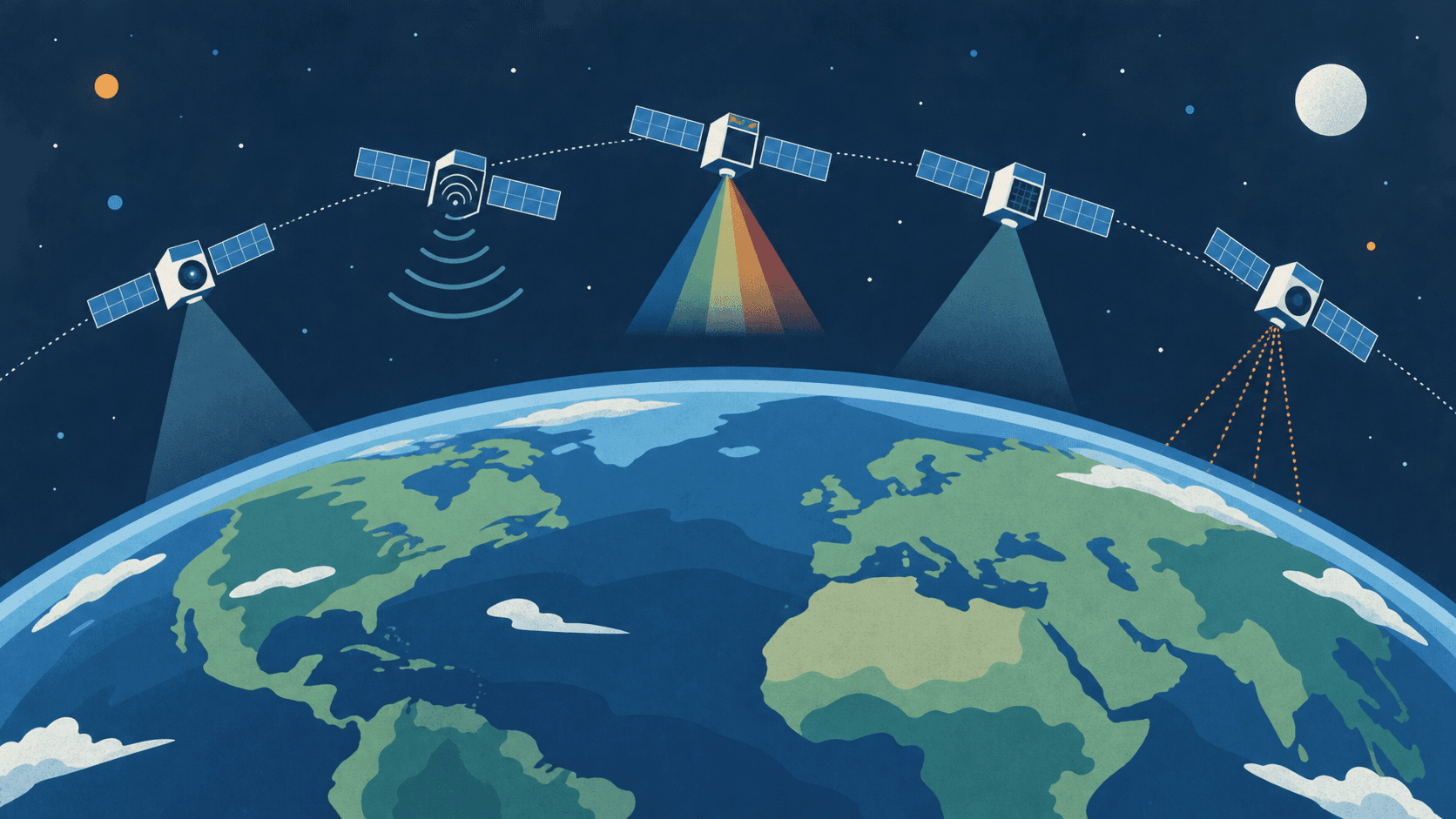
Pixxel says the Series C will support a wider sensor portfolio led by its planned Honeybee hyperspectral constellation. The company expects the first Honeybee satellite to launch in 2027 and says the sensor will extend its observations into shortwave infrared. It also plans synthetic-aperture radar and ultra-high-resolution optical imaging, but the funding announcement gives no launch count or deployment schedule for those systems.
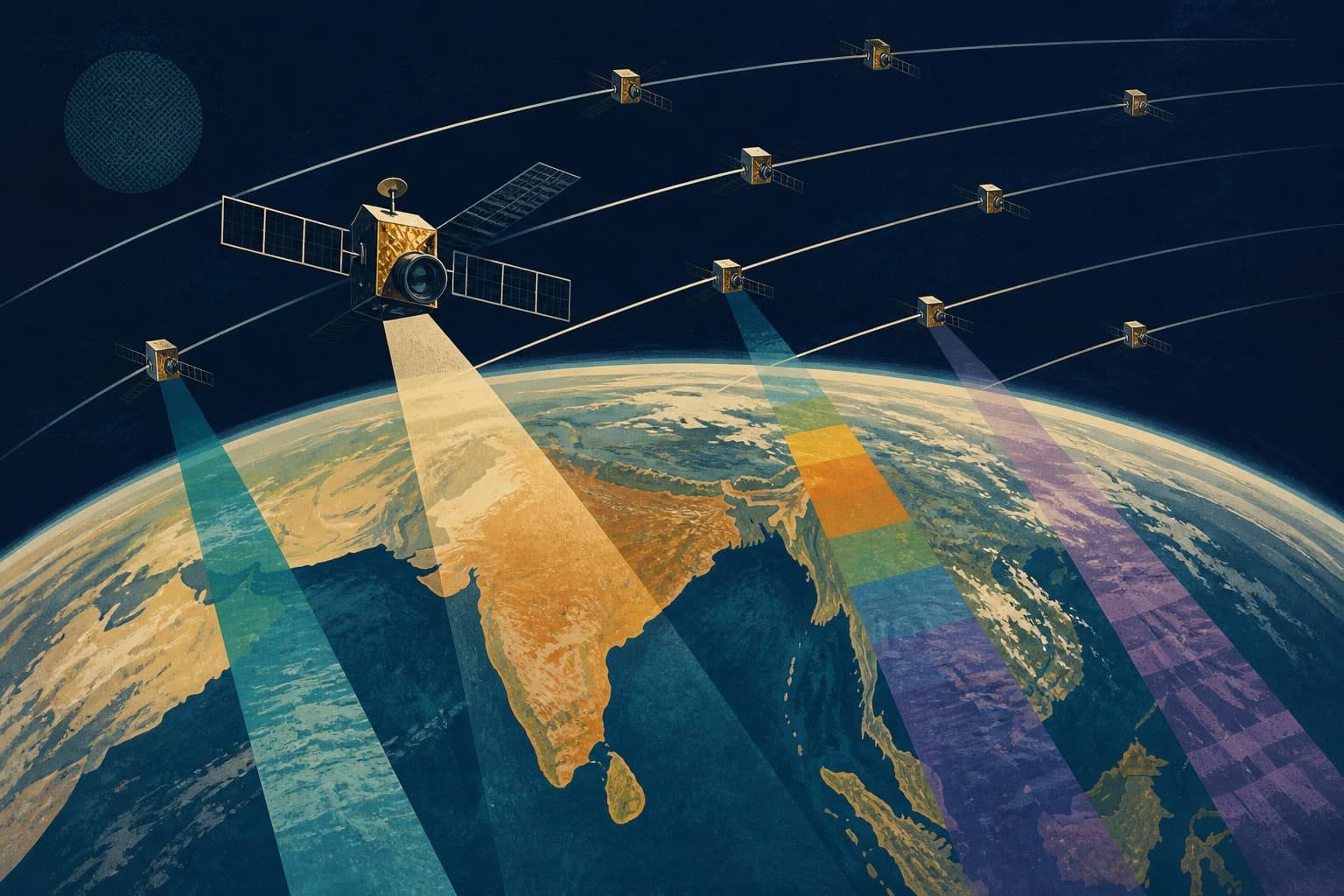
Pixxel describes hyperspectral imaging as a way to reveal surface information that conventional imagery can miss. The company says it deployed six Firefly satellites using that sensing approach over the previous two years. Its funding plan adds new sensor types and software around that existing fleet.
The company also intends to spend on Aurora, the software through which customers work with its satellite data. Ahmed told The Financial Express that Pixxel will invest in the algorithms that analyse imagery, while the funding announcement describes more work on sovereign Earth-observation systems for civil, defence and intelligence users. Those are stated priorities; neither source provides a product-by-product spending allocation.
Manufacturing remains anchored in India
Pixxel plans to expand manufacturing in both India and the United States. Ahmed told The Financial Express that about 80% of its manufacturing was in India, including its satellites and cameras, while imported components included silicon chips and solar cells. The publication put Pixxel's workforce at about 300 people—270 in India and 30 in the US—and reported targets of 350 employees by the end of 2026 and 400 in 2027.
The raise follows Pixxel's expansion into government and institutional work. Its announcement cites contracts with NASA and the US National Reconnaissance Office, Indian defence innovation awards and its selection to lead a 12-satellite public-private Earth-observation constellation under IN-SPACe. The Financial Express reported that Indian customers lead Pixxel's satellite business, while North America is its largest market for data.
The financing is complete; much of the buildout it is meant to support is not. The first named test of that programme is the planned 2027 Honeybee launch. Pixxel has not disclosed its valuation, a spending split for the round or deployment dates for the proposed radar and ultra-high-resolution optical systems, leaving those as the next markers of how the $100 million is put to work.
Reporting trail
Primary sources
PixxelPixxel Raises $100 Million in Series C Funding to Build the Infrastructure for a Changing Planetpixxel.space
Seraphim SpacePixxel Raises $100m In Series C Funding Roundseraphim.vc
ReutersGoogle-backed space startup Pixxel raises $100 million in latest funding roundmoneycontrol.com
The Financial ExpressPixxel shifts focus to building planetary infrastructurefinancialexpress.com

For an image post, download the card and copy this suggested caption.
Temasek and Seraphim co-led the financing, lifting Pixxel's disclosed funding to $195 million. The company has not published a valuation or a budget for its planned satellite, software and manufacturing expansion. Read the full report: https://www.spaceexploration.in/news/pixxel-100-million-series-c #SpaceExplorationNews #SpaceNews #SpaceIndustry