Radar satellite launch
Rocket Lab deploys radar satellite for Japan’s iQPS
The Sea God Surveys mission placed WADATSUMI-II in orbit. iQPS subsequently reported first contact and antenna deployment, with calibration preceding its first observations.
Add us as a preferred source on Google Add us as a preferred source on Google
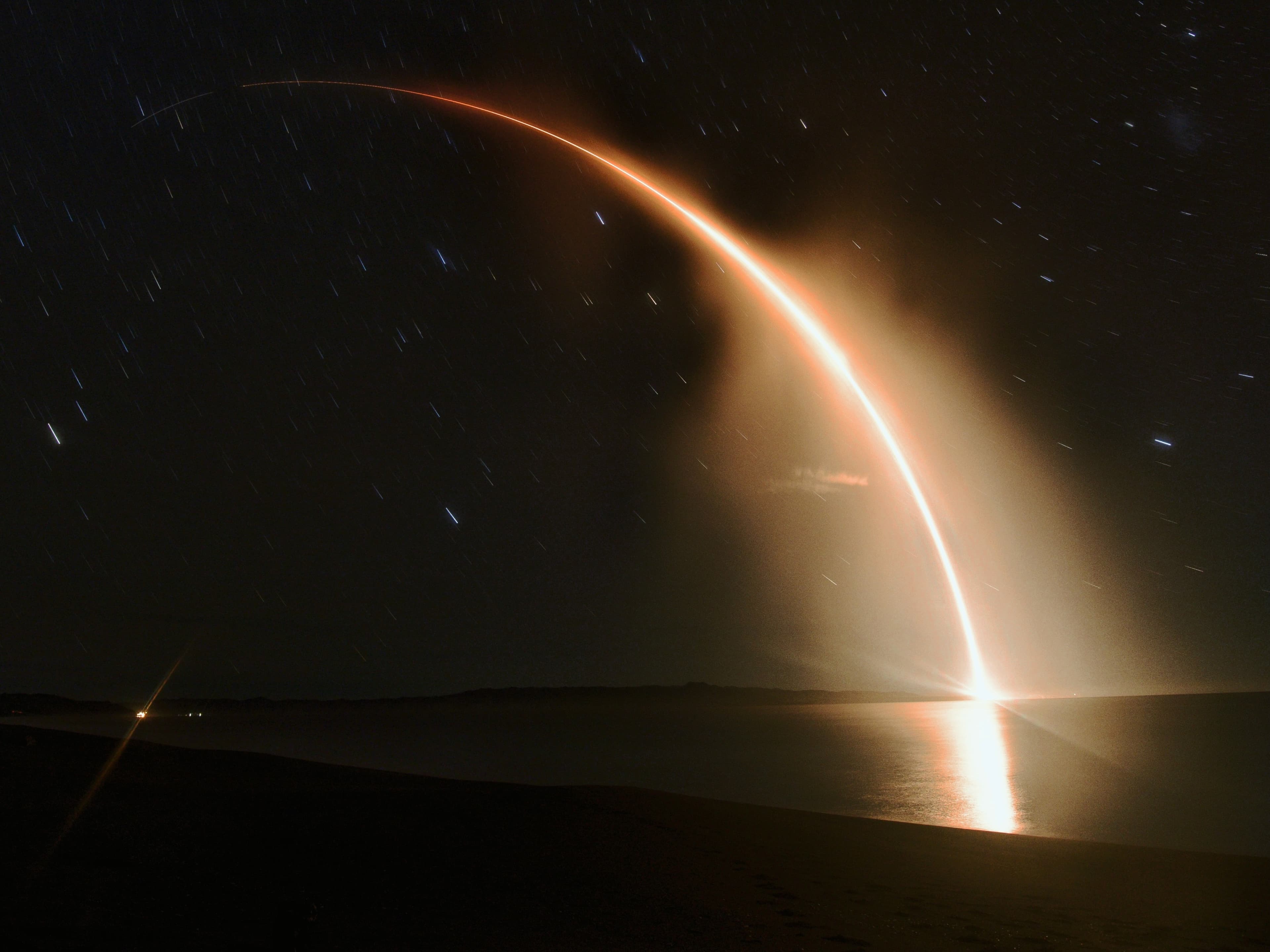
Rocket Lab’s Electron rocket delivered a radar-imaging satellite for Japan’s iQPS on November 2 UTC, adding WADATSUMI-II to the operator’s Earth-observation constellation. Rocket Lab announced the orbital delivery, and iQPS separately confirmed that the spacecraft had separated and established contact with its ground team.
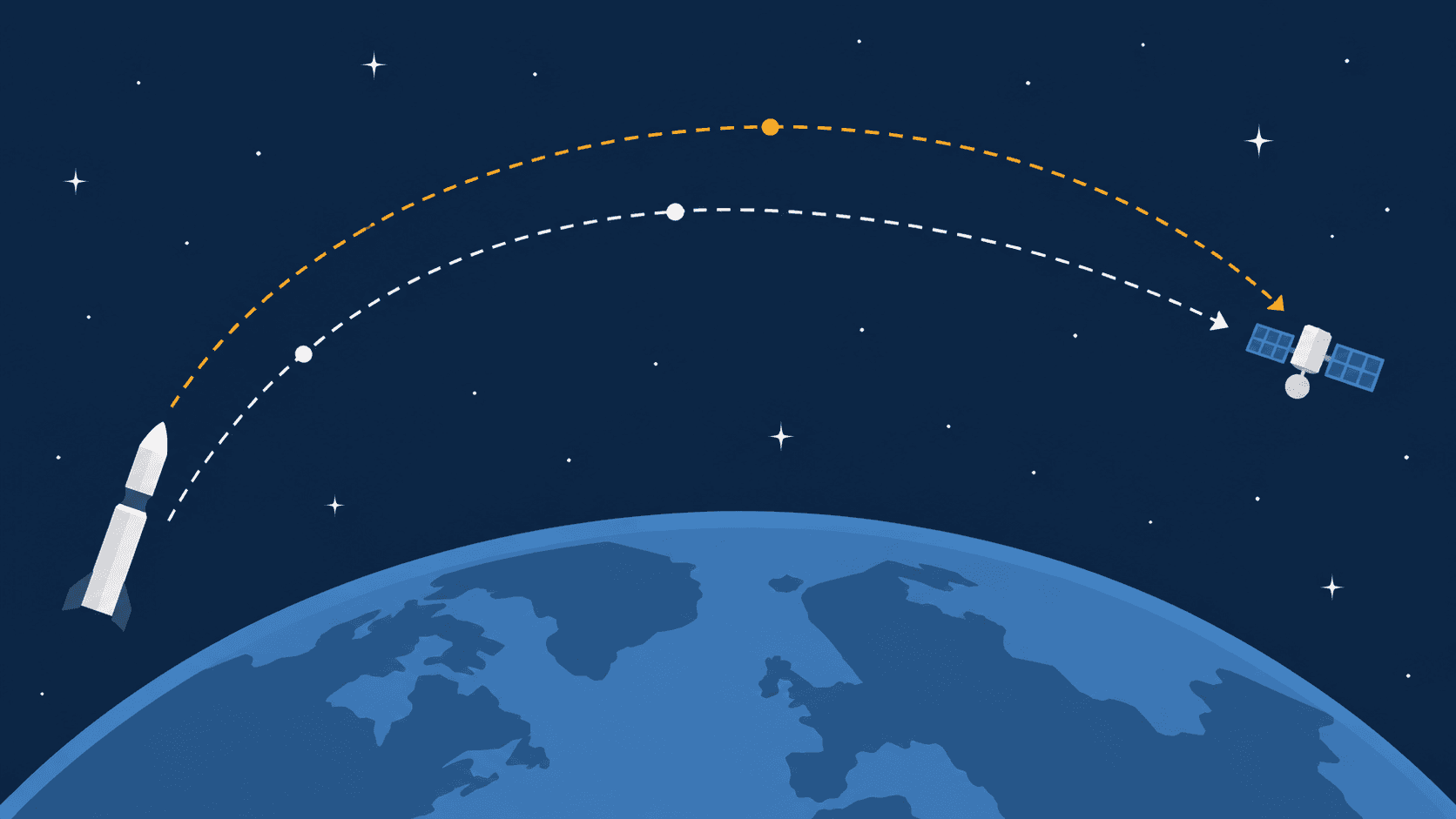
The Sea God Surveys mission lifted off from Launch Complex 1 in New Zealand at 16:41 UTC on November 2, equivalent to 5:41 a.m. New Zealand Daylight Time on November 3. Rocket Lab’s mission record lists a 575-kilometre low Earth orbit inclined at 42 degrees. Space.com reported satellite deployment about 56 minutes after liftoff.
Rocket Lab and Space.com identify the flight as the company’s tenth launch for iQPS. The launch provider said the orbital inclination was selected to improve the operator’s revisit rates over the Asia-Pacific region. That describes the intended coverage benefit; it is not a published measurement of this satellite’s imaging performance.
iQPS said first contact came around 30 minutes after separation and that its team found the spacecraft’s equipment working properly. In a second November 3 notice, the operator reported that WADATSUMI-II had opened its parabolic antenna. It was preparing to obtain its first Earth-observation data after scheduled calibration, rather than announcing completed imaging operations.
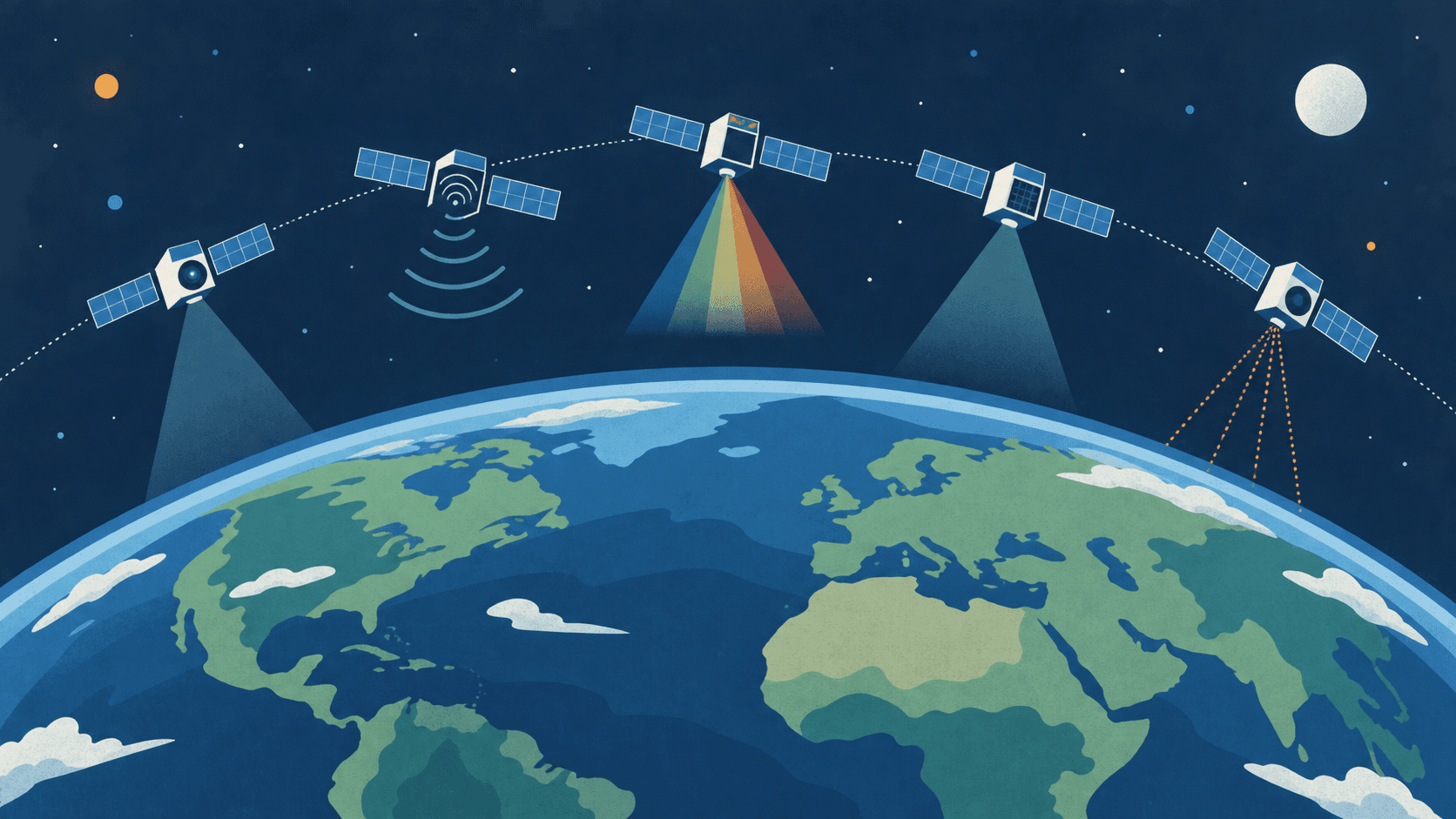
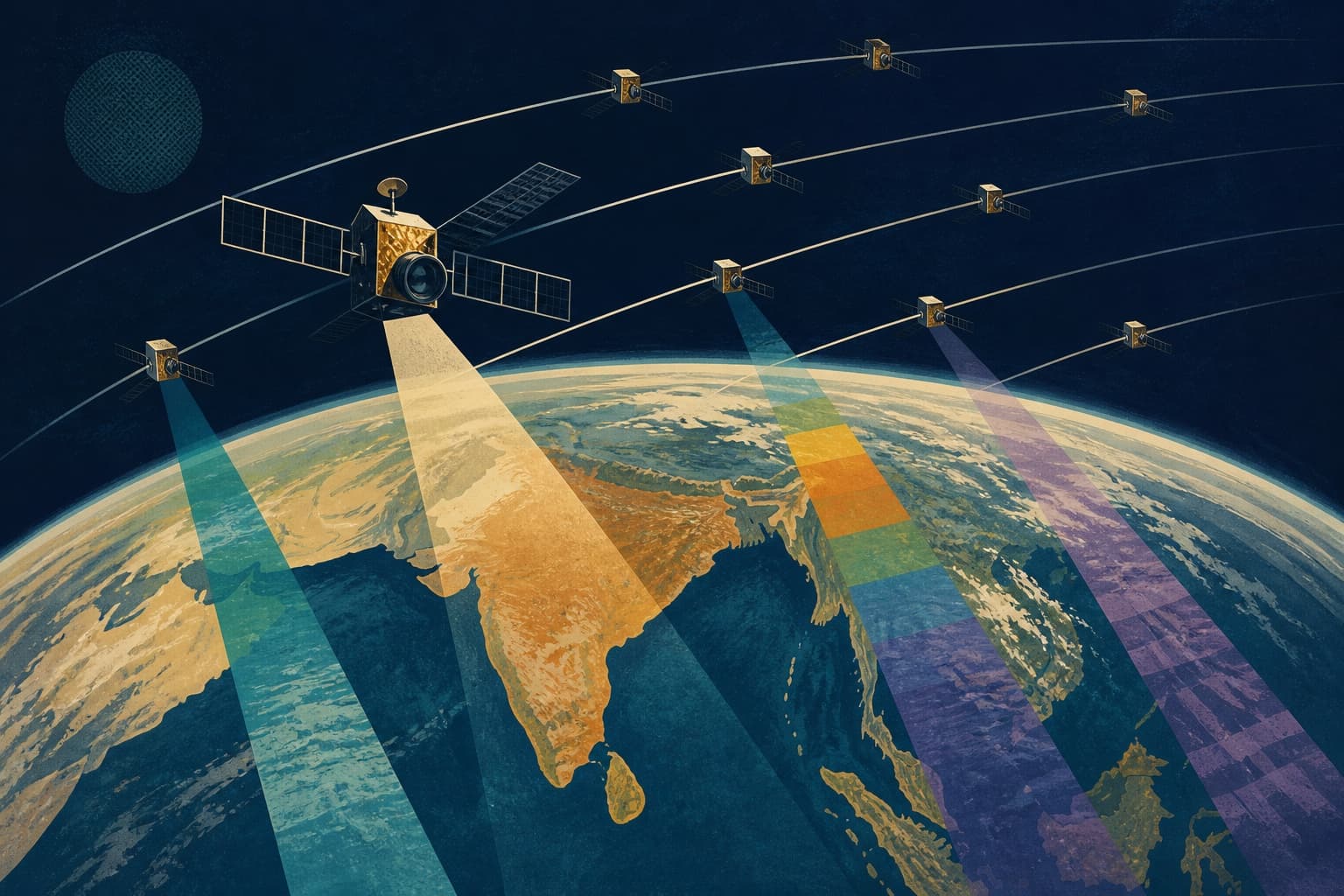
The spacecraft uses synthetic aperture radar, which can observe Earth at night and through cloud cover. iQPS’s current website targets a constellation of 24 satellites by May 2028, followed by additional deployments through 2030. That remains the operator’s plan, not a count of satellites now operational.
The next mission listed by Rocket Lab is another dedicated iQPS flight, The Mountain God Rises, with a launch date no earlier than November 14, 2026. Rocket Lab’s November 2 release said eight further dedicated Electron launches were booked for the operator.
Reporting trail
Primary sources
Rocket LabMISSION SUCCESS: Rocket Lab Launches 99th Electron Missioninvestors.rocketlabcorp.com
iQPSQPS-SAR-20 “WADATSUMI-II” was launched and made the first communication successfullyi-qps.net
Space.comRocket Lab launches Japanese Earth-observing satellite on 99th mission to date (video)space.com
Rocket LabThe Sea God Surveysrocketlabcorp.com
iQPSSuccessful Antenna Deployment of QPS-SAR-20 ‘WADATSUMI-II’ Confirmedi-qps.net
iQPSEnglishi-qps.net
Rocket LabLaunchesrocketlabcorp.com
 Wikimedia CommonsCAPSTONE-LAUNCH.jpgcommons.wikimedia.org


For an image post, download the card and copy this suggested caption.
The Sea God Surveys mission placed WADATSUMI-II in orbit. iQPS subsequently reported first contact and antenna deployment, with calibration preceding its first observations. Read the full report: https://www.spaceexploration.in/news/rocket-lab-sea-god-iqps-deployment #SpaceExplorationNews #SpaceNews #SpaceMissions