Agencies & public sector
NASA
The United States government's civil space agency — flying the Artemis Moon programme, operating the International Space Station, and partnering with ISRO on the NISAR radar satellite.
- Space industry
- International space
- Space organisations
- Aerospace
- Space agencies
- Space policy
NASA is the civil space agency of the United States government, established when President Eisenhower signed the National Aeronautics and Space Act on 29 July 1958; it began operations that October. The agency describes its mandate as exploring the unknown in air and space, innovating for the benefit of humanity, and inspiring the world through discovery. Its work spans Earth science, solar system and universe exploration, International Space Station operations, Moon exploration through Artemis, aeronautics research, and commercial space partnerships, carried out across 20 centers and facilities including JPL, Johnson, Kennedy, Goddard, and Marshall.
In April 2026 the agency flew Artemis II, its first crewed lunar flyby in over 50 years and the first crewed flight of the Orion spacecraft on the Space Launch System. Commander Reid Wiseman, pilot Victor Glover, and mission specialists Christina Koch and Jeremy Hansen travelled 252,756 miles from Earth — surpassing the distance record set by Apollo 13 in 1970 — and splashed down in the Pacific on 10 April 2026 after just over nine days. The flight had already slipped out of February: leaks during wet dress rehearsal sent the stack back to the Vehicle Assembly Building on 25 February 2026, and on 27 February NASA restructured the campaign. Artemis III, no earlier than 2027, is now a crewed low-Earth-orbit demonstration in which Orion docks with lander test articles from SpaceX and Blue Origin, and the first crewed lunar landing has moved to Artemis IV in 2028.
NASA's most direct link to the Indian space programme is NISAR, the NASA-ISRO Synthetic Aperture Radar mission and the first Earth-observation hardware co-developed by the two agencies. Launched on an ISRO GSLV from Sriharikota on 30 July 2025, the satellite pairs a NASA L-band radar with an ISRO S-band radar in a 747 km orbit, measuring land and ice surface movement down to the centimetre and imaging nearly all of Earth's land and ice twice every 12 days.
Jared Isaacman — founder of Shift4 and commander of the private Inspiration4 and Polaris Dawn missions — was confirmed as the agency's 15th administrator in December 2025. NASA's enacted budget for fiscal year 2026 is $24.438 billion, essentially level with 2025 after Congress rejected a proposed 24.3% cut. The workforce is shrinking: just over 21 percent of civil servants took voluntary departure offers in 2025 — about 870 in the first deferred resignation round and roughly 3,000 in the second — leaving an expected 14,000 from 17,391.
What they build and operate
- Artemis · Programme · Operational
Crewed Moon exploration programme; Artemis II flew a crewed lunar flyby in April 2026, and under NASA's 27 February 2026 restructuring Artemis III is a crewed low-Earth-orbit demonstration no earlier than 2027, with the first crewed landing on Artemis IV in 2028.[5][14][16][18] - International Space Station operations · Programme · Operational
Continuous crewed research operations in low Earth orbit; NASA's station blog reported Expedition 75 underway in August 2026.[13] - NISAR · Satellite · Operational
Joint NASA-ISRO L-band and S-band radar Earth-observation satellite, launched 30 July 2025 into a 747 km orbit.[6][19] - James Webb Space Telescope · Spacecraft · Operational
Flagship infrared space observatory operated with ESA and CSA; the agency lists it and the Hubble Space Telescope among the missions on its homepage.[2]
Milestones
- 29 July 1958
President Eisenhower signed the National Aeronautics and Space Act, establishing the agency; operations began on 1 October 1958.[12][1] - July 2025
Voluntary departure programmes took just over 21 percent of NASA's civil servants — about 870 in the first deferred resignation round and roughly 3,000 in the second — leaving an expected workforce of about 14,000 from 17,391.[9] - 30 July 2025
NISAR, the first NASA-ISRO co-developed Earth-observation mission, launched on a GSLV from Sriharikota.[6][19] - 17 December 2025
The U.S. Senate confirmed Jared Isaacman as NASA's 15th administrator.[3][20] - 23 January 2026
The FY2026 appropriation providing NASA $24.438 billion was signed into law, rejecting a proposed 24.3% cut.[10][11] - 25 February 2026
With the February launch window already forfeited, Artemis II rolled back to the Vehicle Assembly Building after hydrogen and helium leaks during wet dress rehearsal, pushing the flight to April 2026 or later.[16] - 27 February 2026
NASA restructured the Artemis campaign: Artemis III became a crewed low-Earth-orbit demonstration no earlier than 2027, and the first crewed lunar landing moved to Artemis IV in 2028.[16][18][17] - 10 April 2026
Artemis II splashed down after a nine-day crewed lunar flyby that set a 252,756-mile crewed distance record.[4][5] - 21 May 2026
Matt Anderson was sworn in as NASA's 16th deputy administrator.[7][8]
Leadership
- Jared Isaacman
Administrator (15th) (as of May 2026)[3][8] - Matt Anderson
Deputy administrator (16th) (as of 21 May 2026)[7] - Amit Kshatriya
Associate administrator (as of August 2026)[1]
Sources
NASAAbout NASAnasa.gov
NASAnasa.gov homepagenasa.gov
NASAJared Isaacmannasa.gov
NASAArtemis II: NASA's First Crewed Lunar Flyby in 50 Yearsnasa.gov
NASAArtemis II Mission Milestones: An Image and Video Recapnasa.gov
NASANASA-ISRO Satellite Lifts Off to Track Earth's Changing Surfacesnasa.gov
NASANASA Welcomes 16th Deputy Administrator Matt Andersonnasa.gov
SpacePolicyOnlineAnderson Confirmed as Deputy NASA Administratorspacepolicyonline.com
SpacePolicyOnlineOne Fifth of NASA's Workforce Take Voluntary Departure Optionsspacepolicyonline.com
SpacePolicyOnlineFinal FY2026 NASA/NOAA Appropriations Bill Clears Senate, White House is Nextspacepolicyonline.com
American Institute of PhysicsFY2026 National Aeronautics and Space Administrationaip.org
WikipediaNASAen.wikipedia.org
NASAStation Crew Gears Up for Next Spacewalk, Keeps Up Microgravity Researchnasa.gov
NASAArtemis IIInasa.gov
Al JazeeraArtemis II breaks Apollo 13 record for farthest human travel from Earthaljazeera.com
The ConversationWith Artemis II facing delays, NASA announces big structural changes to the lunar programtheconversation.com
SatNewsNASA Outlines Preliminary Artemis III Low Earth Orbit Test Flight Profilesatnews.com
WikipediaArtemis IIIen.wikipedia.org
WikipediaNISAR (satellite)en.wikipedia.org
Spaceflight NowSenate confirms Jared Isaacman as 15th NASA Administratorspaceflightnow.com
Coverage of NASA
Space observatories
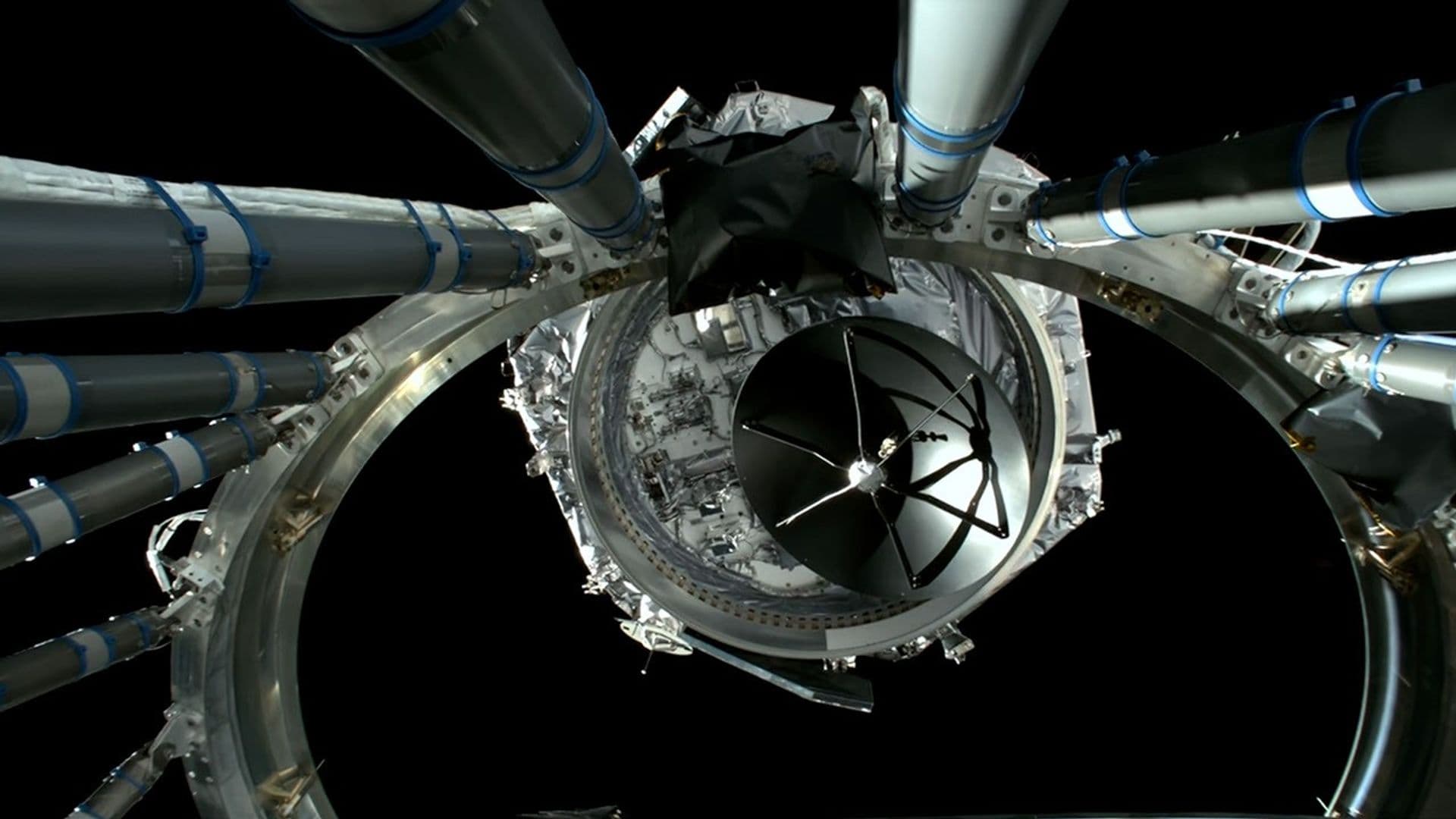
Roman completes first course correction as commissioning moves ahead
NASA's early updates report an August 31 trajectory burn, followed by antenna and sunshade deployments and Coronagraph Instrument activation; Roman has not reached L2 or begun science operations.
Commercial Crew
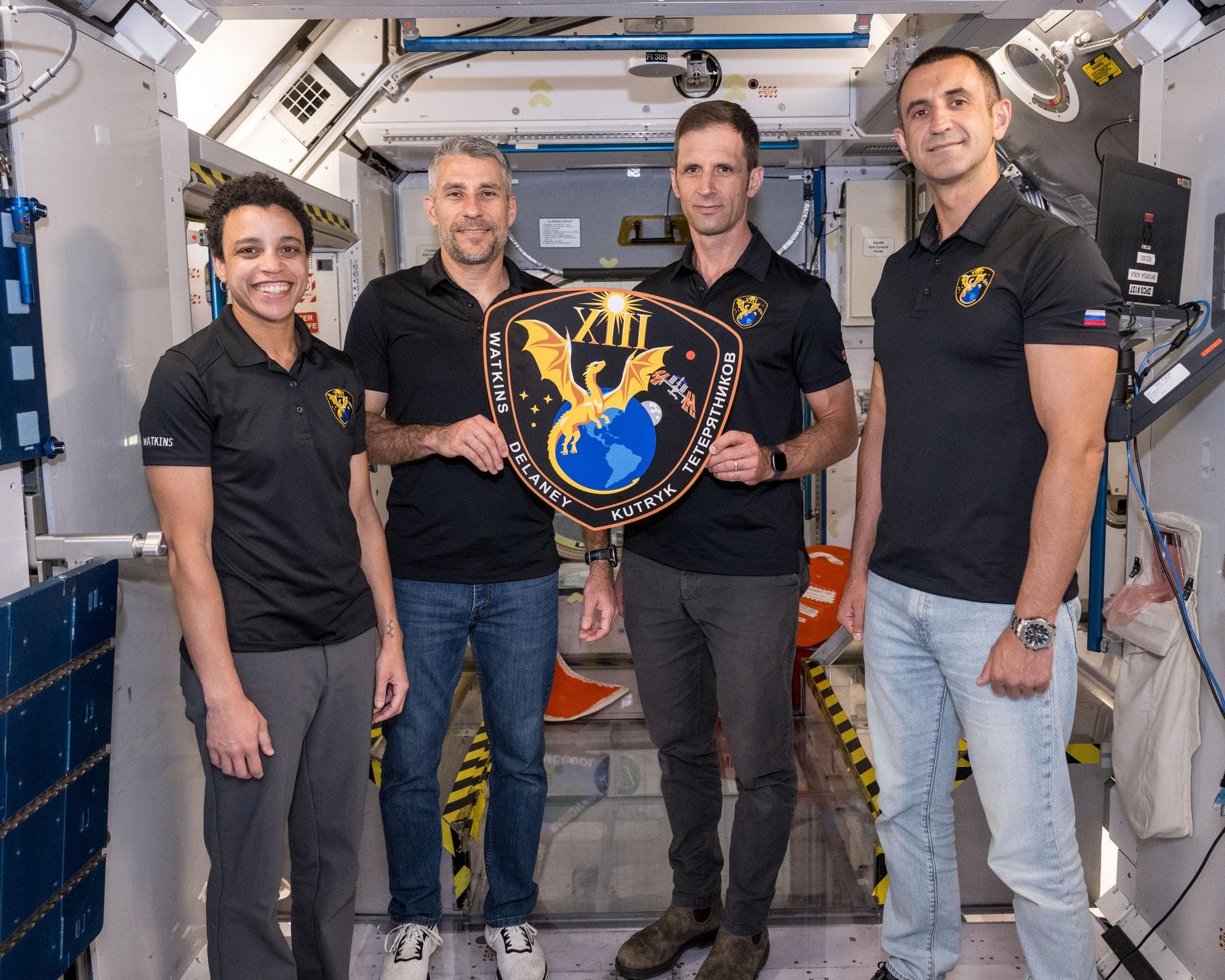
Crew-13 launch date adjusted after Dragon oxidizer leak
NASA says teams will test Dragon, review the data and complete any needed rework before launch; a new target has not been announced.
Space observatories
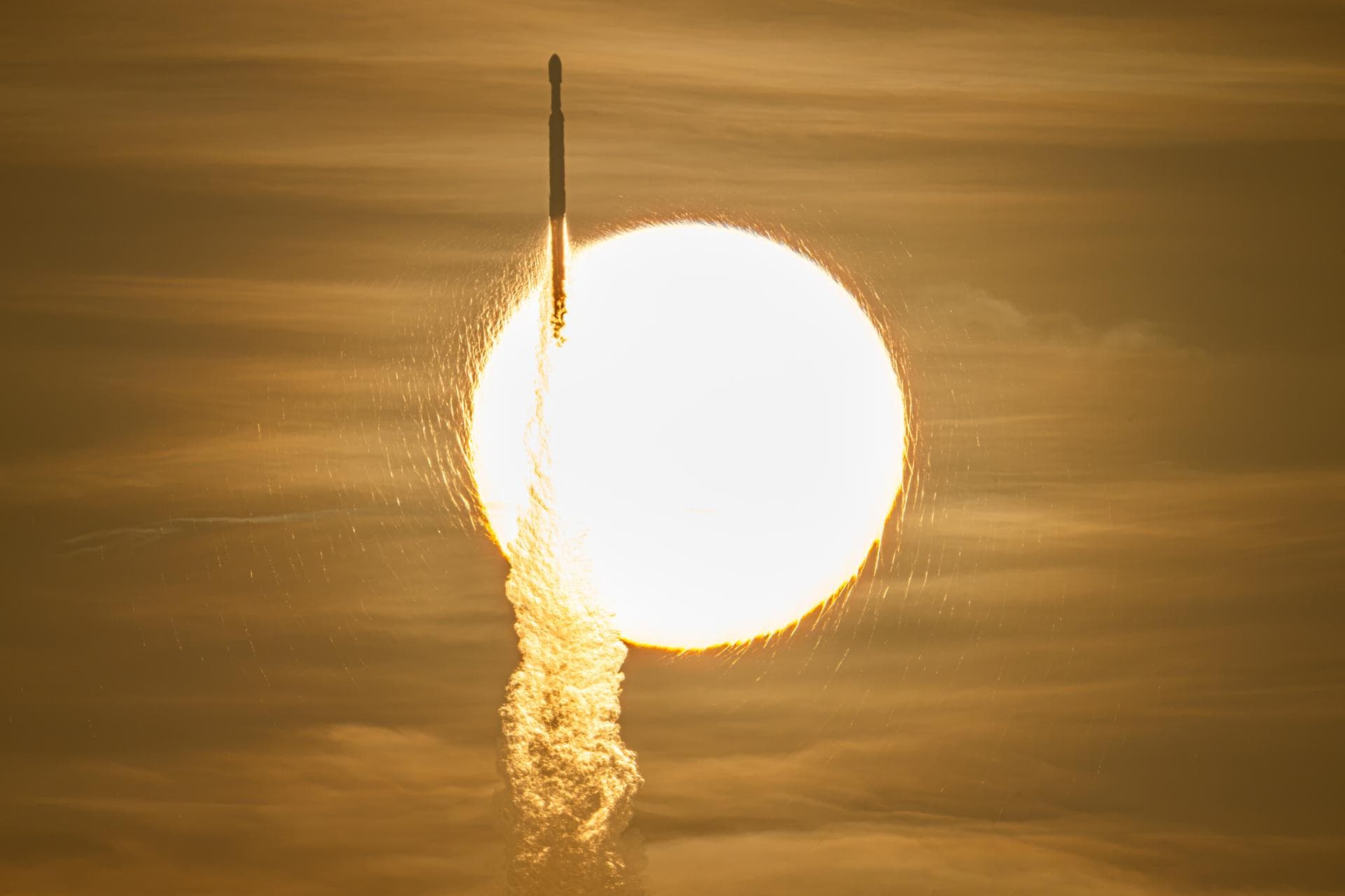
Roman launches on Falcon Heavy and separates successfully
The space telescope left Kennedy Space Center on August 30, separated 31 minutes later, and is now beginning a three-month trip to the Sun-Earth L2 region.
Space observatories
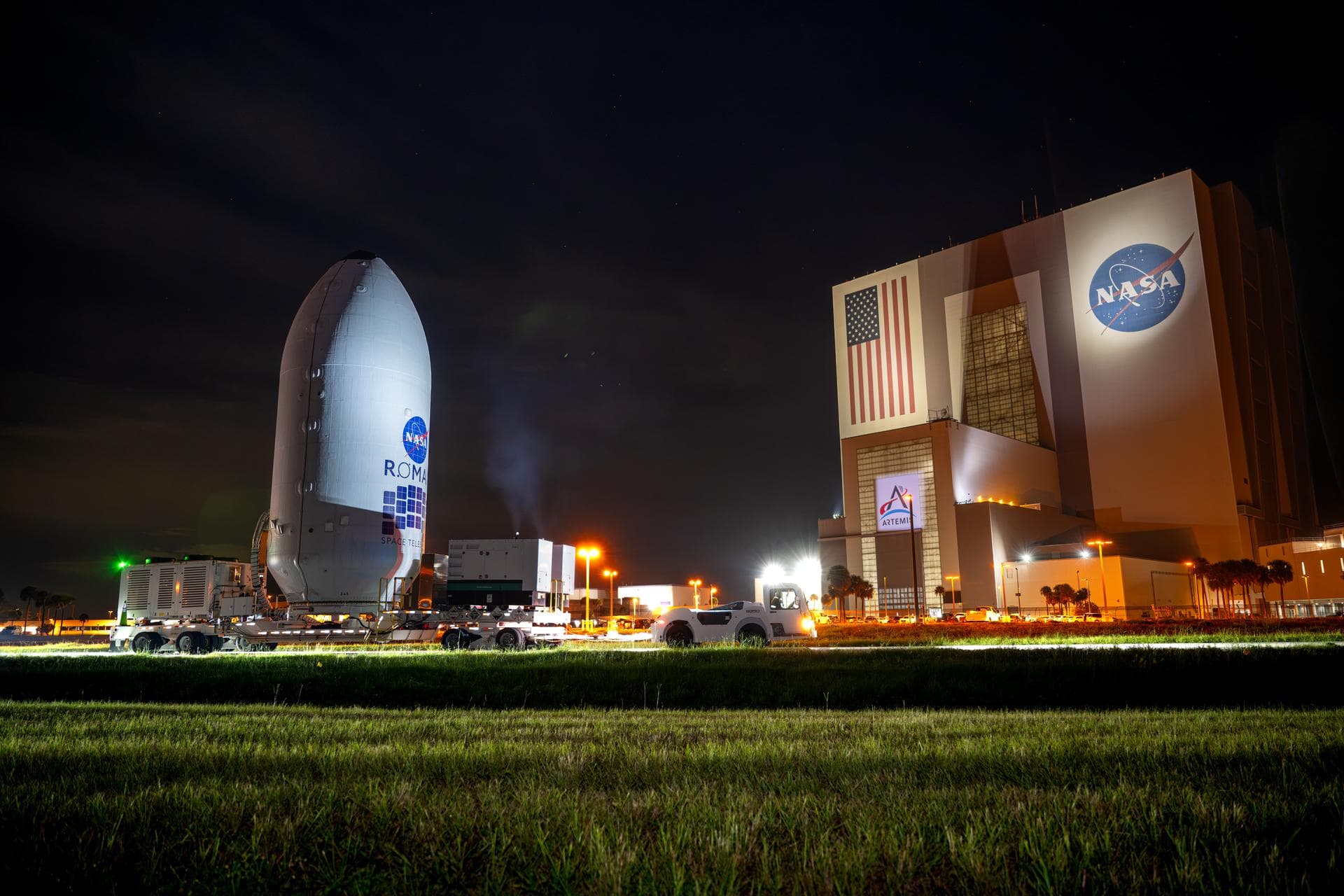
Roman reaches Falcon Heavy hangar after fairing encapsulation
The observatory has completed flight-readiness review, entered Falcon Heavy’s payload fairing and reached the hangar for mating; NASA’s next formal go/no-go review is August 28.
International Space Station
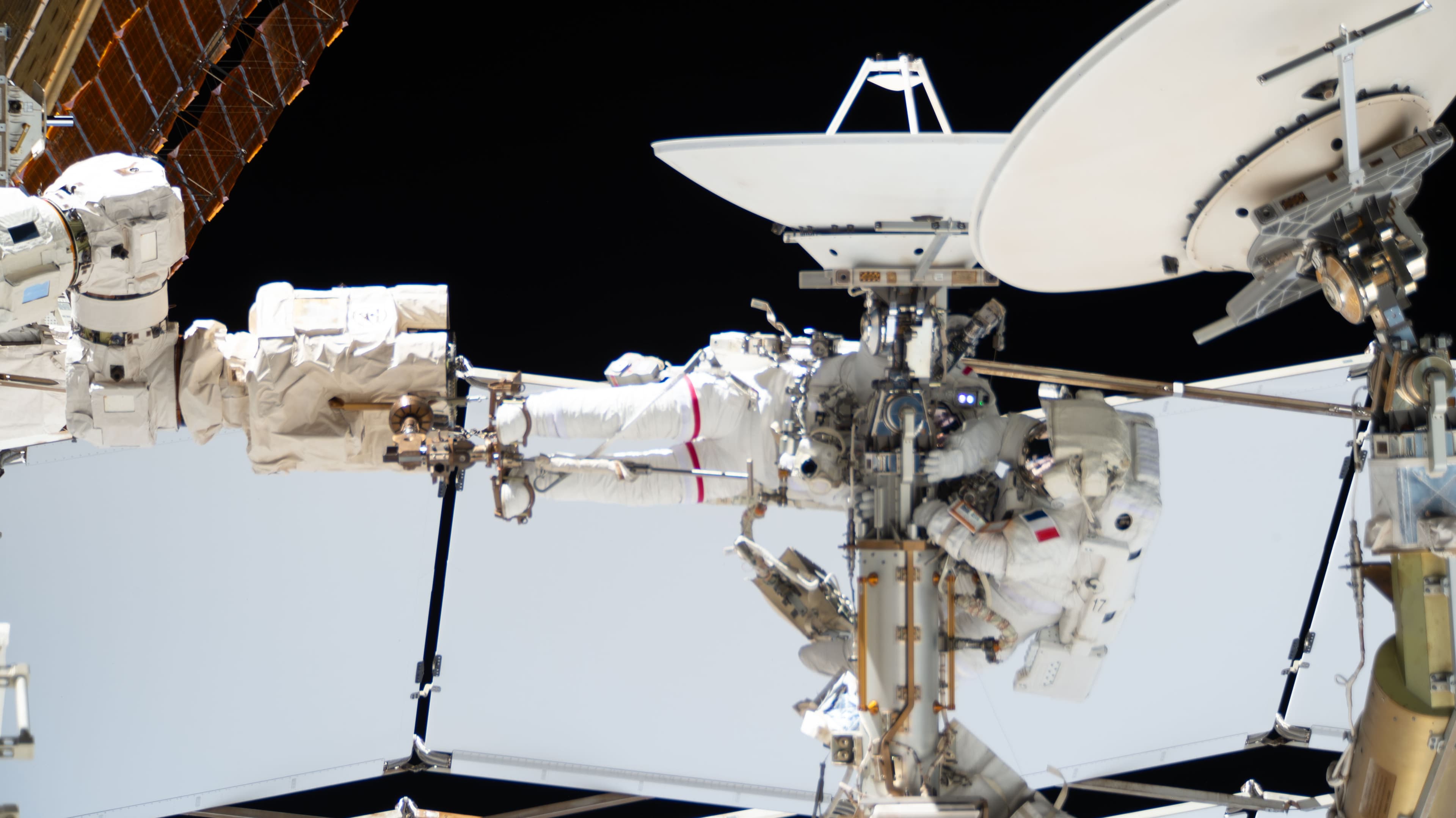
Menon and Adenot install ISS spare antenna, completing deferred repair
The August 25 spacewalk finished the antenna replacement left incomplete a week earlier. NASA reported good initial power and data checks, while further testing continued overnight.
Mars exploration
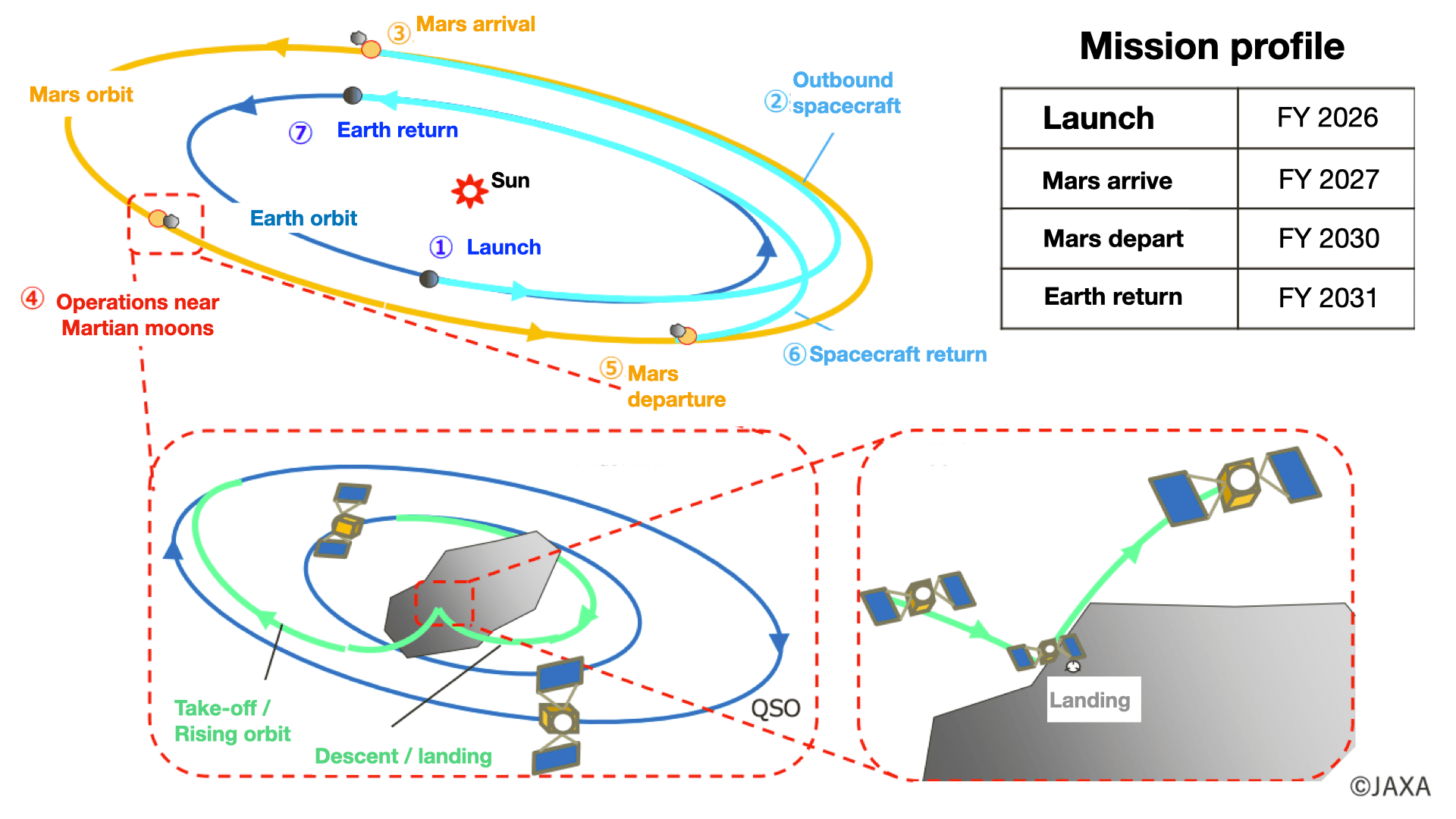
JAXA sets October 20 launch date for Phobos sample-return mission
MMX is scheduled to leave Tanegashima on H3 Flight 10 at 04:41:03 JST. Launch would begin a five-year mission; arrival, landing, sampling and Earth return all remain ahead.
Earth science
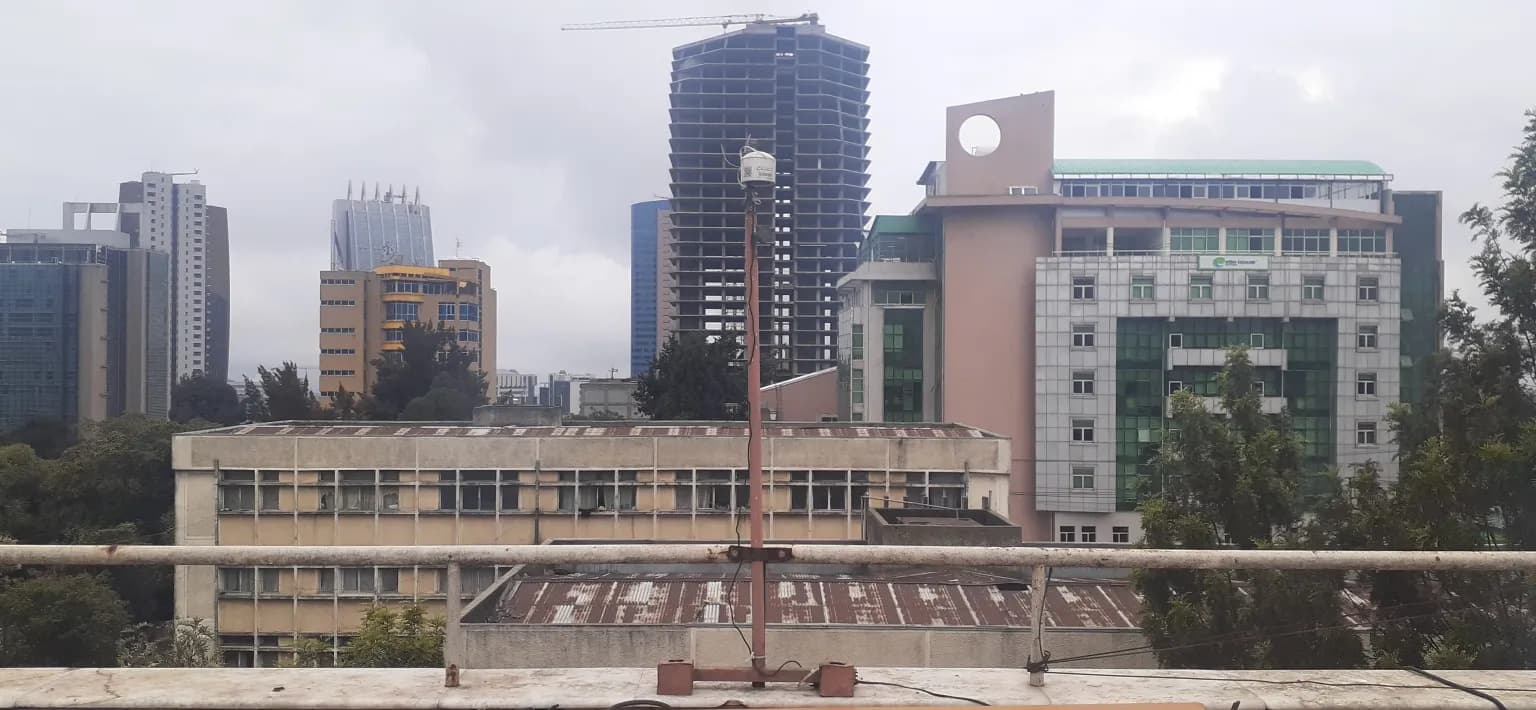
NASA-backed 2022–2025 study attributes most Addis Ababa black carbon to fossil fuels
Ten monitors tracked fine particles across Ethiopia’s capital, while black-carbon instruments at two sites resolved traffic, wet-season and holiday pollution patterns.
Commercial launch infrastructure
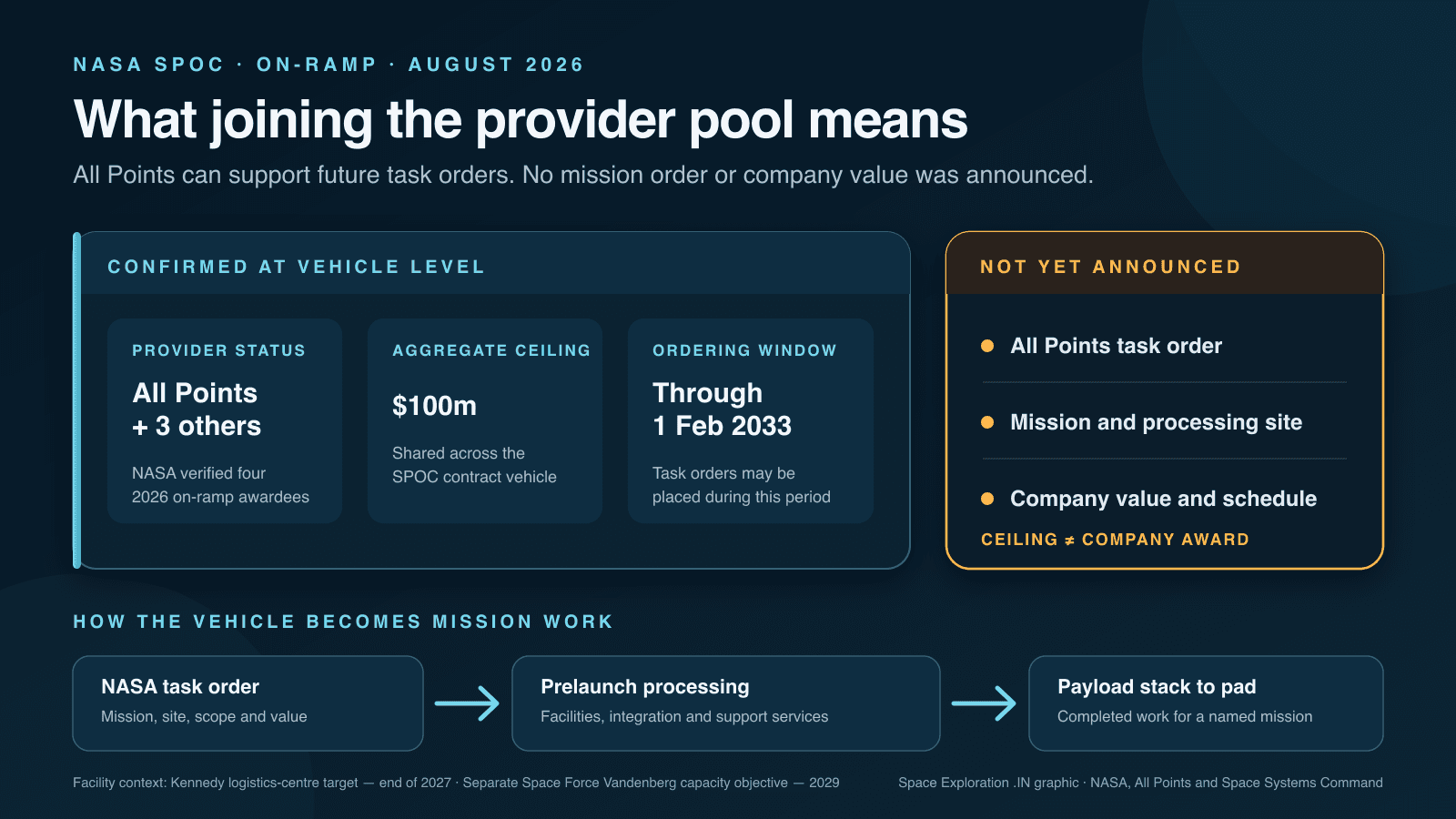
All Points joins NASA’s spacecraft-processing contract pool
The August 4 on-ramp makes All Points eligible to support future prelaunch work. It does not assign the company NASA’s $100 million vehicle ceiling, and neither NASA nor All Points named a mission-specific task order.
Solar science
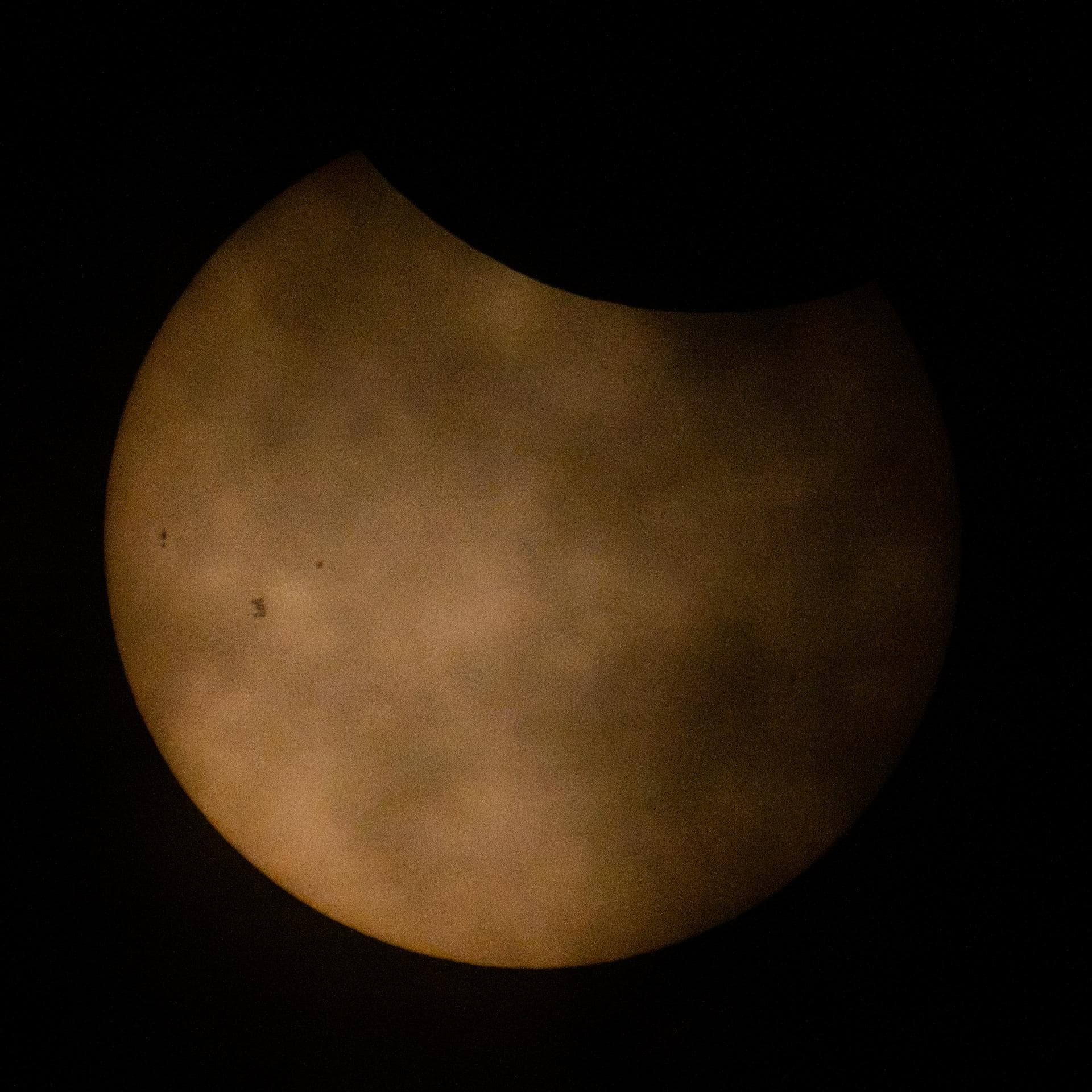
ISS, Proba-3 and weather satellites reveal different sides of August’s eclipse
NASA’s WB-57 followed the corona, an astronaut saw 18% coverage, Proba-3 caught a double eclipse, and MTG-I1 and GOES-19 tracked the Moon’s shadow across Earth.
Space cybersecurity
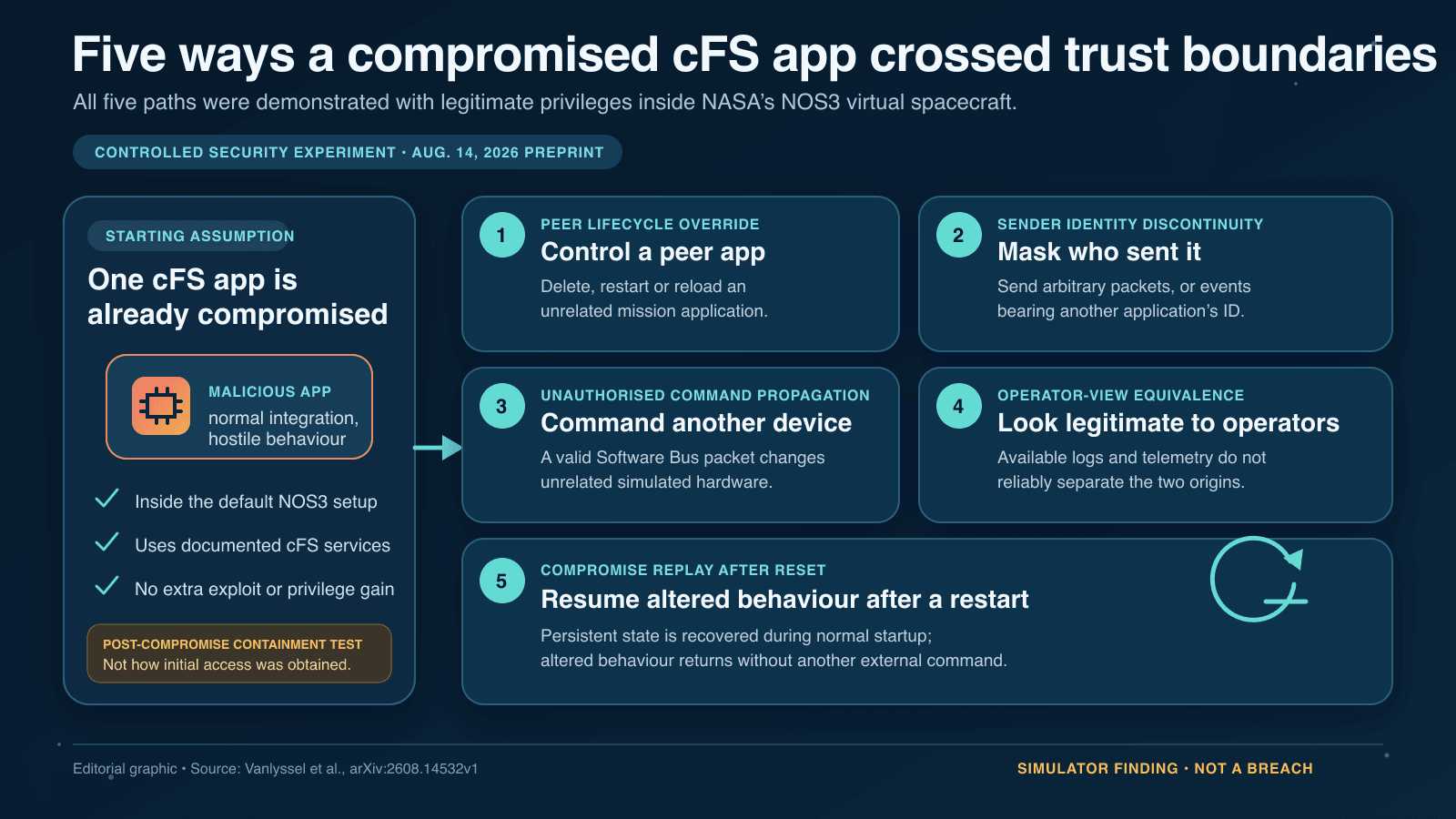
Security preprint tests five cFS privilege-abuse paths in NASA simulator
Researchers used a malicious onboard component in NOS3 to restart peer apps, spoof identity, command unrelated hardware, blur operator attribution and resume altered behaviour after reset. The study reports a controlled experiment, not an operational spacecraft breach.
Earth science
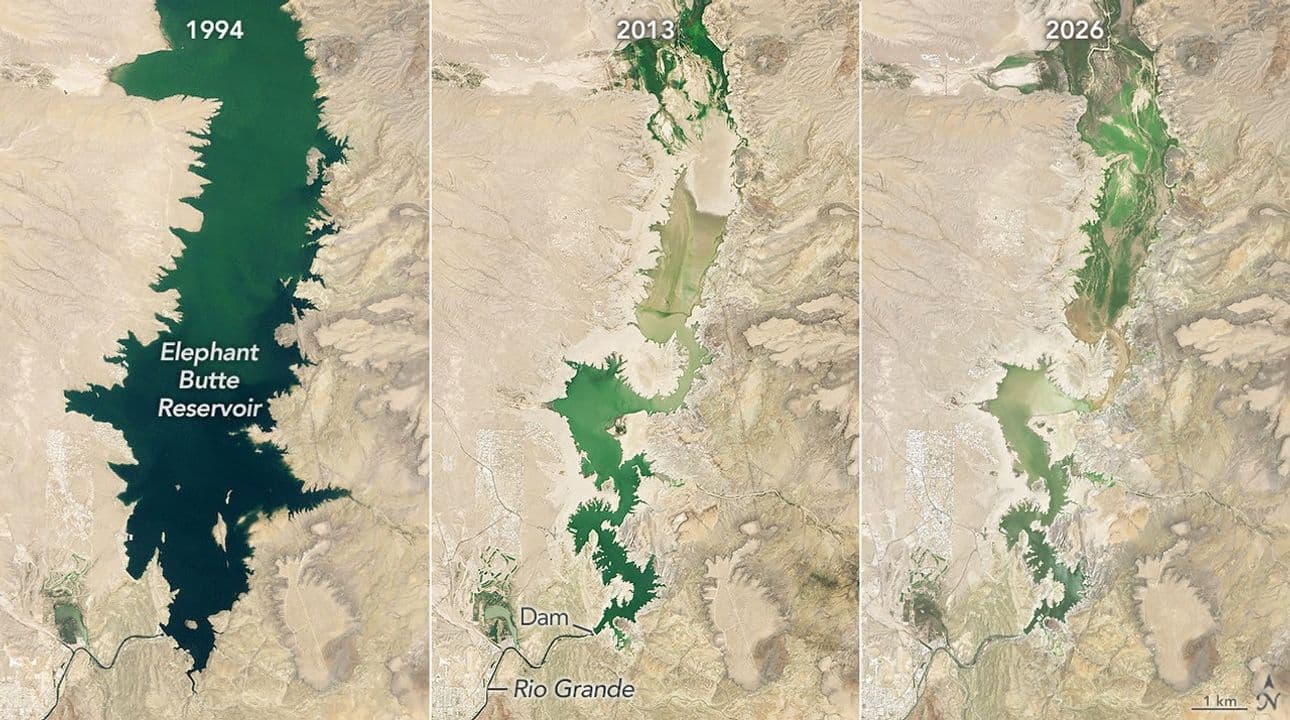
Elephant Butte Reservoir falls to 1.4% as Landsat maps the retreat
A July 27 image captured New Mexico’s largest reservoir near a late-July trough; Reclamation records put its storage at the lowest level since 1971.
Planetary science
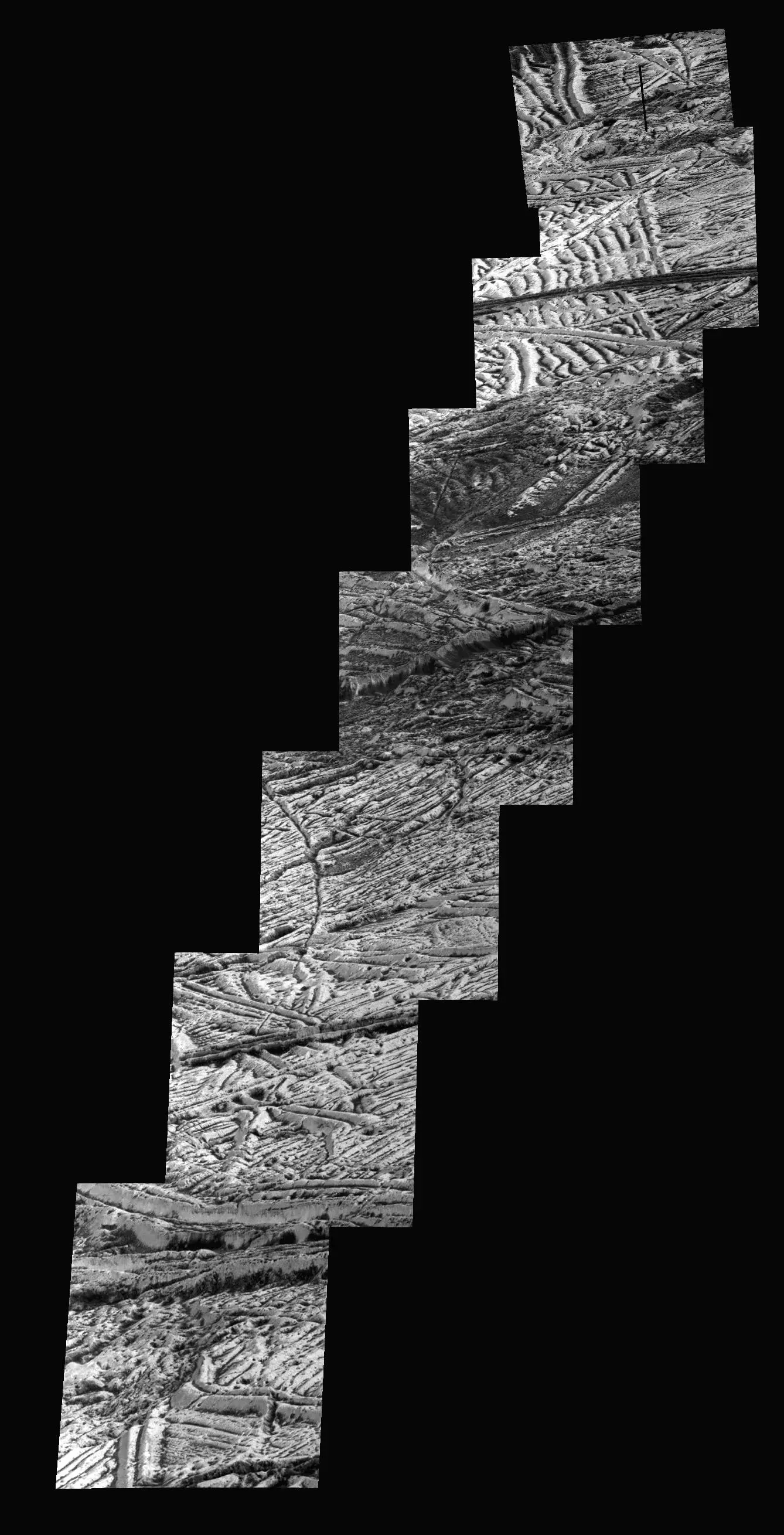
Broad Europa radar survey points to a leading-trailing hemisphere difference
The August 18 preprint combines 33 observations from 2011–2024, supporting coherent backscatter while leaving the source of the hemispheric pattern unsettled.
Science
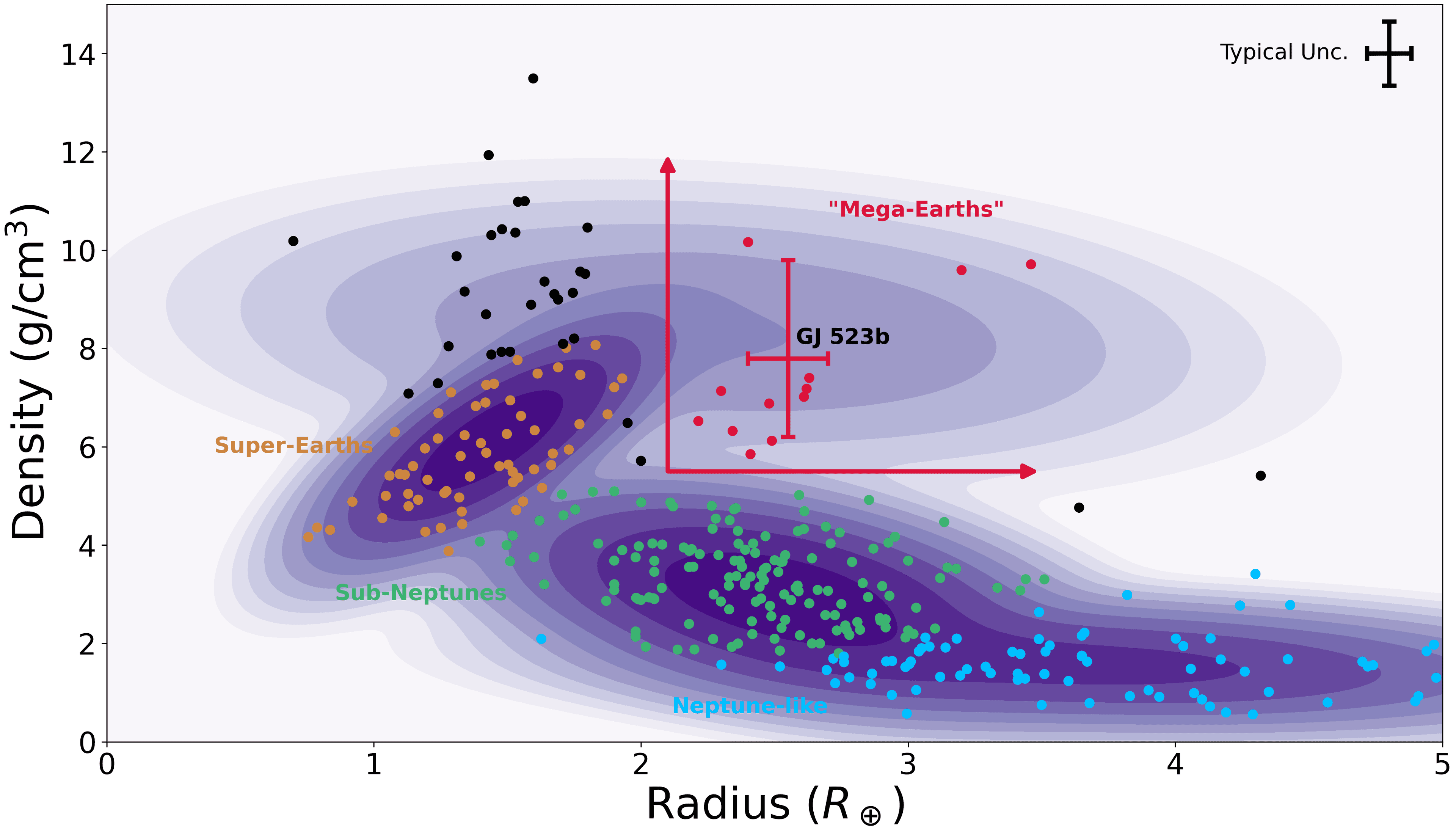
GJ 523b packs 23.5 Earth masses into a proposed ‘mega-Earth’ class
A submitted TESS–NEID analysis places the young, dense planet between familiar size and composition categories; its gas-poor interior and likely polar orbit remain inferences awaiting further observations.
Science
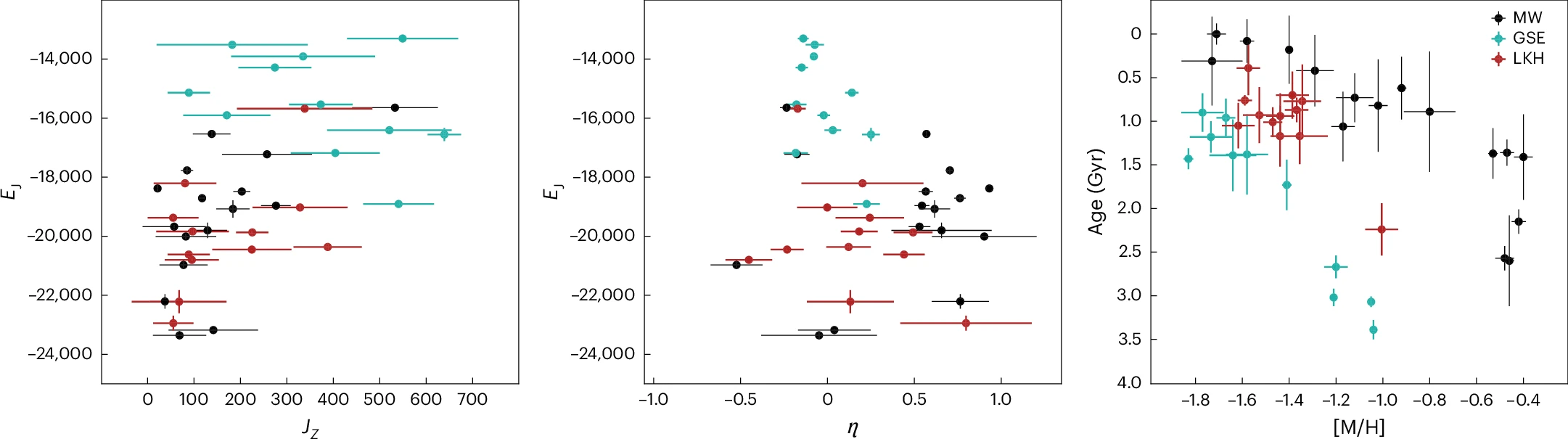
Hubble cluster ages reconstruct the Milky Way’s ancient LKH merger
A separate age–metallicity track among inner globular clusters points to a merger before Gaia-Sausage-Enceladus, while LKH is the authors’ name for a modelled progenitor that unites three earlier clues.
Earth science
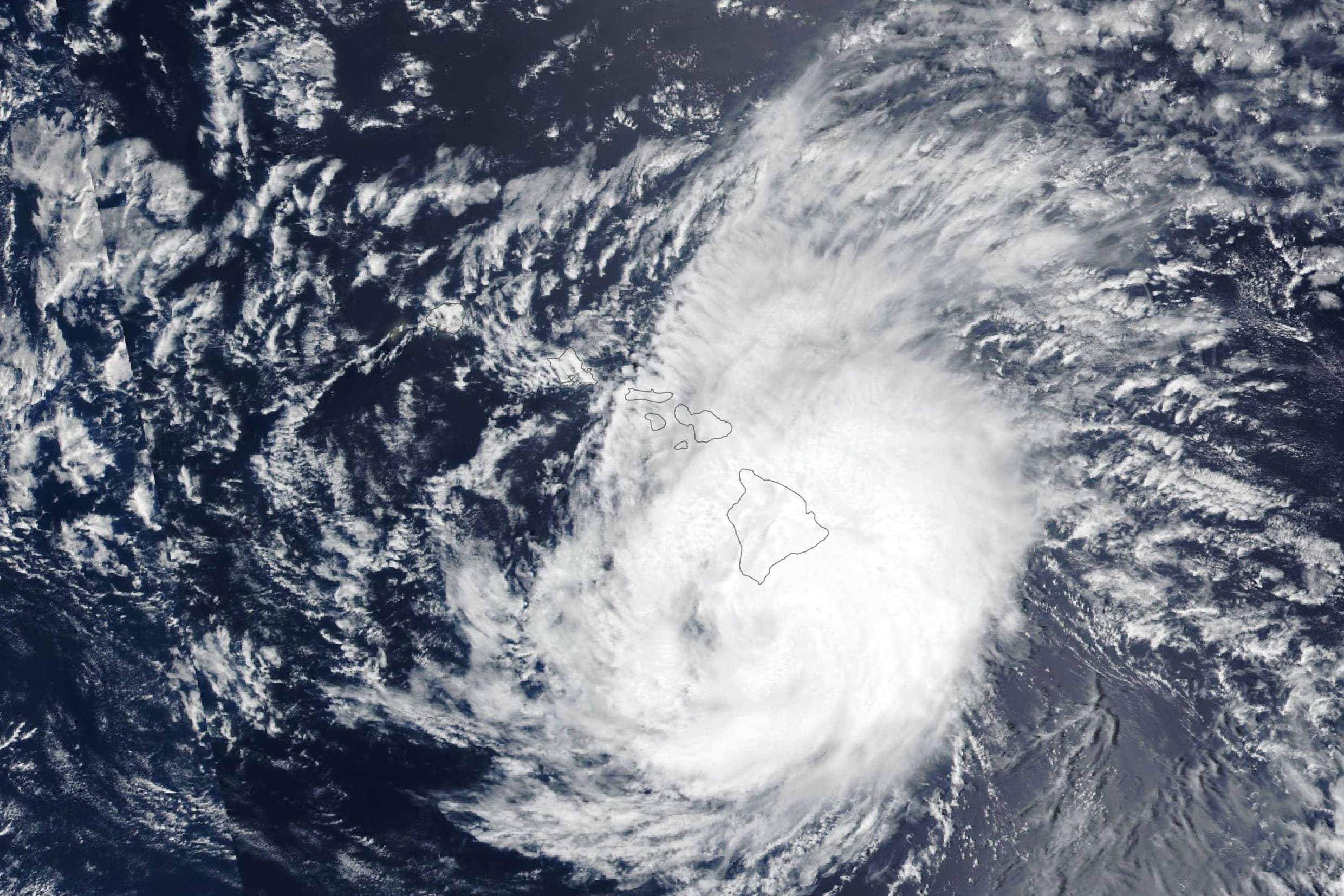
VIIRS images trace Lala from hurricane to tropical storm near Hawai‘i
NASA published the views on August 18, but Suomi NPP and NOAA-20 observed the storm on August 15 and 16; ground reports document the rain, wind and transport damage.
Earth science
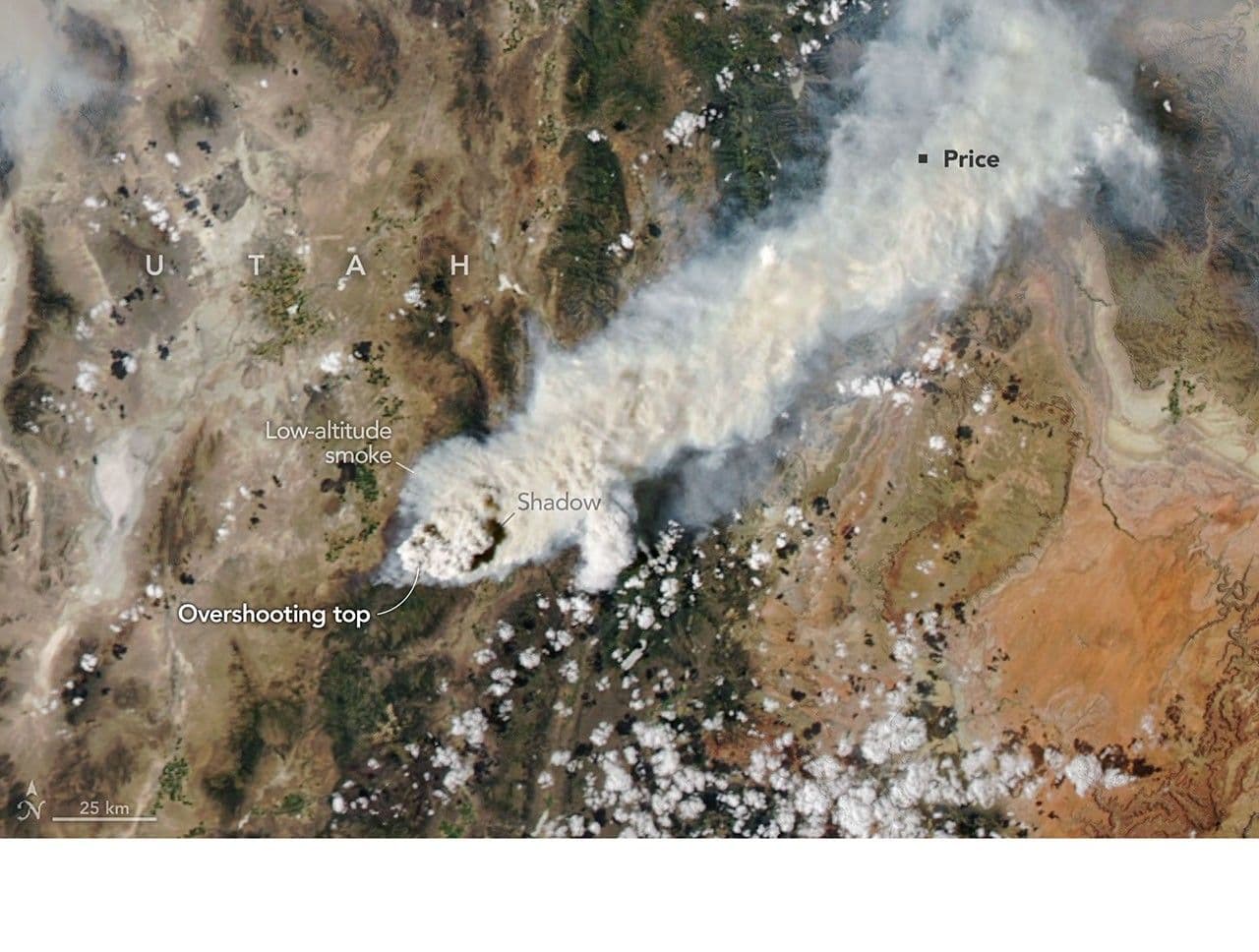
INSPYRE aircraft sample Widemouth 2 smoke from inside and above
An NSF/NCAR Gulfstream V crossed the resulting plume at 12 kilometres on August 3; NASA’s ER-2 later logged ten fire overpasses while the campaign was still gathering data.
International Space Station
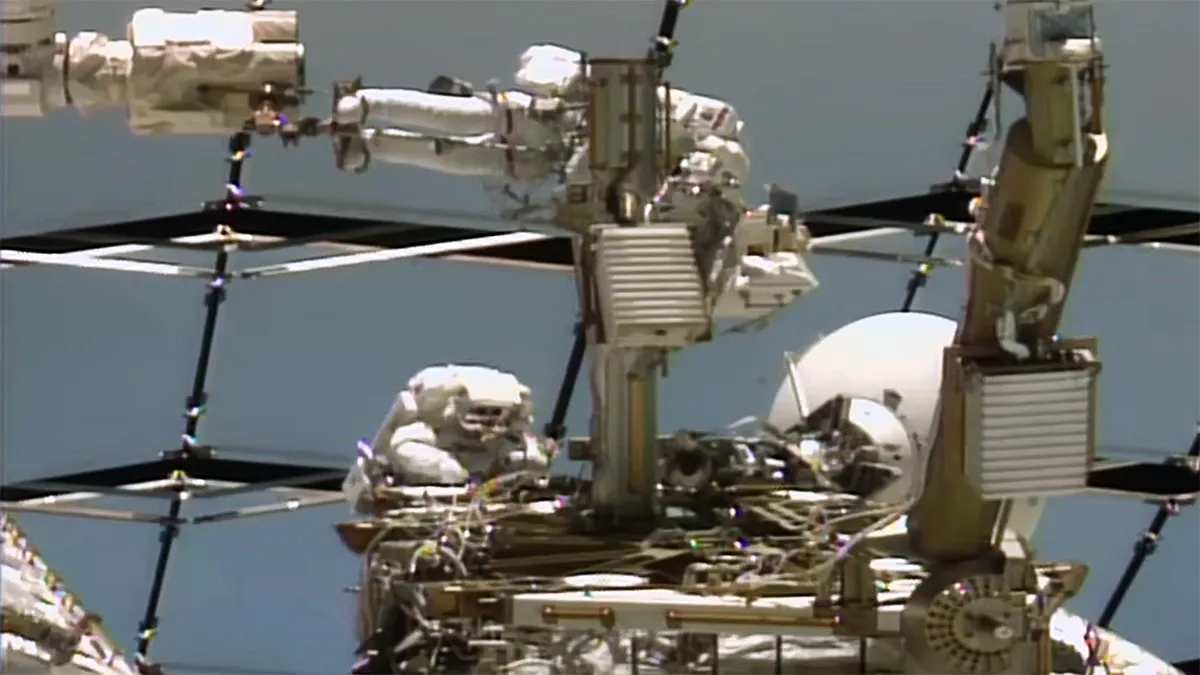
EVA 97 removes failed ISS antenna but leaves spare for later
Anil Menon and Sophie Adenot secured the old unit after cables and bolts consumed the available work time. One antenna remains operational, while NASA has not assigned the replacement to a date.

Earth observation
Landsat traces a 17-square-kilometre iceberg into Denmark Strait
NASA followed the berg more than 1,000 kilometres from northeast Greenland, but satellite clues do not settle whether it came from Zachariæ Isstrøm or a remnant ice shelf.
Swift Boost Mission
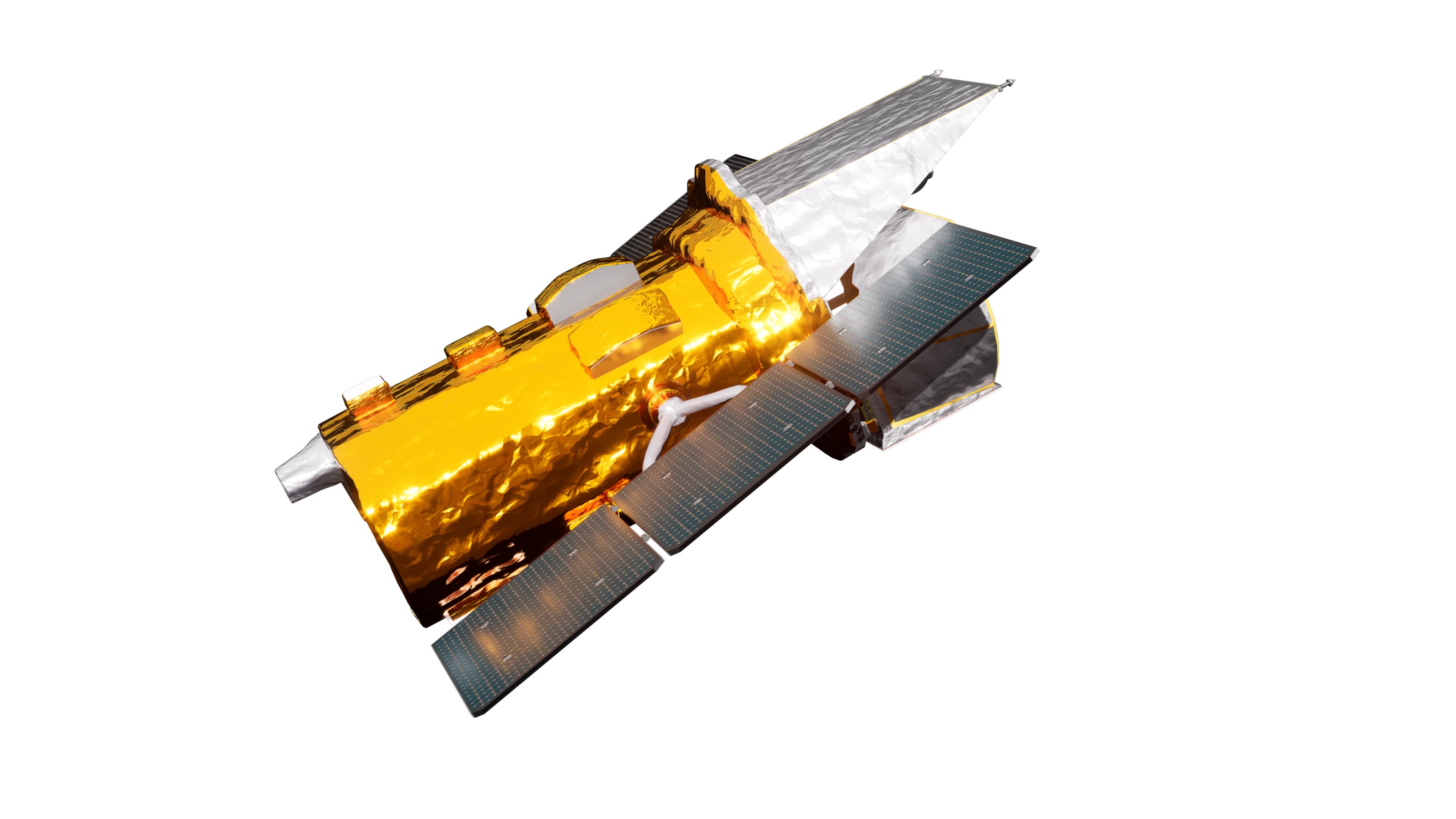
LINK control problem ends planned capture and boost of Swift
NASA and Katalyst ruled out grappling or raising the observatory. LINK may still attempt rendezvous and proximity operations, but neither organisation says those manoeuvres have begun.
Lunar science
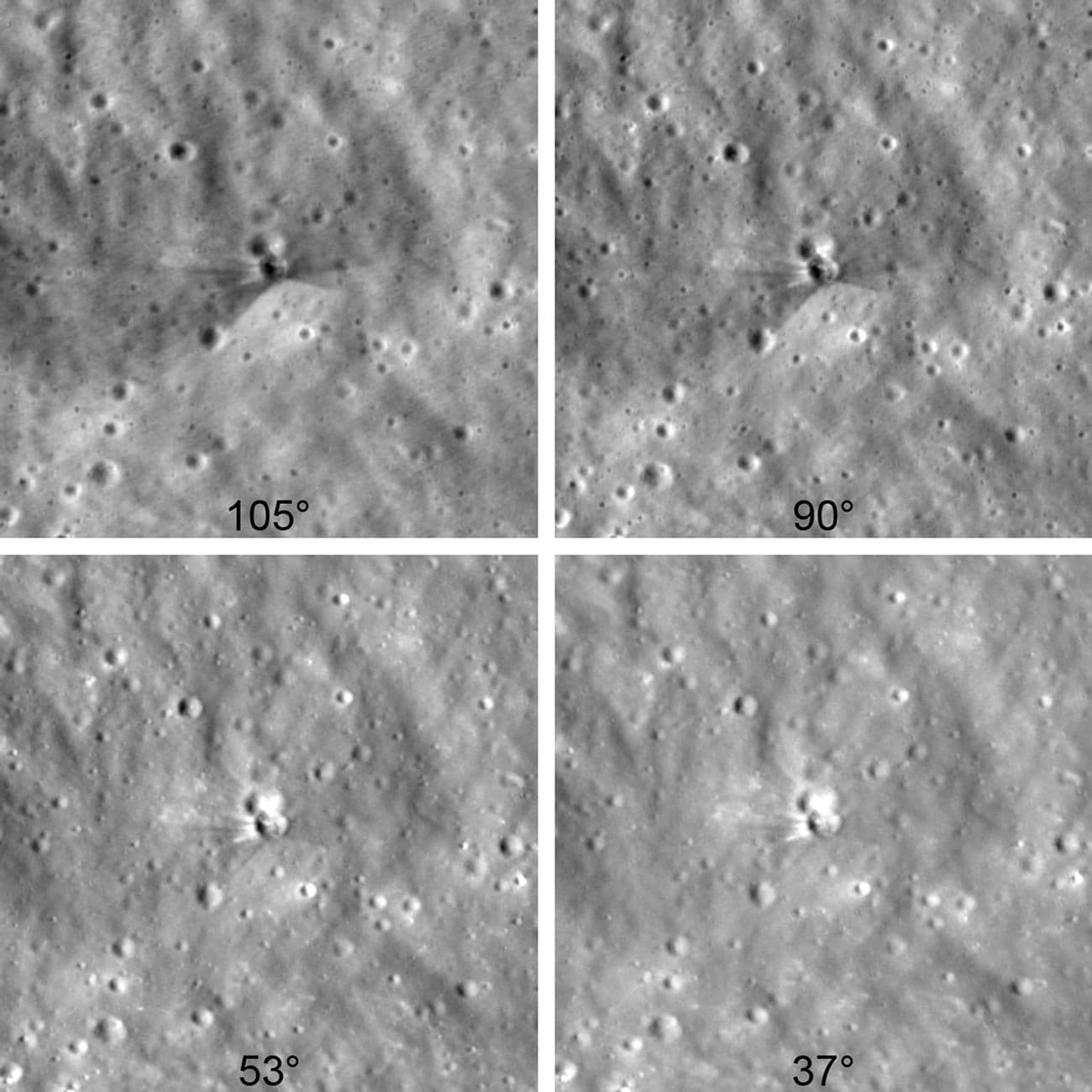
LRO measures 18-metre crater from Falcon 9’s uncontrolled Moon impact
The mark is smaller than two pre-impact academic forecasts. The sharper operational lesson is that uncertainty around the spent stage’s path prompted Danuri’s team to consider a possible close encounter.
Science
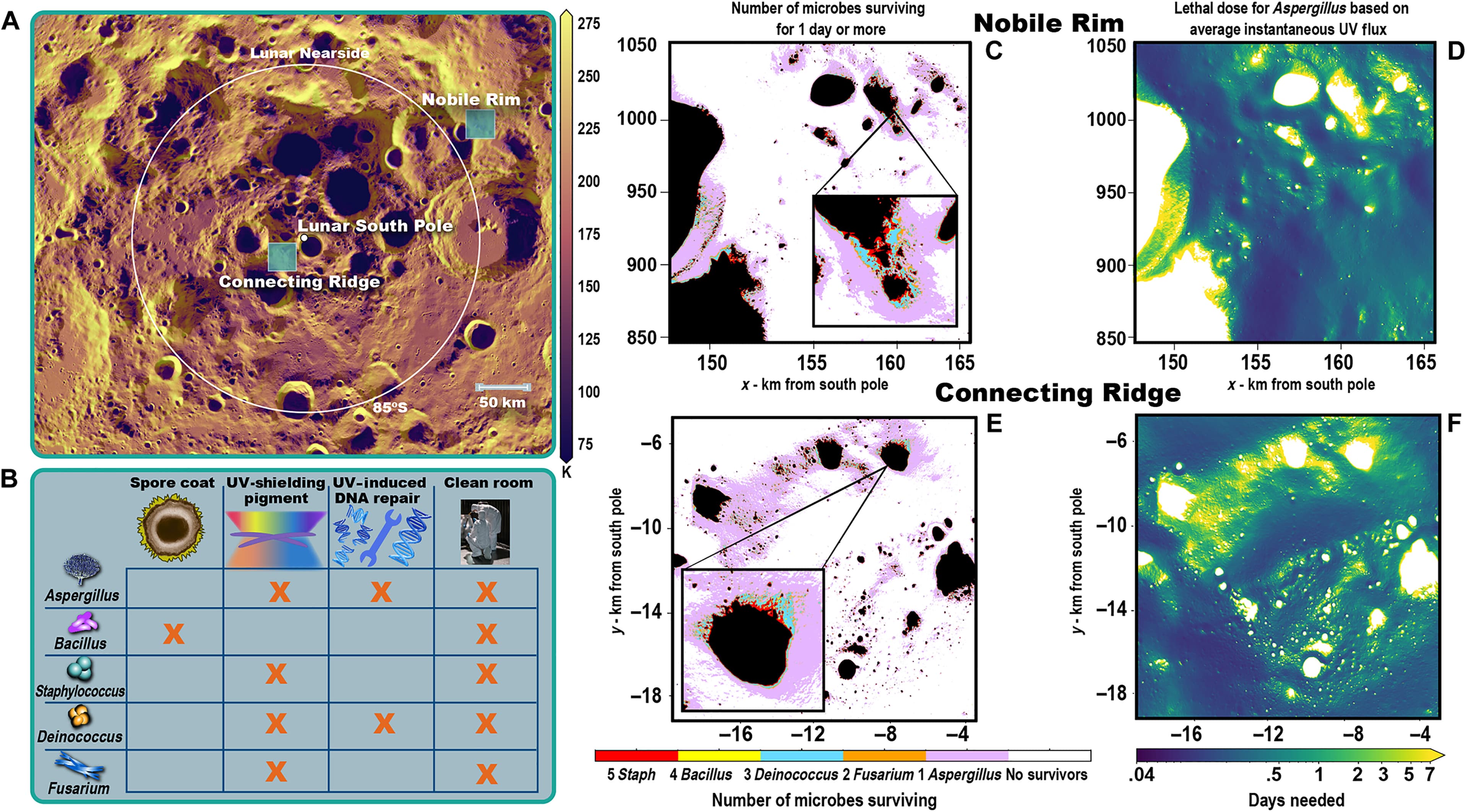
Models map lunar south-pole shadows where human-associated microbes may survive
A Science Advances study identifies cold, low-UV pockets at three prospective exploration areas. Viability means at least one Earth day in a dormant state, not growth or replication.
Space policy
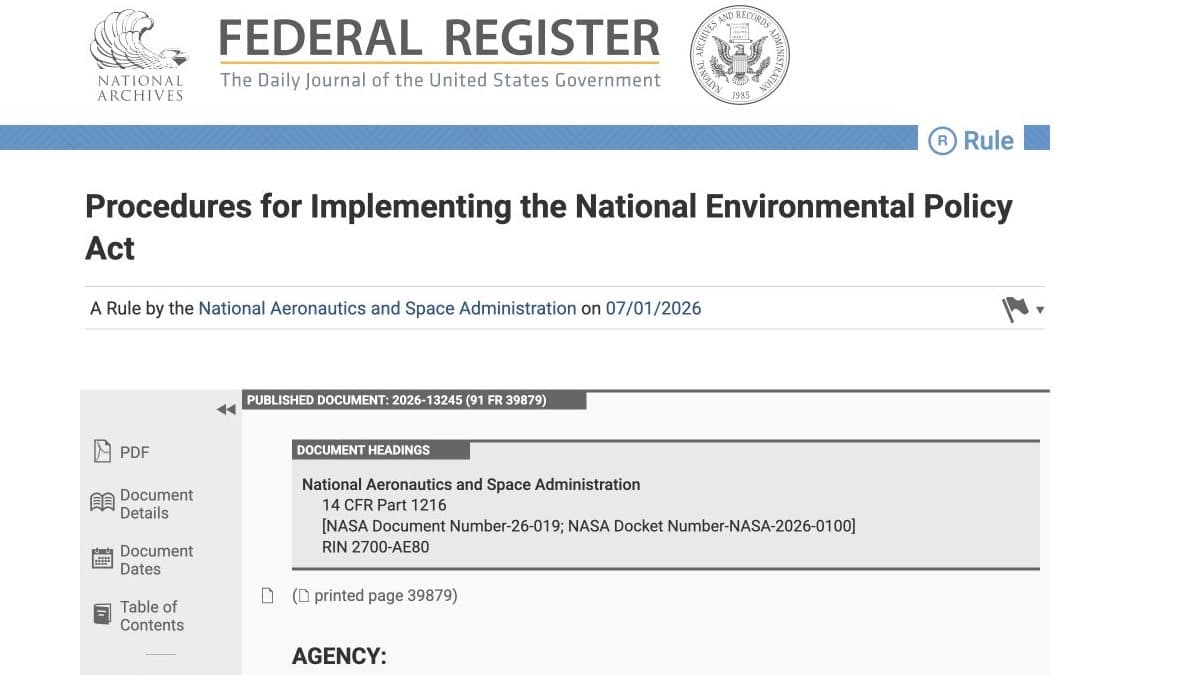
NASA’s interim NEPA rule takes effect with 19 adopted exclusions
Part 1216 now codifies previously adopted exclusions, one- and two-year review deadlines, page caps and a defined role for commercial project sponsors.
Commercial weather data
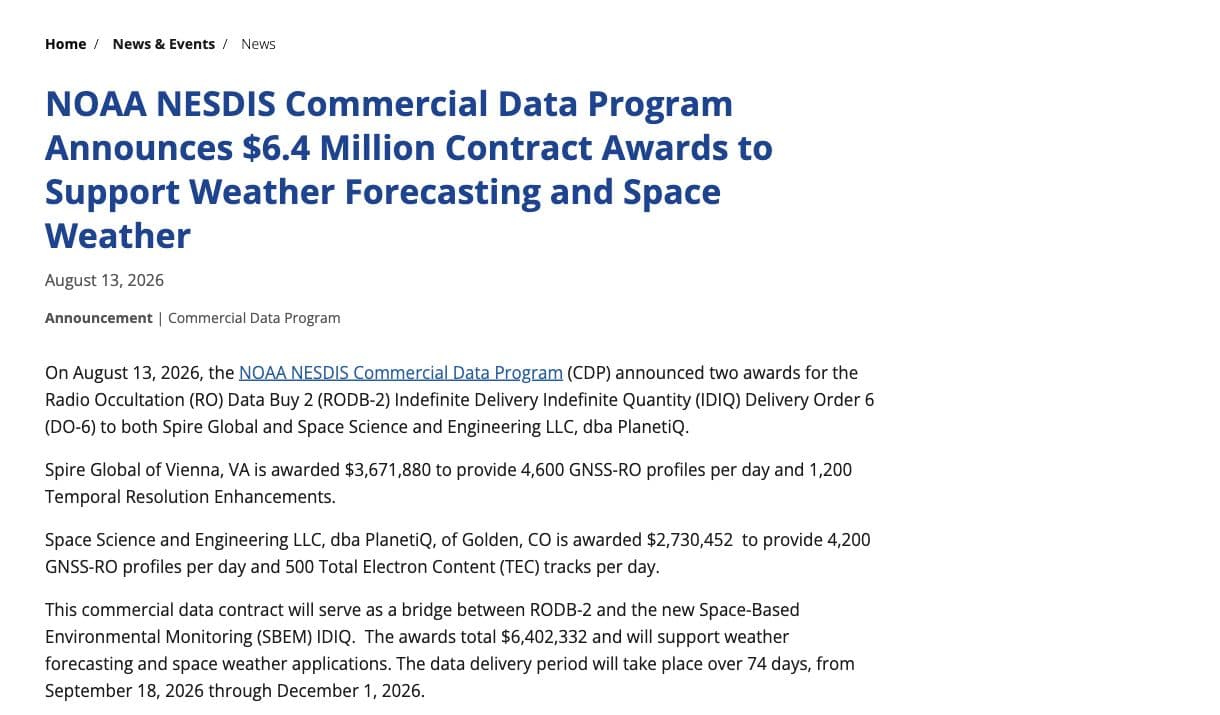
NOAA buys 4,200 daily radio-occultation profiles from PlanetiQ
The $2.73 million, 74-day bridge order also assigns PlanetiQ 500 ionospheric tracks a day while NOAA prepares a two-year successor procurement under a broader $2.35 billion vehicle.
Science
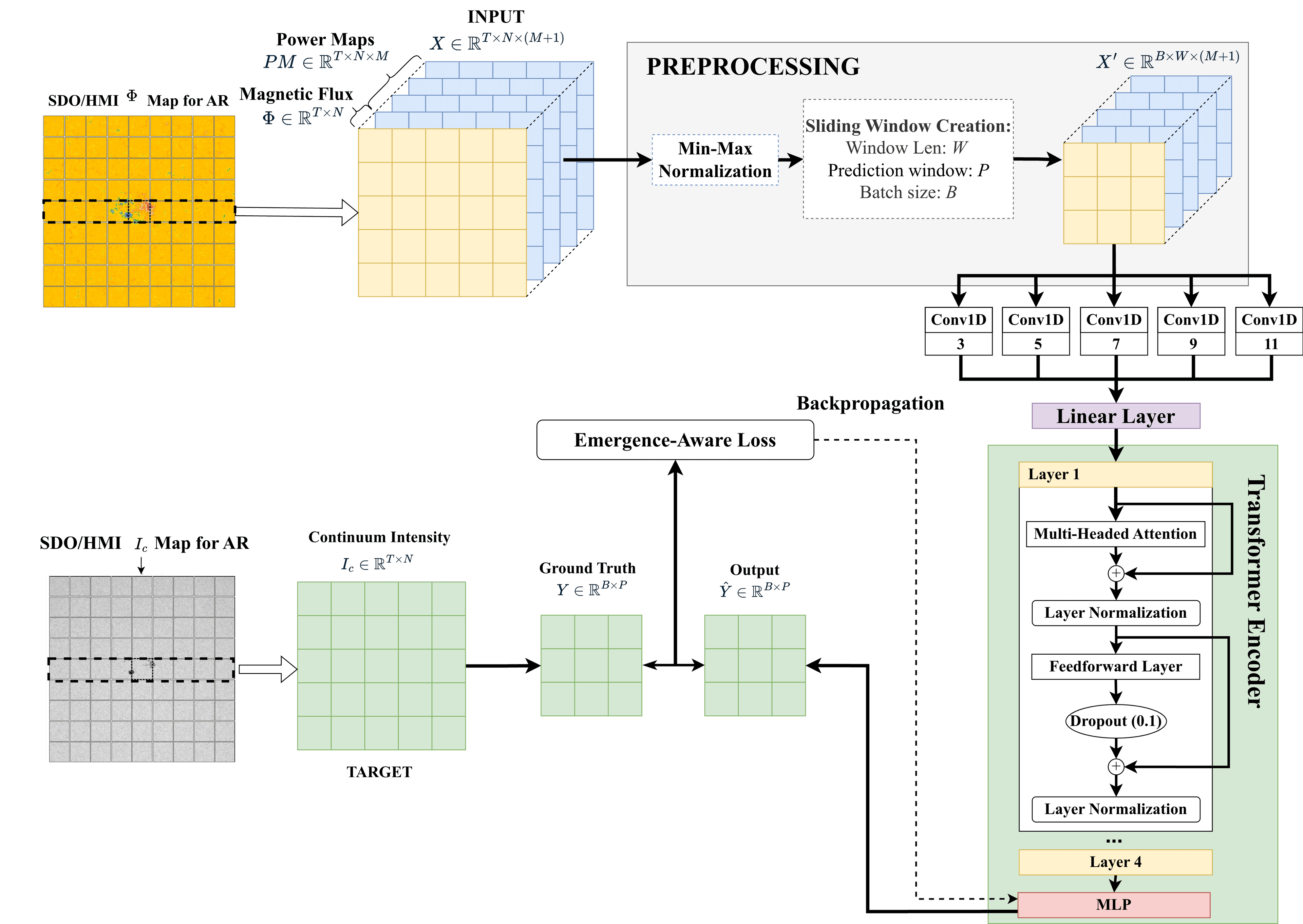
COFFIES model tests early detection of solar active-region emergence
The machine-learning model uses acoustic-power changes and weak magnetic signals to project solar-surface brightness 12 hours ahead, but the result is not yet a real-time solar-storm forecast.
Earth observation
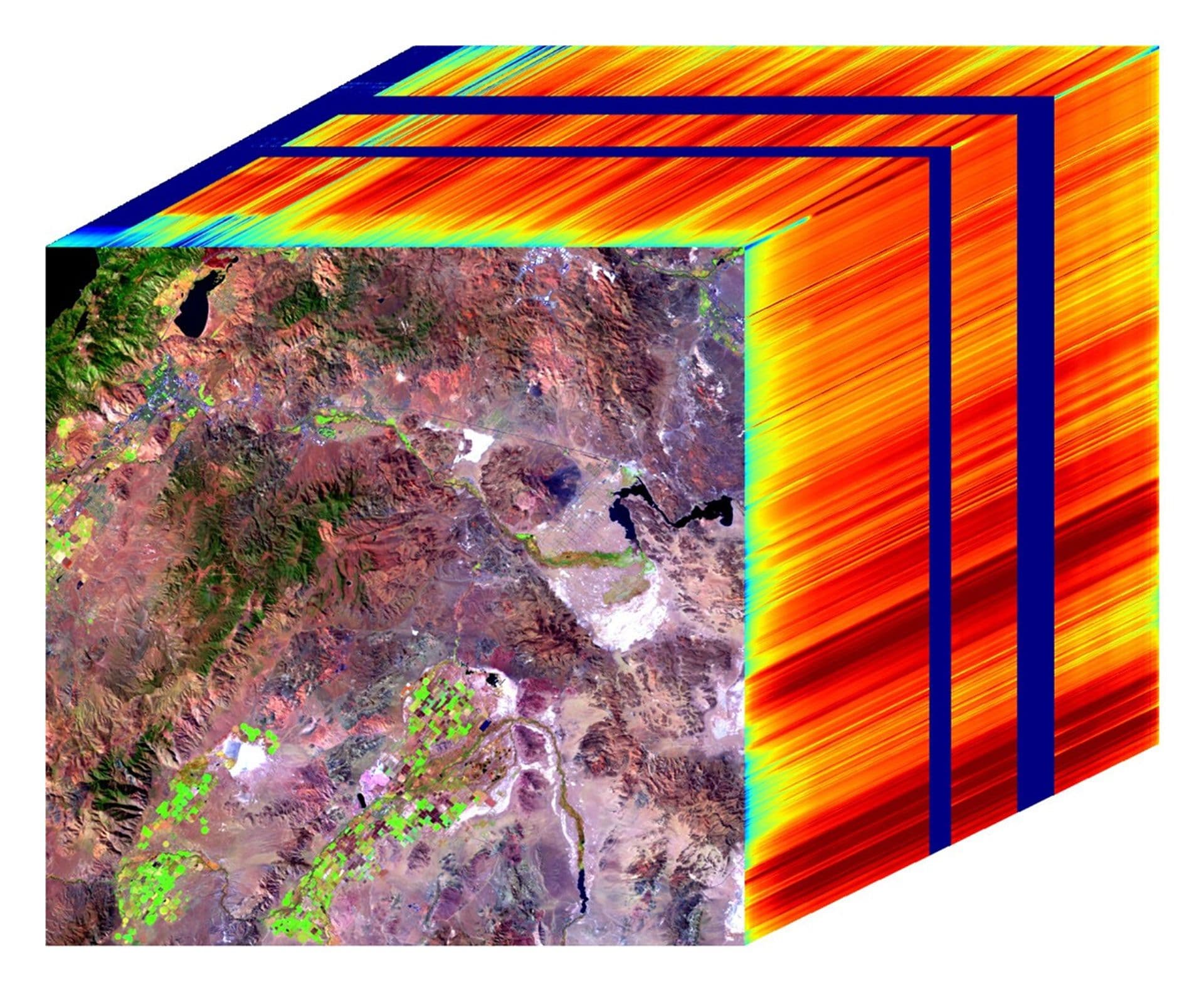
Intuitive Machines outlines IM-300 role in EAGLE-VSWIR mission
The company would supply the spacecraft, integrate JPL’s imaging spectrometer and run ground and mission operations. NASA lists the Earth-observation launch no earlier than 2028.
Science
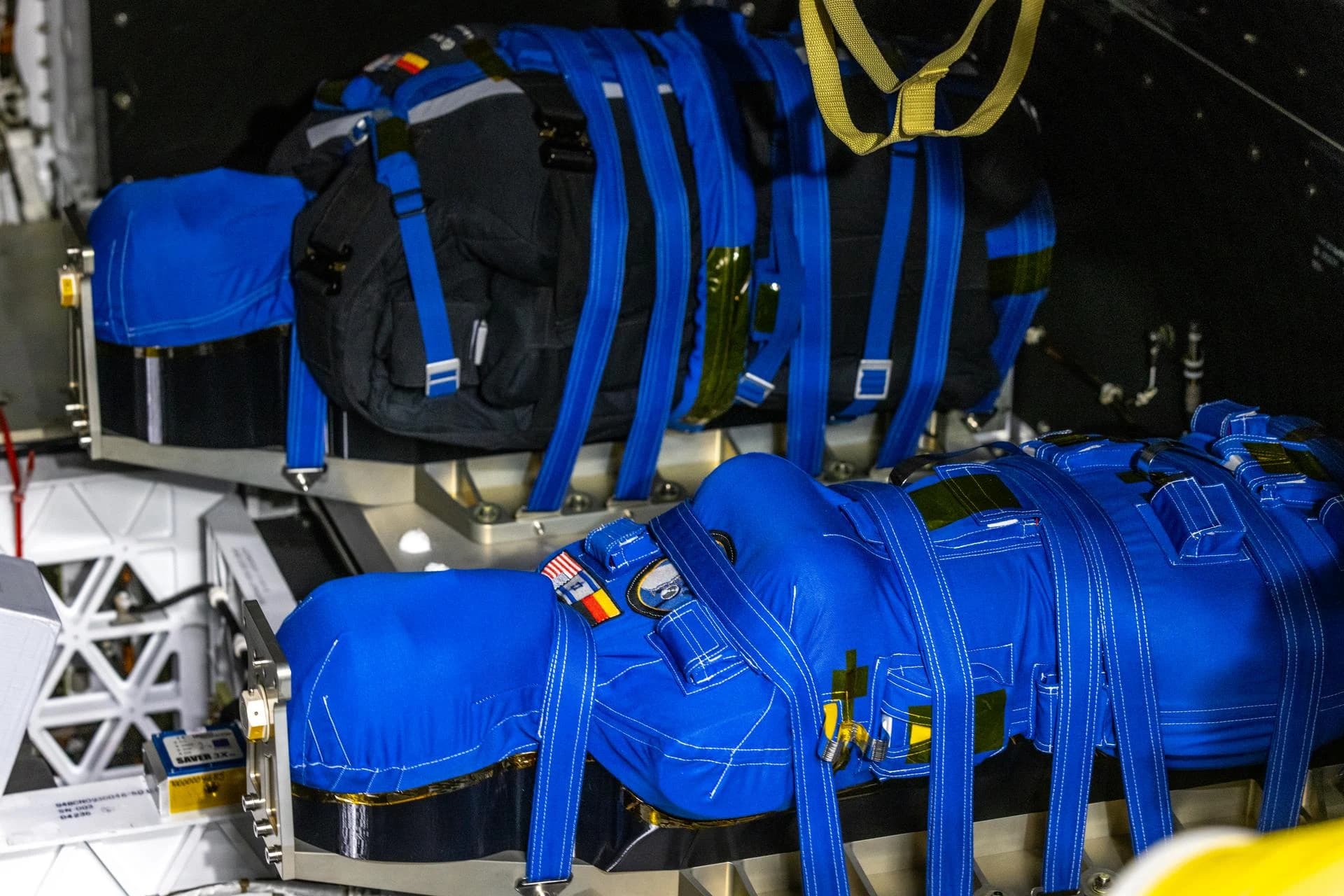
AstroRad study models up to 60% solar-storm dose cut from Artemis I data
Orion encountered no major solar particle event. Researchers validated a transport model against radiation measured inside two manikins, then substituted spectra from the 1972 and 1989 storms.
Lunar cooperation
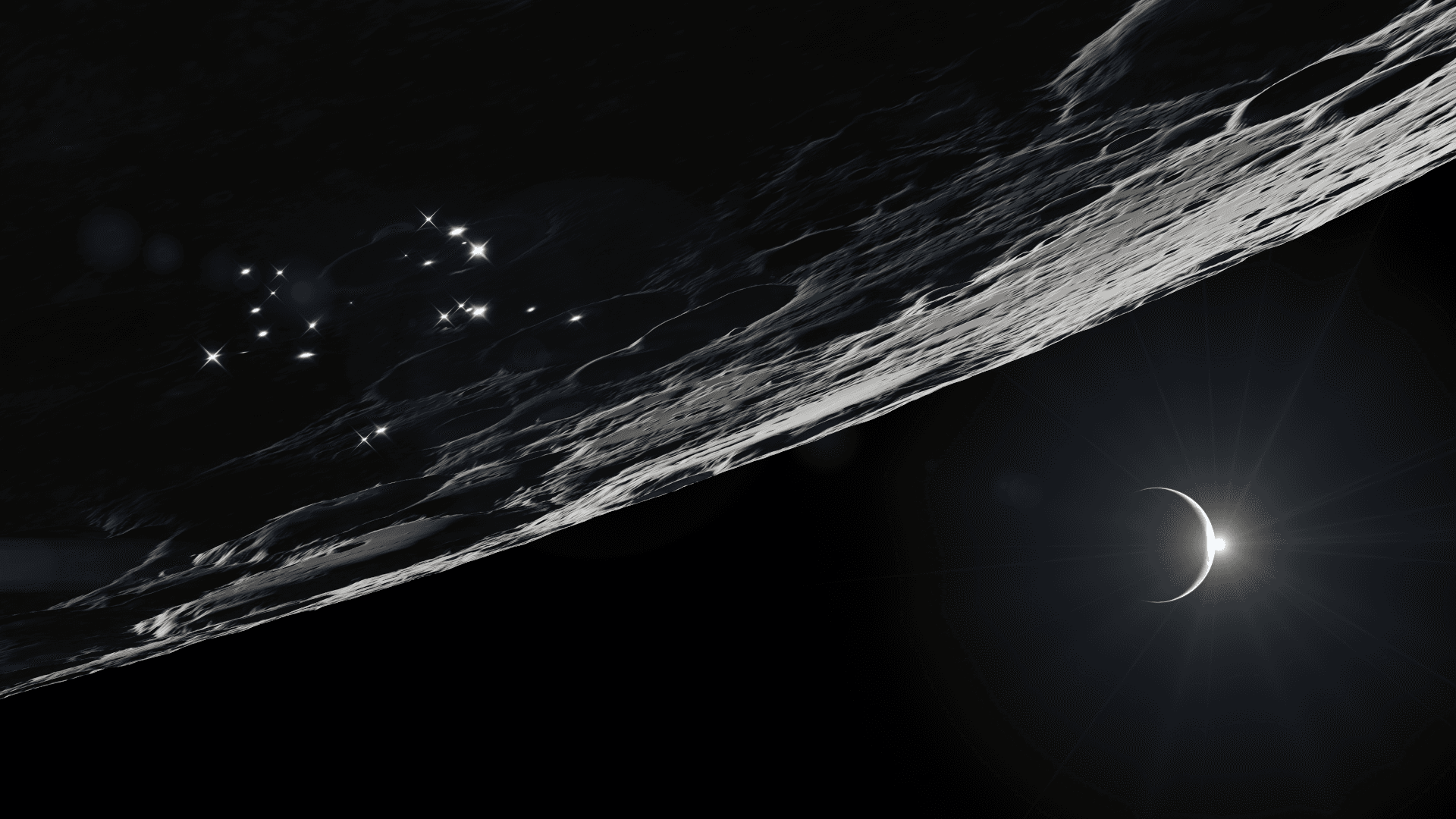
NASA invites ISRO to join Moon Base programme, but terms remain undisclosed
The offer was recorded after an August 5–6 bilateral meeting in Bengaluru. Neither side announced Indian acceptance, funding, hardware or a mission assignment.
Lunar infrastructure
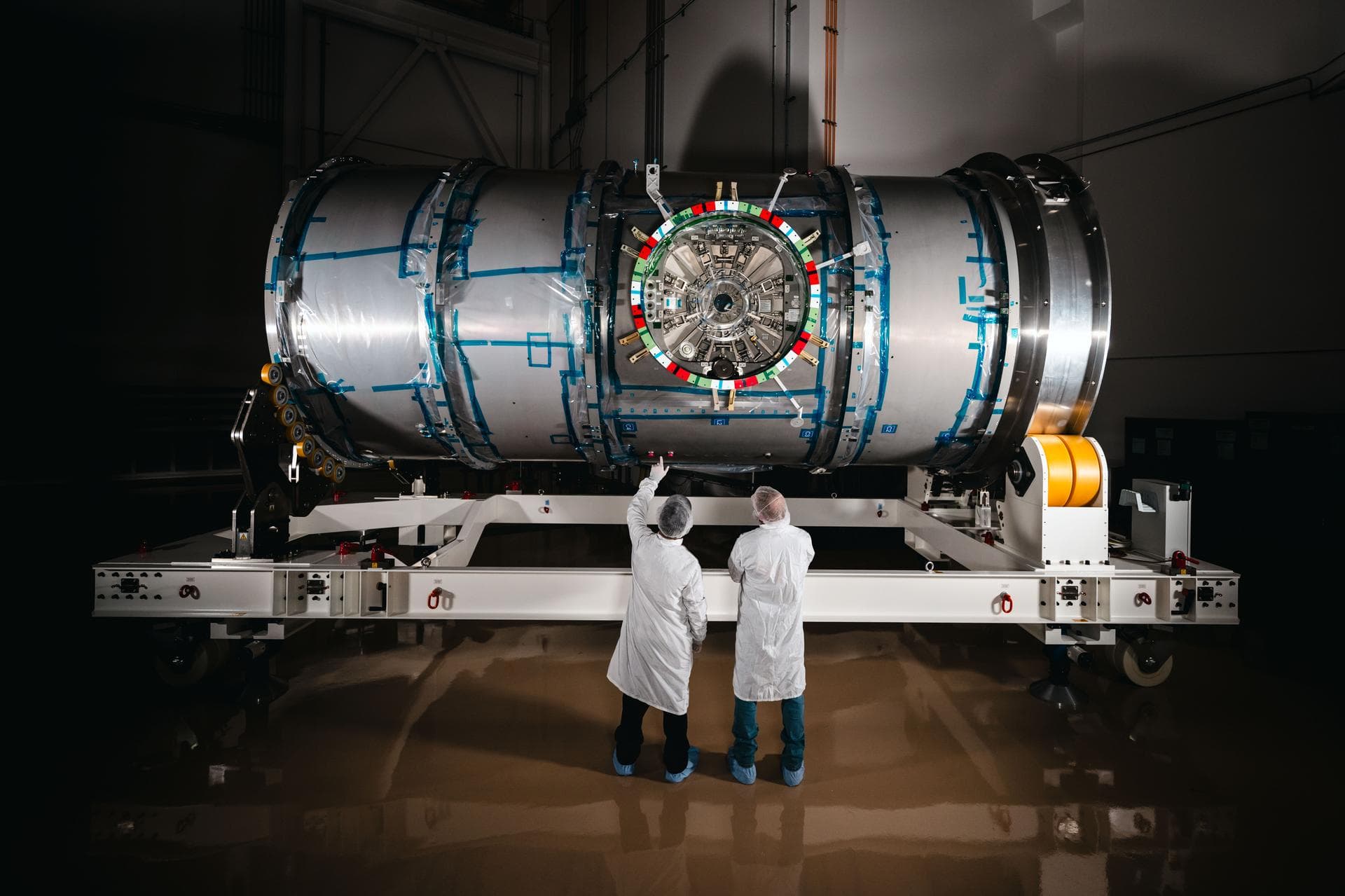
Northrop outlines three lunar demos using HALO systems; no NASA award disclosed
The company says power, data and mechanical interfaces can be reused after Gateway’s cancellation. It does not identify the flight hardware, funding, launch dates or landing providers.
Update this profile
Work at NASA or represent it? If something here is wrong or missing, email contact@spaceexploration.news with a public source for the change. Every profile edit is verified before it is published.
Request a profile change