Launch
ISRO publishes 200-tonne power-head test result
The agency says a 35-second firing in Tamil Nadu was the first full-thrust run of the engine power head. A complete engine, stage qualification and a flight date were not announced.
Add us as a preferred source on Google Add us as a preferred source on Google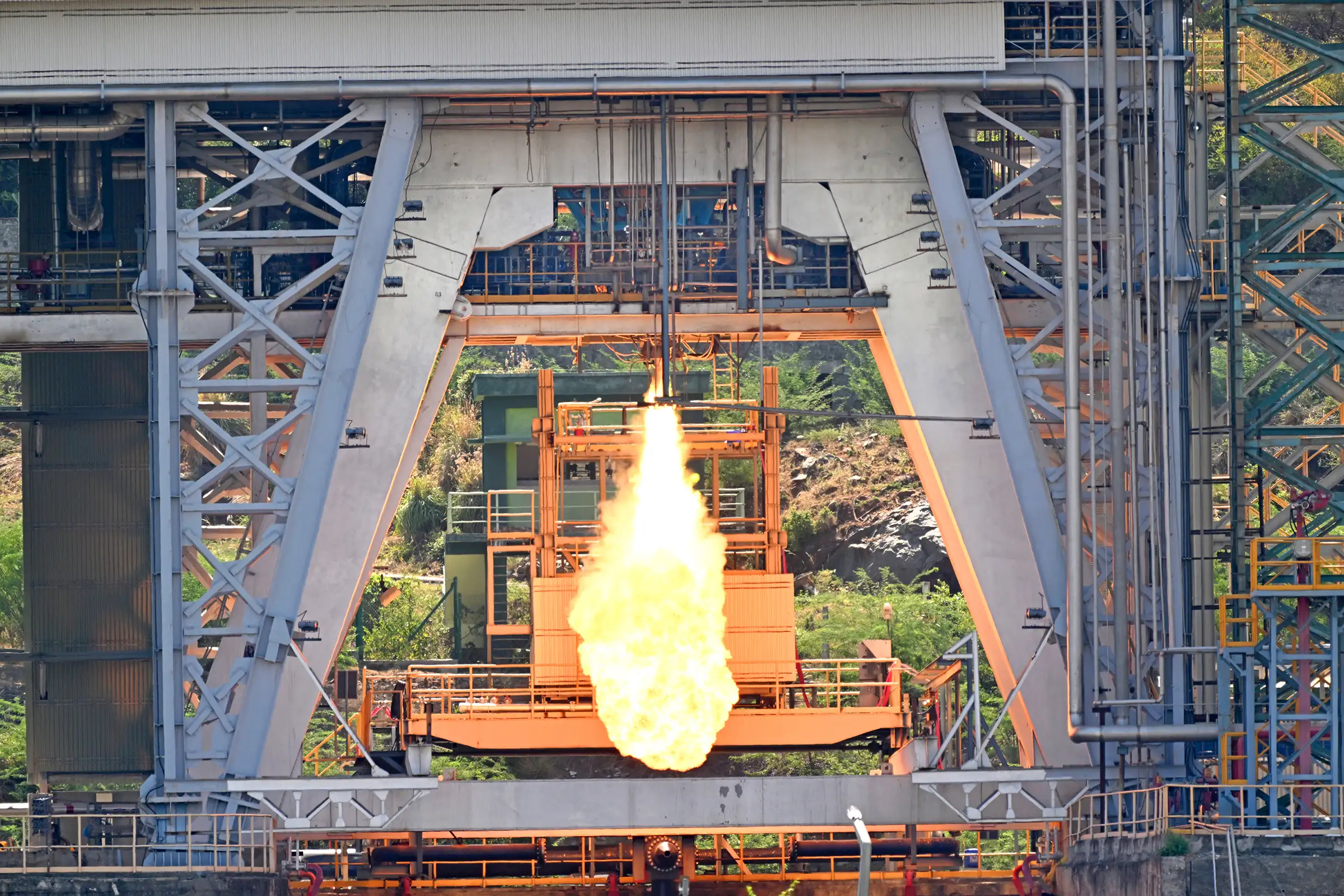
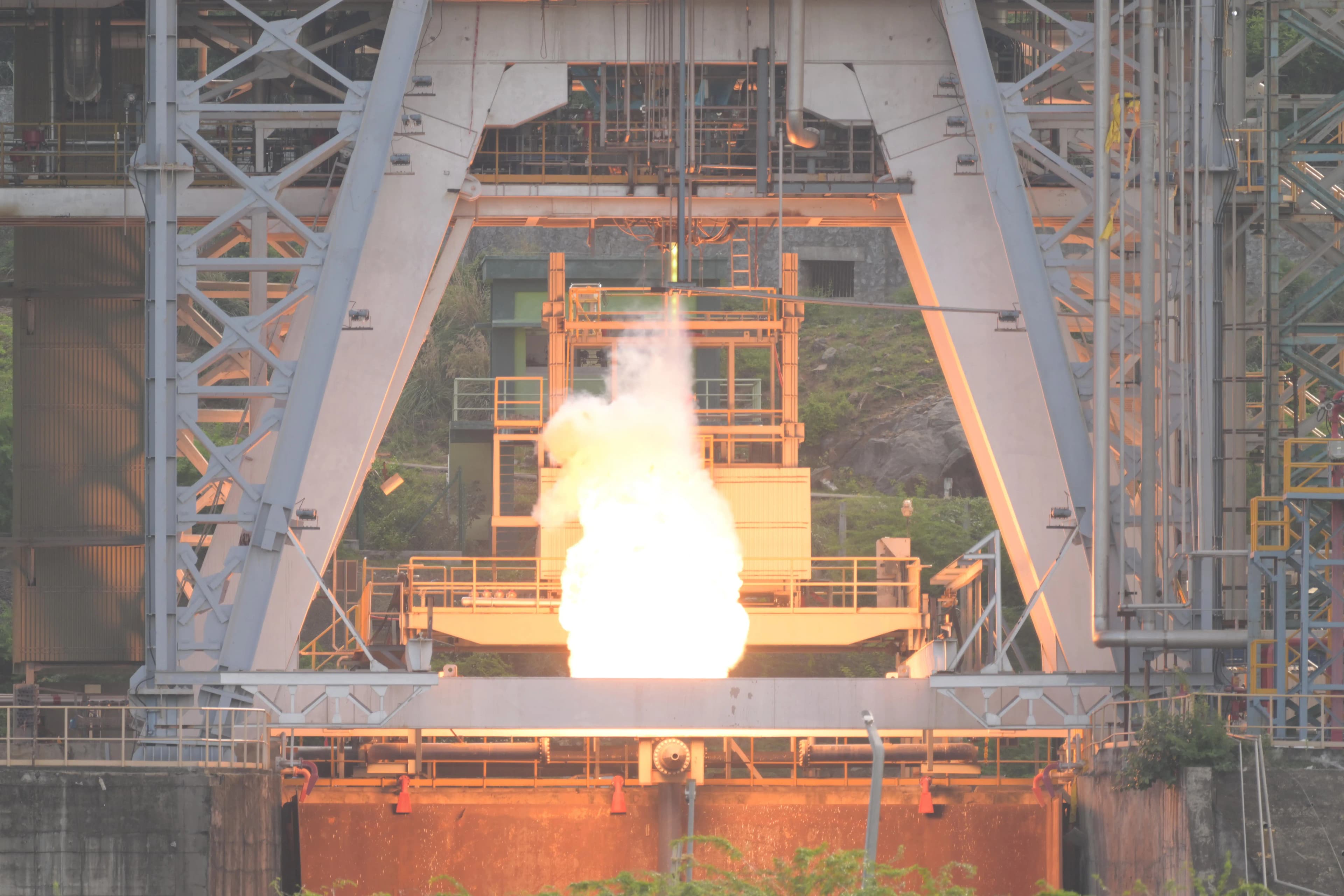
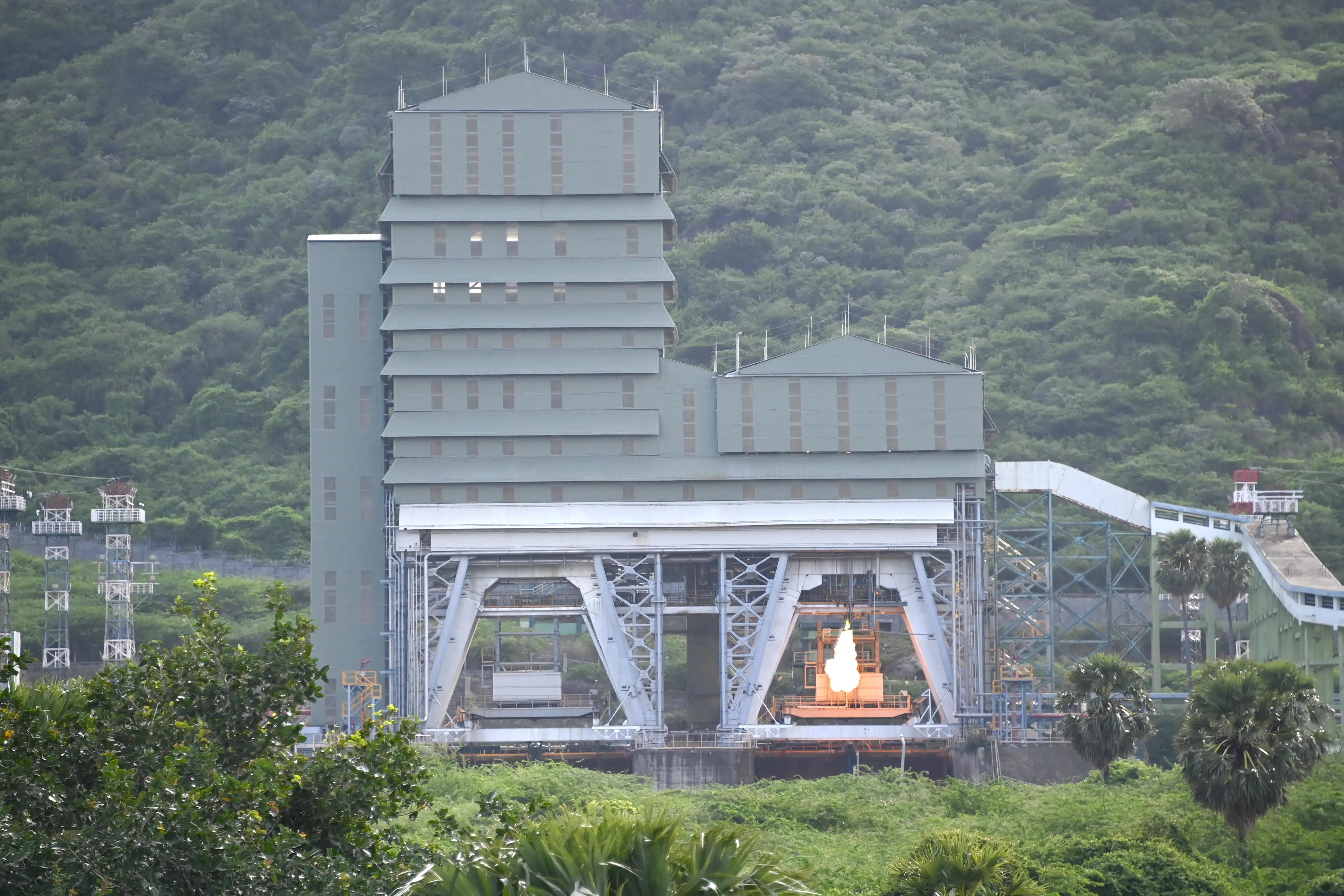
The Indian Space Research Organisation says it completed a 35-second hot test of its Semi-Cryogenic Engine Power Head Test Article at 200 tonnes of thrust on September 5 at the ISRO Propulsion Research Complex in Mahendragiri, Tamil Nadu. ISRO describes the ninth firing in the series as the first time the power head has reached its full, 100% thrust level.
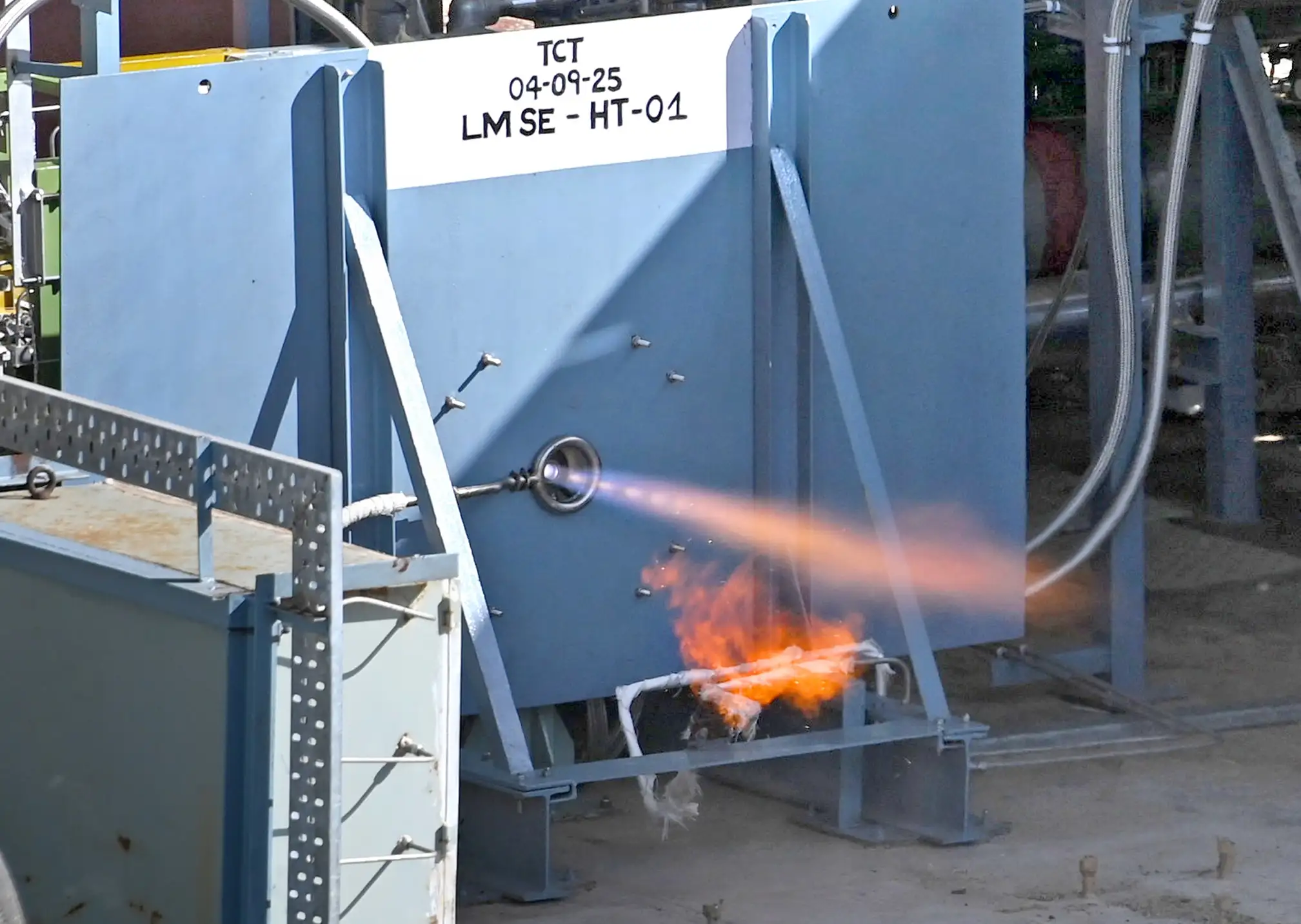
The agency says the run included five seconds of operation at 200 tonnes and that its engine parameters were as expected. It also says the test validated a switch in propellant supply from a low-pressure start tank to a medium-pressure run tank, a step intended to support longer PHTA hot tests. ISRO has not released telemetry, pressure traces or acceptance margins for outside assessment.
What the full-thrust result covers
A Power Head Test Article, or PHTA, includes the engine systems except the thrust chamber, according to ISRO. The September run therefore tested the power-head configuration rather than a complete SE2000 engine. The agency's announcement lists earlier successful PHTA thrust points of 94 tonnes, 120 tonnes and 175 tonnes before this 200-tonne firing.
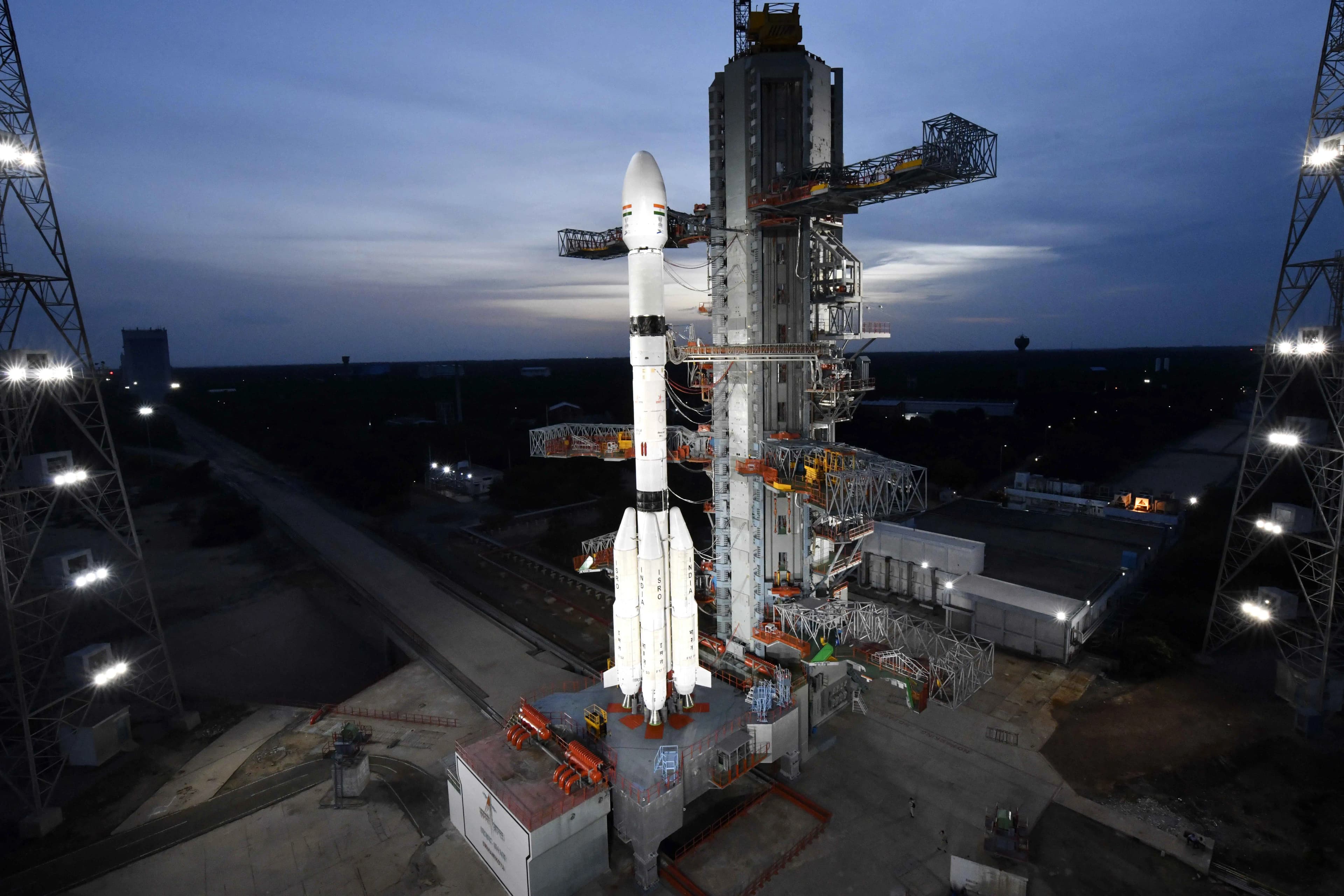
ISRO is developing the SC120 semi-cryogenic stage, powered by the 2,000-kilonewton-class SE2000 engine, to replace LVM3's current L110 core stage. The agency says pairing the stage with an uprated C32 cryogenic upper stage is intended to increase LVM3 payload capability. Its September 5 release does not announce a complete-engine firing, SC120 stage qualification or a flight date.
The new result is a full-thrust step in the power-head campaign, not a declaration that the engine or stage is ready to fly. ISRO has said the tank-switch validation will enable longer PHTA tests; the next disclosed evidence will be the duration and result of those tests, followed by any announcement on a complete engine or SC120 stage.
Reporting trail
Primary sources
For an image post, download the card and copy this suggested caption.
The agency says a 35-second firing in Tamil Nadu was the first full-thrust run of the engine power head. A complete engine, stage qualification and a flight date were not announced. Read the full report: https://www.spaceexploration.in/news/semi-cryogenic-phta-full-thrust #SpaceExplorationNews #SpaceNews #RocketLaunch