Launch
India proposes semi-cryogenic LVM3 for Chandrayaan-4 mission
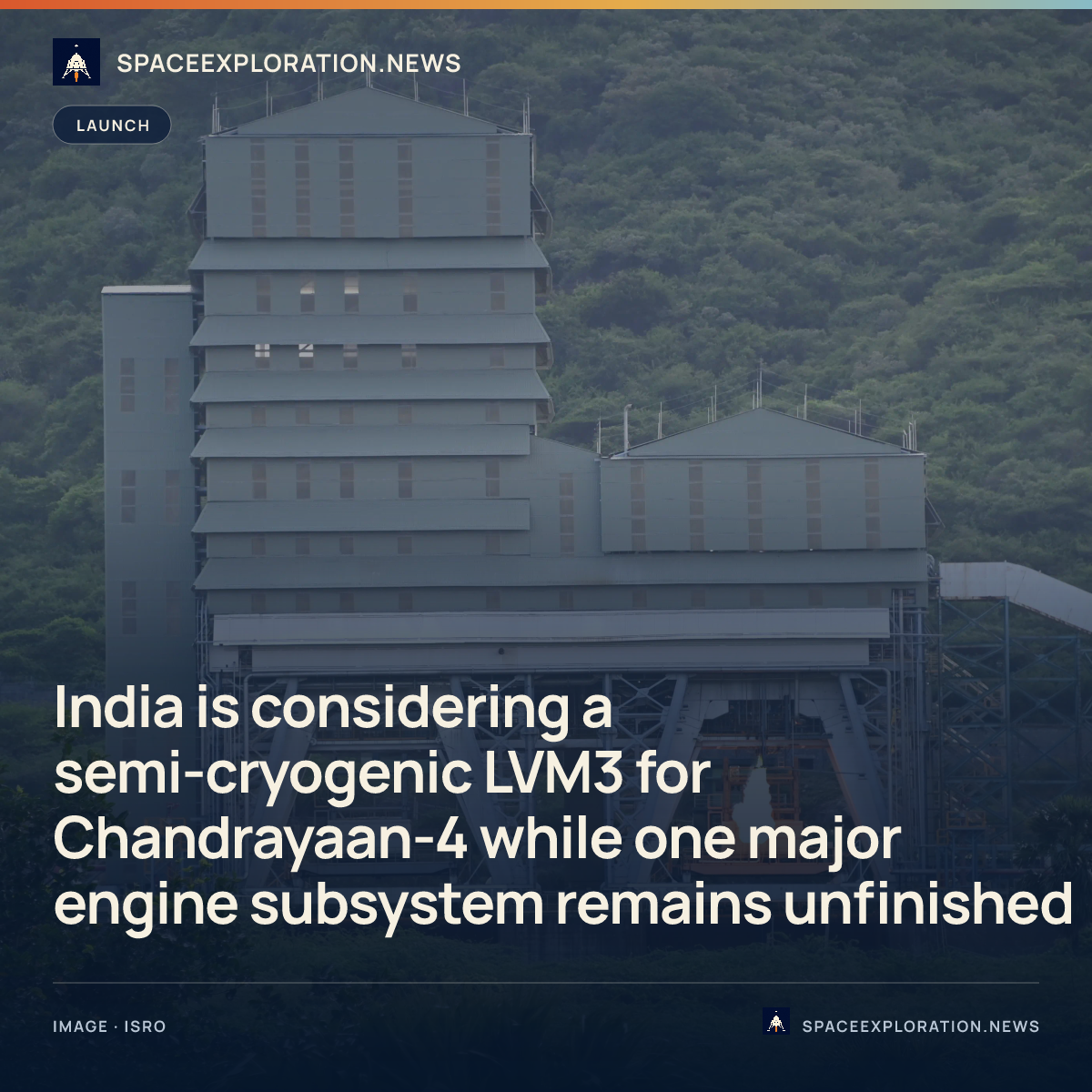
An August 13 Rajya Sabha answer names the thrust chamber as the only SE2000 subsystem still unrealised, leaving full-power power-head and integrated-engine work ahead.
Add us as a preferred source on Google Add us as a preferred source on Google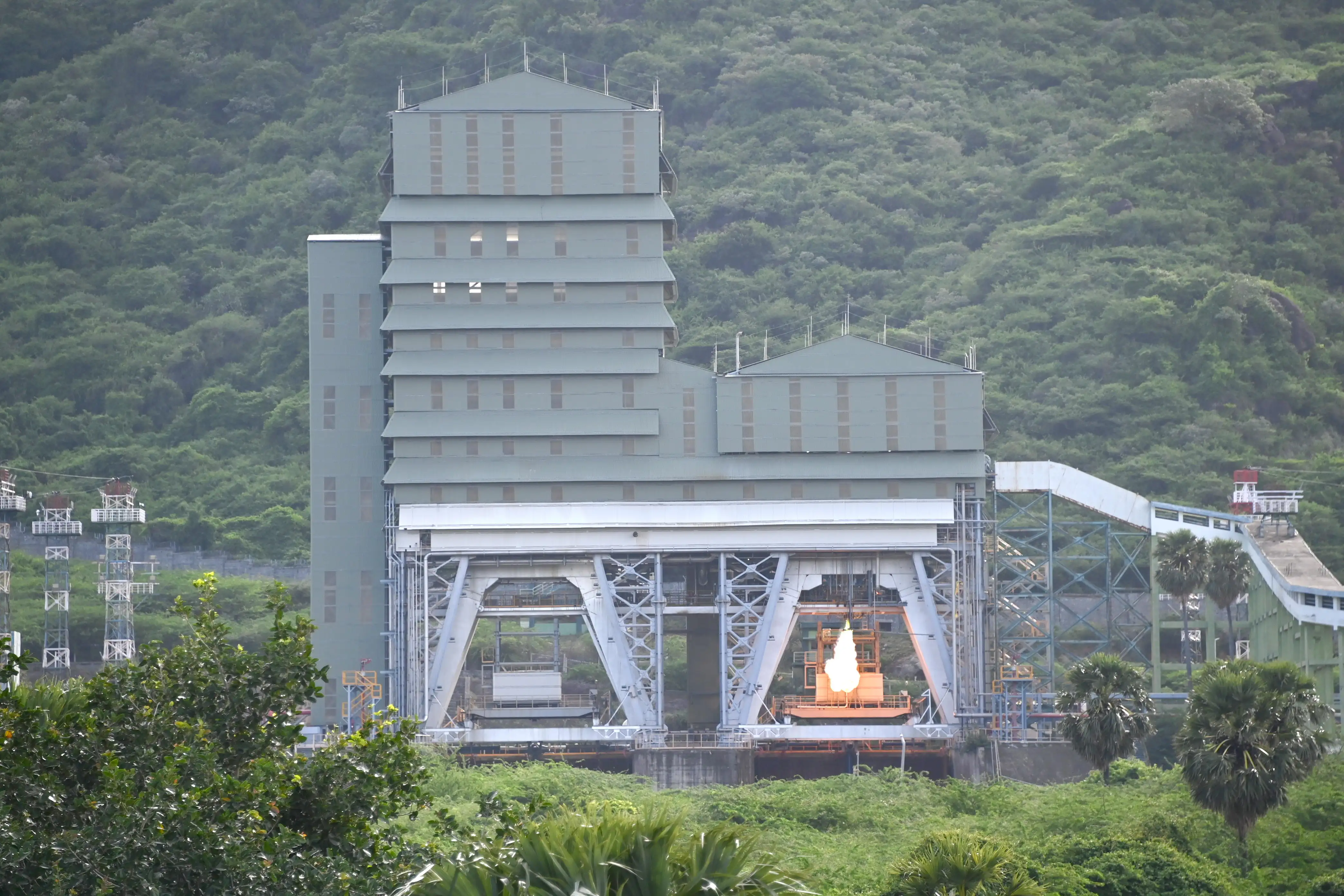
India's Chandrayaan-4 sample-return mission is now proposed to fly on an LVM3 incorporating ISRO's still-unfinished semi-cryogenic engine, according to a Rajya Sabha answer dated August 13, 2026. The Department of Space said the thrust chamber is the only engine subsystem yet to be realised. That makes completion and qualification of the new propulsion system an explicit programme dependency in the government's proposed launcher configuration.
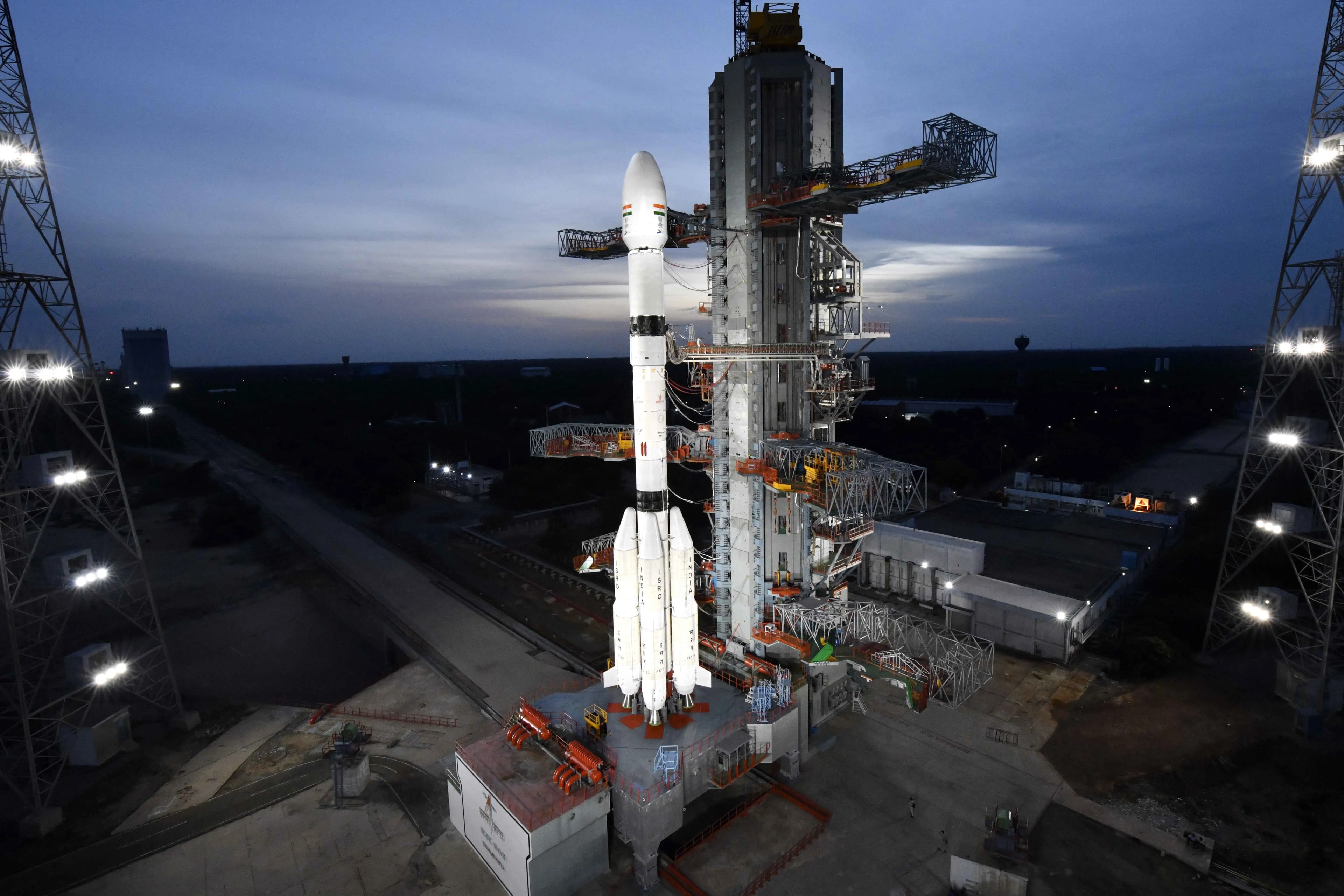
The answer adds a mission assignment that ISRO's June 27 account of the latest engine test did not give. That earlier release said the 175-tonne firing supported plans to replace LVM3's current L110 liquid core with an SC120 semi-cryogenic stage, but it named no flight or lunar mission. The parliamentary reply now links the unfinished engine directly to Chandrayaan-4 while leaving Gaganyaan on the existing L110 configuration.
What remains outside the 175-tonne result
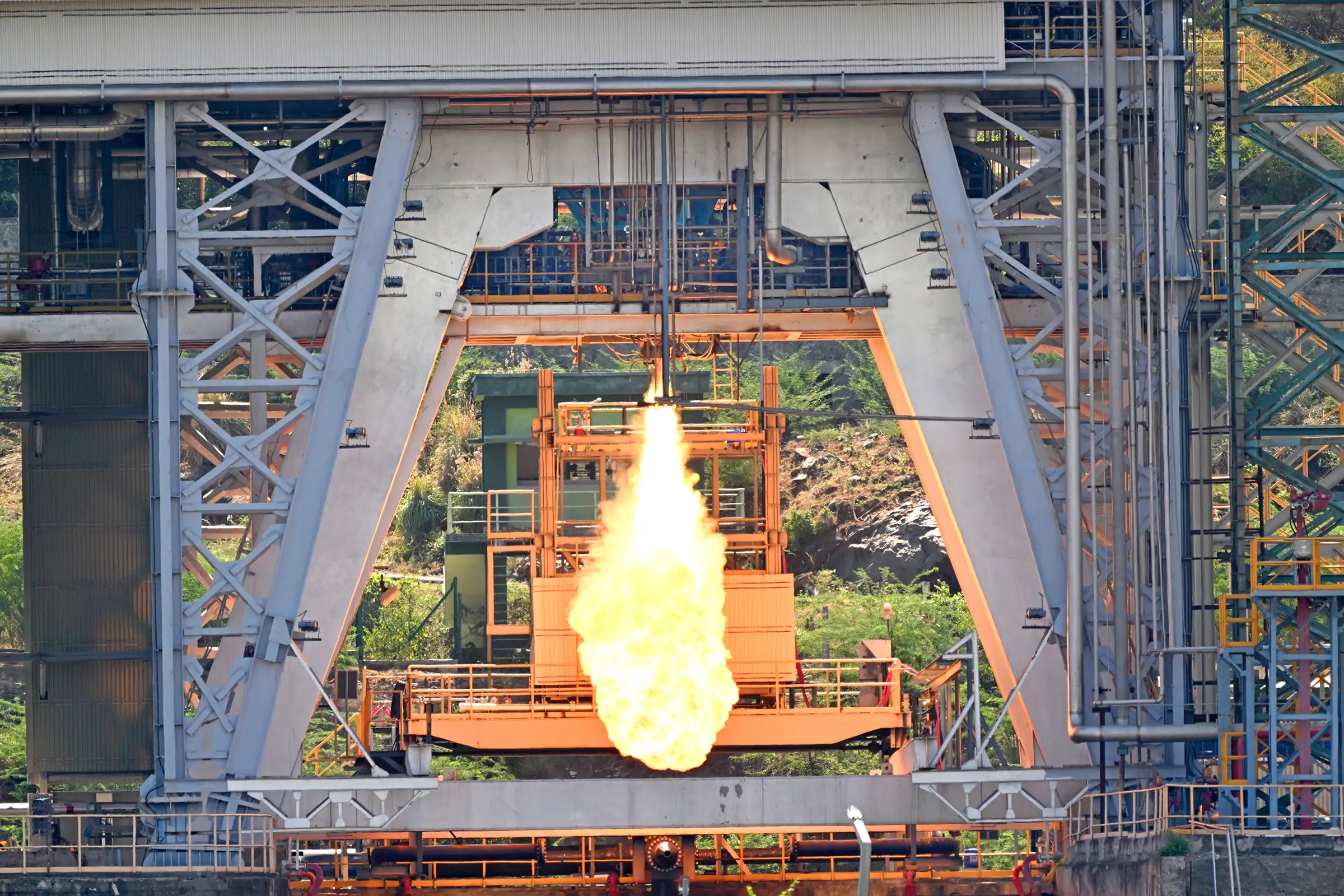
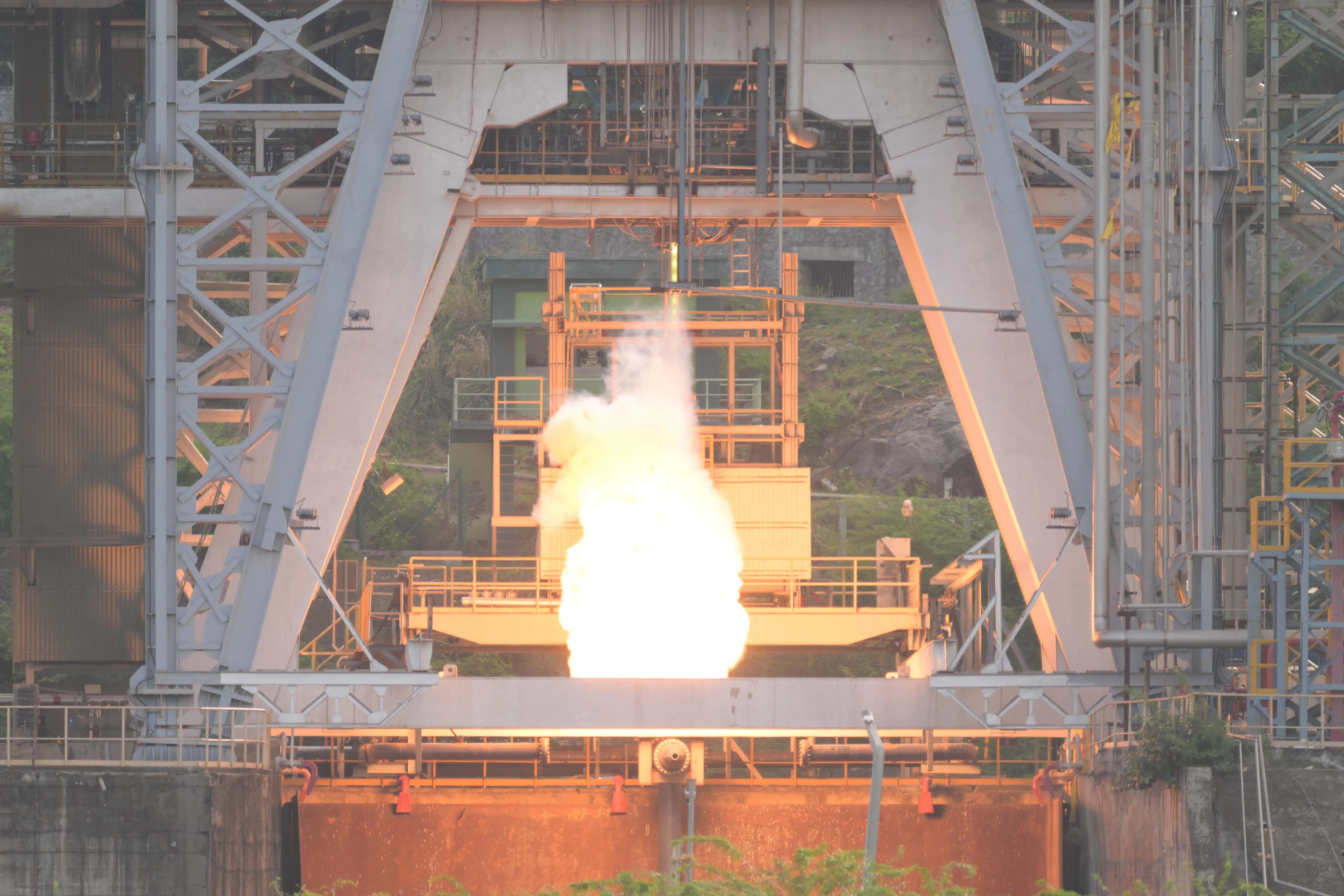
The June 24 test involved a Power Head Test Article, or PHTA, which ISRO describes as containing all engine systems except the thrust chamber. It reached 175 tonnes of thrust, 88% of the 200-tonne target, during the eighth firing in the PHTA campaign at the ISRO Propulsion Complex in Mahendragiri, Tamil Nadu. ISRO said the test demonstrated steady operation and main turbopump outlet pressures of 400 and 500 bar.
Those results apply to the power head, not a complete SE2000 engine. In the August answer, the government said the thrust chamber was taking longer to fabricate because of its complexity. The same reply identified a 200-tonne, or 100%-power, steady-state PHTA demonstration as the next activity. It separately said qualification of the fully integrated engine would be needed; reaching full power without the chamber would therefore not complete that qualification.
The distinction matters because the 175-tonne configuration omitted the one subsystem that the government now says remains unrealised. ISRO's June release says the planned 2,000-kilonewton-class SE2000 will power the SC120 stage, using liquid oxygen and purified kerosene, and that SC120 is intended to replace LVM3's L110 core. The August reply gives no completion date for the chamber, first integrated-engine firing, qualification campaign or flight-ready stage.
Why Chandrayaan-4 makes timing more consequential
Chandrayaan-4's architecture calls for two separate LVM3 launches. ISRO's published mission plan divides five spacecraft modules into two stacks: the Descender and Ascender Modules on one vehicle, and the Transfer, Re-entry and Propulsion Modules on the other. The two stacks are to dock in an elliptical Earth orbit before beginning the sequence of Earth-bound manoeuvres and lunar transfer. The August answer does not specify whether both LVM3 flights are proposed to use the semi-cryogenic stage.
The mission then depends on a chain of operations beyond launch. ISRO plans for the Descender and Ascender to land, collect roughly 2 to 3 kilograms of surface and subsurface material, and lift the sealed samples back to lunar orbit. The Ascender would dock with the waiting Transfer and Re-entry modules, pass the samples across, and leave the Re-entry Module to return them to Earth. The two-launch architecture makes launcher configuration an input to the mission design, not a stand-alone propulsion experiment.
The Union Cabinet's September 2024 approval set a ₹2,104.06 crore requirement that includes spacecraft development, two LVM3 missions, external deep-space-network support and design-validation tests. The Press Information Bureau said then that the mission was expected to be completed within 36 months of approval. ISRO later described a 2027–2028 launch timeframe in April 2025. Neither the August 2026 parliamentary answer nor the June engine-test release says whether that schedule has changed as the thrust chamber remains in fabrication.
Different LVM3 paths for other missions
The reply draws boundaries around the semi-cryogenic programme's near-term role. It says Gaganyaan missions will use a human-rated LVM3 with the L110 core stage, so their stated launcher configuration does not depend on SC120. It says Chandrayaan-5 does not need the engine because Japan's JAXA is responsible for launching that joint mission, while ISRO will develop the lander. The government also said its next-generation launch systems are based on liquid-oxygen and methane engines rather than SE2000.
That separation leaves Chandrayaan-4 as the only named mission in the answer proposed to use semi-cryogenic LVM3. It also shows why the response to the question about an operational timeline is incomplete: instead of dating SE2000 or SC120 deployment, the answer shifts to the different methane-fuelled architecture planned for future launch systems. No date is supplied for the semi-cryogenic engine's first mission.
What has to happen next
The proposed launcher assignment and the subsystem status both come from the same government document. No separate Chandrayaan-4 launch-vehicle update, integrated-engine test plan or independent evidence of hardware readiness was available in the reviewed material. The June test result likewise rests on ISRO's account; the agency reported that parameters were as expected but did not publish the underlying data needed for an outside assessment.
The next disclosed propulsion milestone is a steady-state PHTA run at 200 tonnes. After that, the programme still has to bring the thrust chamber into a complete engine and qualify that integrated engine before the proposed mission use described to Parliament can be realised. Until the Department of Space provides dates for those steps and for the resulting SC120 stage, Chandrayaan-4's launcher plan carries an explicit dependency without a published readiness schedule.
Reporting trail
Primary sources
Rajya SabhaUtilization of Semi-Cryogenic Engine — Unstarred Question No. 3008sansad.in
ISROISRO successfully conducted hot test of Semicryogenic Engine Power Head Test Article at higher thrust levelisro.gov.in
ISROMission to the Venus, and to the Moon: Configuration and Scientific Objectivesisro.gov.in
Press Information BureauIndia goes to Moon again: This time to come back to Earth after landing on the Moonpib.gov.in
ISROISRO organises the National Science Meet on Chandrayaan-4 Lunar Sample Return Missionisro.gov.in
For an image post, download the card and copy this suggested caption.
An August 13 Rajya Sabha answer names the thrust chamber as the only SE2000 subsystem still unrealised, leaving full-power power-head and integrated-engine work ahead. Read the full report: https://www.spaceexploration.in/news/chandrayaan-4-semi-cryogenic-lvm3 #SpaceExplorationNews #SpaceNews #RocketLaunch