Gravitational-wave astronomy
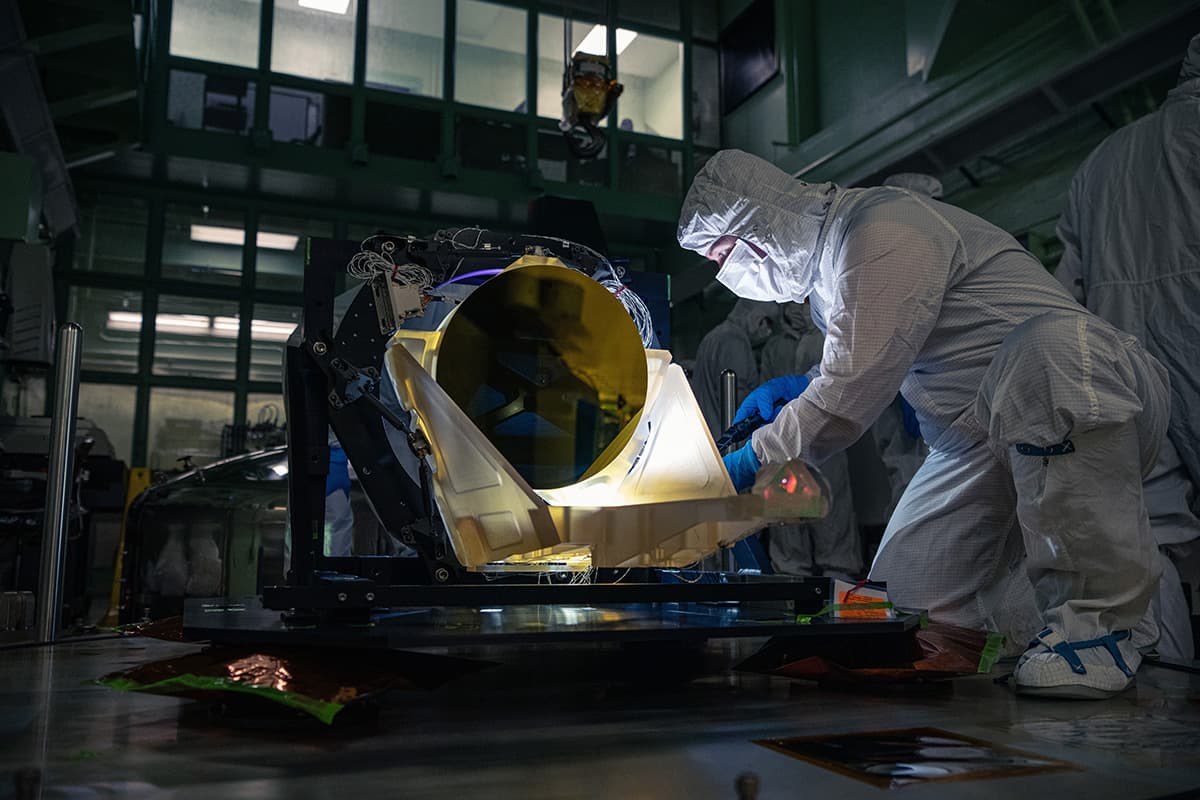
NASA assigns L3Harris an all-glass LISA test telescope
The engineering unit precedes flight hardware for the gravitational-wave observatory; NASA has not announced its delivery date.
Latest editionIndependent space reporting
SPACE EXPLORATION.INअंतरिक्ष · India’s space journalIndia-firstSource-led · English edition
Editorial desk
Solar physics, Earth observation, astronomy and the instruments extending India’s view of the universe.
Gravitational-wave astronomy
The engineering unit precedes flight hardware for the gravitational-wave observatory; NASA has not announced its delivery date.
Solar science
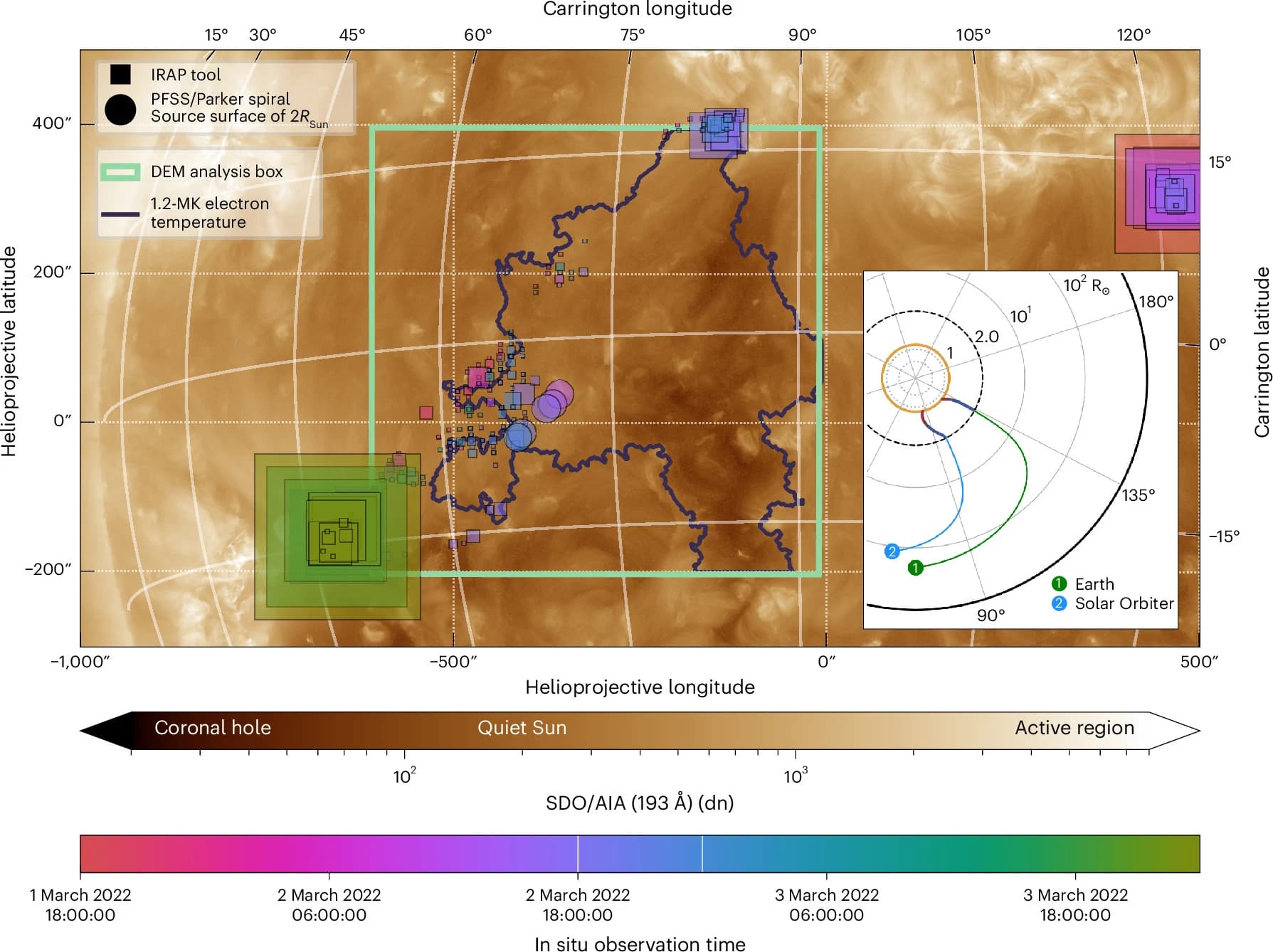
An October 8 study links one large solar-wind reversal to magnetic reconnection; the authors call for broader studies before generalising the result.
Space medicine
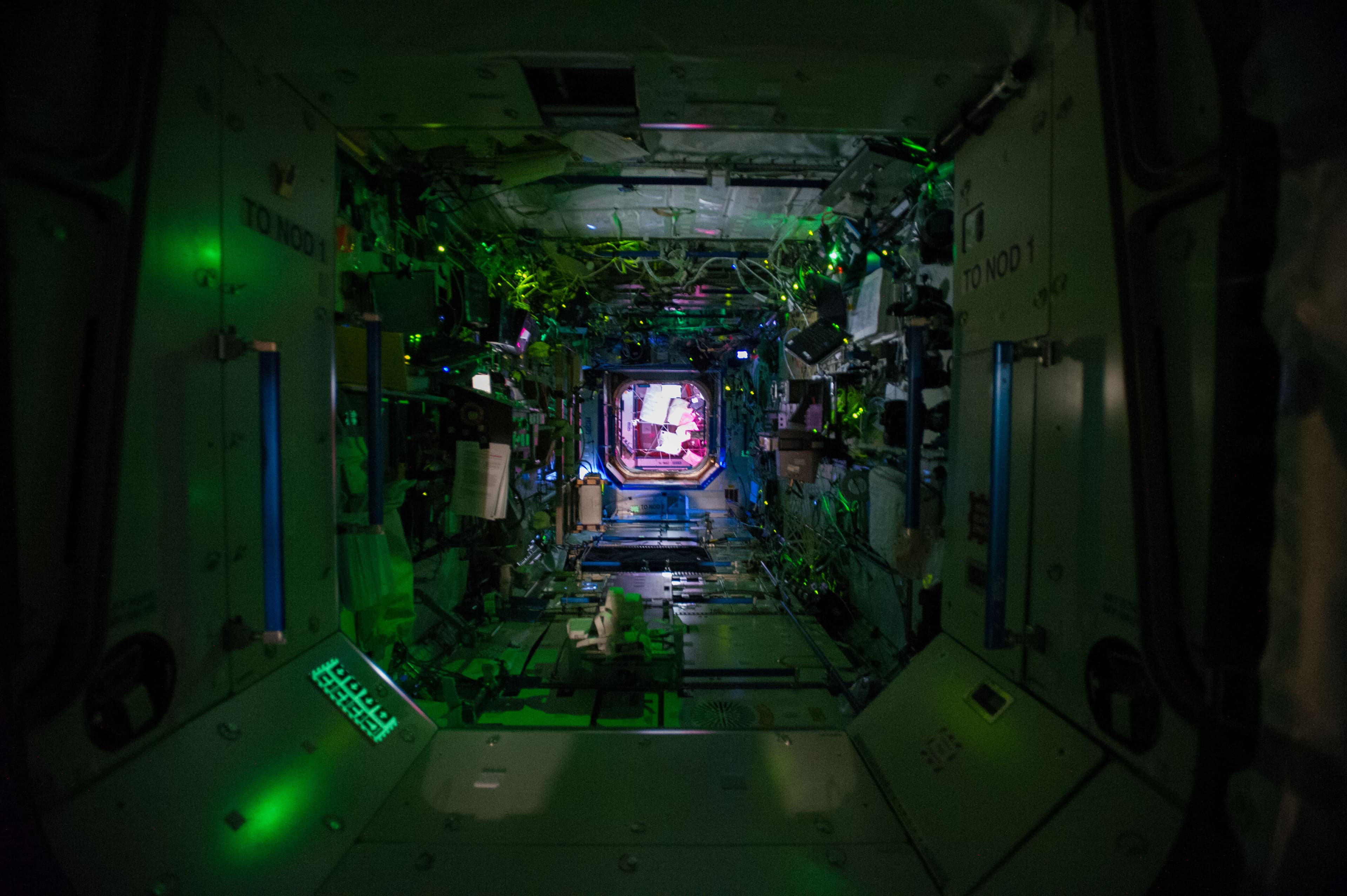
The October 6 station account describes a sensor vest and headband used while pedalling in Destiny. It publishes no measurement values or clinical findings.
Astrochemistry
The first robust identification of CD3OD challenges chemical models, while uncertainty in the reference methanol abundance complicates the comparison.
Satellite navigation
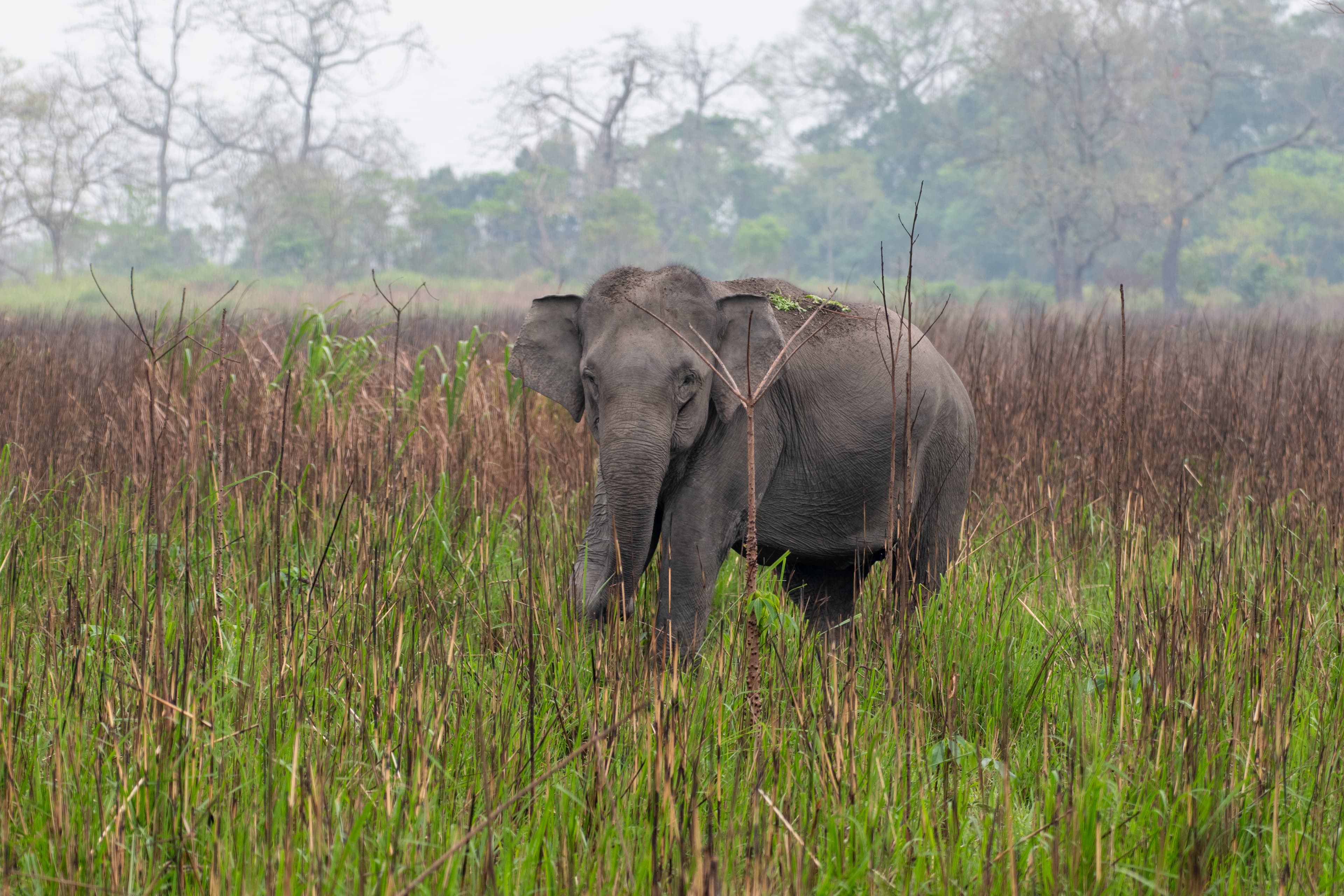
The Wildlife Week release documents a 2021–26 collar study; its satellite-navigation records are intended to guide habitat and conflict-management planning.
Weather satellites
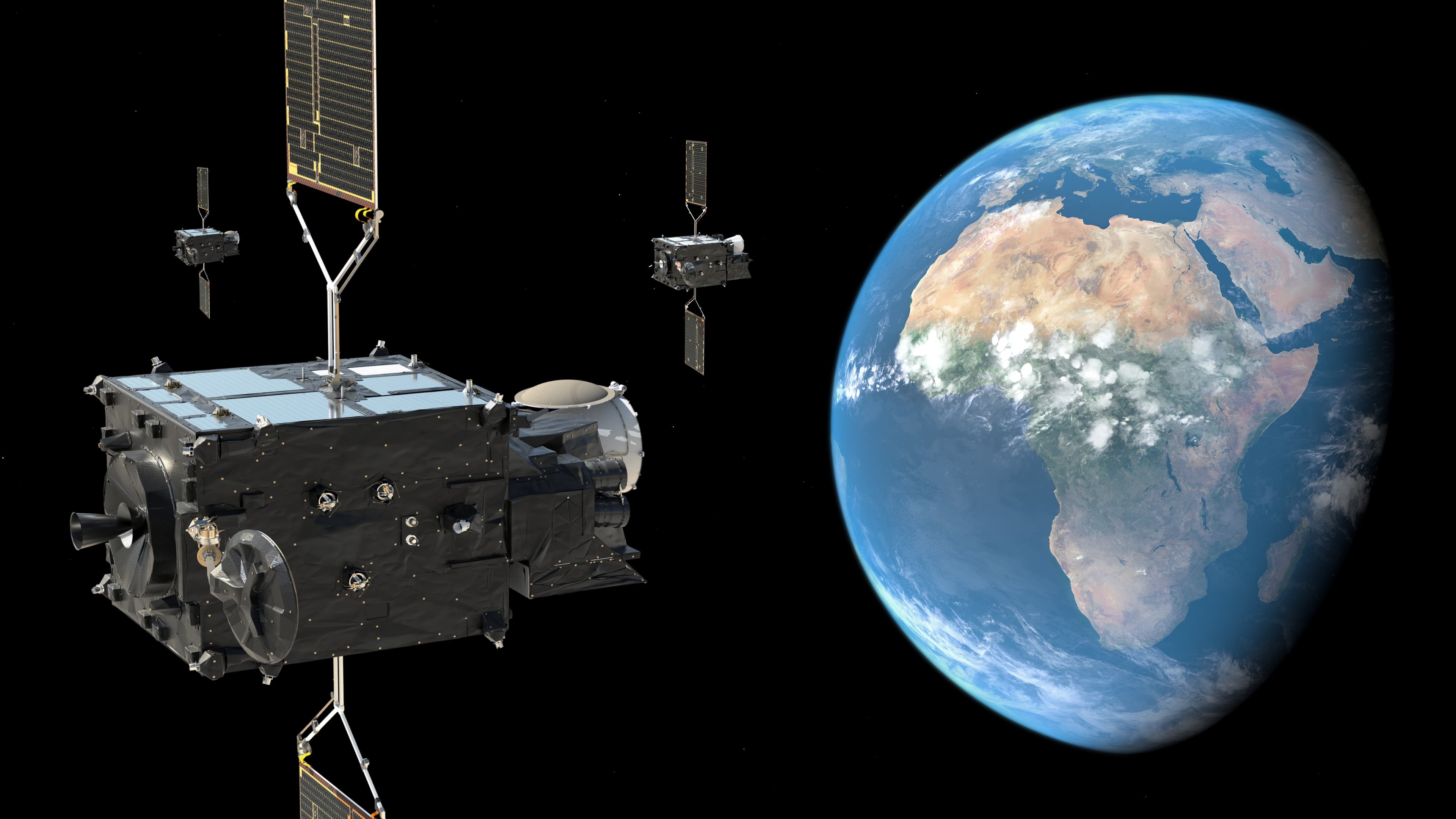
An October 1 notice schedules a status change for MTG-S1’s Level 1 infrared observations, which are distributed through EUMETCast and the Data Store.
Star formation
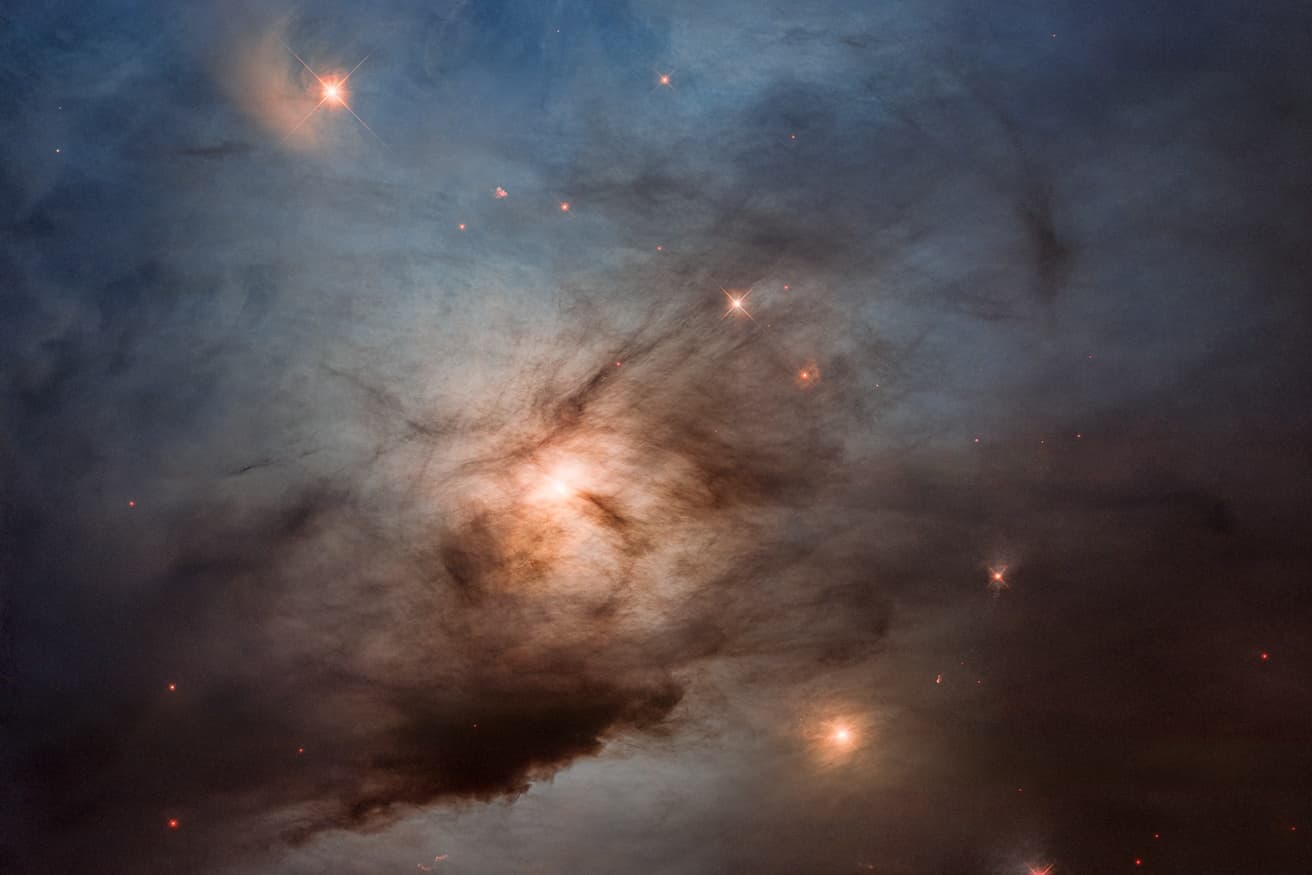
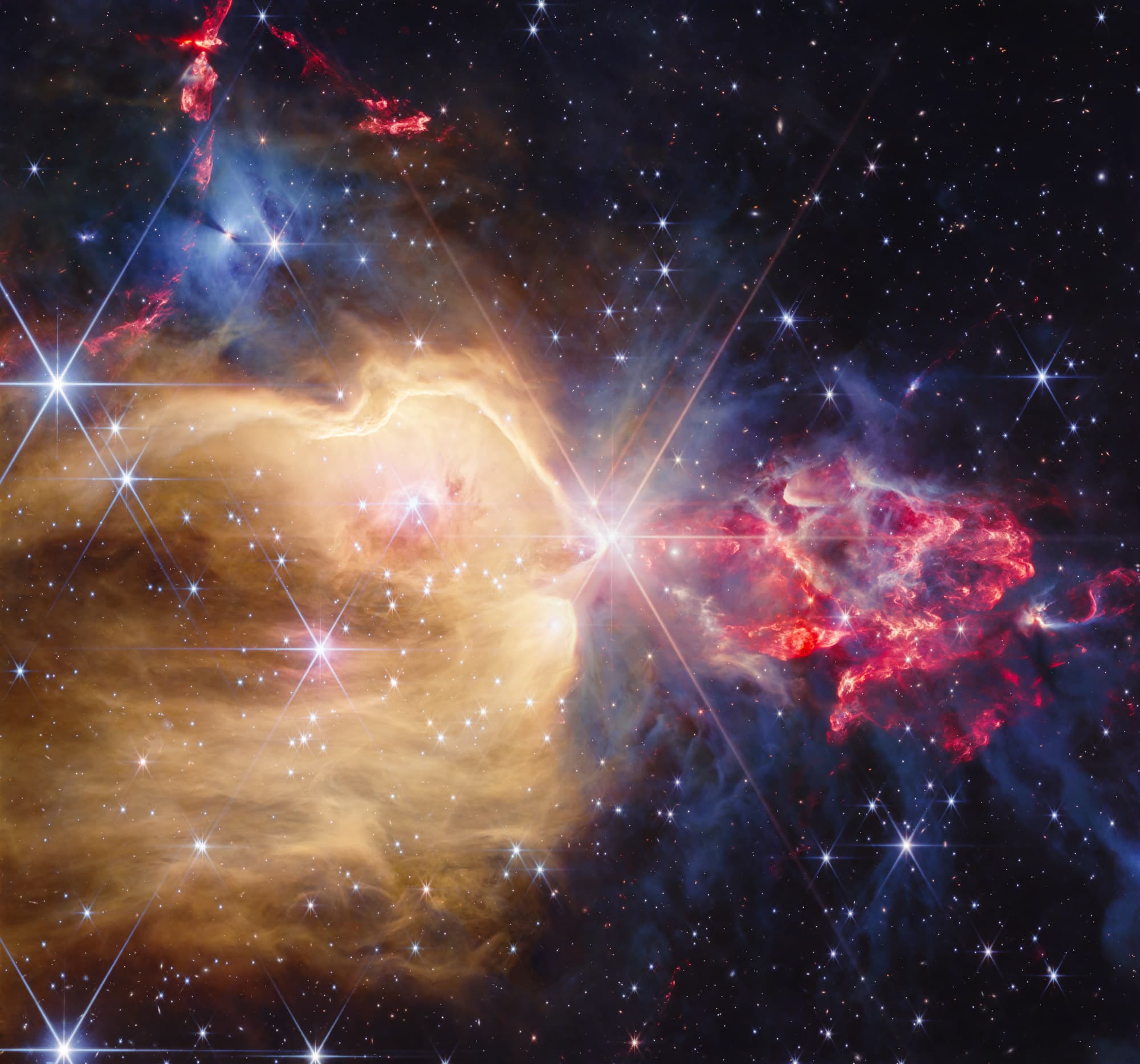
The October 6 release uses December 2025 observations of NGC 7129 to show how stars at different stages shape atomic and molecular gas.
Science
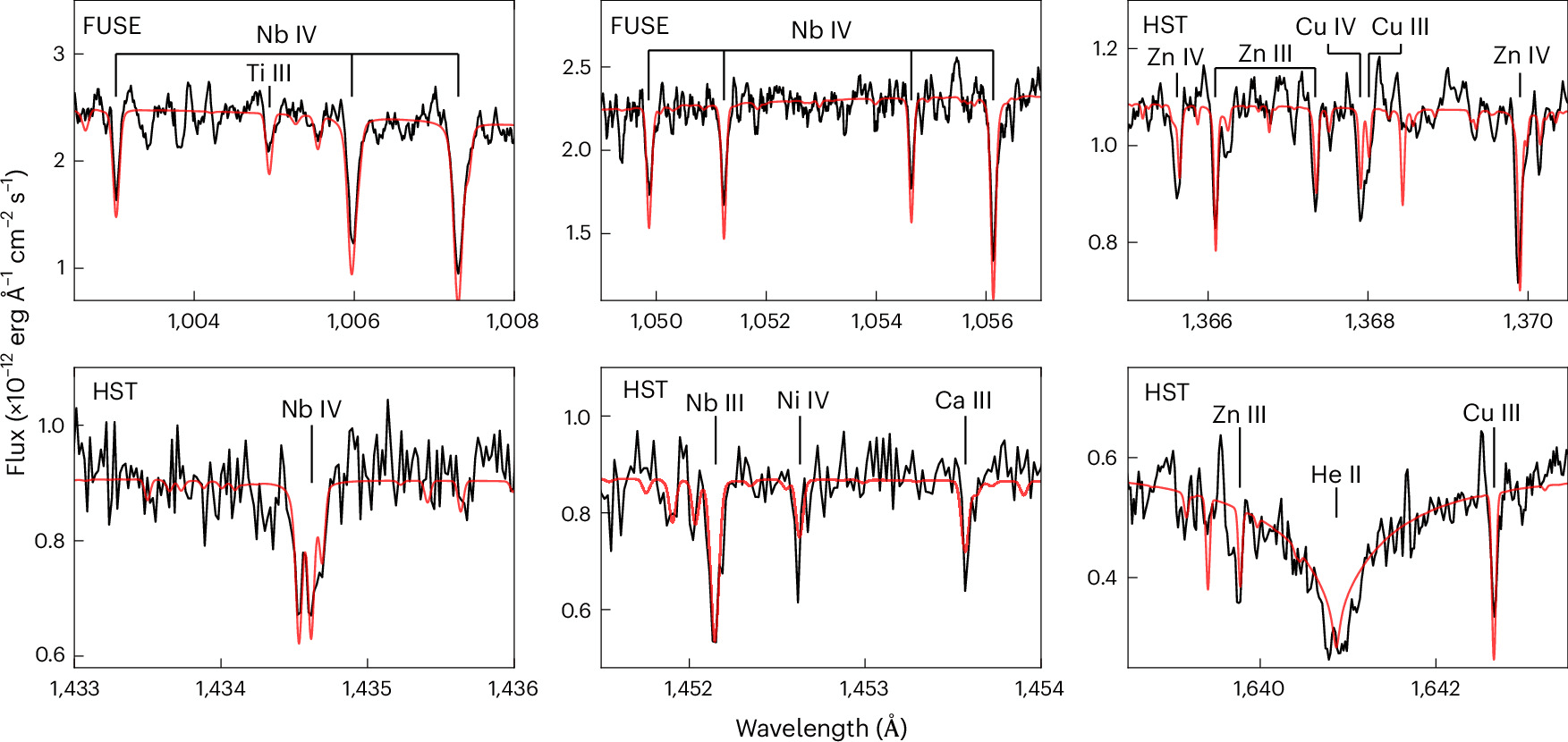
A new study identifies niobium around white dwarf HS 0209+0832 and a 4.399-day brightness cycle; neither observation directly detects a planet.
Science
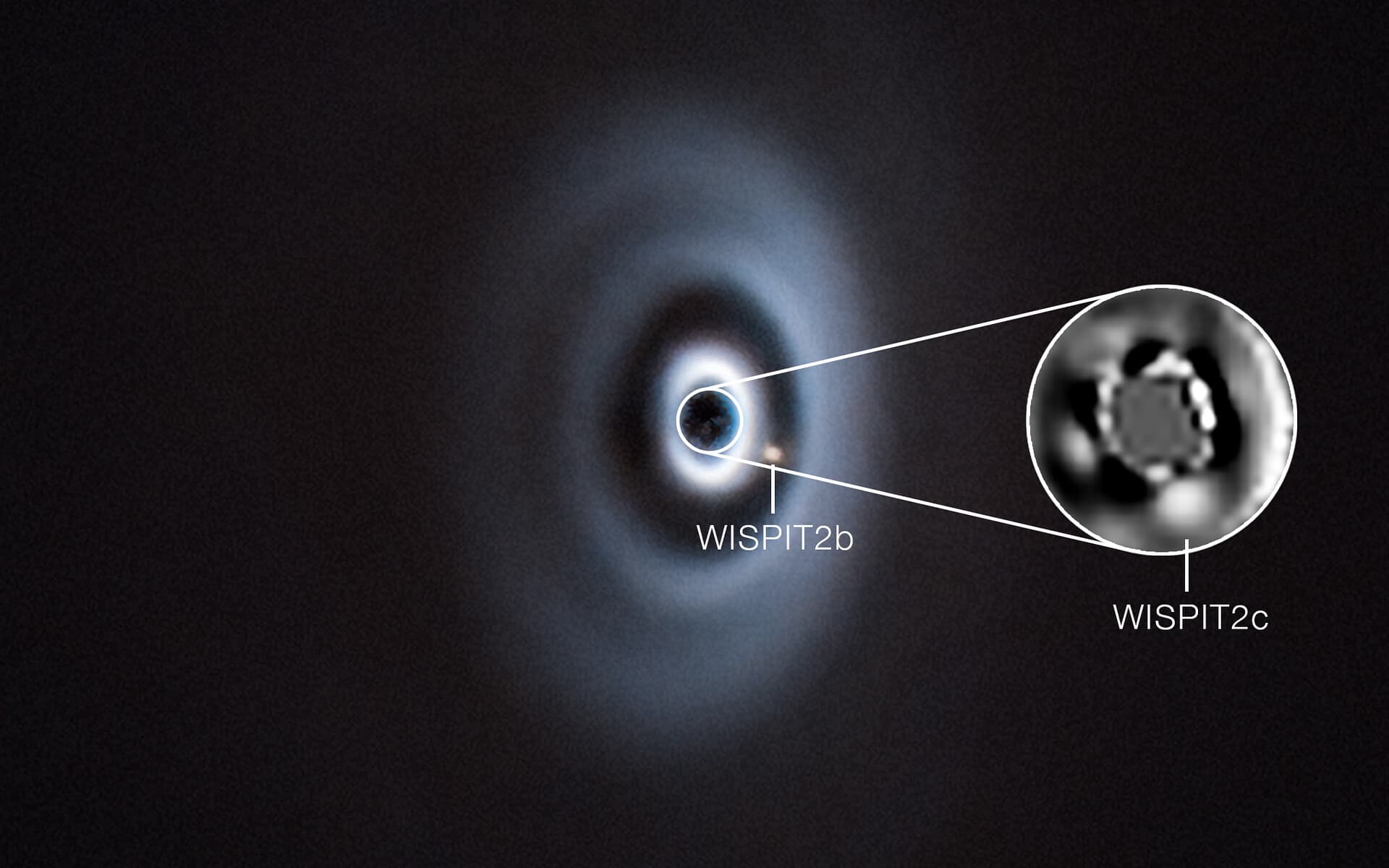
The September 24 study connects a directly imaged, growing planet with nearby gas motion for the first time; the precise causes of the emission still need sharper data.
Space science
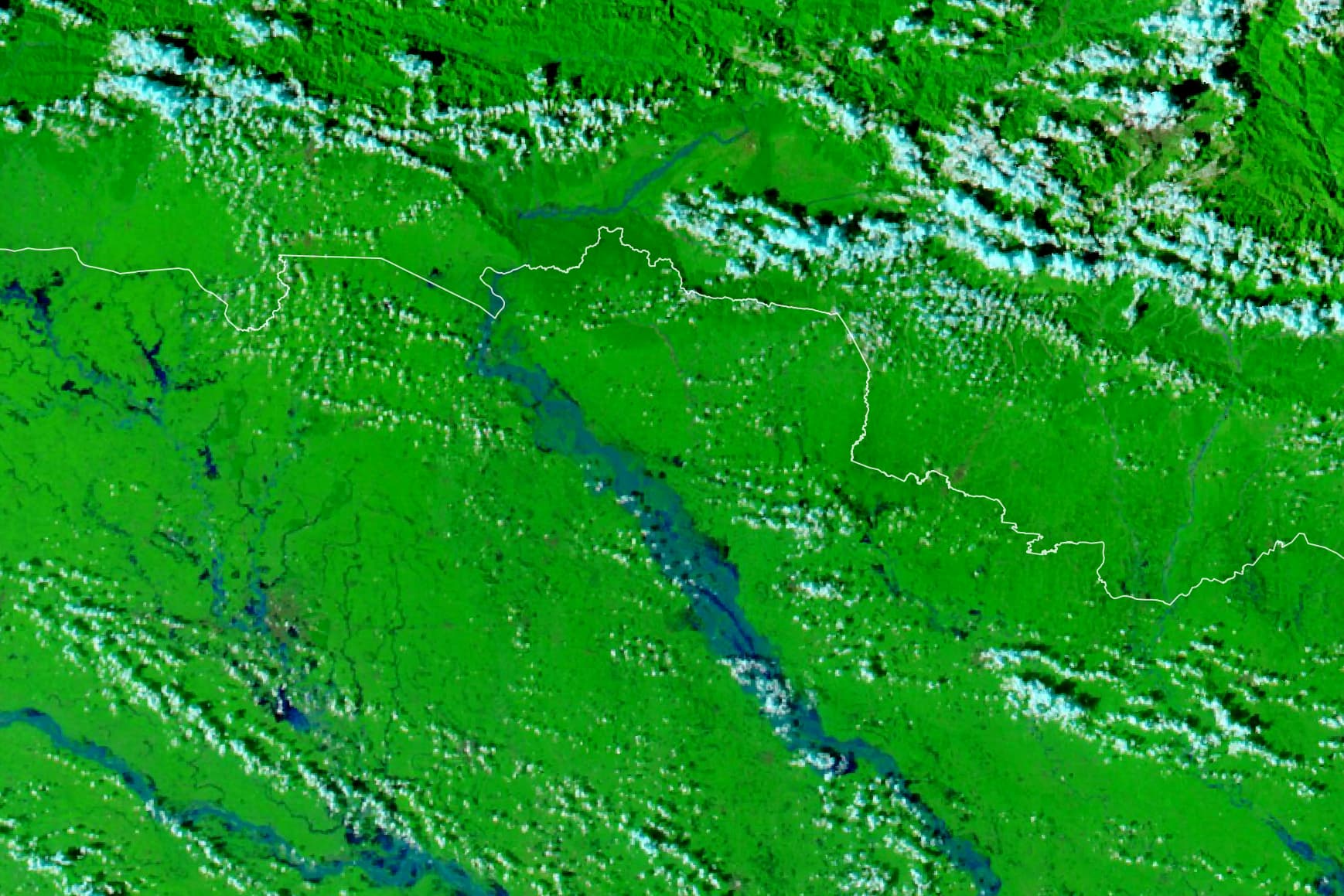
The September satellite comparison showed flood extent; the reporting does not link it to relief deployment decisions.
Science
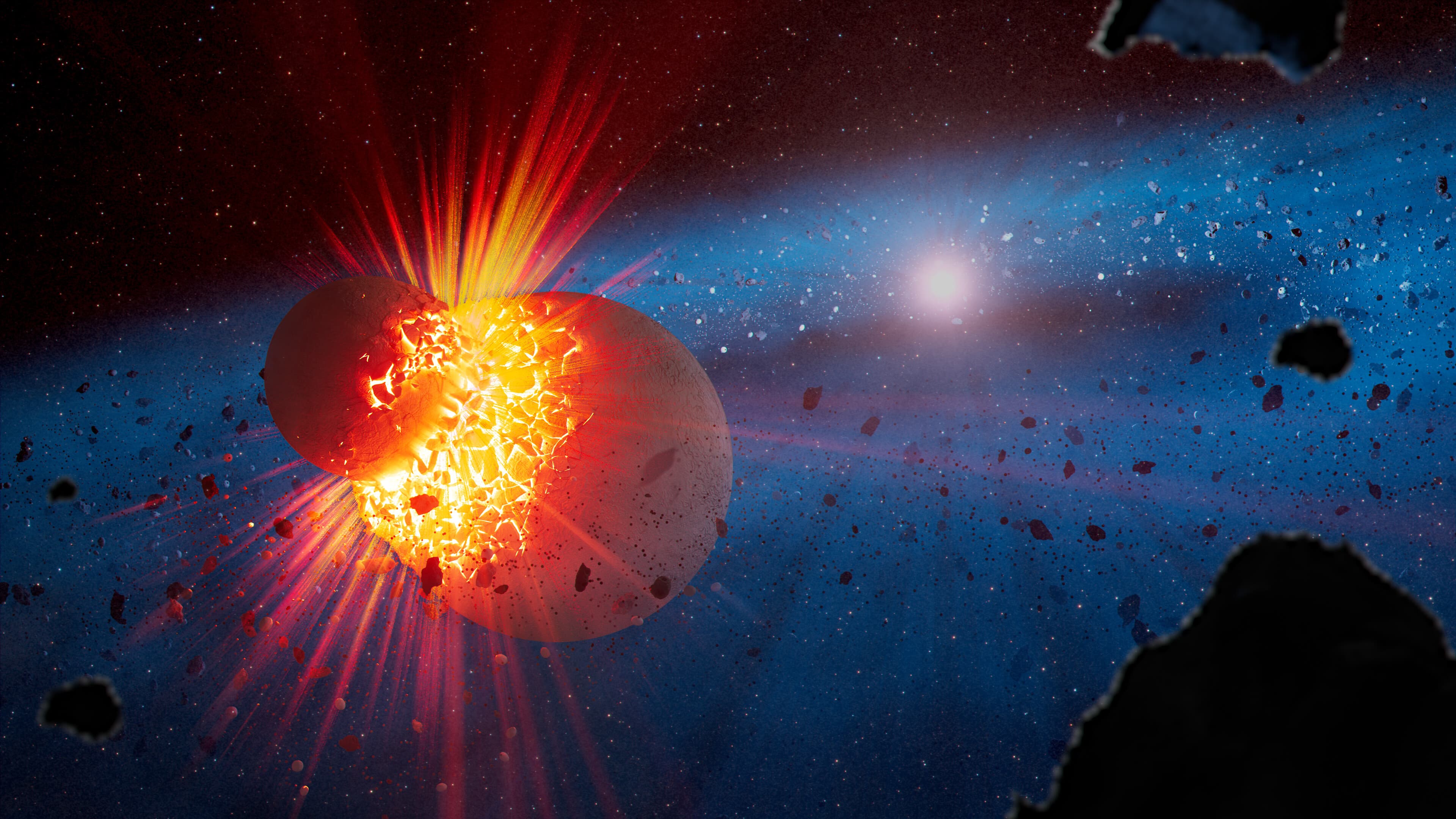
Infrared spectra separate the disks into silica-rich and silica-poor groups; the proposed impact sizes remain interpretations, and only three older disks were sampled.
Space science
The clip was recorded during commissioning on July 24, two months before its September 30 release. ESA says the camera now makes 45-hour recordings, while an X-ray imaging issue remains.