Planetary missions
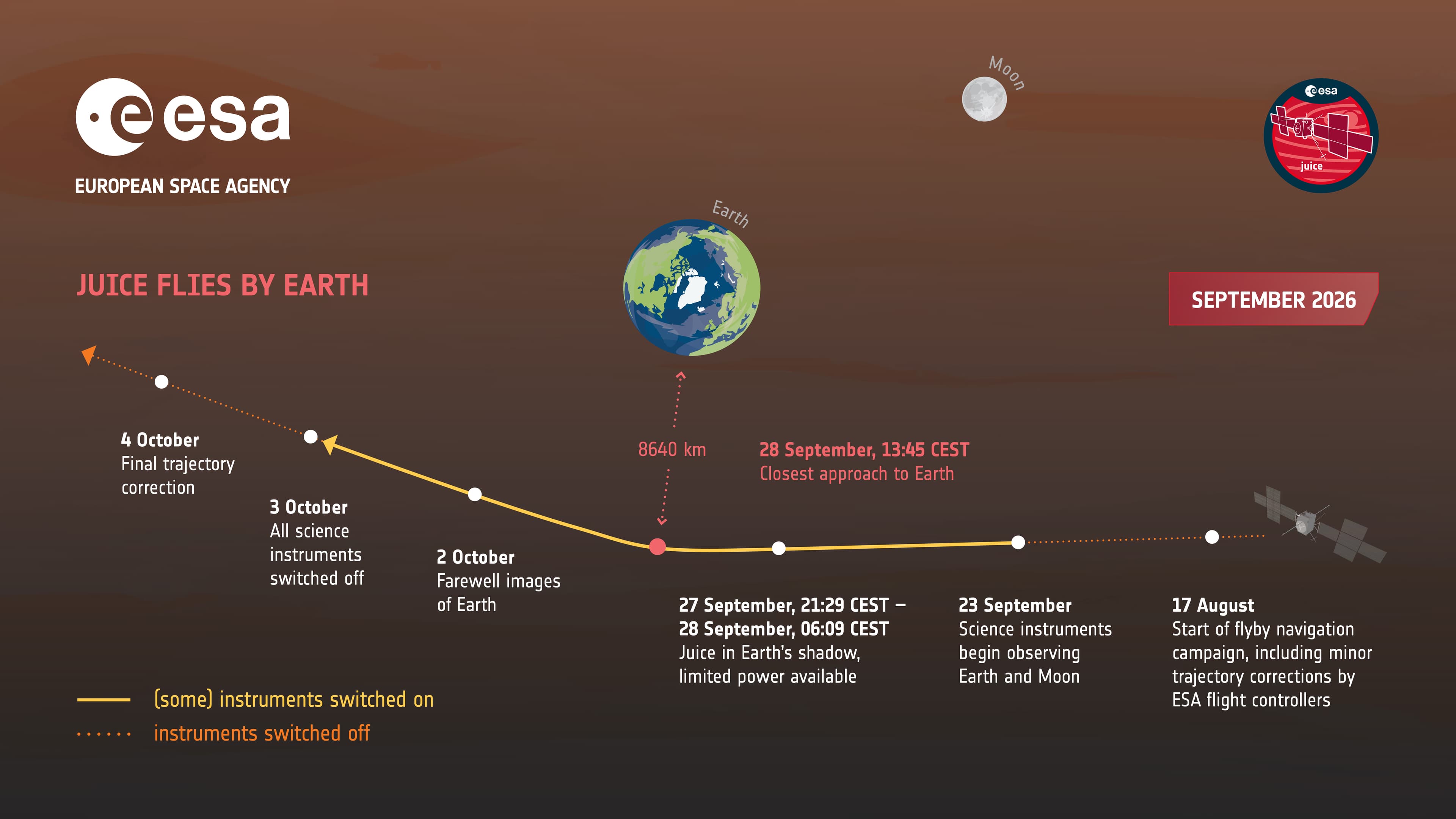
Juice's Earth flyby shifts course toward Jupiter
ESA reports a 20-degree deflection and a 3.5 km/s speed gain from the September 28 gravity assist. Another Earth flyby is still planned for 2029 before Jupiter arrival in 2031.
Latest editionIndependent space reporting
SPACE EXPLORATION.INअंतरिक्ष · India’s space journalIndia-firstSource-led · English edition
Editorial desk
Human spaceflight, planetary missions and the engineering campaigns that turn programme intent into flight hardware.
Planetary missions
ESA reports a 20-degree deflection and a 3.5 km/s speed gain from the September 28 gravity assist. Another Earth flyby is still planned for 2029 before Jupiter arrival in 2031.
Starliner
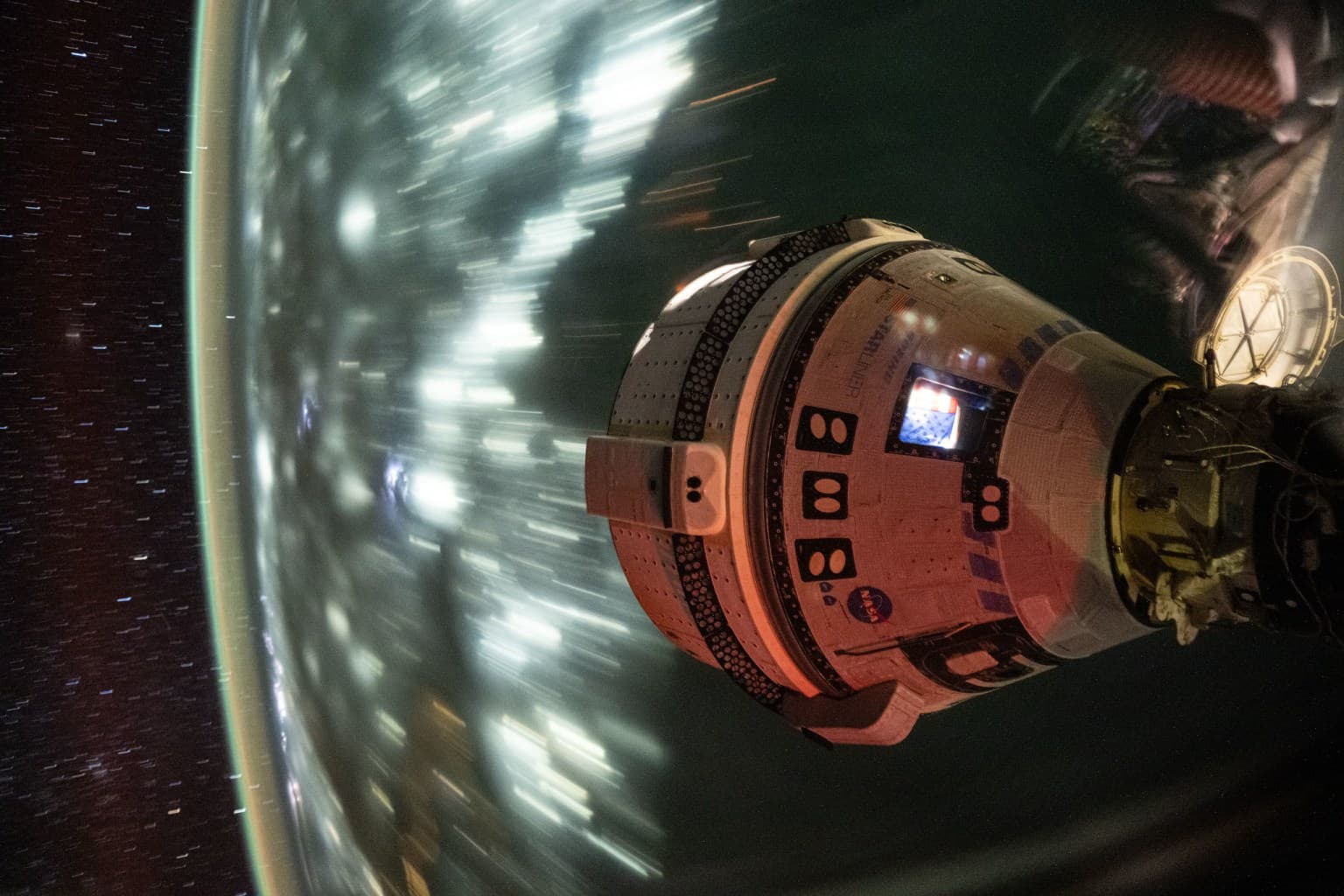
The September 28 roadmap targets astronauts by 2028, after an uncrewed test; flight options and the rocket transition remain planned.
Starship Flight 14
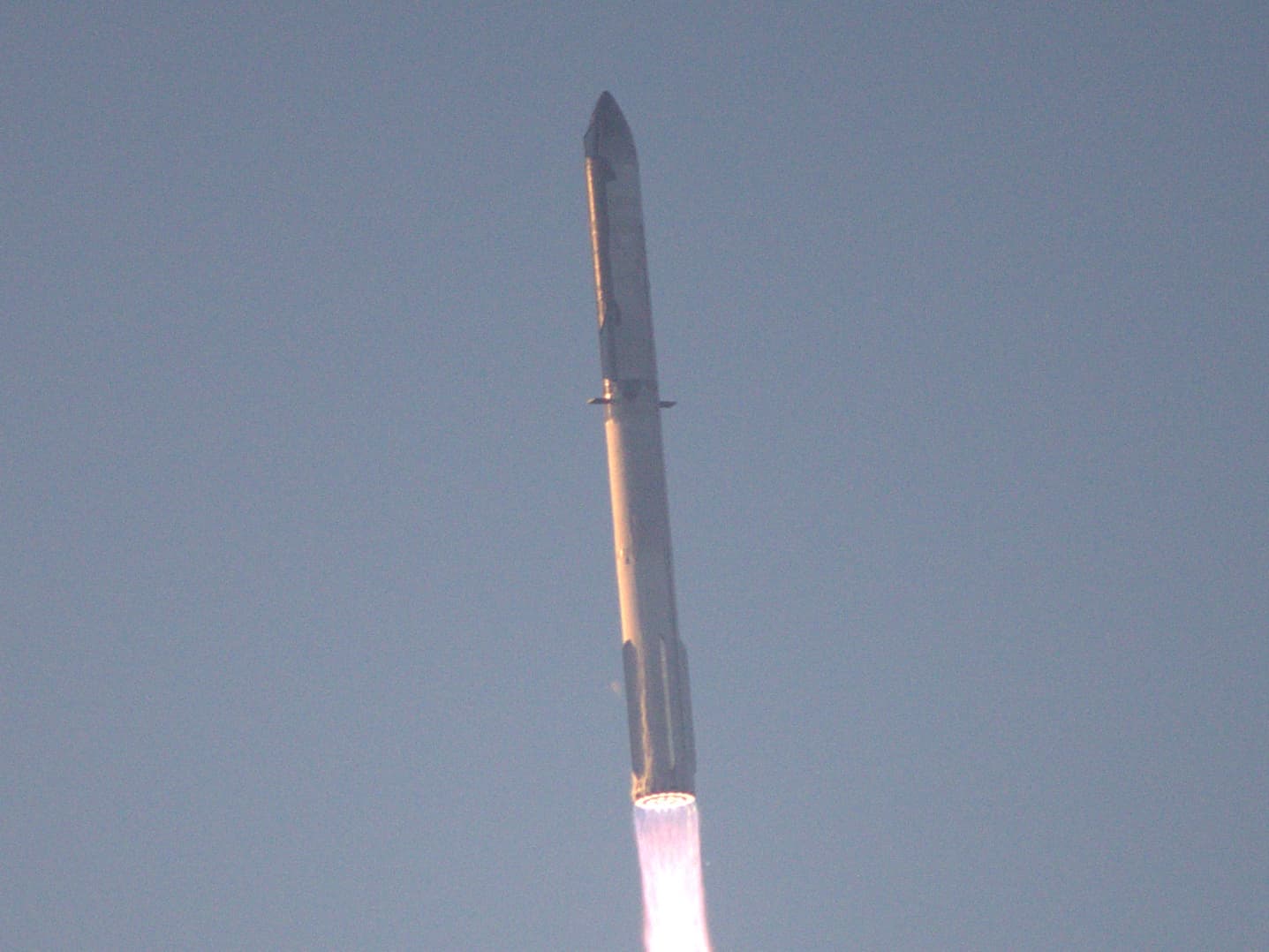
All 26 satellites were deployed and contact established with each, according to SpacePolicyOnline. The planned ten-hour test ended after about three hours, with a northern-Pacific return.
Human spaceflight
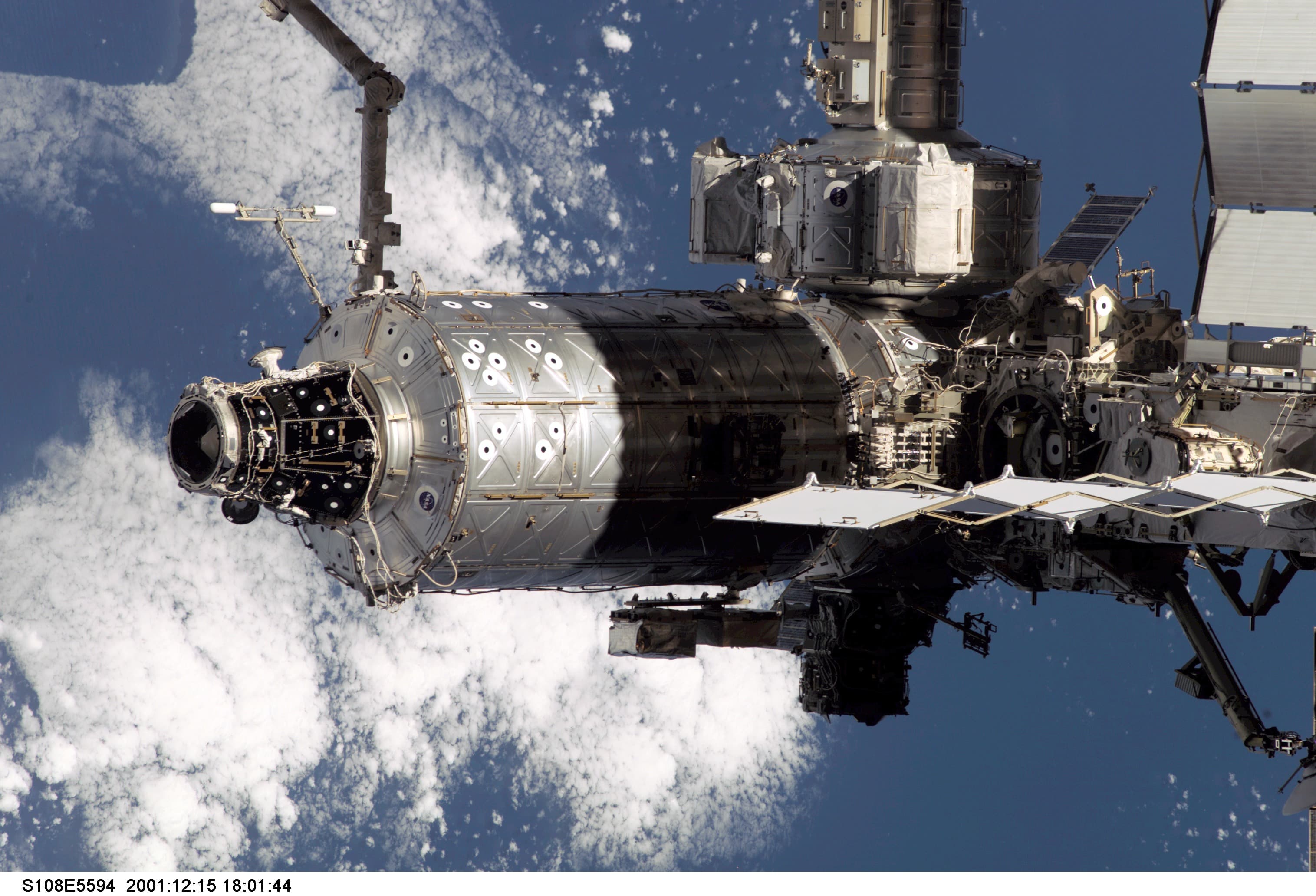
Indian-origin flight engineer Anil Menon tested and fitted new components on September 25. NASA’s account leaves installation ahead and gives no measured performance result.
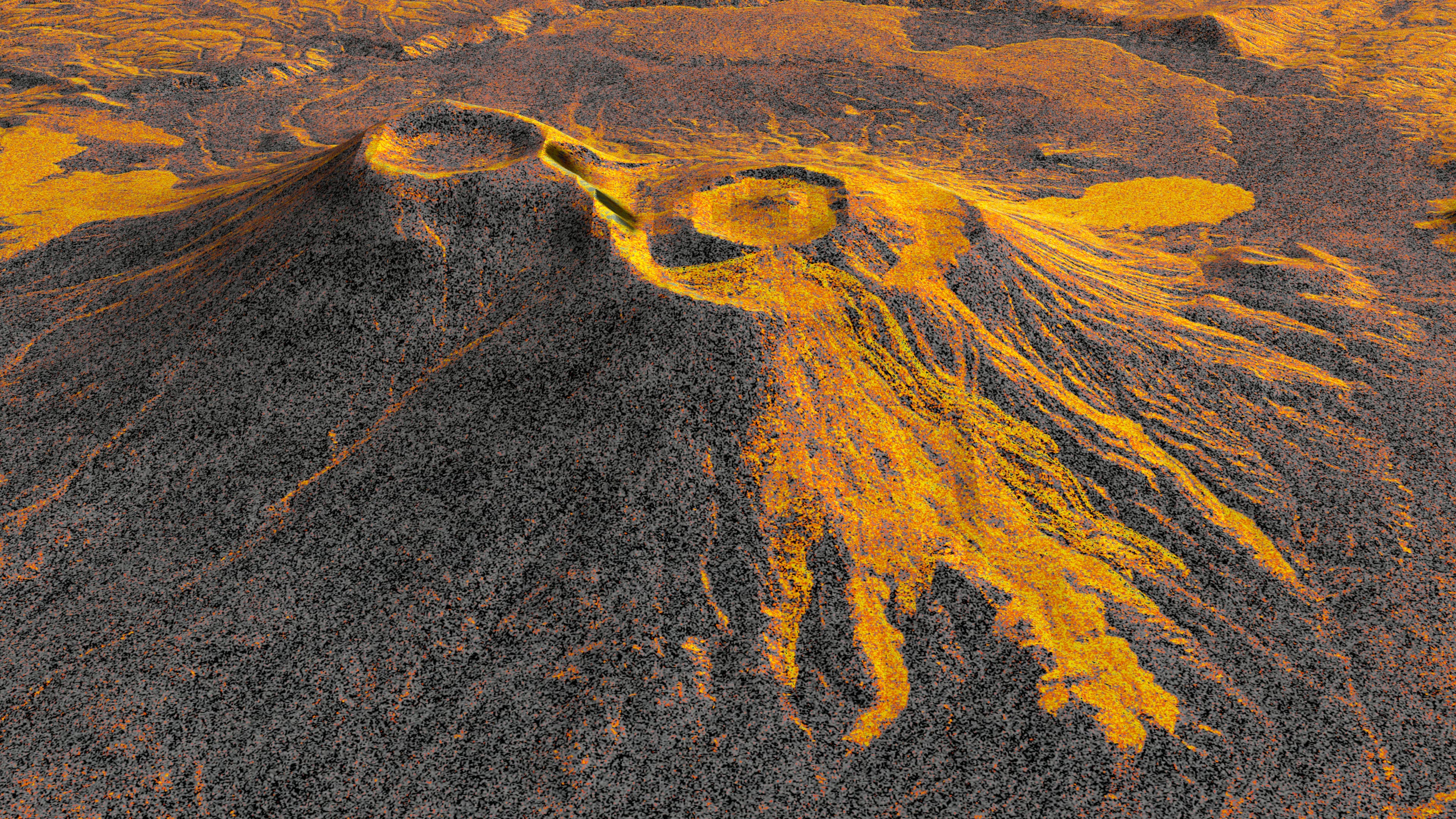
Earth observation
The September 24 visualization uses observations from December 2025 to August 2026, showing repeat monitoring by the joint NASA–ISRO mission.
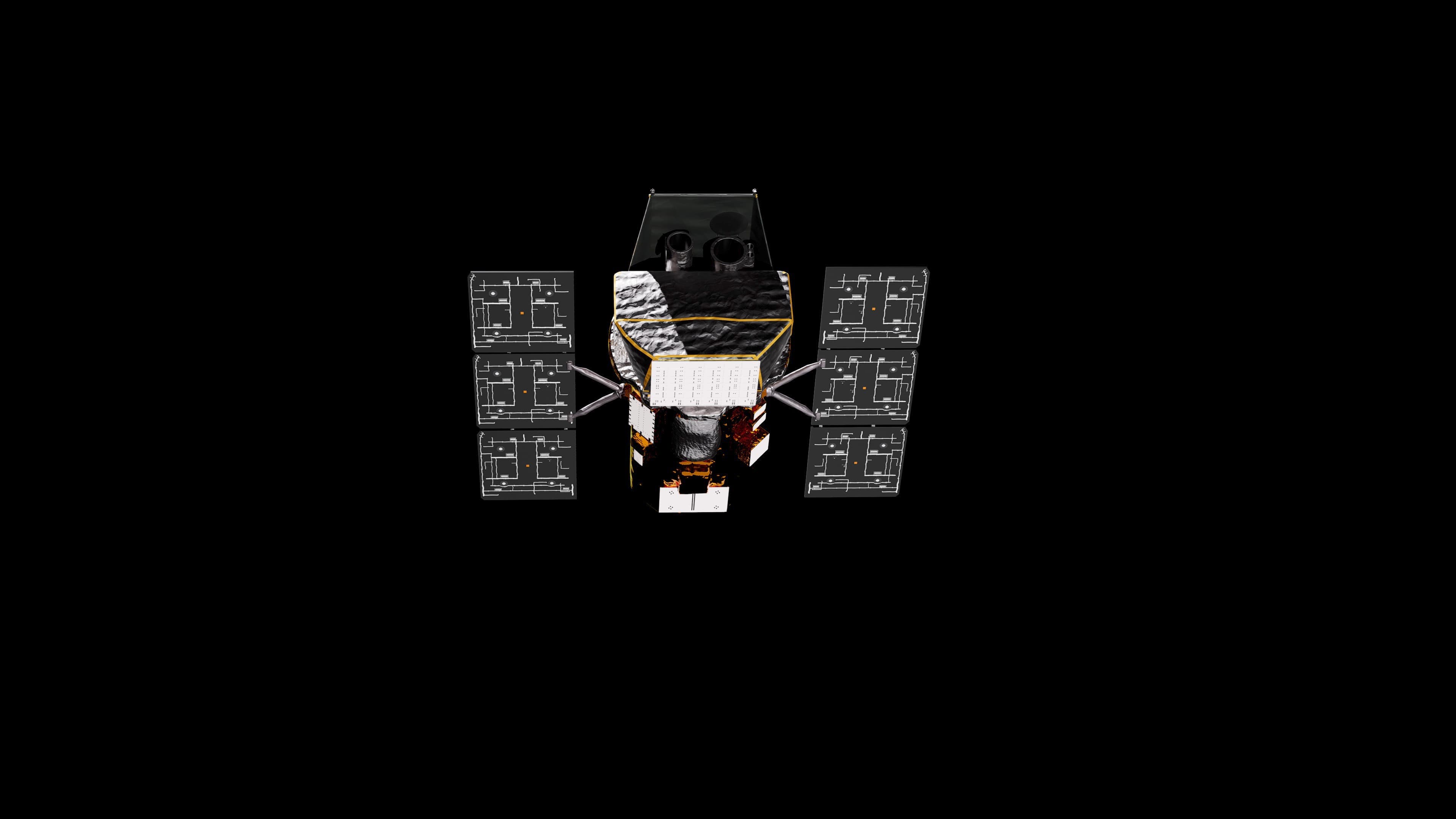
Swift Observatory
NASA’s September 25 forecast places the likely end of observations in early to mid-October; the estimate is not a re-entry date.

Starship Flight 14
The September 26 revision authorises one reentry after Flight 14. SpaceX has reported a completed launch rehearsal and retains September 28 as its launch target.

Missions
The far-infrared observatory enters preliminary development, with implementation still subject to review and launch targeted for 2033.
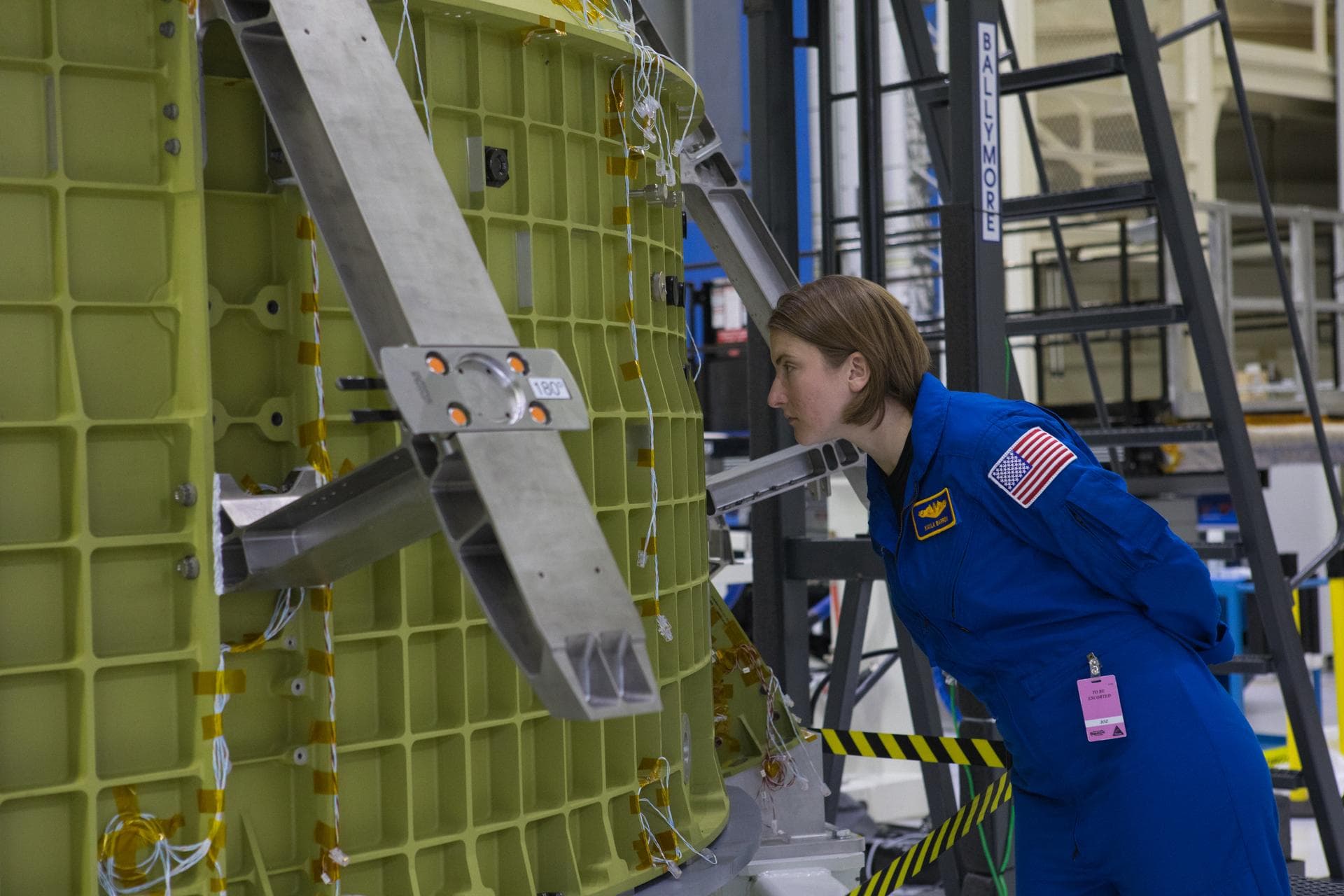
Human Spaceflight
Kayla Barron will command the four-person mission, which NASA plans to launch no earlier than spring 2027.
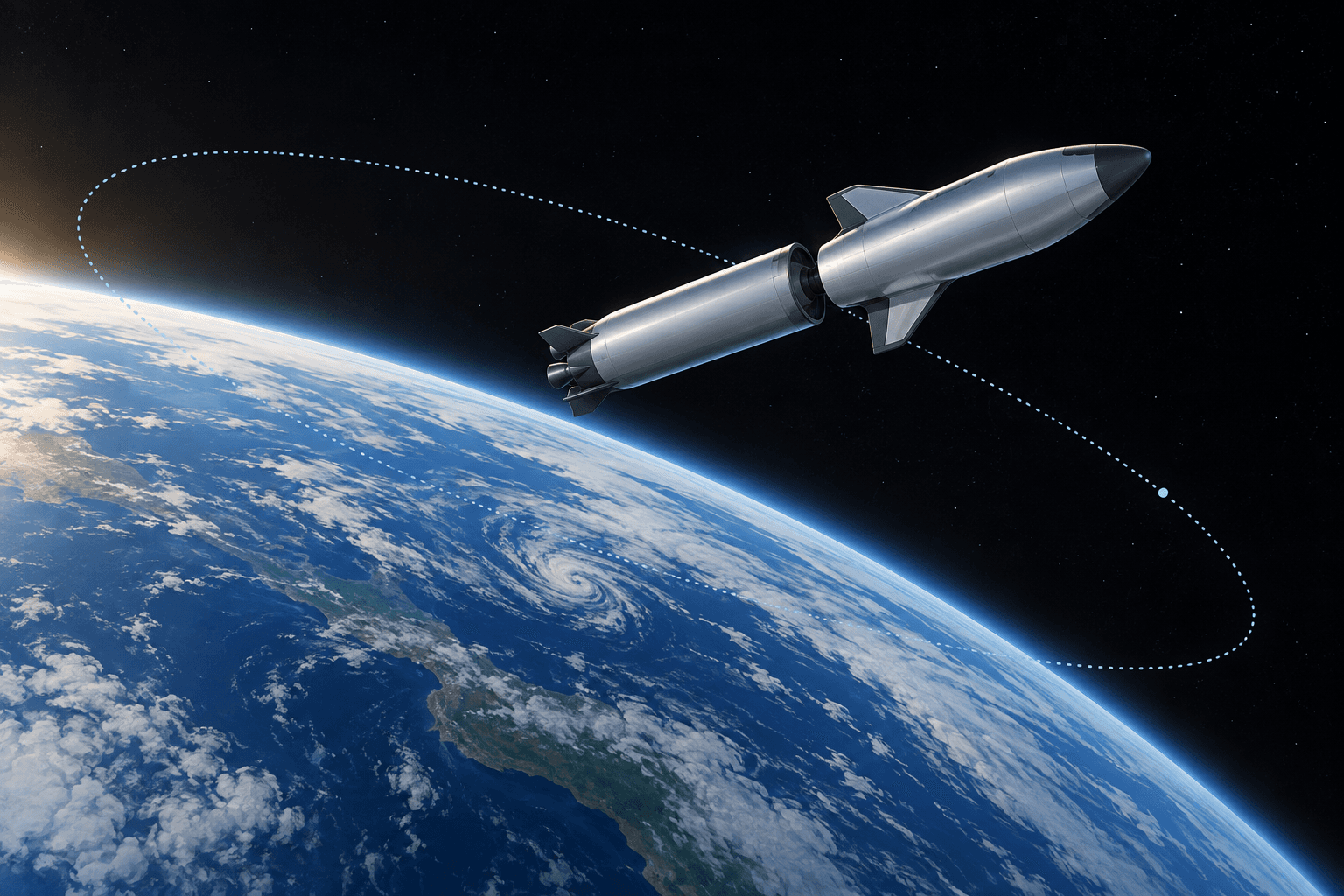
Starship Flight 14
SpaceX moved the earliest Flight 14 date six days from September 22 and says the attempt remains subject to regulatory approval. It has not given a reason for the change.
Missions
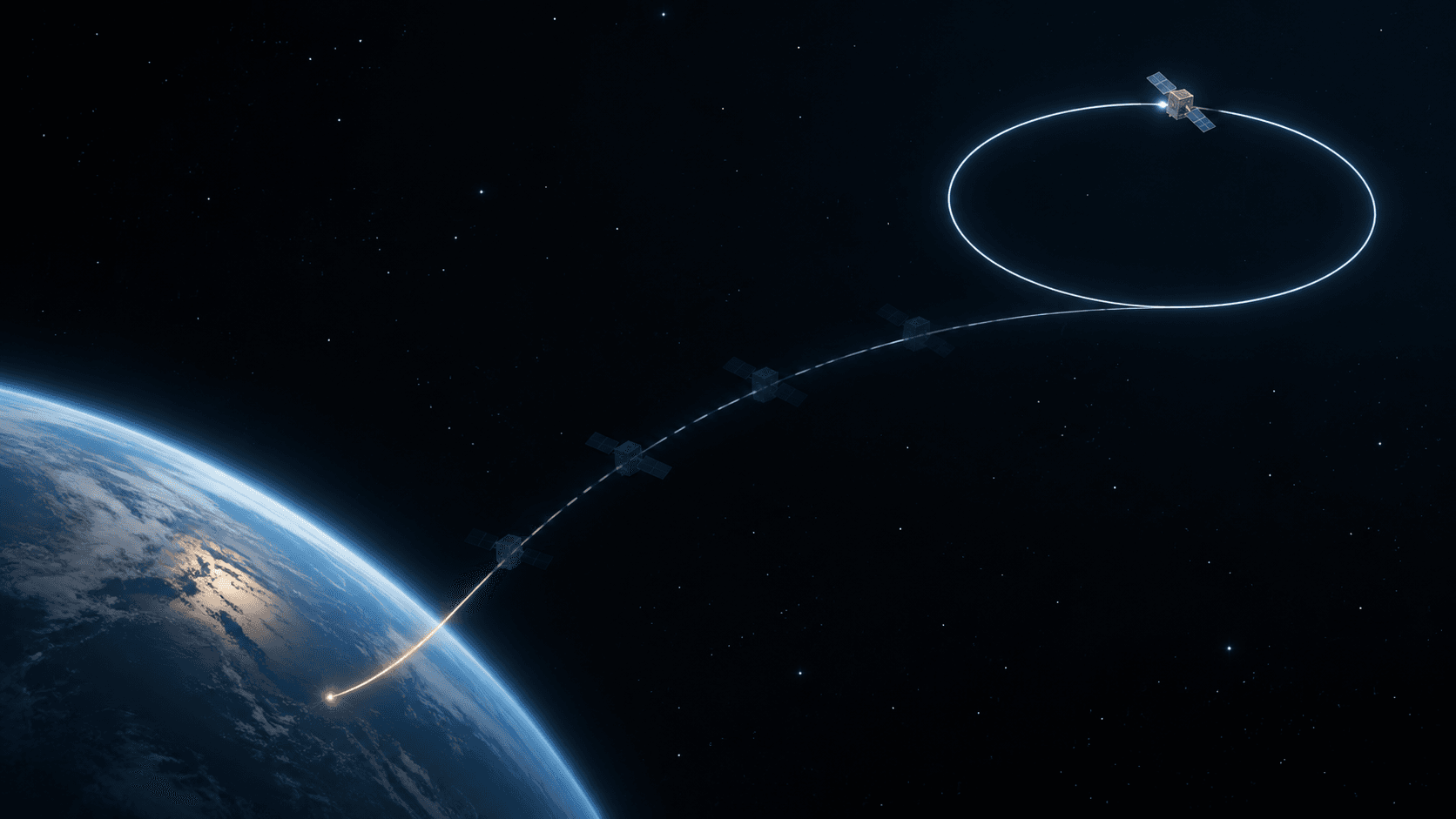
The September 7 notice records a 1,247-second liquid-apogee-motor firing and an estimated 34,903 km by 35,884 km orbit; it does not announce commissioning or services.
Missions
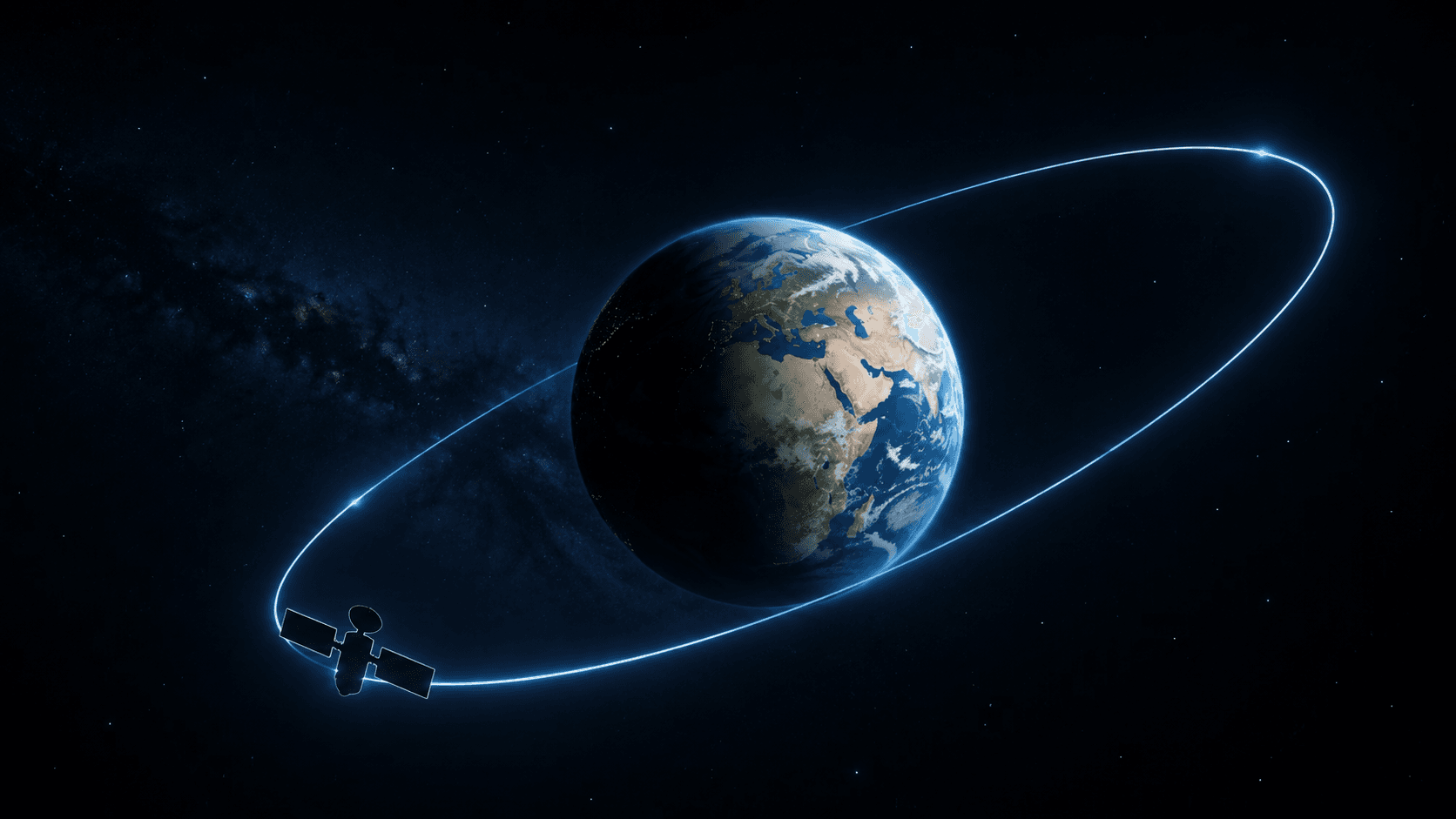
The agency's September 5 notice reports a completed engine burn and an updated transfer orbit; it does not say the spacecraft has reached its intended geostationary slot.